📌 Disclaimer
Prices, schedules, tour details, flight routes, visa requirements, and all other information on this page are based on data at the time of writing. Fares, availability, and policies may change. Please verify current details on the official website before booking.
Why Visit Launceston?#
The scent of roasting coffee beans and ancient eucalyptus drifts through the air as the morning mist lifts off the Tamar River. Launceston offers American travelers a slower-paced Australian experience where nineteenth-century colonial architecture meets a fiercely independent modern arts and food movement. Located in the north of Tasmania, this compact city feels worlds away from the high-rise sprawl of Sydney or Melbourne , yet it provides every modern comfort a traveler needs for a relaxing getaway.
What sets this destination apart is its extraordinary proximity to untouched wilderness. You can finish a leisurely breakfast in a restored flour mill and find yourself walking across a suspension bridge above a dramatic wilderness gorge ten minutes later. The surrounding valley produces top-quality cool-climate wines, while the city streets reward wanderers with quiet alleyways, independent bookstores, and historic brick warehouses that have found new life as bakeries and design studios.
Best Time to Visit Launceston#
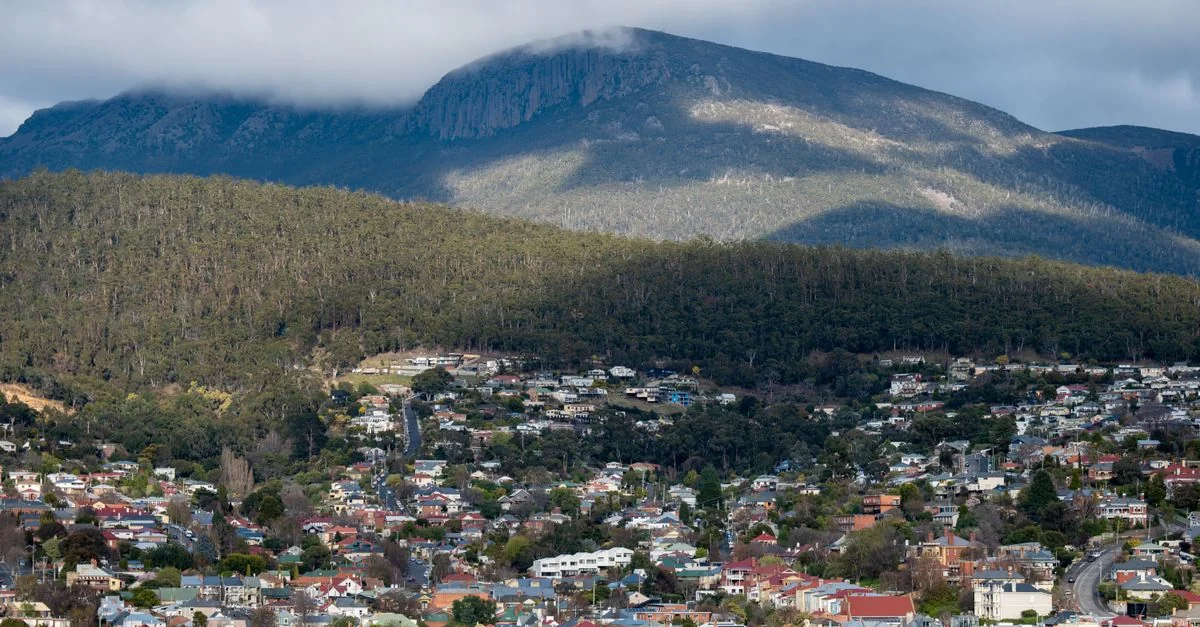
Planning your trip around Tasmania’s distinct seasons ensures you experience the region at its best. Summer runs from December through February, bringing the warmest weather with daytime temperatures regularly hovering in the comfortable mid-seventies Fahrenheit. This period sees the highest volume of visitors, particularly during the school holiday breaks in January, which means flights, rental cars, and accommodation prices peak. Long daylight hours make summer ideal for exploring the surrounding wine regions and botanical gardens late into the evening.
Autumn arrives in March and lingers through May, transforming the city as deciduous trees burst into shades of copper and gold. Temperatures begin to cool into the sixties, and the heavy tourist crowds disperse, making this shoulder season a favorite for travelers seeking peace and quiet. Winter spans from June to August, bringing crisp, frosty mornings and daytime temperatures dropping into the low fifties. While outdoor dining requires a heavy jacket, winter rewards visitors with roaring indoor fireplaces, hearty local stews, and significantly lower rates on accommodation. Spring, from September to November, brings blooming gardens and playful newborn wildlife, though weather patterns can be notoriously unpredictable, swinging from sunny warmth to sudden chilly squalls within hours.
Where to Stay in Launceston#
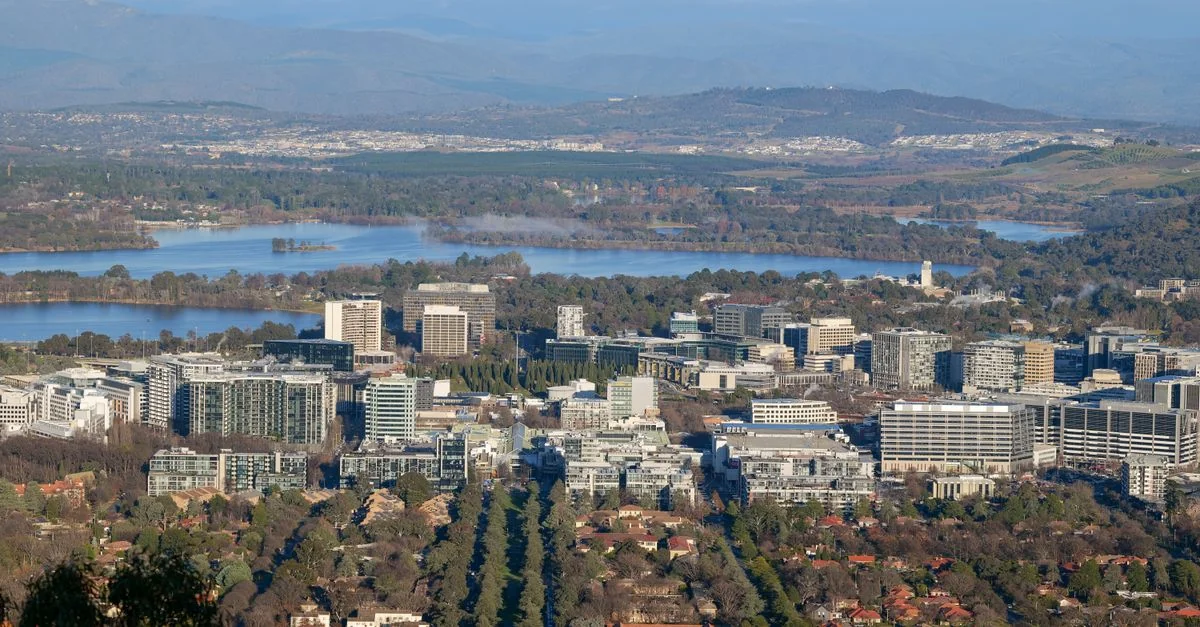
Choosing where to lay your head depends entirely on the style of trip you prefer, as the city is divided into several distinct pockets. The historic central business district places you within easy walking distance of the main restaurant strips, Victorian-era parks, and the Queen Victoria Museum. Staying in this central hub suits travelers who prefer to navigate on foot without relying on taxis, offering a mix of mid-range converted heritage buildings and standard modern motel rooms that range from $120 to $220 per night.
For travelers prioritizing morning river views and an upscale ambiance, the Seaport district sits just north of the city center along the banks of the North Esk River. This reclaimed industrial wharf area features modern upscale apartments and boutique townhouses with private balconies overlooking the marina. Prices here skew toward the higher end, generally starting around $250 to $400 per night, but the reward is a concentration of high-end dining right outside your door.
Travelers seeking a quieter, more residential neighborhood will appreciate the charm of Invermay or the leafy slopes of the Trevallyn suburb. Invermay, located just across the bridge, offers budget-friendly guesthouses and Airbnb rentals, often housed in charming Victorian cottages where prices can dip below $100 per night. Trevallyn climbs the hills overlooking the gorge, providing peaceful bed-and-breakfast options nestled among native bushland, appealing to nature lovers who want to wake up surrounded by kookaburras and wallabies.
Top Things to Do in Launceston#
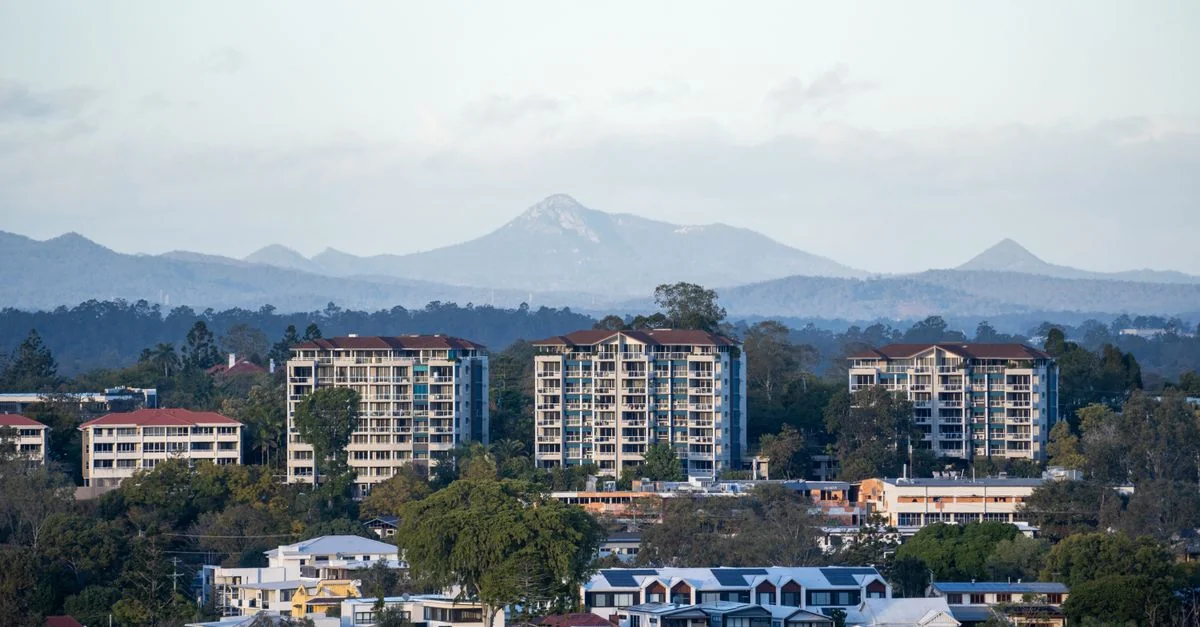
Nature and history intertwine effortlessly in this Tasmanian hub, starting with the dramatic landscape of Cataract Gorge Reserve. Located just a short stroll from the city center, this natural geological wonder features sheer cliff faces, walking trails carved into the rock, and a permanent suspension bridge swaying high above the South Esk River. You can ride the world’s longest single-span chairlift for a bird’s-eye view of the basin, then feed the resident peacocks near the Victorian tea kiosk.
History enthusiasts will find plenty to explore at Franklin House, a heritage-listed Georgian homestead built by convicts in the early nineteenth century. Walking through the polished timber rooms offers a tangible connection to early colonial life, while the surrounding English-style gardens provide a serene spot for reflection. For a shift in perspective, the Queen Victoria Museum and Art Gallery at Royal Park houses an eclectic collection ranging from Tasmanian art and colonial history to natural science exhibits and a dedicated planetarium.
Wanderers looking to stretch their legs should head to City Park, famous for its mature English trees, lively floral displays, and an enclosure housing a troop of macaque monkeys gifted by a sister city in Japan . From the park, it is an easy walk to Boag’s Brewery, where visitors can take a guided historic tour exploring more than a century of local brewing traditions, complete with a tasting session at the end.
Venturing slightly further afield, Tamar Island Wetlands offers an elevated boardwalk trail that winds through salt marshes and mudflats, making it a premier spot for birdwatching and spotting shy native wildlife. Wine lovers should dedicate an afternoon to touring the Tamar Valley Wine Route, where boutique cellar doors pour exceptional Riesling and Pinot Noir against a backdrop of rolling vineyard hills. If you happen to visit on a weekend, the Launceston Harvest Market transforms a central car park into a busy gathering space where local farmers and artisans sell fresh berries, artisanal cheeses, and warm pastries.
Food and Dining Guide#
The dining scene reflects the bounty of Tasmania’s pristine natural environment, putting fresh ocean catches and hyper-local produce front and center. One absolute worth trying is Tasmanian Atlantic Salmon, which appears on menus pan-seared with crispy skin or cured with local gin and dill. Another regional staple is King Island Beef, celebrated for its incredible marbling and rich flavor, best ordered as a medium-rare ribeye at a traditional steakhouse or a rustic bistro.
For casual bites, local bakeries serve up Tasmanian Scallop Pies, a comforting regional specialty featuring plump sea scallops baked inside a flaky pastry crust with curry or mornay sauce. If you have a sweet tooth, seek out artisan chocolates infused with native pepperberry or locally harvested leatherwood honey. Casual street food is harder to find in the traditional sense, but weekend farmers’ markets make up for it with mobile food trucks serving everything from wood-fired sourdough pizza to slow-cooked wallaby burgers.
When dinner time arrives, the city offers everything from cozy neighborhood pubs pouring craft ales to sophisticated waterfront restaurants. Reservations are recommended for weekend dining, particularly at establishments that highlight the paddock-to-plate philosophy by sourcing all ingredients from within a fifty-mile radius. Pair any meal with a glass of crisp regional Chardonnay or a bold cool-climate Pinot Noir to complete the authentic local experience.
Getting Around Launceston#
Navigating this compact destination is refreshingly straightforward compared to larger Australian metropolises. The city center is largely flat and remarkably pedestrian-friendly, meaning you can easily explore shops, museums, and nearby parks on foot without breaking a sweat. For destinations slightly further out, such as the wetlands or suburban cellar doors, a reliable local bus network operates daily, though services run less frequently on weekends and holidays.
Taxis and rideshare services like Uber are readily available for point-to-point travel within the city limits, and fares remain reasonable due to short transit distances. However, if your itinerary includes exploring the broader Tamar Valley or taking day trips into the surrounding wilderness, renting a car is essential. Major rental agencies operate out of the local airport and downtown depots. Be aware that Australians drive on the left side of the road, and rural roads outside the city can be winding and unlit at night, so plan your driving accordingly.
Budget Breakdown#
Planning your expenses helps ensure a smooth trip, with costs varying depending on your travel style. Budget travelers can easily manage on $70 to $120 per day by staying in hostel dorms or suburban guesthouses, picking up bakery lunches, using public buses, and focusing on free outdoor activities like walking the gorge trails.
Mid-range travelers should budget roughly $200 to $350 per day. This tier covers comfortable three-star hotel rooms or boutique apartments, a mix of casual cafe meals and sit-down dinners at local bistros, rental car expenses for a couple of days, and admission to museums and brewery tours.
Luxury travelers can expect to spend upwards of $500 per day and significantly more if booking high-end vineyard lodges. This budget affords premium waterfront accommodation, fine dining tasting menus paired with local wines, private chauffeured winery tours, and exclusive wildlife experiences.
Travel Tips for Launceston#
Packing appropriately is essential due to Tasmanian weather variability, which can see four seasons in a single day. Always pack layers, including a reliable waterproof windbreaker, even if you arrive during the height of summer, because temperatures can plummet quickly when the wind blows off the southern ocean.
Respecting local wildlife safety is crucial when exploring natural reserves. While kangaroos and wallabies look friendly, they are wild animals and should never be fed human food. Additionally, keep an eye out for venomous snakes on bushwalking tracks and give them plenty of space to slither away undisturbed.
Understanding tipping culture will save you confusion at restaurants and cafes. Tipping is not customary or expected in Australia , as service staff receive fair baseline wages. However, rounding up the bill or leaving a modest cash tip for exceptional service is always appreciated by local workers.
Navigating plug adapters and electricity requires the right gear. Australia uses Type I plugs with three flat pins, operating on 230 volts. American travelers will need a dedicated voltage converter for standard American appliances like hair dryers, though most modern phone and laptop chargers handle dual voltage automatically.
Embracing operating hours is important for managing your daily schedule. Many retail shops and cafes close relatively early compared to major American cities, often shutting their doors by 5:00 PM on weekdays and early afternoon on weekends. Plan your shopping and dining around these relaxed hours to avoid finding locked doors.
📌 Disclaimer
Prices, schedules, tour details, flight routes, visa requirements, and all other information on this page are based on data at the time of writing. Fares, availability, and policies may change. Please verify current details on the official website before booking.
📌 More about Launceston