📌 Disclaimer
Prices, schedules, tour details, flight routes, visa requirements, and all other information on this page are based on data at the time of writing. Fares, availability, and policies may change. Please verify current details on the official website before booking.
Why Visit La Romana?#
The scent of roasting pork and crushed sugarcane drifts across the warm Caribbean breeze, mixing with the heavy, sweet perfume of blooming frangipani. Situated on the southeastern coast of the Dominican Republic , this region offers American travelers a practical alternative to the crowded resort strips of Punta Cana while delivering the exact same palm-fringed shoreline and turquoise water. It is a place where industrial sugar production meets high-end leisure, creating a distinct destination that balances working-class Dominican life with top-quality golf courses and secluded coastal inlets.
Unlike destinations that cater exclusively to mass tourism, La Romana retains an authentic rhythm. You can spend the morning watching fishermen haul their nets onto Playa Caleta and the afternoon walking through manicured Mediterranean-style plazas just a few miles away. The area serves as a natural gateway to nearby islands and protected marine parks, making it an ideal base for travelers who want both relaxation and outdoor exploration without spending hours in transit upon arrival from the United States .
Best Time to Visit La Romana#
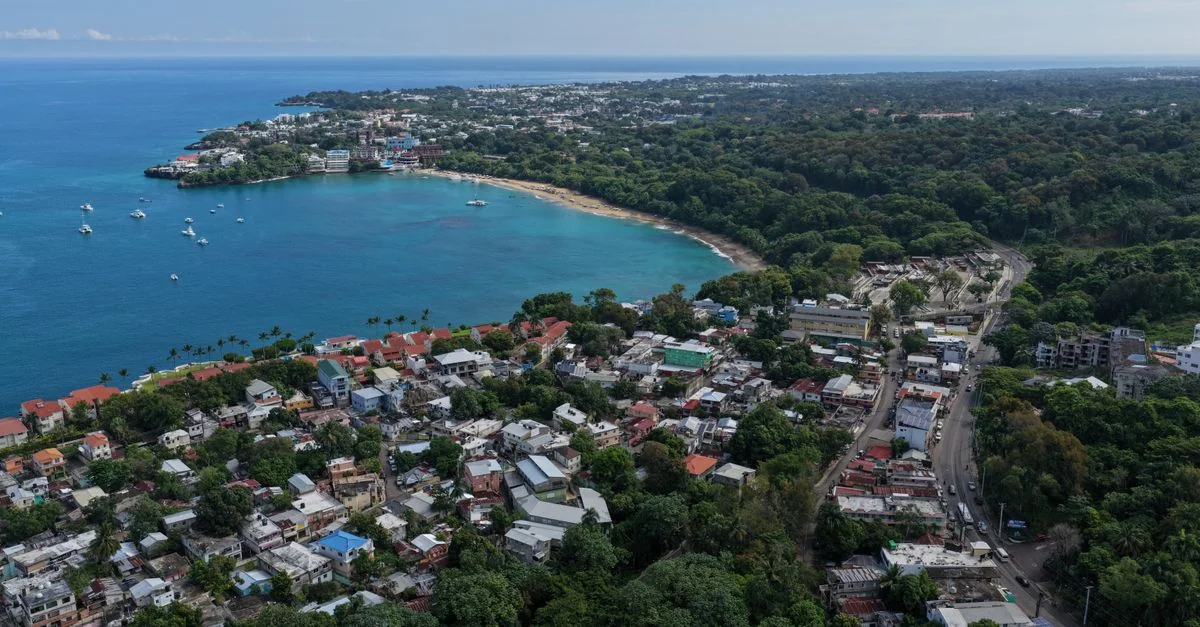
Planning a trip here requires balancing weather patterns against seasonal crowds and pricing trends. The dry season runs from December through April, bringing comfortable temperatures in the high seventies to low eighties and minimal rainfall. This window coincides with peak travel demand from the United States, meaning flights and accommodations command their highest rates, and popular coastal spots see significant visitor traffic. Booking several months in advance is essential for securing preferred dates during these winter and spring months.
The shoulder months of May, June, and November offer a practical compromise for budget-conscious travelers. While temperatures rise and afternoon rain showers become more frequent, visitor numbers drop noticeably, leading to better availability and competitive resort pricing. The official Atlantic hurricane season spans from June through November, with the highest risk of tropical storms occurring between August and October. Travelers visiting during these late summer and early autumn months should monitor weather forecasts closely and purchase practical travel insurance, though they will be rewarded with the lowest lodging rates of the year and uncrowded beaches.
Where to Stay in La Romana#
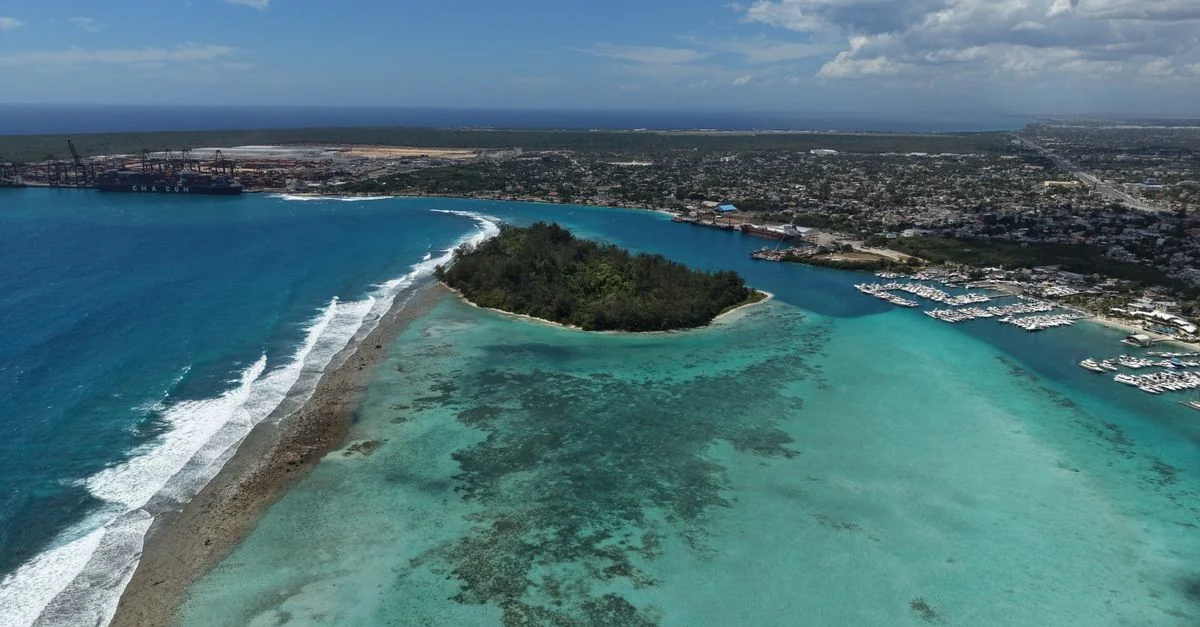
Choosing the right base depends entirely on your vacation style and budget, as the region divides neatly into distinct lodging zones. For travelers seeking complete seclusion, all-inclusive luxury compounds clustered along the eastern coastline offer self-contained environments with private beaches, marinas, and equestrian facilities. These properties cater to high-end visitors willing to pay premium nightly rates for guaranteed privacy, multiple dining venues, and dedicated concierge services.
Closer to the municipal center, mid-range coastal neighborhoods provide a more grounded experience for independent travelers. Guesthouses and boutique inns in these areas typically range from $80 to $150 per night, placing visitors within walking distance of local seafood shacks and public plazas. Renting a modest apartment or staying in a family-run property here allows you to observe daily Dominican life firsthand while keeping transportation costs manageable.
For budget-conscious visitors, staying slightly inland toward the city center reduces accommodation costs significantly, with simple rooms often available for under $60 per night. While these locations require a short taxi or public bus ride to reach the sand, they offer proximity to authentic neighborhood markets and affordable local eateries. This option suits adventurous travelers who prioritize cultural immersion and outdoor activities over luxury resort amenities.
Top Things to Do in La Romana#
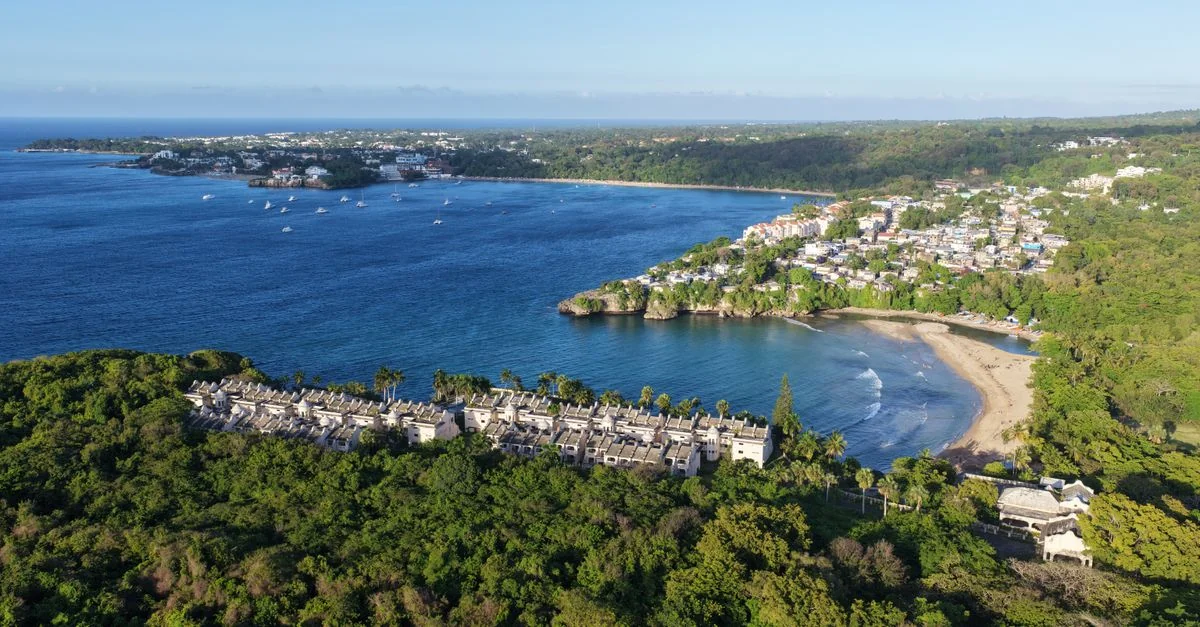
Visitors frequently begin their exploration at Altos de Chavón, a meticulously crafted replica of a sixteenth-century Mediterranean village perched high above the winding Chavón River. Cobblestone pathways wind past stone buildings housing artisan workshops, open-air cafes, and a striking Roman-style amphitheater that regularly hosts major international concert tours. Just a short walk from the central plaza, the Regional Museum of Archaeology displays an extensive collection of Taíno artifacts, offering deep insight into the island’s pre-Columbian inhabitants through well-preserved pottery, tools, and ceremonial objects.
Nature enthusiasts will want to venture off the coast to Isla Saona, a protected island sanctuary within the Parque Nacional del Este. Catamaran and speedboat excursions depart daily from the nearby fishing village of Bayahibe, carrying travelers across shallow, waist-deep turquoise waters where giant starfish rest on the white sandy bottom. On the mainland, the Cueva de las Maravillas provides an underground excursion through vast limestone chambers illuminated by subtle pathway lighting, revealing ancient wall paintings and petroglyphs created by the indigenous population centuries ago.
For those interested in local industry and agriculture, touring the Central Romana Corporation grounds offers a glimpse into the region’s economic backbone, while golf enthusiasts can test their skills on the Teeth of the Dog, a world-renowned championship course designed by Pete Dye that features several dramatic holes carved directly into the rugged coral coastline. Away from the manicured fairways, Playa Caleta presents a genuine slice of local beach culture where families gather on weekends to picnic under sea grape trees and sample fried plantains from beachside vendors. History and photography buffs should also seek out the abandoned sugar mill ruins scattered across the countryside near Guaymate, where tangled roots and weathering brick structures stand as quiet testaments to the region’s industrial past.
Food and Dining Guide#
The culinary landscape here is defined by hearty, flavorful ingredients rooted in Taíno, Spanish, and African traditions. Breakfast typically starts with Mangú, a comforting dish of boiled and mashed green plantains topped with pickled red onions and served alongside fried eggs, fried cheese, and salami. For lunch or dinner, the quintessential regional meal is La Bandera Dominicana, a balanced plate featuring white rice, stewed red beans, and tender braised chicken or beef, traditionally accompanied by crispy fried plantain slices known as tostones.
Seafood lovers will find exceptional options at casual beachside shacks where the catch of the day dictates the menu. Pescado con Coco, a rich fish fillet simmered in a savory coconut milk and tomato sauce, is a coastal specialty that pairs perfectly with a cold local beer. Another worth trying comfort food is Sancocho, a thick, slow-cooked stew containing up to seven varieties of meat paired with root vegetables and plantains, usually reserved for special family gatherings or cooler weekend afternoons.
When deciding where to eat, street food vendors and modest neighborhood cafeterias offer incredible value for traditional lunches, with plates often costing just a few dollars. Mid-range restaurants in the city center serve reliable versions of national classics in clean, air-conditioned dining rooms. For upscale dining, the resort marinas feature high-end establishments offering contemporary Caribbean fusion, fresh imported steaks, and extensive wine lists at international price points.
Getting Around La Romana#
Navigating the area efficiently requires understanding the local transit ecosystem, as options range from walkable zones to informal shared transport. Within the city center and specific resort complexes, walking is entirely feasible and safe during daylight hours. However, exploring the broader region or traveling between the municipal center, the river village, and the coastal piers necessitates motorized transport.
Public transportation primarily relies on guaguas, which are privately operated minibuses and vans that follow fixed routes along major highways and town roads. While exceptionally cheap, these vehicles can be crowded and lack route maps, making them better suited for adventurous travelers who speak basic Spanish. For greater convenience, official taxis are readily available outside major hotels, supermarkets, and the regional airport. Always negotiate and agree upon the fare with the driver before stepping into a taxi, as most do not use working meters.
Renting a car provides the ultimate freedom for travelers wishing to explore secluded beaches and inland agricultural roads at their own pace. Major international car rental agencies operate desks at the local airport and within the resort zones. Drivers should be prepared for aggressive local driving habits, occasional potholes, and unpredictable motorcycle traffic. Standard American driver’s licenses are accepted for short-term rentals, but purchasing local third-party liability insurance is mandatory.
Budget Breakdown#
Planning financial expectations for a trip to the Dominican Republic helps prevent unexpected expenses and ensures a smooth travel experience. For budget travelers staying in modest guesthouses, eating at local cafeterias, and utilizing public buses or shared minibuses, daily expenditures typically range from $40 to $80 per person. This economical approach allows independent explorers to experience authentic culture while keeping costs remarkably low.
Mid-range travelers can expect daily expenses between $150 and $300 per person. This tier covers comfortable three-star hotel accommodations or rental apartments, sit-down meals at casual restaurants, occasional taxi fares, and standard guided excursions like boat trips to offshore islands or archaeological park admissions. It represents a comfortable balance of convenience and independent exploration.
Luxury travelers staying in exclusive resort compounds, dining at high-end marina restaurants, booking private charters, and renting private vehicles should budget upwards of $500 per day. Premium accommodations, spa treatments, championship green fees, and personalized excursion packages quickly elevate total spending. Regardless of the chosen tier, carrying some local currency is essential, as many smaller shops and roadside food vendors do not accept credit cards.
Travel Tips for La Romana#
Cash and currency management requires a bit of preparation before leaving the United States. While US dollars are widely accepted in resorts and major tourist areas, paying with Dominican Pesos usually yields a better exchange rate at local stores and restaurants. ATMs are readily available in the city center, but carrying a mix of cash and a no-foreign-transaction-fee credit card ensures you are never stranded without payment options.
Sun protection is an absolute necessity due to the strong Caribbean ultraviolet index. The tropical sun can cause severe sunburns within minutes, even on overcast days. Pack high-SPF reef-safe sunscreen, wide-brimmed hats, and lightweight ultraviolet-protective clothing, especially if you plan to spend long days on catamarans or exploring open-air historical sites.
Tap water safety is a standard precaution throughout the Dominican Republic. Visitors should strictly avoid drinking municipal tap water or consuming drinks with ice made from tap water. Stick to bottled or purified water for drinking and brushing your teeth, which is standard practice in all hotels and restaurants catering to international visitors.
Language preparation enhances your interactions significantly outside the resort bubbles. While English is spoken fluently by staff at major hotels, tour companies, and upscale restaurants, Spanish is the primary language of the region. Learning a few polite phrases and basic numbers will earn you warm smiles from local residents and make navigating markets and taxis much smoother.
Tipping etiquette is appreciated for good service throughout the industry. Restaurants typically include a mandatory ten percent service charge on the bill, but leaving an additional five to ten percent in cash directly for the server is customary for exceptional service. Tipping tour guides, drivers, and resort housekeeping staff a few dollars daily shows gratitude for their hard work.
Personal security in La Romana is generally manageable with common-law awareness. Violent crime against tourists is rare, but opportunistic theft such as pickpocketing can occur in crowded public spaces and bus terminals. Keep expensive jewelry and large sums of cash secured in your hotel safe, remain aware of your surroundings after dark, and use official taxi services rather than hailing unmarked vehicles off the street at night.
📌 Disclaimer
Prices, schedules, tour details, flight routes, visa requirements, and all other information on this page are based on data at the time of writing. Fares, availability, and policies may change. Please verify current details on the official website before booking.