📌 Disclaimer
Prices, schedules, tour details, flight routes, visa requirements, and all other information on this page are based on data at the time of writing. Fares, availability, and policies may change. Please verify current details on the official website before booking.
Complete Travel Guide to La Fortuna: Top Attractions, Tips & Itinerary#
The smell of sulfur and damp earth hangs heavy in the air as you walk toward the base of the volcano, where the soil is a stark, charcoal gray. This small town sits in the shadow of a massive cone, and the constant humidity makes the rainforest greens look almost neon against the deep blue sky.
Why Visit La Fortuna?#
La Fortuna offers a concentrated dose of Costa Rica ’s natural power. While other regions focus solely on the beach or the cloud forest, this area provides a mix of volcanic activity, hot springs, and wildlife viewing all within a few square miles. It is the ideal spot for travelers who want a home base where they can experience high-altitude hiking in the morning and relax in mineral-rich waters by evening.
The town serves as a gateway to the Arenal Volcano, one of the most iconic landmarks in Central America. Beyond the peak, the surrounding landscape is a playground of hanging bridges and rushing rivers. For American travelers, it provides a manageable introduction to the tropics, with a well-developed infrastructure that makes it easy to navigate without needing to be a seasoned wilderness expert.
Best Time to Visit La Fortuna#
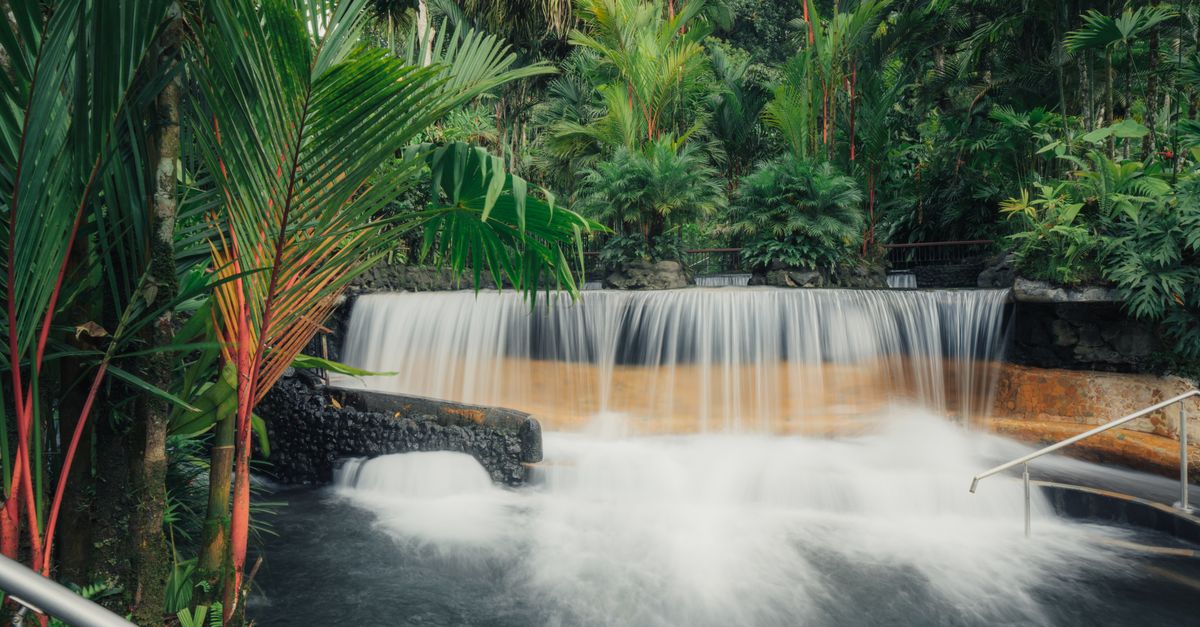
The dry season runs from December to April, which is when most visitors arrive. During these months, you will find the most sunshine and the easiest hiking conditions, but this also means the highest prices for lodging and more crowds at the main attractions. January and February are typically the peak of this window, offering the most reliable weather for outdoor activities.
The green season, spanning May to November, brings frequent rain, often in the form of heavy afternoon downpours. While the rain can disrupt a hiking schedule, it turns the landscape a deep, lush green and significantly lowers the cost of hotels. September and October are the wettest months, often seeing persistent rain that can make some dirt roads muddy. Traveling during these shoulder months allows for a quieter experience and better deals on guided tours.
Where to Stay in La Fortuna#
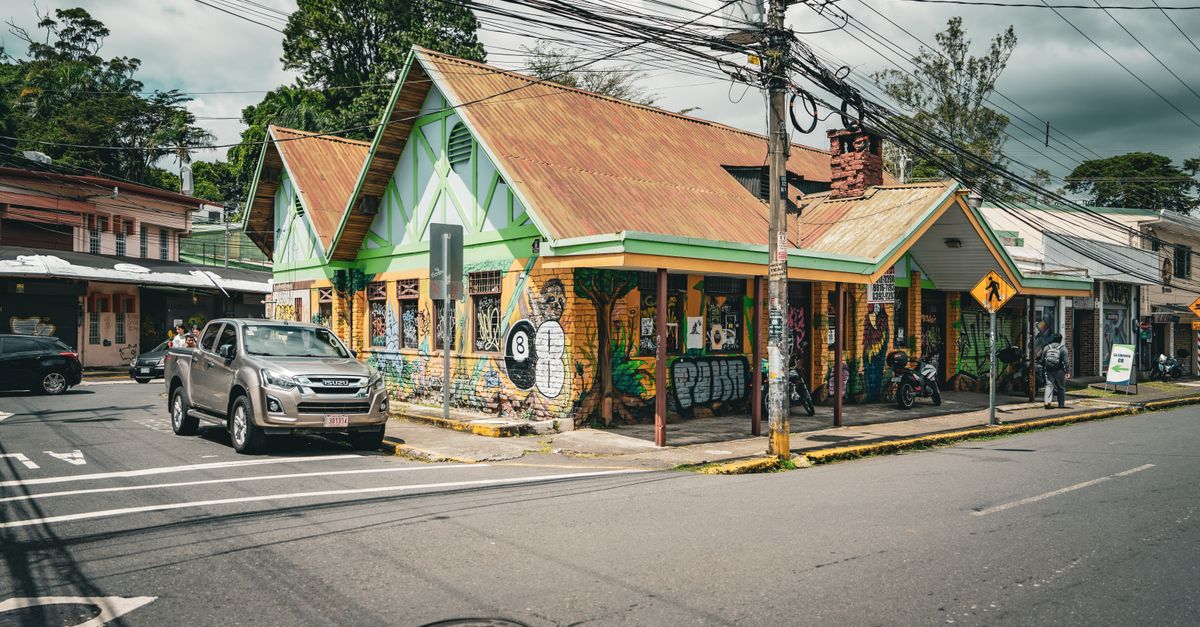
For those who want to be in the center of the action, staying in the town center is the most practical choice. This area is ideal for budget travelers who prefer walking to dinner or shopping for supplies. You will find a high concentration of small guesthouses and hostels here, where prices are generally the lowest in the region.
If you prefer a more serene environment, look for lodging on the outskirts of town toward the volcano. This area caters to mid-range travelers and often features cabins or small lodges tucked into the forest. These properties provide a more authentic nature experience, though you will likely need a vehicle or a taxi to get into town for meals.
For a luxury experience, the areas surrounding the hot spring resorts offer high-end villas and suites. These properties often include direct access to thermal pools and sprawling gardens. These stays are more expensive but provide a secluded atmosphere far from the noise of the main road, making them perfect for couples or those seeking a slower pace.
Top Things to Do in La Fortuna#
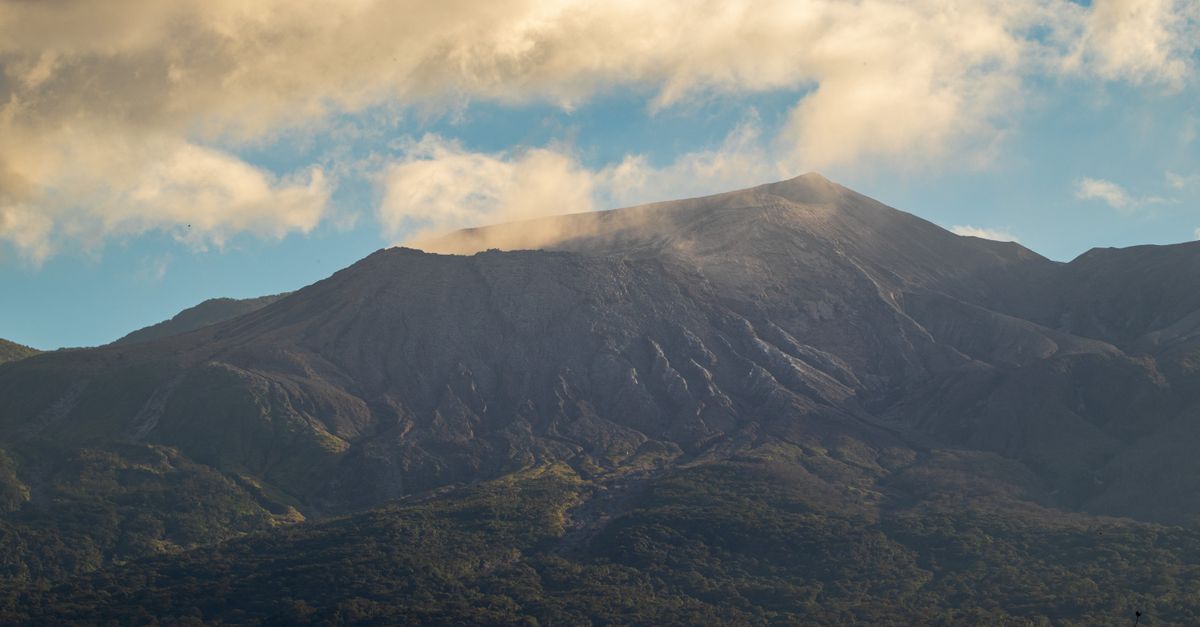
The most iconic experience is visiting the Arenal Volcano National Park, where you can hike over old lava flows and see the massive silhouette of the volcano. For a different perspective on the canopy, the Mistico Hanging Bridges allow you to walk high above the forest floor, providing a bird’s-eye view of monkeys and tropical birds. If you prefer the water, La Fortuna Waterfall is worth visiting; the descent involves hundreds of steps, but the reward is a powerful plunge pool perfect for swimming.
To relax, spend an afternoon at the Tabacón Hot Springs or other thermal river sites where volcanic heat warms the water naturally. For those seeking a bit more movement, Lake Arenal offers great opportunities for kayaking or paddleboarding with the volcano as a backdrop. If you want to see the local wildlife without a long hike, the Peñas Blancas River is excellent for a safari float, where a guide can spot sloths and iguanas from a raft.
For a more active day, try Canyoning, which involves rappelling down waterfalls in the middle of the jungle. If you prefer something slower, a visit to the Don Juan Organic Farm provides a look at sustainable agriculture and how local coffee and cocoa are produced. Finally, the Arenal Observatory Lodge offers some of the best views of the volcano and a great trail system for those who want to avoid the main park crowds.
Food and Dining Guide#
Dining in La Fortuna is a mix of traditional Costa Rican “sodas”—small, family-run eateries—and more upscale international restaurants. The most essential meal to try is the Casado, a hearty plate featuring rice, beans, salad, plantains, and a choice of protein like grilled fish or chicken. It is the staple lunch for locals and travelers alike and is the most budget-friendly way to eat.
For breakfast, look for Gallo Pinto, a savory mix of rice and beans seasoned with peppers and onions, usually served with eggs and a slice of fried cheese. If you are looking for a snack, try a Vigorón, which consists of boiled yuca, cabbage salad, and pork rinds served on a banana leaf. For dessert, Arroz con Leche is a creamy rice pudding that is commonly found in the smaller cafes.
Street food is prevalent near the town center, where you can find fresh fruit smoothies and fried plantains. While the higher-end restaurants offer great views of the volcano and more diverse menus, the sodas provide the most authentic taste of the region. Most places serve a complimentary cup of local coffee, which is grown in the surrounding highlands and is a highlight of any meal.
Getting Around La Fortuna#
Walking is a viable option if you stay in the town center, as most shops and restaurants are clustered together. However, the terrain becomes hilly and the roads less pedestrian-friendly as you move toward the volcano. Taxis are plentiful and are the most common way for visitors to get to the national park or the hot springs. They are generally affordable and drivers are familiar with all the major tourist spots.
Renting a car is the best choice for those who want total flexibility. A 4x4 vehicle is highly recommended, especially if you plan to visit during the green season, as some roads to the waterfalls and lodges can become muddy and rough. Public transit in the form of buses exists, but it is slower and requires more planning, making it a better option for budget travelers who are not on a tight schedule.
Shuttles are also available for those arriving from San José or heading toward Manuel Antonio. These shared vans are a comfortable middle ground between a public bus and a private driver, though they operate on fixed schedules.
Budget Breakdown#
Budget travelers can expect to spend between $40 and $70 per day. This typically includes staying in a hostel or basic guesthouse, eating primarily at sodas, and choosing one or two low-cost activities like hiking the free trails or visiting a public beach. Transport is mostly handled via walking or the occasional shared shuttle.
Mid-range travelers usually spend between $120 and $200 per day. This budget covers a private room in a lodge, a mix of soda meals and sit-down restaurants, and a couple of guided tours per day. This tier also usually includes a rental car or frequent taxi use to reach the more distant attractions.
Luxury travelers often spend $350 or more per day. This includes stays at high-end resorts with inclusive hot spring access, private guided tours, and fine dining. Transport is typically handled via private drivers or a high-end 4x4 rental, and activities often include private charters or exclusive excursions.
Travel Tips for La Fortuna#
Packing for weather is the most important preparation. Even in the dry season, the rainforest is unpredictable. Bring a lightweight, breathable rain jacket and waterproof hiking boots. Avoid bringing heavy cotton clothes, as they take forever to dry in the humidity. A dry bag for your electronics is also a smart move when visiting waterfalls or rafting.
Staying hydrated is key, but be mindful of the water. While many hotels have filtered systems, it is generally safer to stick to bottled water or use a personal filtration bottle when exploring the outskirts of town. Electrolyte packets are helpful after a long day of hiking in the tropical heat.
Managing your cash requires a bit of planning. While many hotels and larger restaurants accept credit cards, the small sodas and local craft markets operate almost exclusively on cash. There are ATMs in the town center, but they can occasionally run out of money or have long lines, so carry a backup supply of Colones.
Respecting wildlife means keeping your distance. You will see plenty of monkeys and sloths, but avoid feeding them or using flash photography. Hiring a certified guide is the best way to spot animals, as they have the telescopes and the knowledge to find creatures that are perfectly camouflaged in the canopy.
Sun protection is non-negotiable. The sun at this altitude is stronger than it feels because of the breeze. Use a biodegradable sunscreen to protect the delicate ecosystems of the hot springs and rivers, and always carry a hat to avoid heatstroke during midday hikes.
Timing your visits to popular spots can save you hours of waiting. The most famous waterfalls and bridges get crowded by 10:00 AM. Try to arrive at the gates as soon as they open at 7:00 or 8:00 AM to enjoy the peace of the forest before the tour buses arrive.
📌 Disclaimer
Prices, schedules, tour details, flight routes, visa requirements, and all other information on this page are based on data at the time of writing. Fares, availability, and policies may change. Please verify current details on the official website before booking.
📌 More about La Fortuna