📌 Disclaimer
Prices, schedules, tour details, flight routes, visa requirements, and all other information on this page are based on data at the time of writing. Fares, availability, and policies may change. Please verify current details on the official website before booking.
Why Visit Kuching?#
The humid air on the riverbank carries the scent of woodsmoke, diesel engines, and boiling laksa paste, signaling your arrival in Borneo’s most relaxed city. Locals sip thick Kopi O at roadside kopitiams while longtail boats putter past concrete jetties, creating small wakes that lap against the concrete promenade. This capital of Sarawak offers a distinct alternative to the hyper-modern skyline of Kuala Lumpur, maintaining a slower pace defined by colonial-era shophouses, morning markets, and immediate access to the rainforest.
Beyond the urban center, the landscape shifts dramatically toward dense jungle and limestone cave systems. You can spend your morning browsing stalls selling wild jungle ferns and hand-woven baskets, and your afternoon watching semi-wild orangutans swing through a protected canopy just outside town. The city’s unique demographic makeup—comprising Malay, Chinese, Iban, Bidayuh, and various other indigenous groups—creates an atmosphere where ancient traditions and contemporary lifestyles coexist without friction.
For American travelers seeking Southeast Asia without the overwhelming tourist infrastructure of Thailand or Bali, this destination provides an authentic introduction to Malaysian Borneo. English is spoken widely, street food is exceptionally affordable and hygienic, and the city serves as a comfortable base camp for deeper wilderness expeditions. Whether you prefer nursing a cold beer while watching the sunset over the Sarawak River or tracking proboscis monkeys through mangrove channels, the city delivers genuine experiences with minimal hassle.
Best Time to Visit Kuching#
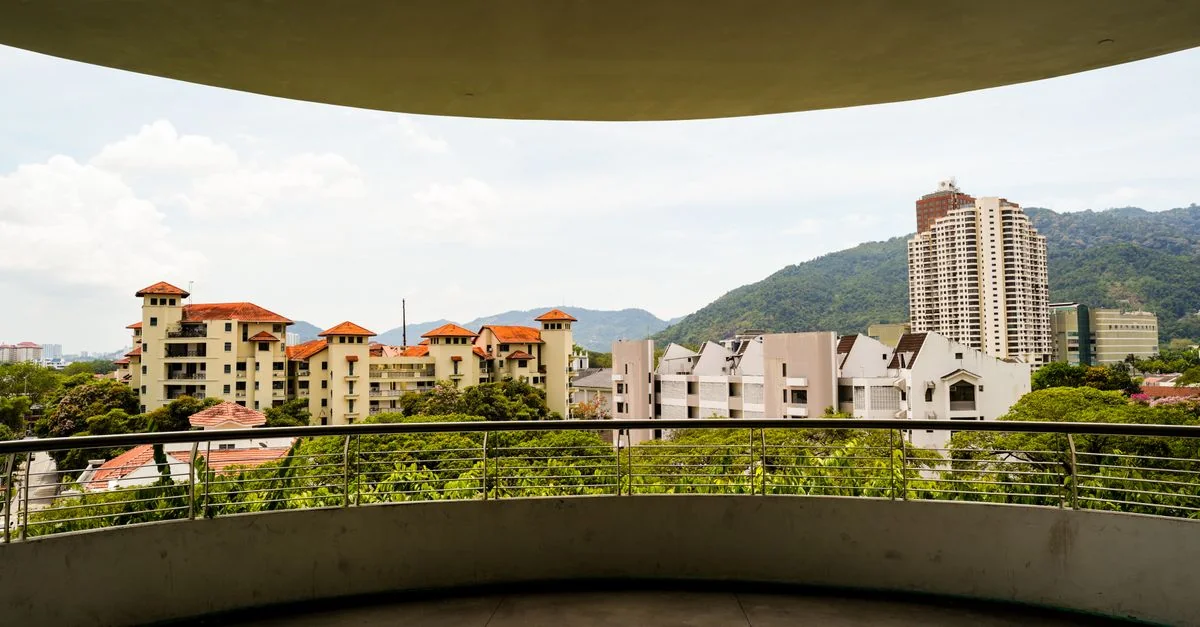
Planning a trip here requires understanding Borneo’s tropical monsoon cycle, which dictates outdoor access and river conditions. The dry season generally runs from April to October, bringing the most reliable weather for trekking in national parks and exploring the riverfront. During these months, afternoon downpours still occur, but they tend to be brief, heavy thunderstorms that clear the air rather than all-day washouts. July and August bring slightly higher visitor numbers due to school holidays in Malaysia and international summer travel, but the city never feels unmanageable compared to major tourist hubs in neighboring countries.
The northeast monsoon brings heavier, more sustained rainfall from November to March, with January often seeing the highest precipitation levels. While traveling during the wet season means lower accommodation rates and fewer tourists at major sites, certain jungle trails may close due to flash flood risks or muddy conditions. If you plan to spend significant time hiking in Bako National Park or visiting wildlife rehabilitation centers, aiming for the drier months between May and September ensures more favorable trail conditions and better visibility for wildlife spotting.
Where to Stay in Kuching#
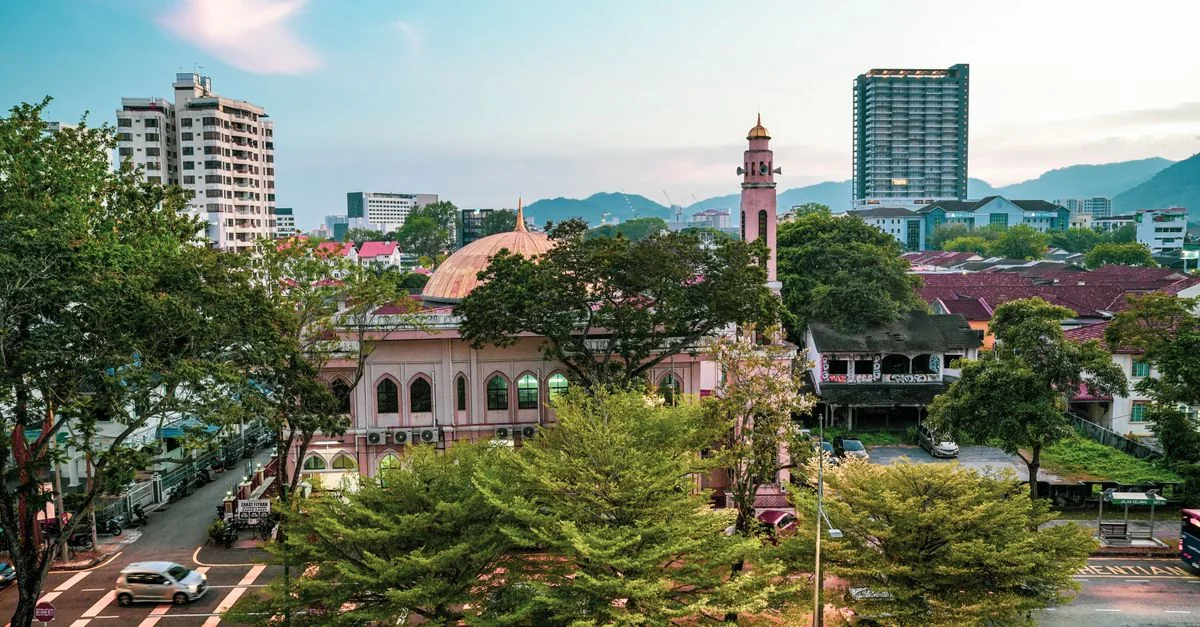
Choosing a base depends entirely on how you want to experience the city. The Waterfront Area places you within walking distance of the Sarawak River, historic temples, and countless dining options. This central district features mid-range boutique properties carved into heritage shophouses, offering high ceilings and traditional architectural details alongside modern comforts. Budget travelers will find numerous guesthouses and backpacker hostels here, while luxury seekers can secure modern riverside hotels with rooftop pools overlooking the Astana and the modern State Legislative Assembly building.
Just behind the riverfront lies Main Bazaar and Carpenter Street, a historic commercial district characterized by narrow lanes, traditional medicine shops, and artisan workshops. Staying here puts you steps away from morning noodle stalls and evening barbecue vendors. Accommodations in this pocket lean toward budget and mid-range boutique stays, often featuring interior courtyards and minimalist design that respects the historical neighborhood fabric.
For a quieter, more residential experience, the Padungan district sits a short walk east of the center, marked by a giant concrete cat statue at its main intersection. This neighborhood is famous for its shophouse architecture, mural art, and exceptional coffee shops. Hotels here cater primarily to mid-range budgets, offering spacious rooms and easy access to local eateries that see fewer international tourists. Travelers looking for upscale resort-style properties with sprawling gardens and swimming pools will find larger international-style hotels located slightly further out along the southern bypass roads, requiring a short taxi ride to reach the historical core.
Top Things to Do in Kuching#
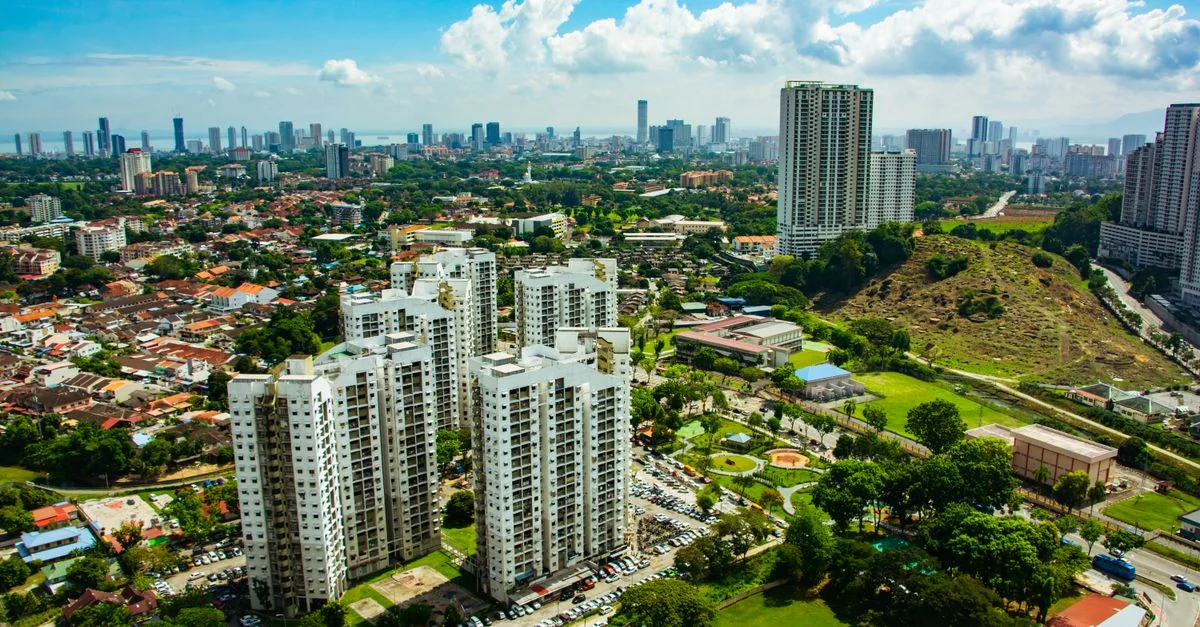
The city centers around the Kuching Waterfront, a paved esplanade that stretches along the southern bank of the Sarawak River. Evening strolls here are a local ritual, where families buy ice cream from roving vendors and musicians play acoustic guitars beneath the shade of Angsana trees. From here, you can catch a wooden tambok water taxi across the river for a nominal fare to explore the Malay villages on the north bank, where traditional wooden stilt houses stand among fruit orchards.
Dominating the waterfront landscape is the Sarawak Museum, one of the oldest museums in Southeast Asia, which houses extensive ethnographic collections detailing the region’s indigenous communities. Nearby, the Chinese History Museum occupies a charming colonial-era building that chronicles the arrival and integration of early Chinese immigrants who shaped the local economy. Walking down Carpenter Street, you will pass the Ornate Tua Pek Kong Temple, the city’s oldest Chinese temple, where curling incense sticks burn continuously inside a heavily ornamented courtyard.
Nature is never far away, and Bako National Park is an absolute worth visiting destination, located about an hour’s drive and a short boat ride from the city. The park protects a peninsula of rugged sandstone cliffs, mangrove swamps, and lowland rainforest where you can spot rare proboscis monkeys, silver leaf langurs, and pitcher plants growing wild along the sandy trails. For a closer encounter with endangered apes, the Semenggoh Wildlife Centre operates a successful rehabilitation program where semi-wild orangutans return to designated feeding platforms twice a day for supplementary meals of fruit.
History buffs should venture slightly outside the center to visit Fort Margherita, built by the White Rajahs in the nineteenth century to protect the river approach from pirates. The fort now houses a police museum detailing the turbulent eras of Brooke rule and Japanese occupation during the Second World War. For a more leisurely afternoon, the Kuching Cat Museum provides a quirky look at the city’s feline obsession, celebrating the local namesake through thousands of cat-related artifacts, statues, and pop culture exhibits.
Food and Dining Guide#
The local culinary landscape is heavily influenced by Chinese, Malay, and indigenous traditions, resulting in flavor profiles you will not find anywhere else in Malaysia. Breakfast is a serious affair, best experienced at a traditional coffee shop where you should order a bowl of Laksa Sarawak, a complex noodle dish featuring a spiced coconut milk and shrimp-paste broth, topped with shredded chicken, omelet strips, bean sprouts, and fresh lime. The broth achieves its distinct depth from a homemade paste known as bumbu, which combines lemongrass, galangal, tamarind, and chili.
Another morning essential is Kolo Mee, springy egg noodles tossed in a savory mix of lard, shallot oil, and light soy sauce, topped with char siu pork slices and minced meat. For dinner, seek out stalls serving Tomato Mee, crispy yellow noodles smothered in a sweet and savory tomato-based gravy with seafood or chicken, or try Manicai, a wild jungle vegetable stir-fried with eggs or garlic. Street food stalls clustered around Carpenter Street and the Open Air Market offer unbeatable prices and incredible variety, while air-conditioned restaurants along the waterfront serve larger sharing plates of fresh river prawns and steamed fish prepared in ginger and soy.
Getting Around Kuching#
Navigating the city requires a mix of walking, river crossings, and ridesharing apps, as traditional public bus networks are limited and difficult for visitors to decode. The historic center is remarkably pedestrian-friendly, with shaded walkways and relatively flat terrain allowing you to explore the waterfront, museums, and shophouse districts entirely on foot. To cross the river, traditional wooden tambok boats operate continuously from various points along the esplanade, functioning as cheap, functional ferries that double as a scenic experience.
For destinations outside the immediate center, such as the Semenggoh Wildlife Centre or outlying shopping malls, ridesharing applications are widely available, highly reliable, and inexpensive. Downloading the regional ridesharing app before arrival ensures transparent pricing without the need to negotiate fares with drivers. Traditional metered taxis are also stationed outside major hotels and shopping centers, though agreeing on a fare or ensuring the meter is running before departure is standard practice. Renting a car is generally unnecessary unless you plan on taking extensive independent road trips deep into rural Sarawak, as organized tours or rideshares handle most longer-distance journeys efficiently.
Budget Breakdown#
Travel expenses here remain refreshingly modest compared to North America or Europe , making it an excellent destination for budget-conscious explorers. For budget travelers staying in hostel dormitories or basic guesthouses, eating exclusively at street stalls and local coffee shops, and using rideshares sparingly, daily expenses typically range from $30 to $50 USD. This covers simple accommodations, three filling local meals, and entry fees to affordable municipal museums.
Mid-range travelers can expect to spend between $80 and $150 USD per day. This budget easily secures a comfortable, air-conditioned boutique hotel room in a heritage shophouse, meals at sit-down air-conditioned restaurants with occasional craft beers or specialty coffees, and guided day trips to national parks or wildlife centers. Private transport and admission to specialized conservation areas fit comfortably within this tier.
For those seeking luxury travel, daily budgets start around $250 USD and scale upward. This tier unlocks upscale resort properties with river views, private chartered river cruises, fine-dining establishments featuring modern interpretations of Bornean cuisine, and private guided excursions with dedicated naturalists into remote national parks. Even at the highest tier, luxury here offers exceptional value relative to the quality of service and exclusivity of the wildlife encounters.
Travel Tips for Kuching#
Cultural Etiquette is important when visiting traditional longhouses or rural indigenous communities outside the city. Always remove your shoes before entering someone’s home or a place of worship, and ask permission before photographing local residents, particularly elderly individuals in traditional attire.
Cash and Currency management requires a bit of foresight, as while major hotels and larger restaurants accept credit cards, many street food stalls, river taxis, and craft markets operate on cash only. ATMs are abundant in the city center, but carrying sufficient Malaysian Ringgit is essential before heading out on day trips to remote national parks like Bako.
Tropical Weather Preparation will make or break your daily excursions. Always pack a lightweight raincoat or compact umbrella, as afternoon downpours arrive with little warning. High humidity means light, breathable fabrics are essential, and wearing sturdy, quick-drying footwear is necessary for navigating muddy rainforest trails.
Insect Protection is non-negotiable in Borneo’s tropical climate. Bring a strong insect repellent containing DEET or picaridin, especially when visiting forested areas, national parks, or wetlands, to protect against mosquitoes and other biting insects.
Drinking Water safety standards mean that tap water is not safe for consumption without boiling. Stick to bottled water, which is inexpensive and widely available, or use a filtered water bottle throughout your stay. Ice served in reputable restaurants and coffee shops is generally made from commercially purified factory ice, but exercising caution with street-side fruit juices containing loose ice is advisable for sensitive stomachs.
📌 Disclaimer
Prices, schedules, tour details, flight routes, visa requirements, and all other information on this page are based on data at the time of writing. Fares, availability, and policies may change. Please verify current details on the official website before booking.
📌 More about Kuching