📌 Disclaimer
Prices, schedules, tour details, flight routes, visa requirements, and all other information on this page are based on data at the time of writing. Fares, availability, and policies may change. Please verify current details on the official website before booking.
Why Visit Kralendijk?#
The scent of salt spray hits you the moment you step off the plane, carrying the dry, warm promise of a desert island surrounded by a protected marine park. Kralendijk, the main town on the island of Bonaire , feels less like a typical Caribbean resort town and more like a quiet, sun-bleached outpost where the pace is dictated by the tide rather than a clock. It is a place for people who prefer the sound of wind through cactus needles to the hum of a crowded boardwalk.
What sets this destination apart is the singular focus on the water. Because the entire coastline is a protected marine reserve, the reefs remain in exceptional condition, accessible right from the shore. You do not need a boat to reach top-quality snorkeling or diving locations; you simply walk off the sand, put on your mask, and find yourself hovering over coral heads teeming with parrotfish and sea turtles. On land, the town maintains a low-key, Dutch-Caribbean aesthetic with pastel-colored buildings and a relaxed attitude that makes it easy to feel like a resident rather than a visitor.
Best Time to Visit Kralendijk#
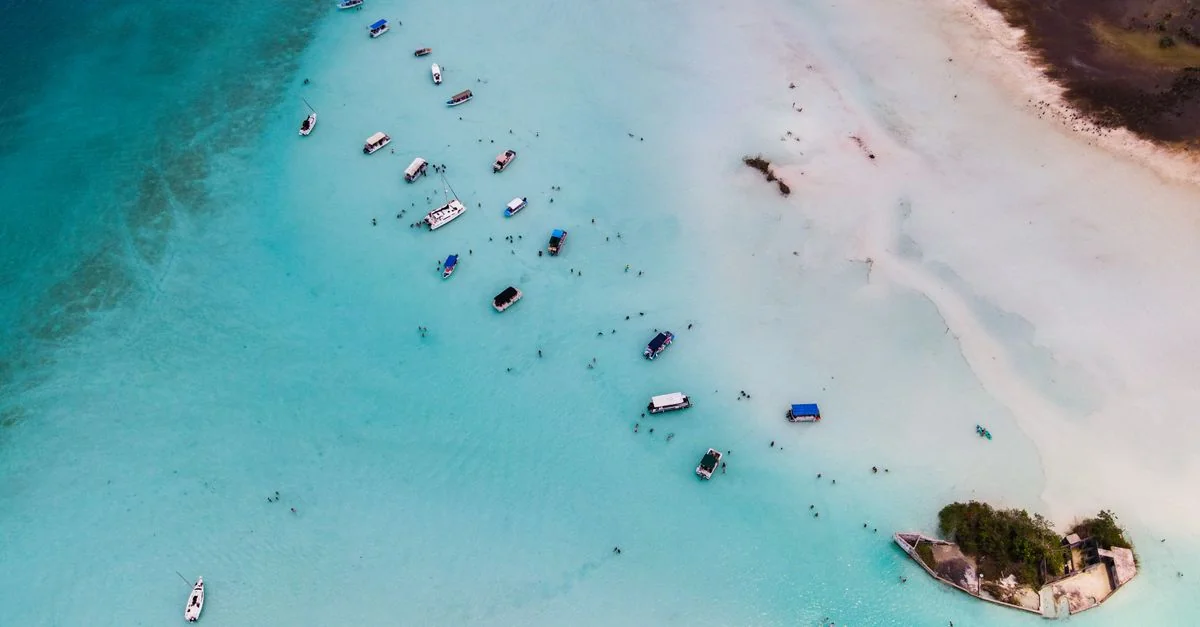
The weather in Bonaire is remarkably consistent, but your experience will shift depending on the trade winds and the occasional rain showers. The peak season for American travelers runs from December through April. During these months, the weather is dry and the trade winds provide a constant, cooling breeze that makes the heat manageable. Expect higher prices and more fellow travelers during this window, particularly around the winter holidays and spring break. If you plan to visit during this time, booking your rental vehicle and accommodation well in advance is essential.
For those looking for lower prices and quieter streets, the shoulder months of May and June offer a sweet spot. The winds begin to die down, making the water surface calmer for snorkeling, and the crowds thin out significantly. July through October brings warmer water temperatures and less wind, though this is the period when you might encounter short, refreshing afternoon showers. While the island is technically outside the main hurricane belt, travelers should still monitor weather reports during these months. November signals the start of the rainy season, which usually consists of brief, heavy downpours that pass quickly, leaving the island looking greener than it does during the arid summer months.
Where to Stay in Kralendijk#
Choosing where to stay depends on whether you prioritize proximity to the water or access to the town center. The Waterfront area is the heartbeat of the island. Staying here puts you within walking distance of the main pier, the grocery stores, and the majority of the town’s dining establishments. Accommodations here range from modern, upscale apartments with balconies overlooking the Caribbean Sea to mid-range boutique properties that focus on a minimalist, functional aesthetic. This is the best choice if you prefer to walk to dinner and enjoy the evening atmosphere without needing a vehicle for every outing.
If you prefer a quieter environment, the Southern Coast area toward the salt pans offers a more secluded atmosphere. You will find luxury villas and expansive resorts here that cater specifically to divers and those seeking privacy. These properties often feature their own private docks or beach access, making them ideal for people who plan to spend their entire day in the water. The trade-off is the distance from town, which necessitates a rental vehicle for grocery runs or evening outings.
For a more local experience, the Belnem neighborhood is a popular choice for mid-range travelers. Located slightly south of the airport, this residential area is filled with vacation homes and small, family-run guesthouses. It offers a balance between quiet surroundings and easy access to the southern diving sites. Staying here provides a more authentic look at island life, as you will be living among residents rather than in a concentrated tourist zone. You will find options ranging from modest, budget-friendly studios to larger, fully equipped homes suitable for families or groups.
Top Things to Do in Kralendijk#
The most iconic activity in the area is exploring the Bonaire National Marine Park. Because the reefs are strictly protected, the diversity of marine life is staggering. You can spend days moving from one shore-accessible site to another, observing schools of blue tangs and occasional eagle rays. For those who prefer to stay on the surface, the Salt Pier offers a unique opportunity to swim among massive iron pillars that have become encrusted with corals and sponges, attracting a variety of juvenile fish.
A short drive north of town takes you to the Washington Slagbaai National Park. This rugged, arid landscape is a sharp contrast to the blue water. You can drive the loop through the park to see giant cacti, wild goats, and hidden beaches where the waves crash against limestone cliffs. It is a place to experience the raw, untamed side of the island. On your way back, stop at the Seru Largu lookout point. From this elevation, you can see the entire span of Kralendijk and the neighboring island of Klein Bonaire. It is particularly striking at sunset when the sky turns deep shades of orange and purple.
For a change of pace, take a water taxi to Klein Bonaire. This uninhabited island is a short boat ride away and features pristine white sand beaches and shallow reefs that are perfect for a full day of swimming. It is a quiet, undeveloped sanctuary that feels worlds away from the town. Back on the mainland, visit the Pekelmeer Flamingo Sanctuary on the southern end of the island. While you cannot enter the sanctuary itself, the road passing by offers clear views of the salt flats where thousands of flamingos congregate. The sight of these bright pink birds against the stark white salt mounds is a defining image of the island.
If you are interested in the island’s history, the Salt Pans and Slave Huts serve as a somber reminder of the colonial past. These small, white and orange structures along the coast are preserved as historical landmarks and provide context to the island’s development. For a more active afternoon, visit the Lac Bay area. Even if you do not participate in windsurfing, watching the experts navigate the shallow, turquoise waters of the bay is a spectacle in itself. The water here is incredibly shallow and warm, making it a favorite spot for families and those looking to relax in the shallows with a drink in hand.
Food and Dining Guide#
The food scene in Kralendijk is a blend of Dutch influence and Caribbean flavors, with a heavy emphasis on fresh seafood. You will find that most restaurants cater to a relaxed, outdoor dining experience. A worth trying dish is Funchi, a cornmeal-based side dish similar to polenta that is often served fried or boiled. It is a staple of the local diet and pairs perfectly with fresh fish. Another local favorite is Stoba, a slow-cooked meat stew, often made with goat, which reflects the island’s traditional cooking methods.
For seafood lovers, Fresh Catch of the Day is always the most reliable choice. Whether it is wahoo, mahi-mahi, or snapper, you can be sure it was pulled from the surrounding waters that morning. Do not miss Pastechi, a savory pastry filled with meat, cheese, or vegetables. These are the ultimate local snack and can be found at small bakeries throughout the town. They are perfect for grabbing on your way to a morning of diving.
Dining ranges from casual beachside kiosks where you can eat with your feet in the sand to more formal establishments overlooking the harbor. If you want to eat like a local, look for the smaller, family-run spots tucked away from the main waterfront road. These locations often feature daily specials that utilize whatever ingredients are currently available. For a quick lunch, the food trucks and small snack shacks near the central market offer excellent value and a chance to sample authentic island snacks without the formalities of a sit-down restaurant.
Getting Around Kralendijk#
The most practical way to explore the island is by renting a vehicle. Because the best snorkeling and diving spots are spread out along the coastline, relying on taxis or public transport is difficult and often expensive. A pickup truck is the standard choice for most travelers, as it provides plenty of room for dive gear and handles the rugged roads of the national park with ease. Rental agencies are conveniently located near the airport, and booking well in advance is highly recommended, especially during the peak winter months.
Walking is a viable option if you are staying in the town center and plan to spend your time near the shops and restaurants. The town is compact and easily navigable on foot. However, once you venture outside the town limits, the roads lack sidewalks and the heat can be intense, making a vehicle necessary for any significant travel. Taxis are available for airport transfers or occasional trips, but they do not operate on a fixed schedule and should be arranged through your accommodation. There is no reliable public bus system for tourists, so plan your logistics around having your own set of wheels for the duration of your stay.
Budget Breakdown#
Kralendijk caters to a wide range of budgets, though it is generally considered a mid-range to premium destination due to the cost of importing goods. For budget travelers, staying in a small guesthouse or studio apartment outside the main waterfront area, cooking most of your own meals, and focusing on shore-based snorkeling will keep costs manageable. You will spend the bulk of your budget on your rental vehicle and fuel.
Mid-range travelers can expect to stay in comfortable, well-appointed apartments or boutique hotels. This tier allows for a mix of cooking at home and dining out at local restaurants, as well as occasional organized boat trips or guided excursions. You will have more flexibility in your choice of vehicle and can enjoy the various amenities offered by local beach clubs and cafes.
Luxury travelers will find high-end villas and resorts that offer full-service experiences, including private docks, concierge services, and fine dining. Costs at this level include premium vehicle rentals, private guided diving or snorkeling tours, and daily dining at the island’s top-tier restaurants. Regardless of your budget, remember that the island’s primary attraction—the marine life—is accessible for free from the shore, provided you have your own gear and the necessary marine park tag.
Travel Tips for Kralendijk#
Marine Park Tag is the most important item to secure upon arrival. Every person who enters the water in Bonaire must purchase a nature fee tag. This fee goes directly toward the conservation of the reefs. You can purchase this online before you arrive or at most dive shops on the island. Keep the tag with you whenever you are near the water, as rangers may check for it.
Sun Protection is non-negotiable. The combination of the tropical sun and the reflective glare from the white limestone and water makes sunburn a significant risk. Use reef-safe sunscreen to protect both your skin and the coral. Because the island is quite arid, you should also carry more water than you think you need, especially if you are spending your days in the national park or out in the sun.
Footwear is essential for entering the water. Most of the shoreline in Bonaire is rocky or composed of coral rubble rather than soft sand. Investing in a pair of sturdy water shoes or diving booties will save your feet from sharp rocks and sea urchins. Do not attempt to walk into the water barefoot, even at designated beach areas.
Respect the Reef by practicing careful buoyancy and never touching the coral. The marine park is incredibly fragile, and even a light touch can damage years of growth. When snorkeling, keep your fins away from the bottom and avoid stirring up sediment. If you are a diver, ensure your equipment is streamlined so that nothing drags along the reef.
Island Time is a real concept here. Things move slower in Kralendijk, and service in restaurants or shops might not be as fast as you are accustomed to in the United States . Embrace the pace rather than fighting it. If you have an important appointment or a flight to catch, give yourself plenty of extra time to account for the relaxed nature of the local culture.
Grocery Shopping is best done at the larger supermarkets in town. If you are staying in a vacation rental, stock up on basics like water, snacks, and breakfast items early in your trip. Some items can be pricey due to importation, but the selection is generally good. Check the expiration dates and labels, as you will see a mix of products from the Netherlands , South America, and the United States.
Driving Etiquette is generally polite, but be aware of the narrow roads and the presence of wild donkeys and goats. These animals often wander onto the road, especially in the northern part of the island. Always drive slowly, keep your eyes on the shoulders, and never honk at the animals. They have the right of way, and a collision can cause significant damage to your vehicle and harm to the wildlife.
📌 Disclaimer
Prices, schedules, tour details, flight routes, visa requirements, and all other information on this page are based on data at the time of writing. Fares, availability, and policies may change. Please verify current details on the official website before booking.
📌 More about Kralendijk