📌 Disclaimer
Prices, schedules, tour details, flight routes, visa requirements, and all other information on this page are based on data at the time of writing. Fares, availability, and policies may change. Please verify current details on the official website before booking.
Why Visit Kota Kinabalu?#
The sharp tang of grilled squid and diesel exhaust hangs heavy in the humid air as fishing boats idle against the concrete docks, their wooden hulls groaning with the tide. This coastal capital of Sabah, tucked into the northern edge of Borneo, offers American travelers a striking departure from standard Southeast Asian itineraries. Instead of ancient temples or endless mega-cities, visitors encounter a frontier city where modern Malaysian infrastructure collides directly with untamed rainforests and the South China Sea.
Mount Kinabalu, Southeast Asia ’s highest peak outside the Himalayas, dominates the eastern skyline, casting a long shadow over the urban sprawl. Travelers arrive here seeking a specific balance: the comfort of waterfront cafes and air-conditioned shopping malls paired with immediate access to orangutans, coral reefs, and jagged limestone peaks. The pace of life moves slower than Kuala Lumpur , shaped by island time and the rhythms of local fishing communities who have worked these waters for generations.
Beyond the immediate city limits, Borneo’s legendary biodiversity opens up without requiring hours of arduous travel. Mangroves glowing with fireflies sit a short drive from downtown, and marine parks featuring coral gardens and white-sand beaches begin just fifteen minutes off the coast by speedboat. For travelers making the long journey from the United States , this destination delivers raw nature paired with straightforward logistics, making it an accessible gateway to the wilds of Malaysian Borneo.
Best Time to Visit Kota Kinabalu#
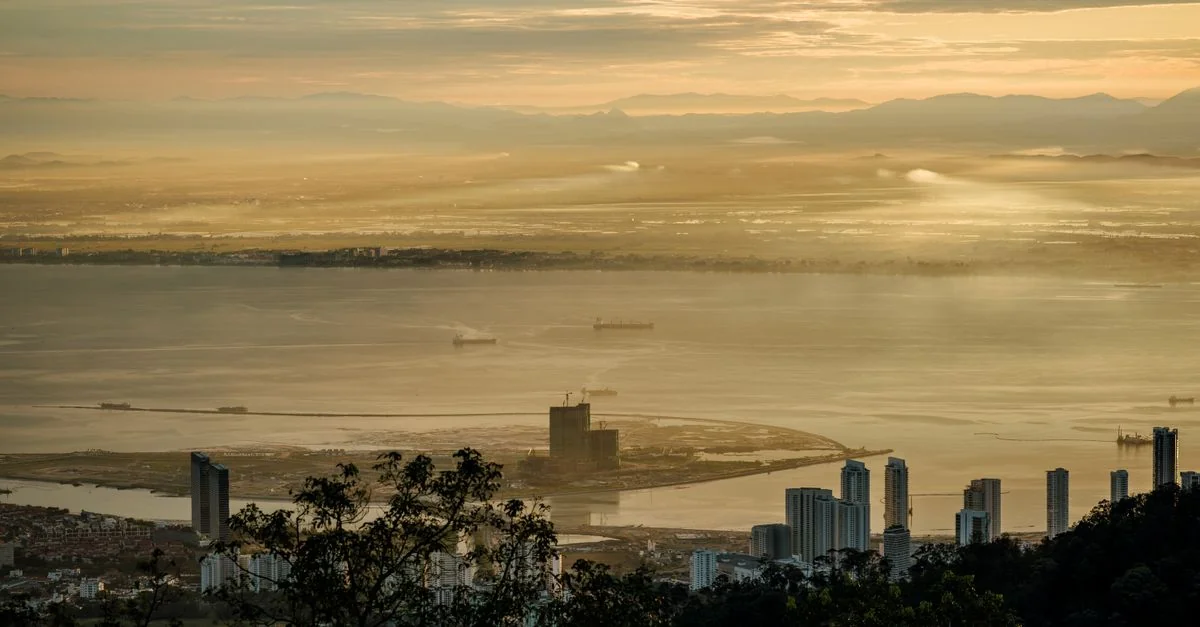
Planning a trip to Sabah requires understanding the regional monsoon patterns, which differ significantly from the rest of peninsular Malaysia . The dry season generally runs from March through August, bringing the most reliable sunshine, calm seas for island hopping, and minimal rainfall. During these months, daytime temperatures consistently hover around the low nineties Fahrenheit, accompanied by high humidity. July and August see an increase in family travelers from neighboring countries, pushing accommodation prices slightly higher and crowding the popular ferry terminals.
The wet season arrives in earnest between October and January, bringing heavy afternoon downpours and occasionally choppy seas that suspend boat services to the nearby marine park islands. While tourism numbers drop significantly during these months, brave travelers often find lower rates on accommodations and fewer crowds at major natural attractions. September and February serve as transition months, offering a gamble on weather where clear mornings frequently give way to dramatic afternoon thunderstorms. Travelers aiming to climb Mount Kinabalu should book permits months in advance regardless of the season, as daily quotas remain strictly enforced to protect the mountain environment.
Where to Stay in Kota Kinabalu#
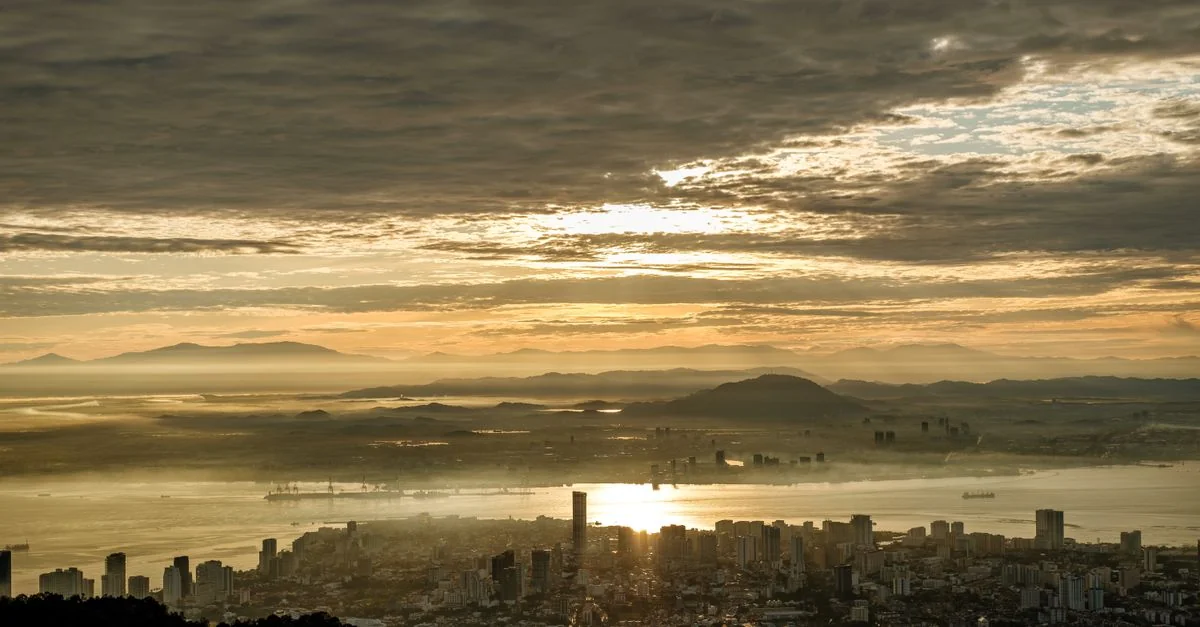
Choosing a neighborhood in Kota Kinabalu depends largely on whether the priority involves ocean views, nightlife, or proximity to nature trails. The Waterfront district stands as the most practical choice for first-time visitors who prefer walking to restaurants, shopping centers, and sunset viewing spots. Budget options in this central zone include simple guesthouses and capsule properties starting around $25 to $45 per night, while mid-range high-rise apartments with rooftop pools generally command $80 to $130 nightly. Luxury travelers will find upscale international properties featuring expansive infinity pools overlooking the islands for $200 and up per night.
For a more relaxed atmosphere focused on marine scenery, the Tanjung Aru neighborhood sits just south of the city center near the airport. This area features sprawling resort properties with private beach access and sunset lawns, making it popular with families and those seeking a resort-style stay away from downtown traffic. Mid-range beachside chalets and boutique guesthouses here range from $90 to $150 per night, while five-star luxury beachfront resorts exceed $250.
Travelers seeking a quieter escape into nature often choose the foothill areas near the base of the mountains, roughly an hour inland from the city. These jungle lodges and eco-resorts prioritize immersion in the rainforest canopy, with rustic cabins and treehouses starting around $60 per night, scaling up to $180 for premium rainforest retreats featuring private plunge pools and guided wildlife spotting tours.
Top Things to Do in Kota Kinabalu#
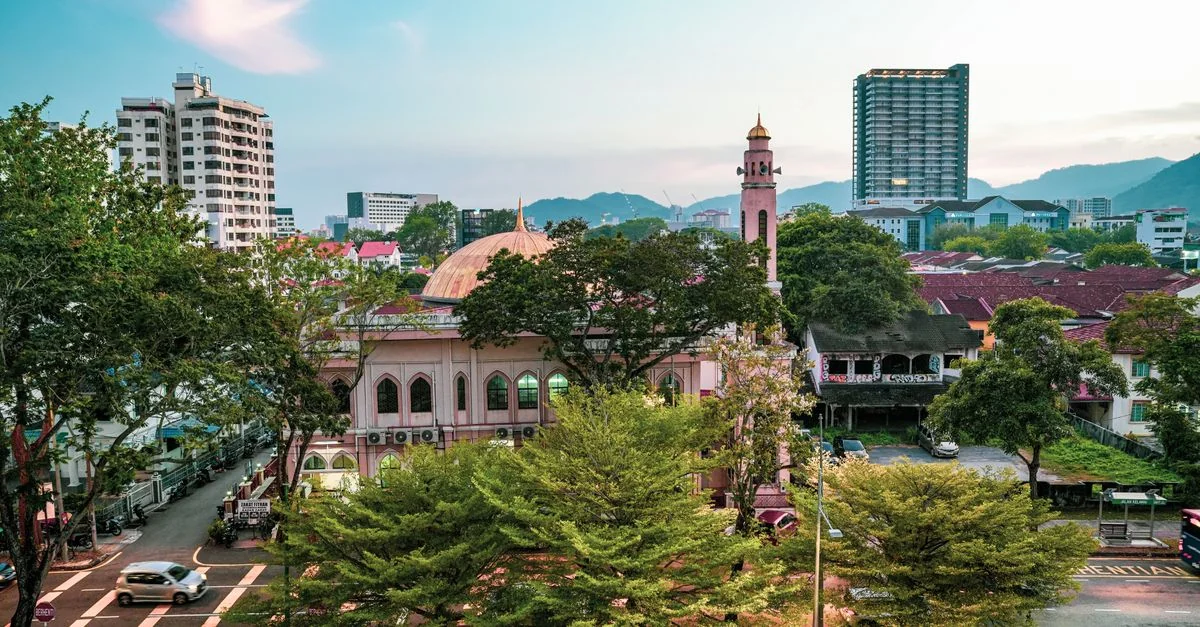
The shallow waters of the Tunku Abdul Rahman Marine Park sit just a short boat ride from the central Jesselton Point ferry terminal, offering immediate access to coral reefs and white-sand beaches. Visitors can catch a public or chartered speedboat to islands like Pulau Manukan or Pulau Sapi, where snorkeling gear rentals and shaded picnic tables provide an easy day trip from the urban core. Back on the mainland, the towering peaks of Mount Kinabalu draw hikers from around the globe to tackle the multi-day summit trek through changing botanical zones, culminating in a sunrise view above the clouds from Low’s Peak.
Those preferring to experience the mountain’s lower elevations without the strenuous climb can explore the lush trails and temperate botanical gardens of Kinabalu Park, where wild orchids and carnivorous pitcher plants thrive in the cool mist. Wildlife enthusiasts should schedule an afternoon trip south to the Klias Wetlands, where evening river cruises offer reliable sightings of proboscis monkeys crashing through the mangrove canopy before darkness falls and thousands of fireflies illuminate the riverbanks.
Urban explorers will find local culture on full display at the sprawling Gaya Street Sunday Market, a historic open-air bazaar where vendors sell everything from local handicrafts and potted plants to traditional snacks and caged birds. For an architectural landmark, the striking blue-and-gold domes of the Sabah State Mosque reflect Islamic design influences, welcoming properly attired visitors outside of prayer times to admire its intricate interior courtyard. Finally, no afternoon in the city is complete without securing a viewing spot along the Kota Kinabalu Waterfront, where the evening sky ignites in violent shades of crimson and orange over the distant silhouettes of offshore islands.
Food and Dining Guide#
The local dining scene reflects a diverse fusion of Malay, Chinese, and indigenous Bornean flavors, resulting in a distinct culinary identity found nowhere else in the country. Mornings usually start at a traditional open-air coffee shop with a bowl of Tuaran Mee, springy local egg noodles tossed with barbecued pork, sliced egg rolls, and crisp vegetables. Seafood dominates the evening menus, particularly at the busy seaside night markets where live fish, tiger prawns, and mud crabs are selected from aquariums and grilled or wok-fried to order with garlic, chili, or salted egg yolk sauces.
Another regional staple is Hinava, a traditional Kadazan-Dusun raw fish salad cured in fresh lime juice, fiery bird’s eye chilies, shallots, and grated wild ginger, offering a sharp, refreshing flavor profile similar to Latin American ceviche. For a comforting snack or light breakfast, Roti Canai—a flaky, griddled flatbread served with a side of savory curry dipping sauce—remains an affordable and ubiquitous favorite across local coffee shops. Visitors seeking a heavier meal should sample Bak Kut Teh, an aromatic herbal pork rib soup infused with star anise, cinnamon, and garlic, traditionally eaten with steamed rice and Chinese crullers for dipping. Street food stalls and hawker centers provide the most authentic and budget-friendly meals, while modern air-conditioned seafood restaurants along the waterfront cater to those willing to pay a premium for comfort and ocean views.
Getting Around Kota Kinabalu#
Navigating the city and its immediate surroundings requires a mix of walking, app-based ride-hailing, and occasional local transit. The central downtown core is compact and easily explored on foot, provided travelers do not mind the intense equatorial heat and humidity during midday hours. Sidewalks can be uneven or blocked by construction, so standard precautions apply when walking along busy thoroughfares.
For longer trips across town or to the airport, ride-hailing applications dominate the local transport market, offering fixed-price fares that eliminate the need to negotiate with traditional taxi drivers. These rides are exceptionally affordable by American standards, with most cross-town journeys costing just a few dollars. Traditional metered taxis are available at designated stands outside major shopping centers and hotels, though ride-hailing apps generally provide a more transparent and convenient experience.
Renting a car makes sense for travelers planning extended road trips up the coast or into the interior highlands toward Mount Kinabalu. Driving is on the left side of the road, steering wheels are on the right, and traffic outside the city flows smoothly on paved two-lane highways. However, inner-city parking can prove frustrating to find during peak weekend hours, and driving habits lean aggressive compared to typical American suburban standards. Public buses service outlying neighborhoods and coastal towns, but schedules remain unpredictable, making them less suitable for travelers on tight schedules.
Budget Breakdown#
Traveling through Sabah accommodates a wide range of financial plans, offering exceptional value for American tourists once the trans-Pacific flight is secured. Budget travelers can easily manage daily expenses by staying in hostel dormitories or basic guesthouses, eating meals at local hawker stalls, and using ride-hailing apps or public buses for transport. A frugal daily budget typically ranges from $40 to $70 per day, which covers simple accommodation, street food, and basic self-guided excursions like exploring city markets and nearby beaches.
Mid-range travelers enjoy a comfortable standard of living, booking private rooms in modern hotels, dining at casual sit-down seafood restaurants, and paying for guided day tours to marine parks or river safaris. This style generally requires $120 to $250 per day, factoring in mid-tier lodging, private transport, and moderate activity fees. Luxury travelers aiming for five-star beachfront resorts, private boat charters, fine dining, and guided mountain expeditions will find daily expenditures starting around $350 and climbing rapidly depending on resort amenities and excursion exclusivity.
Travel Tips for Kota Kinabalu#
Packing appropriate gear remains essential for staying comfortable in Sabah’s tropical climate, where sudden downpours can catch unprepared visitors off guard. Rain gear such as a lightweight waterproof shell or a compact umbrella should stay in your daypack at all times, alongside high-SPF sunscreen and effective insect repellent containing DEET to guard against mosquitoes in the rainforest.
Dressing respectfully is important when visiting religious sites, rural villages, and local government buildings, meaning travelers should pack clothes that cover their shoulders and knees. Modest attire prevents awkward social encounters and ensures smooth entry into mosques and traditional cultural centers where strict dress codes apply.
Cash remains king outside major hotels and upscale restaurants, so keeping a supply of Malaysian Ringgit on hand is critical for paying taxi drivers, market vendors, and rural park entry fees. Currency exchange and ATM access are widely available in the city center, but credit cards are frequently rejected by smaller roadside operators and island snack bars.
Staying hydrated in the equatorial heat requires drinking plenty of fluids, but visitors must avoid drinking unboiled tap water to prevent gastrointestinal illness. Water safety is easily managed by sticking to bottled water, boiled tea, or canned beverages, and utilizing bottled water even when brushing your teeth in more remote jungle lodges.
Internet connectivity is generally reliable throughout the urban areas, but cellular signals drop entirely once you venture deep into the mountain ranges or dense jungle reserves. Local SIM cards can be purchased cheaply at the airport upon arrival, providing affordable data access for navigation apps and translation tools without incurring expensive international roaming charges from American carriers.
📌 Disclaimer
Prices, schedules, tour details, flight routes, visa requirements, and all other information on this page are based on data at the time of writing. Fares, availability, and policies may change. Please verify current details on the official website before booking.
📌 More about Kota Kinabalu