📌 Disclaimer
Prices, schedules, tour details, flight routes, visa requirements, and all other information on this page are based on data at the time of writing. Fares, availability, and policies may change. Please verify current details on the official website before booking.
Why Visit Koper?#
The scent of salted pine needles and roasting espresso beans drifts across the limestone paving stones of Tito Square long before the morning bell tolls from the Praetorian Palace. As Slovenia ’s primary window to the Adriatic Sea, Koper merges Venetian gothic architecture with a laid-back Mediterranean pace that often escapes its more famous neighbors across the Italian border. American travelers seeking a coastal European escape without the overwhelming crowds of Venice or Dubrovnik will find that this Istrian peninsula port town offers an authentic, unhurried introduction to the Slovenian coast.
Beneath the rust-red terracotta roofs, Koper tells a story of centuries under Venetian rule, where narrow alleyways open unexpectedly into sunlit courtyards draped with laundry lines. The city functions as a working seaport rather than a manufactured tourist attraction, which means the trattorias serve recipes handed down through local families rather than English-translated menus designed for mass-market cruises. Visitors can wander from a medieval cathedral tower straight down to a pebbled beach in under ten minutes, experiencing both historical depth and contemporary seaside relaxation in a single afternoon.
The strategic location makes Koper an ideal base for exploring the broader Slovenian Istria region, including nearby hilltop villages and nature reserves. Unlike the mountain-locked interior of the country dominated by Julian Alps aesthetics, Koper delivers a distinct coastal microclimate where olive groves and vineyards thrive under persistent sunshine. It is a destination that rewards slow exploration, whether that means sipping Teran wine at a sidewalk table or chatting with local fishermen hauling in their morning catch along the modern marina promenade.
Best Time to Visit Koper#
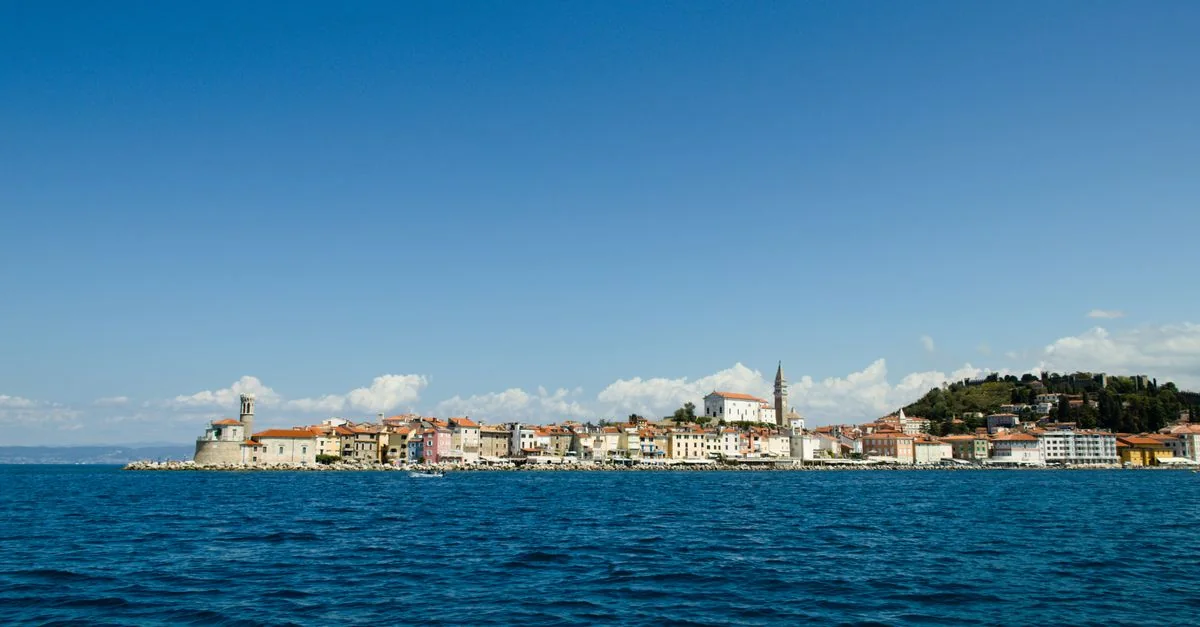
Planning a trip to the Slovenian coast requires timing the Mediterranean weather patterns against peak European vacation schedules. The shoulder season months of May, June, September, and October present the most comfortable conditions for American travelers, balancing warm daytime temperatures with manageable crowd levels. During May and June, daytime highs hover in the mid-seventies Fahrenheit, and the spring wildflowers bloom across the rural hillsides just behind the city. Lodging rates remain moderate during these months, and outdoor café terraces have plenty of open tables by late afternoon.
July and August bring peak summer heat, with temperatures regularly pushing past eighty-five degrees Fahrenheit, accompanied by a surge of European holidaymakers seeking beach access. Accommodation prices reach their annual peak, and securing seaside dining reservations requires advance planning. The sea is warmest during August, making it the prime month for swimming and water sports, though mid-day sun can be intense for walking the historic stone streets.
The late autumn and winter months, spanning from November through March, shift Koper into a quiet, introspective gear. Temperatures drop into the forties, and brisk northern winds known as the bora can sweep down from the karst plateau, clearing the skies to a brilliant blue. While swimming is out of the question, this period offers the lowest accommodation rates of the year and a chance to experience daily life alongside local residents. Rain is more frequent during late autumn, so packing a durable windbreaker and waterproof footwear is essential for winter visitors.
Where to Stay in Koper#
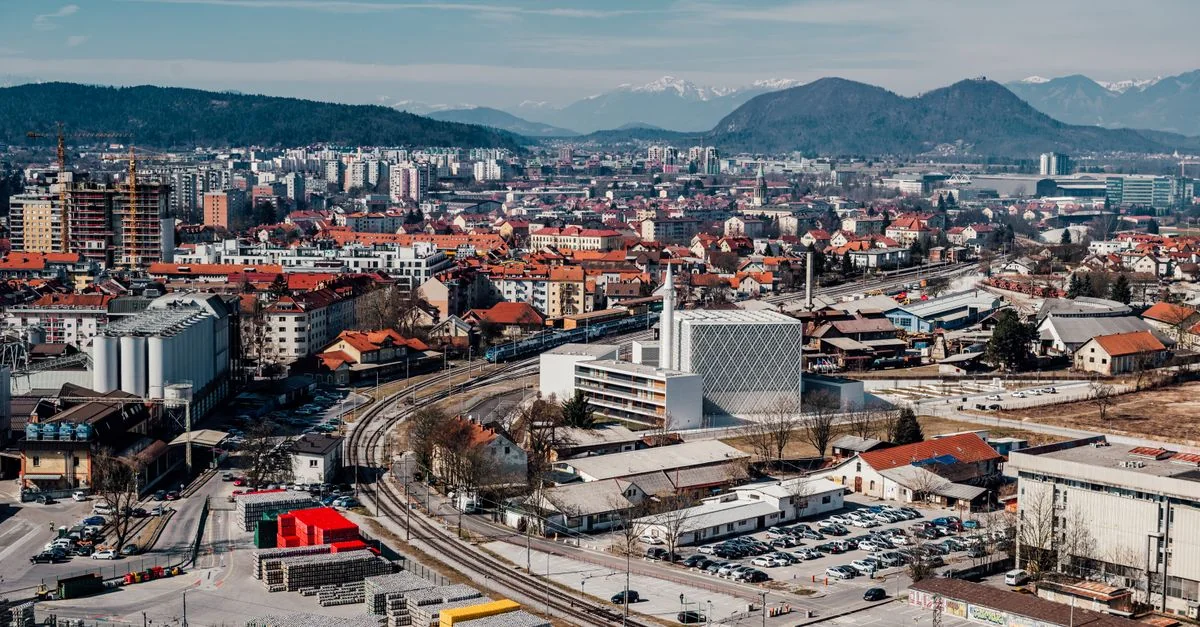
Choosing a place to stay in Koper depends largely on whether you prefer historic stone architecture or modern marina views. The Old Town district places travelers right amid the medieval monuments, narrow pedestrian-only alleys, and lively neighborhood squares. Staying in this historic core means walking out your door directly onto ancient paving stones, with bakeries, wine bars, and the central market just steps away. Accommodation here primarily consists of historic townhouses converted into boutique apartments and mid-range guesthouses, where budget options typically start around $60 to $90 per night, while upgraded historic rentals climb toward $150.
Just outside the medieval gates, the Semedela neighborhood rises gently up the hillside toward the coastal hills. This residential area appeals to travelers who prefer a quieter neighborhood feel with easy access to seaside walking paths and cycling routes leading toward Italy . Lodging in Semedela leans heavily toward modern private apartments and family-run bed and breakfasts, offering competitive rates for families and longer-term stays. Prices here generally range from $50 to $100 per night depending on proximity to the coastal park.
For travelers prioritizing direct water access and modern amenities, the Marina District provides contemporary lodging options with unobstructed views of the Adriatic. This area features newer apartment complexes and upscale properties with balconies overlooking the moored sailboats. Rates in this sector tend to skew higher, with luxury-tier stays ranging from $180 to $250 per night during the summer season. The marina area connects directly to the coastal bicycle highway, making it simple to pedal north toward the nature reserves or south down the Istrian coastline.
Top Things to Do in Koper#
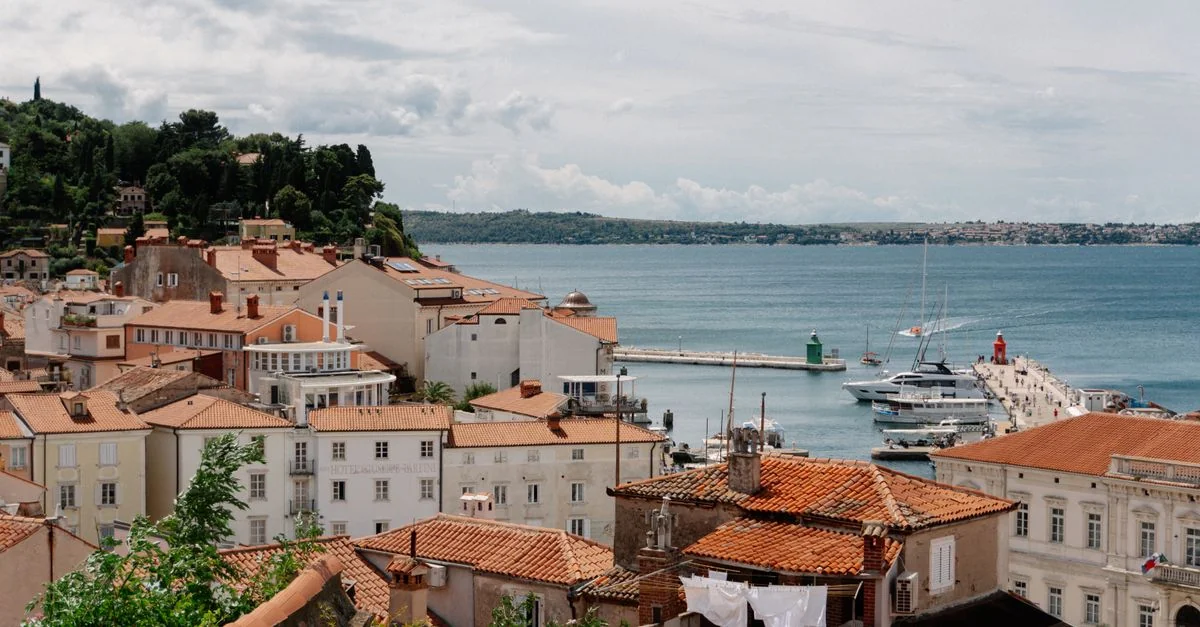
Begin your exploration at Tito Square, the architectural heart of the old city where Venetian gothic and Renaissance styles converge under tall shade trees. The square serves as the community living room, framed by the impressive Praetorian Palace, a 15th-century civic building featuring ornate stone carvings, exterior staircases, and historic coats of arms. Visitors can step inside the palace to view historical exhibition rooms and the old municipal council chambers. Rising directly beside the square is the massive Koper Cathedral Bell Tower, which invites active travelers to climb its hundreds of wooden steps for panoramic views stretching across the Gulf of Trieste and the Julian Alps on clear days.
Wandering away from the main square leads into the quiet maze of Carpaccio Square, named after the renowned Venetian painter whose family originated in the city. The square features a distinctive 14th-century residential building known as the Carpaccio House, alongside a small open loggia that once served as a salt warehouse. This area feels significantly more peaceful than the main tourist zones, making it an ideal spot to pause with an espresso and observe local residents running daily errands.
Art and history enthusiasts should seek out the Koper Regional Museum, housed within the opulent Belgramoni-Tacco Palace. The museum exhibits archaeological finds from the Roman era alongside fine art collections from the Venetian period, all set against a backdrop of frescoed ceilings and manicured baroque gardens. Nearby, the Museum of Apiculture offers a fascinating look into Slovenia’s deep cultural connection to beekeeping, highlighting the unique painted beehive panels that are a hallmark of regional folk art.
For a shift toward nature and local commerce, walk down to the busy Koper City Market, where regional farmers and fishermen display their harvests every morning. Here you will find stalls piled high with Istrian garlic, wild asparagus, fresh figs, and locally pressed olive oil. From the market, you can directly access the Parenzana Trail, a celebrated greenway built along the bed of a former narrow-gauge railway line that once connected Trieste to Poreč. Renting a bicycle to ride a portion of this coastal path provides sweeping sea views and passes through historic tunnels carved straight into the limestone cliffs.
Nature lovers should make time for the Škocjan Bay Nature Reserve, located just a short walk or bike ride from the eastern edge of the urban center. This protected wetland area acts as a crucial resting ground for migratory birds, featuring wooden boardwalks, bird-watching hides, and resident populations of wild horses and gray cattle. It provides a striking contrast to the stone architecture of the old town, offering a tranquil escape into coastal marshes and reed beds.
Food and Dining Guide#
The culinary landscape of Koper is a delicious intersection of Italian and Slovenian traditions, shaped by proximity to the Adriatic Sea and the sun-drenched hills of the Istrian interior. Seafood forms the backbone of traditional menus, with daily catches transforming into simple, flavorful plates seasoned primarily with extra virgin olive oil, garlic, and fresh herbs. One absolute worth trying dish is Bobići, a hearty traditional Istrian bean soup loaded with corn, potatoes, and sometimes smoked pancetta, which warms up chilly autumn days. For a taste of the sea, order Rižota s črnilom, a rich cuttlefish risotto that turns a striking jet-black from the cephalopod’s natural ink and carries a deep, savory oceanic flavor.
Pasta lovers will encounter Fuži, handmade rolled pasta shaped into delicate quills that cling perfectly to robust sauces. The most authentic local preparation pairs these pasta tubes with a slow-simmered Istrski Golaž, a rich beef or game stew infused with bay leaves, rosemary, and local red wine. Another prized regional delicacy found across local taverns is Pljukanci, spindle-shaped pasta traditionally served with wild asparagus foraged from the nearby hills or shaved black truffles harvested from the oak forests of central Istria.
To accompany these meals, travelers should sample the distinctive wines of the region, starting with Malvazija Istriana, a crisp white wine featuring floral notes and a refreshing mineral finish. Red wine enthusiasts should look for Refošk, a bold, dark ruby wine with high acidity and distinct berry flavors that cuts effortlessly through rich meat dishes.
When deciding where to eat, seek out traditional family-run taverns known locally as gostilna, tucked away in the side streets of the old town or scattered through the rural hinterlands. These establishments prioritize seasonal ingredients and home-style cooking at fair prices. For a casual lunch on the go, local bakeries serve Burek, a flaky pastry filled with minced meat or cheese, which pairs well with a morning yogurt and makes for an inexpensive meal while exploring the historic center.
Getting Around Koper#
Navigating Koper is remarkably straightforward because the historic core is almost entirely pedestrianized, making walking the primary and most enjoyable method of transport. You can cross the entire old town on foot in about fifteen minutes, discovering hidden courtyards and small artisan shops that larger vehicles cannot reach. Cobblestone streets are well-maintained, though comfortable walking shoes with good traction are recommended to handle the occasional slick limestone paving stone, especially after a morning rain.
For exploring beyond the immediate city center, Koper features a reliable public bus network operated by Arriva, connecting the port area to nearby coastal towns like Izola, Piran, and Portorož, as well as inland villages. Tickets can be purchased directly from the driver using cash or via local transit cards, and buses run frequently during the spring and summer months. Taxis are readily available near the main bus station and the marina, though fares should always be confirmed before the journey begins, as rides within the city limits are generally short and inexpensive.
Bicycling is exceptionally popular along the Slovenian coast, thanks to a dedicated network of bike lanes and the conversion of the old Parenzana railway line into a scenic greenway. Several rental shops operating near the marina offer city bikes, electric bikes, and gear for day trips. Renting a car is unnecessary if you plan to stay strictly within Koper and use public transit for coastal day trips, but a rental vehicle becomes beneficial if you want to independently explore the hidden hilltop villages, wineries, and olive oil farms scattered across the rural Istrian interior.
Budget Breakdown#
Traveling through Koper offers strong value for American tourists, particularly when compared to neighboring Western European coastal destinations like Venice or the French Riviera. Daily expenditures vary based on travel style, but even mid-range budgets stretch comfortably here.
For budget travelers, daily expenses typically range from $40 to $70 per day. This tier involves staying in shared hostel dorms or budget guesthouses outside the immediate historic center, dining primarily on bakery items, street food, and quick market lunches, and relying on walking or inexpensive regional buses. Free activities like wandering the historic streets, swimming at public beaches, and exploring the nature reserve keep entertainment costs low.
Mid-range travelers can expect to spend between $100 and $200 per day. This comfortable tier covers private apartment rentals or boutique guesthouses in the old town, sit-down lunches and dinners at traditional local taverns paired with regional wine, occasional bicycle rentals, and paid entry to museums and historical towers. It provides a relaxed pace without needing to meticulously track every expense.
Luxury travelers generally spend $250 to $450+ per day. At this level, visitors secure premium marina-view suites, dine at upscale coastal restaurants featuring multi-course seafood tasting menus, hire private guides for wine-tasting excursions into the Istrian countryside, and utilize private car services or rental vehicles for maximum convenience.
Travel Tips for Koper#
Language and Communication is rarely an obstacle for American visitors in Koper. While Slovenian is the official language, Italian is widely spoken due to the region’s historical ties and the presence of an indigenous Italian minority community. English is spoken fluently by almost everyone working in tourism, hospitality, and retail, making it easy to ask for directions or decipher menu items.
Cash and Currency management requires keeping some Euros on hand despite widespread credit card acceptance. While hotels, restaurants, and larger shops readily accept Visa and Mastercard, smaller market vendors, bakeries, and rural family-run wine cellars may prefer cash or local mobile payment methods. ATMs are abundantly distributed throughout the old town and near shopping centers.
Tipping Culture in Koper differs significantly from the expectations in the United States . Service charges are occasionally included in restaurant bills, but leaving a tip of five to ten percent for good table service is appreciated by local waitstaff. For casual counter service, coffee shops, and taxi rides, rounding up the bill or leaving spare change is standard practice rather than calculating a strict percentage.
Siesta Customs still influence daily rhythms in smaller shops and family-run businesses. While major supermarkets and restaurants remain open continuously through the day, many independent boutiques, artisan workshops, and administrative offices close their doors for a few hours in the early afternoon, typically between one and four o’clock. Planning your shopping around these afternoon closures prevents wasted steps.
Water Safety is not a concern for international travelers visiting Koper. Tap water throughout the city and the wider Slovenian coast is of exceptionally high quality, perfectly safe to drink straight from the faucet. Bringing a reusable water bottle to refill throughout the day saves money and reduces plastic waste while navigating the historic streets under the Mediterranean sun.
Electrical Outlets in Slovenia use the standard European two-round-prong plugs, known as Type C and Type F, operating on 230 volts. American travelers will need to pack a universal plug adapter to charge smartphones, cameras, and laptops. Dual-voltage devices like modern phone chargers will work without a voltage converter, but high-wattage items like hair dryers require a converter to avoid damage.
📌 Disclaimer
Prices, schedules, tour details, flight routes, visa requirements, and all other information on this page are based on data at the time of writing. Fares, availability, and policies may change. Please verify current details on the official website before booking.
📌 More about Koper