📌 Disclaimer
Prices, schedules, tour details, flight routes, visa requirements, and all other information on this page are based on data at the time of writing. Fares, availability, and policies may change. Please verify current details on the official website before booking.
Why Visit Kochi?#
The scent of salt and charcoal smoke drifts off the Pacific Ocean, mingling with the earthy aroma of green tea fields covering the nearby hillsides. Kochi, situated on the southern coast of Shikoku Island, offers American travelers an authentic slice of Japanese life far removed from the heavily touristed corridors of Tokyo and Kyoto . Life here moves at a gentler pace, anchored by rugged coastlines, swift-flowing rivers, and a fiercely independent local spirit known locally as Kochi-kenmin.
What sets this destination apart is its welcoming atmosphere and the sheer rawness of its landscapes. While other regions have polished their historical sites into pristine museum pieces, Kochi retains a rustic charm where ancient castles still bear their original wooden interiors and open-air markets have operated largely unchanged for centuries. Travelers coming from the United States will find a refreshing lack of English signage, which only adds to the adventure of navigating cozy neighborhoods where residents are remarkably eager to help lost visitors decipher local menus.
Beyond the urban center, the prefecture boasts some of the most dramatic natural scenery in the country. The Shimanto River—frequently called Japan ’s last clear stream—flows through deep valleys unfettered by major dams, while the Pacific swells crash against the jagged white limestone cliffs of Cape Muroto. Whether you are seeking quiet contemplation at mountain temples or lively evenings sharing drinks with locals under paper lanterns, Kochi provides a rewarding counterweight to the fast-paced metropolises of Honshu.
Best Time to Visit Kochi#
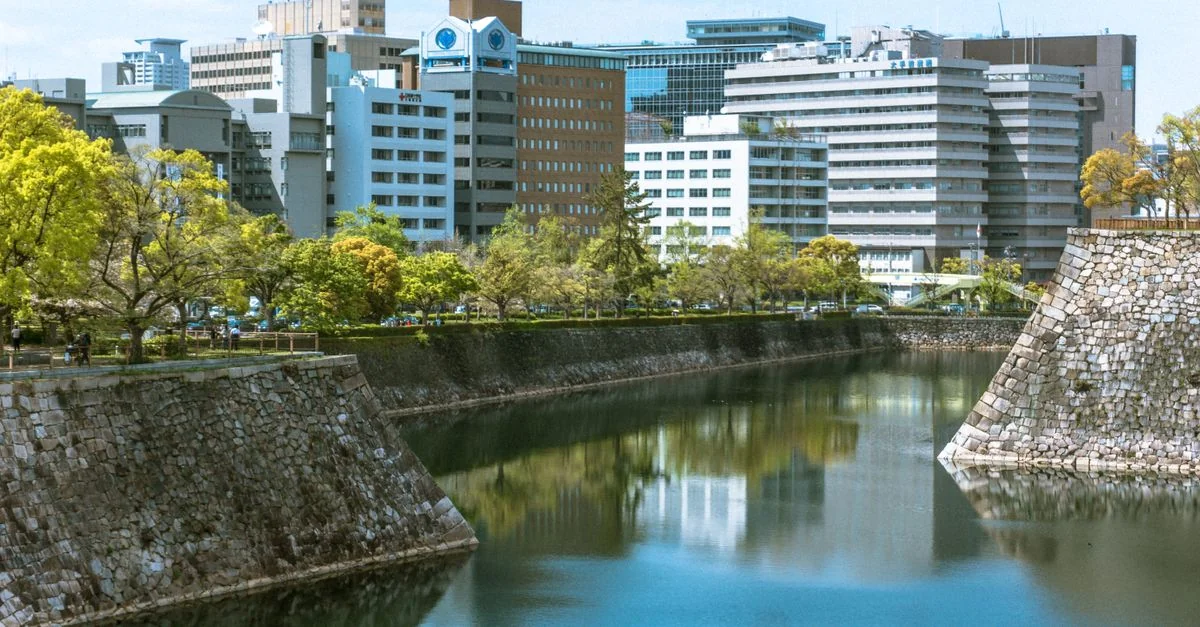
Springtime, spanning from March through May, brings mild temperatures and the brilliant flush of cherry blossoms, making it one of the most popular seasons for outdoor exploration. March can still carry a brisk chill, but April and May offer comfortable daytime weather ideal for hiking and coastal walks, though hotel rates tend to rise and crowds increase during the late April golden week holiday period.
Summer arrives with heavy humidity and frequent rain showers, particularly in June and July during the rainy season, followed by intense heat in August. However, this season also hosts some of the region’s most energetic festivals, drawing crowds despite the sweltering conditions. Budget-conscious travelers may find good accommodation deals during the early summer months, provided they pack appropriate rain gear and lightweight clothing.
Autumn, lasting from October to November, provides arguably the most pleasant weather of the year. The summer heat breaks into crisp, clear days, and the mountain forests display lively shades of red and gold. Tourist numbers drop significantly after the summer peak, and pricing for lodging stabilizes into affordable ranges. Winter, from December to February, brings cold coastal winds and snow in the high mountains, but the city center remains relatively mild, offering clear blue skies and bargain rates for travelers willing to brave the chilly evenings.
Where to Stay in Kochi#
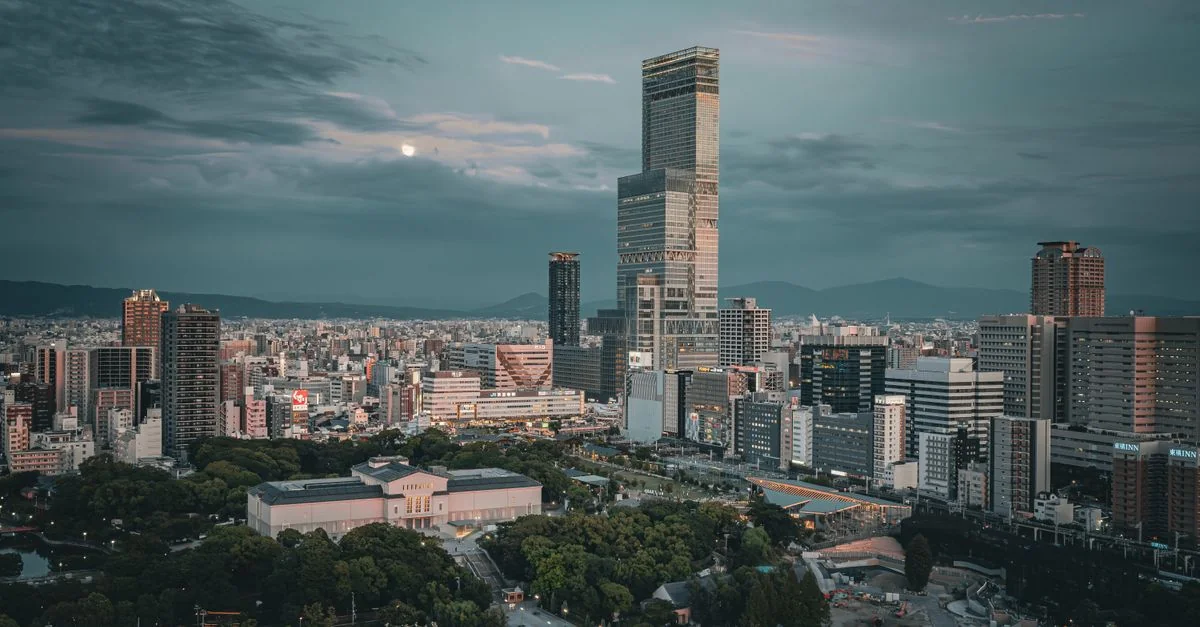
Selecting the right neighborhood depends largely on your travel style and whether you plan to rely entirely on public transit or rent a vehicle. Staying near the downtown center places you within walking distance of the main castle and the sprawling Sunday market, offering maximum convenience for first-time visitors. Mid-range accommodations in this commercial core generally feature modern, compact rooms with easy access to streetcar lines, while budget options include simple guesthouses and older inns where traditional tatami mat rooms provide a classic lodging experience.
For travelers seeking a coastal atmosphere, the beachfront areas near Katsurahama Beach offer ryokan accommodations where you can listen to the ocean waves from your room. These traditional Japanese inns typically include multi-course seasonal dinners and soothing public baths, positioning them at the higher end of the pricing spectrum. These properties suit travelers looking to slow down and indulge in regional hospitality rather than rush between sightseeing stops.
Further inland, near the foothills of the Shikoku mountains, quiet hot spring villages provide peaceful retreats for those prioritizing relaxation. These rural properties range from family-run minshuku guest lodgings to secluded spa resorts, catering to travelers who want to combine nature walks with therapeutic soak sessions. While public transit to these mountain areas requires careful schedule planning, the reward is impressive tranquility and starry night skies.
Top Things to Do in Kochi#

Begin your exploration at Kochi Castle, one of the few surviving feudal keeps in Japan that retains its original wooden donjon rather than a concrete reconstruction. Climbing the steep wooden stairs rewards you with panoramic views over the city grid and the surrounding river valleys. Just a short walk from the castle grounds sits the sprawling Obiyamachi Shopping Street, a covered arcade lined with clothing shops, tea houses, and small eateries where locals gather to escape the midday sun. On Sundays, the street transforms into the Sunday Market, a legendary open-air bazaar stretching for over a kilometer where vendors sell fresh citrus fruits, handmade knives, and regional snacks out of wooden stalls that have operated for over three centuries.
To witness the local reverence for the ocean, head south to Katsurahama Beach, a scenic crescent of dark sand framed by pine trees and rugged rocks where a massive statue of the influential nineteenth-century samurai Sakamoto Ryoma gazes out at the Pacific breakers. Perched on a nearby cliff overlooking the water stands the colorful Katsurahama Aquarium, a modest, retro facility that provides a charmingly nostalgic look at marine life through the eyes of coastal residents. Nearby, the Sakamoto Ryoma Memorial Museum delves deep into the life of the local hero who played a pivotal role in ending the samurai era and modernizing Japan.
Venture beyond the city limits to discover the breathtaking geography of the interior, starting with the Kuroshio Line and Pacific Coast, where coastal roads wind past dramatic headwaters and fishing villages. For a truly immersive natural experience, travel west to the Shimanto River, where you can cross traditional low-water bridges designed to submerge safely beneath rising floodwaters without washing away. Underground enthusiasts will appreciate the vast subterranean chambers of Ryugado Cave, a massive limestone cavern featuring soaring stalactites and an ancient water pathway carved out over millions of years. Finally, make time for Botanical Garden of Kochi Prefecture, a lush hillside sanctuary showcasing native flora and subtropical plants that thrive in the region’s warm maritime climate.
Food and Dining Guide#
Kochi holds a legendary reputation across Japan for its robust drinking culture and exceptional seafood, anchored firmly by Katsuo no Tataki, or seared bonito. The fish is flash-seared over blazing straw fires until the exterior forms a smoky, charred crust while the interior remains cool and rare, then generously topped with thick slices of garlic, raw onions, and a tart citrus ponzu sauce. You will find this dish served everywhere from casual izakaya pubs to specialized street food stalls, where watching chefs fan the roaring flames is part of the dining entertainment.
Another regional favorite is Sawachi Ryori, a massive, circular lacquer platter piled high with colorful assortments of sashimi, sushi, mountain vegetables, and grilled meats, traditionally shared among large groups during celebrations. For a quick snack while exploring the markets, try Jako-katsu, a savory, deep-fried fish cake made from locally caught small fish ground whole with bones and skin, yielding a deeply flavorful and crispy treat.
When it comes to beverages, Kochi produces some of the driest and crispest sake in the country, locally known as Tosa Sake, which is specifically brewed to complement the rich, oily profile of the regional seafood. Izakaya dining here is famously convivial, characterized by the local custom of Okyaku, where strangers and friends alike share drinks and food freely across tables. For casual meals, neighborhood ramen shops serve steaming bowls of broth flavored with local chicken stock, while upscale restaurants focus on seasonal multi-course tasting menus highlighting mountain game and wild river fish.
Getting Around Kochi#
Navigating the city center is straightforward thanks to the historic streetcar network, which ranks as the oldest operating tram system on the island of Shikoku. These green-and-yellow cars rumble along major thoroughfares and offer an inexpensive, charming way to reach primary attractions like the castle and major shopping districts. You can pay your fare with cash or accepted IC transit cards when exiting through the front doors.
Buses supplement the tram lines, connecting the urban core to outlying coastal areas, beaches, and mountain trailheads. However, bus schedules in rural zones can be sparse, running only a few times a day, which requires careful advance planning if you wish to avoid long waits at remote stops. Taxis are readily available near the central train station and major tourist sites, serving as a convenient option for evening travel or trips where public transit schedules do not align with your itinerary.
For travelers eager to explore the dramatic coastlines and deep river valleys of the wider prefecture, renting a car is the most practical choice. Major international rental agencies operate counters near the transit hub, and driving is on the left side of the road with clear English signage on most primary national routes. Mountain roads can be narrow and winding, so budget extra time for transit between destinations, but the freedom to stop at roadside farm stands and hidden viewpoints makes the coastal drive well worth the effort.
Budget Breakdown#
Traveling through this region offers good value compared to major Japanese tourism hubs, though costs vary depending on your preferred level of comfort. Budget travelers can easily manage daily expenses ranging from $50 to $90 USD by staying in simple guesthouses or hostels, utilizing the streetcar network for transit, and eating hearty meals at local ramen shops, convenience stores, and street food stalls.
Mid-range travelers should anticipate spending between $120 and $250 USD per day, which comfortably covers standard business hotel rooms, rental car fees for regional day trips, sit-down lunches and dinners at lively izakaya establishments, and admission tickets to museums and historical sites. This tier provides a balanced experience with ample comfort and flexibility.
Luxury travelers can expect daily expenditures exceeding $350 USD, opening the door to upscale hot spring ryokan stays featuring private outdoor baths and multi-course kaiseki dinners, private guided tours of the interior river valleys, and taxi transportation for city sightseeing. Even at the highest tier, prices remain reasonable relative to Tokyo, offering exceptional hospitality and authentic cultural immersion for those willing to invest in premium service.
Travel Tips for Kochi#
Mastering local customs enhances your interactions, starting with the unique dining etiquette known as Drinking Culture, where refusing a shared cup of sake can occasionally feel impolite. If you do not drink alcohol, simply expressing your preference politely or accepting a small cup as a gesture of camaraderie is generally accepted without friction.
Language barriers are more common here than in major metropolitan centers, making Translation Apps an essential tool for your smartphone. Downloading offline Japanese dictionaries and speech translation software will make navigating menus, reading transit signs, and chatting with friendly market vendors significantly smoother.
Cash remains king in many smaller shops, rural farm stands, and traditional eateries, so maintaining a steady supply of Japanese Yen is vital. While major convenience stores and hotels accept credit cards, smaller family-run businesses often operate on a cash-only basis, and finding ATMs outside the central city can occasionally pose a challenge.
Packing for unpredictable weather requires Layered Clothing, especially if your itinerary includes coastal breezes and mountain hikes within the same day. Coastal areas can experience sudden rain showers or brisk sea winds, while inland valleys may trap daytime heat before cooling off rapidly after sunset.
Respecting local quiet hours is important when staying in traditional neighborhoods and residential areas. Quiet Hours are typically observed strictly in guesthouses and ryokan properties, where sliding paper doors offer minimal sound insulation, making it courteous to keep voices low during late evening hours.
Finally, embrace the regional pace of life by practicing Slow Travel, allowing extra time in your schedule for spontaneous conversations and unexpected discoveries. The true magic of this coastal prefecture reveals itself not in rushing between major tourist landmarks, but in lingering over a bowl of seared bonito while chatting with the chef.
📌 Disclaimer
Prices, schedules, tour details, flight routes, visa requirements, and all other information on this page are based on data at the time of writing. Fares, availability, and policies may change. Please verify current details on the official website before booking.
📌 More about Kochi