📌 Disclaimer
Prices, schedules, tour details, flight routes, visa requirements, and all other information on this page are based on data at the time of writing. Fares, availability, and policies may change. Please verify current details on the official website before booking.
Why Visit Klaipeda?#
The scent of salt air mixes with the faint, metallic tang of shipyards as you walk along the Danė River, where wooden masts sway rhythmically against the Baltic sky. Klaipeda stands as Lithuania ’s only port city, offering a distinct departure from the medieval stone architecture found in Vilnius . Its history is marked by Prussian influence, visible in the half-timbered buildings and the orderly, grid-like layout of the old town. Unlike the inland capitals of the Baltics, this city feels defined by its relationship with the water, serving as the gateway to the Curonian Spit and the vast, shifting dunes that define the coastline.
Travelers choose this destination for its approachable pace and the way it balances industrial maritime history with a relaxed seaside atmosphere. It is a place where you can spend your morning wandering through quiet squares lined with yellow-brick warehouses and your afternoon cycling through pine forests on a nearby sandbar. The city feels lived-in and authentic, lacking the polished, overly commercialized veneer found in larger European tourist hubs. Whether you are interested in the dark history of the region or simply want a base for exploring the unique geography of the Baltic coast, Klaipeda provides a functional and aesthetically pleasing home base.
Best Time to Visit Klaipeda#
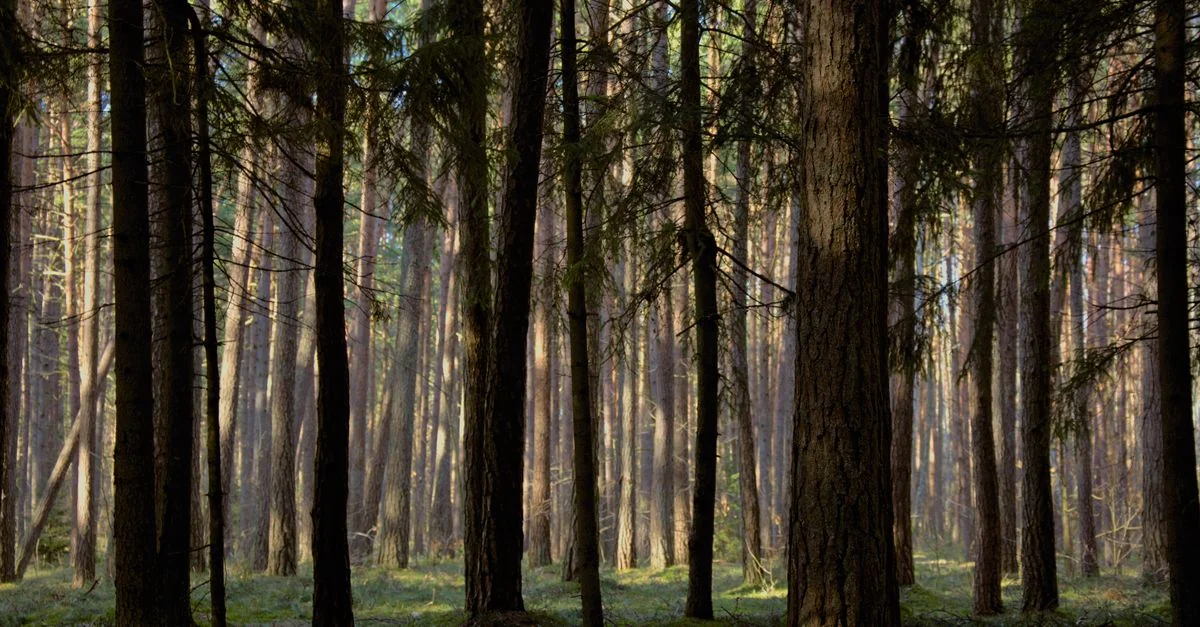
Planning a trip to the Baltic coast requires an understanding of the dramatic seasonal shifts. The summer months of June, July, and August offer the most reliable weather, with long daylight hours that stretch well into the evening. During this peak season, the city comes alive with outdoor festivals, and the ferry crossings to the Curonian Spit are frequent. However, this is also when you will encounter the highest density of travelers and the peak pricing for accommodation. If you prefer warmth and want to spend your days on the sandy beaches, these months are the obvious choice, though you should expect to book your stay well in advance.
For those who prefer a quieter experience, the shoulder seasons of May and September provide a pleasant middle ground. The temperatures are cooler, requiring a light jacket, but the crowds thin out significantly, and the city feels more like a local neighborhood than a tourist destination. Prices for lodging tend to drop, making it easier to find value in the city center. Winter is a different experience entirely, characterized by short days and biting winds coming off the sea. While the city is not a traditional winter resort, it remains functional and quiet. If you visit between November and March, you will find the lowest prices of the year, though many outdoor attractions and seasonal ferry routes will be limited or closed entirely.
Where to Stay in Klaipeda#
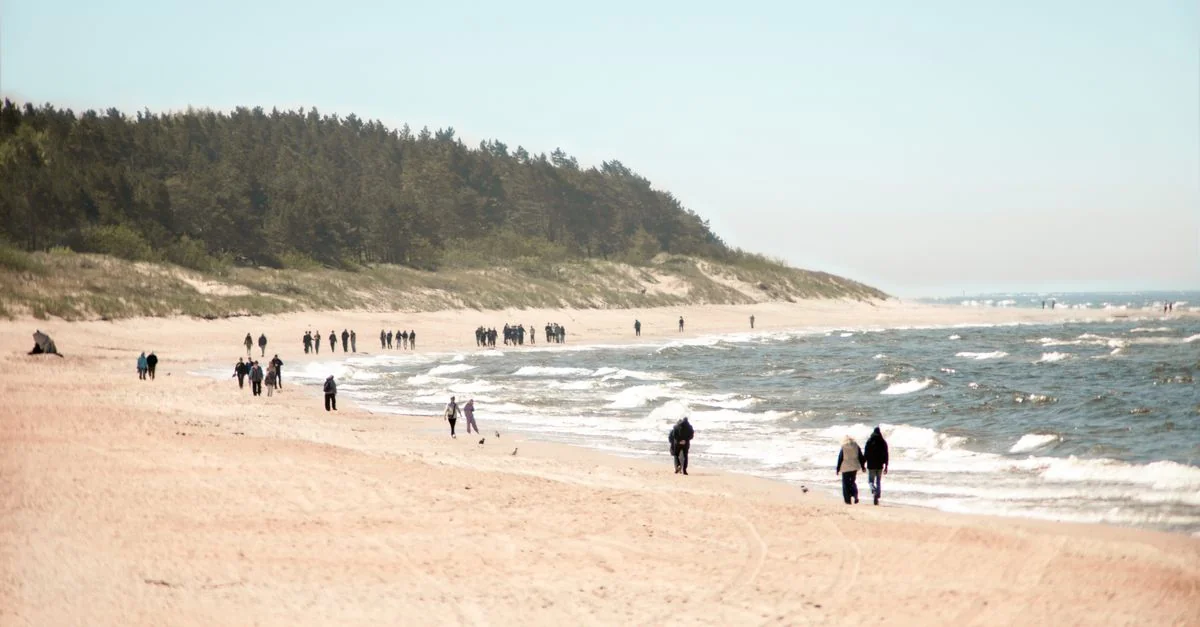
The Old Town remains the most logical choice for first-time visitors who want to be within walking distance of the city’s primary sights. This area is characterized by narrow cobblestone streets and historic architecture. You will find a range of options here, from budget-friendly guesthouses housed in renovated warehouses to mid-range boutique apartments that offer a more intimate feel. Staying here allows you to step out of your door and immediately access the riverfront cafes and the central squares, making it the most convenient spot for a short stay.
If you are looking for a slightly more modern atmosphere, the area surrounding the Danė River offers a mix of newer residential developments and refurbished commercial spaces. This neighborhood is ideal for travelers who want a bit more space and perhaps a view of the water. You can find several mid-range options here that cater to those who prefer a contemporary aesthetic over the rustic charm of the historic center. The area is quiet at night but remains just a short walk from the primary dining and entertainment districts.
For those seeking a more relaxed, residential experience, the districts slightly north of the center provide a glimpse into how locals live. This is where you will find more budget-conscious apartment rentals and family-run guesthouses. While you will need to rely on public transit or a short taxi ride to reach the main attractions, the trade-off is a much quieter environment and a more authentic feel. If you are traveling with a group or planning an extended stay, these residential pockets offer better value and more amenities, such as full kitchens and laundry facilities.
Top Things to Do in Klaipeda#
The heart of the city is best explored by starting at Theater Square, the central hub where the iconic Ann of Tharau Fountain stands. This space serves as the primary gathering point for local events and markets. From there, it is a short walk to the Klaipeda Castle Museum, where you can explore the underground casemates and learn about the city’s defensive history. The site itself is a mix of ruins and reconstructed elements, providing a clear look at the fortifications that once protected this strategic port.
To understand the maritime soul of the city, head to the Lithuanian Sea Museum and Aquarium, which is located at the tip of the Curonian Spit. You will need to take a short ferry ride to reach it, which is an experience in itself. The museum is housed in an old fortress and features exhibits on shipping, navigation, and the local marine life. Nearby, you can walk along the Smiltynė Beach, known for its fine white sand and the surrounding pine woods. This is the most accessible stretch of the coast and remains a favorite for locals looking for a quick escape from the city streets.
Back on the mainland, keep an eye out for the Black Ghost Sculpture, a haunting bronze figure emerging from the water near the castle ruins. It is a small, easy-to-miss detail that captures the local folklore. For a deeper dive into the city’s past, the Clock and Watch Museum offers a surprising amount of detail on the evolution of timekeeping, housed in a beautiful 19th-century building. If you have extra time, a stroll through the Sculpture Park provides a peaceful outdoor space filled with modern art installations tucked between mature trees. Finally, make sure to visit the Meridianas, a historic sailing ship permanently docked on the Danė River. It serves as a visual landmark and a reminder of the city’s long-standing connection to the Baltic Sea.
Food and Dining Guide#
Lithuanian cuisine in Klaipeda is hearty and heavily influenced by the local availability of potatoes, grains, and Baltic fish. You will quickly encounter Cepelinai, which are large, potato-based dumplings stuffed with meat or curd and usually served with a generous dollop of sour cream and bacon bits. It is a heavy dish, perfect for a cold day. For those who prefer something lighter, Kepta Duona is a staple snack found in almost every pub; it consists of strips of fried rye bread rubbed with garlic and served with a thick cheese or mayonnaise-based dipping sauce.
Fish remains a central part of the local diet, particularly smoked varieties. You should try Rūkyta Žuvis, which is freshly smoked fish sourced from the nearby lagoons. It is often served simply, allowing the flavor of the wood smoke and the freshness of the catch to shine. Another common comfort food is Šaltibarščiai, a lively pink cold beet soup served with boiled potatoes and dill. It is a refreshing option during the warmer months. When dining out, look for small, independent taverns in the Old Town for the most authentic preparation of these dishes. While there are international options available, sticking to the traditional items will give you a better sense of the regional palate.
Getting Around Klaipeda#
Klaipeda is a compact city, and the central area is highly walkable. Most of what a visitor needs to see is concentrated within the historic center, making it easy to navigate on foot. For longer distances, the city operates a reliable network of buses that connect the residential outskirts to the center. You can purchase tickets directly from the driver or use a local transit card if you plan on using the system frequently. Taxis are also readily available and are a convenient, mid-range option for late-night travel or if you are carrying heavy luggage.
If you plan to explore the Curonian Spit, you will need to utilize the pedestrian and car ferries that depart from the city center. These are affordable and run on a regular schedule, though they can become busy during the summer holidays. Rental cars are generally unnecessary if you are staying within the city limits, as parking in the Old Town can be restrictive and expensive. However, if you intend to take day trips to other parts of the Lithuanian coast or the inland countryside, a rental car provides the most flexibility. Just be aware that driving in the city center requires navigating narrow, one-way streets that can be confusing for newcomers.
Budget Breakdown#
Travelers will find that Klaipeda offers a range of price points depending on their preferences. Budget travelers can comfortably manage by staying in hostels or shared apartments, eating at casual local eateries, and relying on public transport. In this tier, your daily expenses will remain modest, allowing you to extend your trip without significant financial strain. Mid-range travelers can expect to stay in comfortable boutique hotels or private apartments, enjoy sit-down meals at local restaurants, and use taxis for convenience. This level of spending provides a good balance between comfort and cost.
Luxury travelers will find that even at the high end, the city is more affordable than major Western European capitals. You can secure the best available suites, dine at upscale establishments, and hire private drivers for excursions to the surrounding national parks. Regardless of your budget, it is helpful to keep in mind that cash is still preferred in some of the smaller, family-run shops and markets, so keeping a small amount of local currency on hand is a smart practice. Overall, the city provides excellent value for the money, especially when compared to the more heavily trafficked tourist destinations in Scandinavia or Western Europe .
Travel Tips for Klaipeda#
Language is one of the first things to consider. While Lithuanian is the official language, many people in the service industry, especially the younger generation, speak English well. It is still polite to learn a few basic phrases, as locals appreciate the effort. You will find that signs in the center are often translated, but having a translation app on your phone can be useful if you venture into the smaller, more residential districts where English usage is less common.
Connectivity is generally excellent. You will find free, high-speed Wi-Fi in most cafes, restaurants, and public libraries. If you rely heavily on your phone for navigation, picking up a local prepaid SIM card is an inexpensive and easy way to ensure you have data access throughout your trip. This is particularly helpful if you plan on cycling or hiking in the Curonian Spit, where you might want to access maps or bus schedules on the go.
Footwear is a practical concern given the historic nature of the city. The Old Town is paved with uneven cobblestones, which can be challenging in thin-soled shoes or heels. Bringing a sturdy, comfortable pair of walking shoes will make your time exploring the city much more enjoyable. If you plan to visit the sand dunes or the beach, bring footwear that is easy to shake out, as the fine sand tends to get everywhere.
Tipping culture in Lithuania is modest compared to the United States . It is customary to leave a small tip in restaurants if the service was good, usually by rounding up the bill or adding a small percentage. It is not mandatory, and you should not feel pressured to tip at the same levels you might back home. If you are paying by card, check if the terminal allows you to add a tip before you finalize the transaction, or simply leave the amount in cash on the table.
Safety is generally not a major concern in Klaipeda. Like any port city, it is wise to be aware of your surroundings, especially late at night near the docks or in less populated areas. Petty theft is rare, but standard precautions—such as keeping your valuables secure and not leaving bags unattended in public spaces—are always recommended. The city feels safe for solo travelers and families alike, and you will likely find the local population to be helpful and welcoming.
Weather preparedness is essential, regardless of the time of year. The maritime climate means that conditions can change rapidly. Even in the middle of summer, a sudden breeze off the Baltic can make the air feel chilly. Packing layers is the best approach to ensure you stay comfortable throughout the day. A lightweight, waterproof jacket is a must, as rain showers can occur without much warning, particularly in the shoulder seasons.
📌 Disclaimer
Prices, schedules, tour details, flight routes, visa requirements, and all other information on this page are based on data at the time of writing. Fares, availability, and policies may change. Please verify current details on the official website before booking.
📌 More about Klaipeda