📌 Disclaimer
Prices, schedules, tour details, flight routes, visa requirements, and all other information on this page are based on data at the time of writing. Fares, availability, and policies may change. Please verify current details on the official website before booking.
Why Visit Kirkwall#
The smell of burning peat drifts through the salty North Atlantic air, mixing with the scent of old sandstone and baking shortbread. As the historic capital of the Orkney Islands, Kirkwall offers American travelers a rare chance to step away from the hyper-modern tourist trail and into a landscape shaped by Norse history, Viking legends, and remote island isolation. Walking down the flagstoned streets of the town center, you realize this northern outpost feels entirely distinct from mainland Scotland , possessing its own architectural rhythm and cultural identity.
Geographically positioned at a latitude similar to southern Alaska or central Norway , Kirkwall serves as the ideal base camp for exploring an archipelago containing some of the best-preserved prehistoric monuments in Europe . The town itself spans a narrow neck of land between two bodies of water, giving it a maritime energy where fishing boats bob alongside modern ferries. For travelers willing to make the journey north, the rewards include prehistoric stone circles, dramatic cliffside walks, and an unhurried pace of life that forces you to slow down and notice the details.
Beyond the ancient history, Kirkwall maintains a welcoming, close-knit community spirit where local artisans, farmers, and musicians share their crafts in independent shops and cozy pubs. Traditional fiddle music spills out into the evening air, and conversations in local pubs easily turn to weather, sheep farming, and ancient history. Visiting this remote northern corner provides a genuine connection to Scottish island life, far removed from the crowded tour buses found in Edinburgh or the Highlands.
Best Time to Visit Kirkwall#
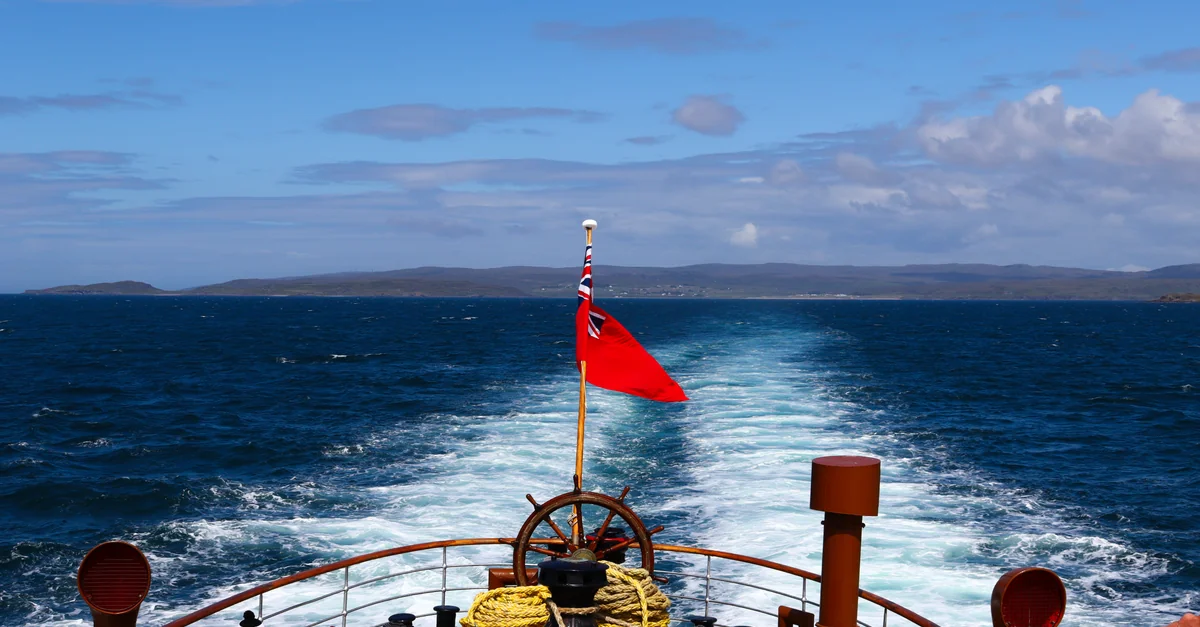
Planning a trip to Orkney requires careful consideration of the northern latitude, which brings dramatic shifts in daylight and weather throughout the year. The prime window for American travelers stretches from June through August, when summer brings peak daylight hours—sometimes up to eighteen hours of sun—and the mildest temperatures of the year. During these months, daytime highs generally hover in the comfortable mid-fifties to low sixties Fahrenheit. Crowd levels reach their highest point in July and August, mostly consisting of European motorists and island-hopping hikers, and accommodation prices peak accordingly, requiring bookings many months in advance.
For those looking to avoid crowds and secure better rates on lodging, the shoulder months of May and September offer a rewarding alternative. May often brings some of the driest weather of the year, alongside blooming wildflowers on the coastal cliffs, while September offers crisp autumn air and changing foliage on the heather-covered moorlands. While temperatures dip during these shoulder months, the island sights remain open, and you will share ancient monuments with only a handful of other visitors.
Winter in Kirkwall brings short days, howling Atlantic winds, and frequent rain, making it suitable primarily for dedicated travelers seeking absolute solitude or photographers chasing dramatic storm light. Daylight shrinks to just six hours in December, and many seasonal tourism businesses close their doors until spring. However, winter travelers benefit from the lowest accommodation prices of the year and the warm, welcoming atmosphere of local pubs hosting fireside traditional music sessions.
Where to Stay in Kirkwall#
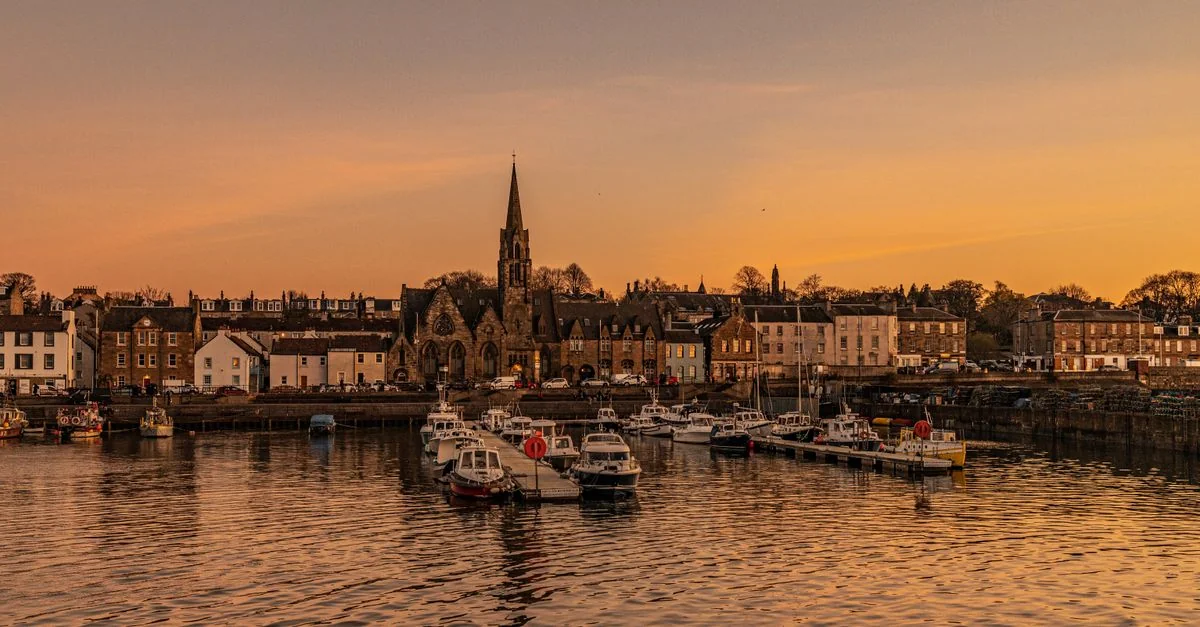
Choosing where to sleep in Kirkwall depends largely on your travel style, but the town is compact enough that almost any central location puts you within walking distance of the main historic sites, restaurants, and the harbor.
For travelers seeking a boutique experience with high-end comforts, the Historic Town Center offers stone-built properties and upscale townhouses that put you right next to the cathedral. Staying in this core allows you to walk out your front door straight onto flagstone lanes, dine at top-tier restaurants without needing a designated driver, and admire centuries-old architecture from your window. Prices in this central zone represent the upper tier of island accommodation, reflecting the premium of historic character and immediate walkability.
Just a short walk uphill from the harbor, the Peerie Sea and West Mainland Approach neighborhoods provide a quieter residential atmosphere with comfortable mid-range guesthouses and modern bed-and-breakfasts. These areas generally offer easier parking for rental cars and a bit more space, making them ideal for families or travelers planning daily driving excursions across the islands. Rates here fall into the mid-range category, balancing convenience and comfort without the highest price tags of the town center.
Budget-conscious visitors and independent explorers often look toward the Hatston and Eastern Outskirts, where you will find smaller guest houses, independent hostels, and private room rentals. While these areas require a ten-to-fifteen-minute walk into the historic core, they offer lower price points and straightforward access to the ferry terminal if you plan to island-hop further north. This part of Kirkwall is practical, straightforward, and serves as an affordable launching pad for exploring the rest of Orkney.
Top Things to Do in Kirkwall#
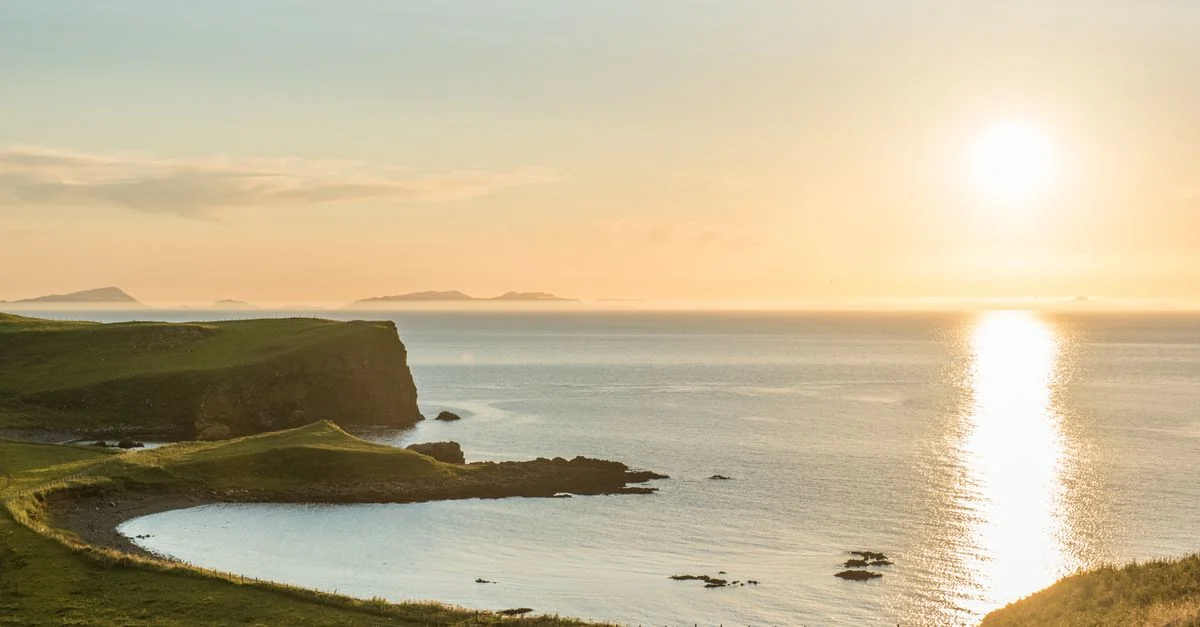
No visit to the capital is complete without spending time inside St. Magnus Cathedral, often called the Light of the North. Constructed from red and yellow sandstone starting in the twelfth century, this imposing structure dominates the town skyline and holds the remains of its patron saint. Walking through the vaulted interior reveals heavy Norman pillars, medieval tombstones, and stained glass that casts colorful patterns across the stone floor. Just across the gravel square stands the ruinous Palace of the Earls and Bishops, where visitors can climb narrow spiral staircases to peer out over the rooftops and imagine the turbulent medieval politics of the Scottish earls.
To understand the daily life of the islands, make your way to the Orkney Museum, housed in a restored merchant’s mansion known as Tankerness House. The exhibits take you on a journey from prehistoric farming tools to Pictish carved stones and Jacobite relics, all displayed within rooms featuring original timber paneling and walled gardens. Afterward, take a short stroll down to the busy Kirkwall Harbor, where fishing vessels unload their catches and ferries arrive from the Scottish mainland, offering a front-row seat to the maritime heartbeat of the community.
Venturing just outside the immediate town boundaries unlocks some of the most significant archaeological landscapes in the world. A short drive brings you to the monumental Maeshowe Chambered Cairn, a prehistoric tomb built thousands of years before the Egyptian pyramids. Entering the damp stone mound requires ducking through a low corridor before standing in a central vaulted chamber where Viking raiders carved runic graffiti into the walls during the twelfth century. Continuing across the mainland leads to the Ring of Brodgar, a massive stone circle standing on a narrow strip of land between two lochs, where the sheer scale of ancient engineering leaves visitors in awe.
Nearby, the excavation site at the Ness of Brodgar showcases ongoing archaeological discoveries that continue to rewrite our understanding of Neolithic Britain, with massive stone structures and painted pottery emerging from the soil during the summer dig season. A short distance away lies the remarkably preserved prehistoric village of Skara Brae, where stone furniture, hearths, and doorways remain intact inside houses buried by sandstorms four thousand years ago. Balancing these ancient wonders, a visit to the Highland Park Distillery, situated on the southern edge of Kirkwall, offers a sensory counterpoint where peated malt whisky matures in sherry-seasoned oak casks, utilizing traditions maintained since the late eighteenth century.
Food and Dining Guide#
Island dining in Kirkwall relies heavily on the surrounding cold Atlantic waters and fertile pastures, creating a distinct regional menu that champions fresh, local ingredients.
One of the essential items to try is Orkney Cheddar, a sharp, creamy cheese produced on local dairy farms using milk from grass-fed cows. This cheese appears on almost every local pub menu, frequently paired with crusty bread and homemade chutneys, offering a rich and comforting snack after a chilly morning of exploring ancient ruins.
Moving on to seafood, North Atlantic Scallops rank among the finest catches in the British Isles, harvested from the clean, cold waters surrounding the archipelago. Local kitchens often pan-sear these sweet, tender scallops simply in butter and garlic, letting the natural flavor of the ocean take center stage without heavy sauces masking the taste.
For meat lovers, Orkney Lamb is renowned for its unique flavor profile, which comes from sheep grazing on coastal machair and eating seaweed along the shore during winter months. This produces a naturally tender meat that appears in traditional stews, roasted rack preparations, and hearty pies served in local dining rooms.
Another regional specialty is Beremeal Bannocks, made from bere, an ancient strain of barley that has been cultivated in Orkney for thousands of years. The resulting bread has a dense, nutty texture and is traditionally served toasted with salted butter or alongside bowls of steaming fish chowder.
When it comes to where to eat, Kirkwall offers a range of options from casual bakeries and traditional pubs to upscale hotel dining rooms. For an authentic and relaxed meal, local pubs serve comforting classics and fresh catches at moderate prices, while the town’s cafes are ideal for midday soups and home-baked cakes. Reservations are strongly recommended for evening dining during the peak summer months, as independent kitchens have limited seating capacity.
Getting Around Kirkwall#
Navigating Kirkwall on foot is the best way to experience the historic center, as the narrow, flagstoned streets and twisting alleyways are pedestrian-oriented and reveal hidden courtyards that cars cannot reach. Walking allows you to appreciate the architectural details of the old stone buildings and duck into independent craft shops and bakeries at a leisurely pace.
For exploring beyond the town limits and reaching the archaeological sites scattered across the wider mainland, renting a car is the most practical choice. Rental agencies operate out of the local airport and ferry terminals, but vehicles must be booked well in advance of the summer season due to limited island supply. Driving is straightforward, though you should be prepared for narrow single-track roads with passing places, as well as the occasional sheep wandering onto the tarmac.
Public transportation is managed by local bus routes that connect Kirkwall to major sights like Skara Brae and outlying villages like Stromness. While buses are reliable and affordable, schedules are geared primarily toward school runs and commuters, meaning services can be infrequent, especially on weekends and Sundays. Taxis are available for hire within the town, but booking rides ahead of time is essential, as hailing a cab on the street is rare in this quiet northern setting.
Budget Breakdown#
Traveling to a remote island community requires some financial planning, as transporting goods across the North Sea adds to the baseline cost of food, fuel, and accommodation.
For budget travelers staying in hostels or simple guesthouses, preparing your own meals using local market ingredients, and relying on public buses or walking, daily expenses remain manageable. You will spend your money primarily on modest lodging, grocery staples, and occasional bus fares, keeping daily costs in the lower tier.
Mid-range travelers can expect a comfortable experience staying in traditional bed-and-breakfasts or private guesthouses, dining out at local pubs and cafes for lunch and dinner, and renting a car for a few days to explore prehistoric sites. This tier offers a balanced approach, allowing you to enjoy guided tours, distillery tastings, and comfortable rooms without excessive spending.
Luxury travelers looking for upscale boutique accommodation, fine dining at top island restaurants, private vehicle rentals, and personalized private tours will find that costs rise significantly. High-end lodging in historic properties and premium dining experiences command top-tier pricing, reflecting the exclusivity and demand for premium services in this isolated destination.
Travel Tips for Kirkwall#
Weather preparedness is essential when packing for Orkney, regardless of the season you choose to visit. The maritime climate means sunshine, rain, and fierce winds can all occur within a single afternoon, so the local strategy of wearing layers and carrying a dependable waterproof shell is non-negotiable for any outdoor excursion.
Packing footwear requires prioritizing practicality over fashion, as the historic streets of Kirkwall feature uneven flagstones, and coastal walking paths can be muddy and slick. Sturdy, waterproof hiking boots with good grip will keep your feet dry and stable whether you are walking through a Neolithic stone circle or navigating cliffside trails.
Cash and connectivity can occasionally present minor hurdles in remote parts of the islands, so it pays to be prepared. While most shops and restaurants in Kirkwall accept contactless card payments, carrying some physical cash is useful for rural honesty boxes, small farm gates, and rural bus fares where mobile signal can drop out entirely.
Midges and insects can be a persistent nuisance during calm, humid summer days, particularly near bodies of water and peat bogs. Packing a reliable insect repellent containing DEET or wearing fine headnets ensures that your visits to ancient monuments and nature reserves remain comfortable rather than frustrating.
Respecting private land is a fundamental part of exploring the Scottish countryside, where responsible access rights come with a duty of care. Always close farm gates behind you, keep dogs securely leashed around livestock, and leave ancient stone structures untouched to preserve them for future generations.
Island time mentality governs the pace of life in Kirkwall, meaning businesses may open slightly later, close earlier, or observe unexpected holiday hours compared to major American cities. Embracing this unhurried rhythm rather than rushing your itinerary will lead to a much more relaxing and authentic travel experience.
📌 Disclaimer
Prices, schedules, tour details, flight routes, visa requirements, and all other information on this page are based on data at the time of writing. Fares, availability, and policies may change. Please verify current details on the official website before booking.