📌 Disclaimer
Prices, schedules, tour details, flight routes, visa requirements, and all other information on this page are based on data at the time of writing. Fares, availability, and policies may change. Please verify current details on the official website before booking.
Why Visit Killarney?#
The scent of damp peat smoke clings to the wool of your sweater as you step off the train, a sharp, earthy reminder that you have arrived in the heart of County Kerry. Killarney serves as the gateway to the southwest, where the jagged peaks of the MacGillycuddy’s Reeks drop abruptly into the mirror-like surfaces of ancient lakes. Unlike the sprawling metropolitan energy of Dublin , this town maintains a pace dictated by the rolling mist and the slow movement of sheep across mountain passes. It is a place where the landscape feels larger than the architecture, providing a necessary reset for those accustomed to the frantic speed of American urban life.
Travelers choose this corner of Ireland because it balances accessibility with wild, untamed nature. You can spend your morning walking through manicured Victorian gardens and your afternoon standing on a desolate cliffside overlooking the Atlantic. The local culture is defined by a genuine hospitality that doesn’t feel performative; it is rooted in a long history of welcoming outsiders who come to witness the dramatic light shifts over the lakes. Whether you are looking for a base for serious hiking or a quiet spot to nurse a pint while listening to a fiddle player in a corner pub, the town provides a grounded, authentic experience that lingers in your memory long after you board your flight home.
Best Time to Visit Killarney#
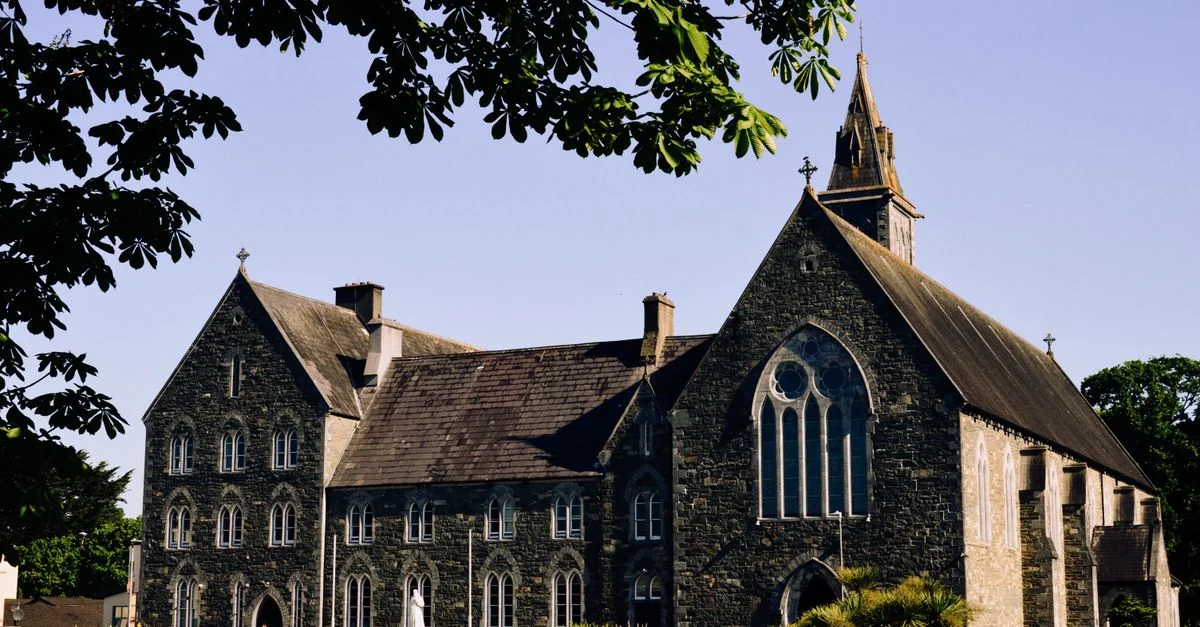
Selecting the right month for your trip depends largely on your tolerance for rain and your desire for solitude. May and June offer the longest daylight hours, often stretching until nearly 11:00 PM, which provides ample time to explore the national park without rushing. During these months, the wildflowers are in full bloom, and the temperatures are mild, typically ranging from the mid-50s to low 60s Fahrenheit. While you will encounter other travelers, the peak summer crowds of July and August have not yet arrived, making it easier to secure tables at popular restaurants and find parking at trailheads.
July and August are the busiest months, characterized by higher prices for lodging and a significant increase in foot traffic. If you choose these months, expect to share the most popular viewpoints with tour buses, though the weather is generally at its most stable. If you prefer quiet trails and lower rates, consider visiting in September or October. The autumn colors against the backdrop of the dark mountain rock create a striking visual, and while the days shorten, the crisp air is ideal for long walks. November through March brings the lowest prices and the fewest visitors, but you must be prepared for frequent rain and limited daylight. Many smaller attractions reduce their operating hours during the winter, so this window is best suited for those who prioritize indoor comfort and cozy pub fires over outdoor trekking.
Where to Stay in Killarney#
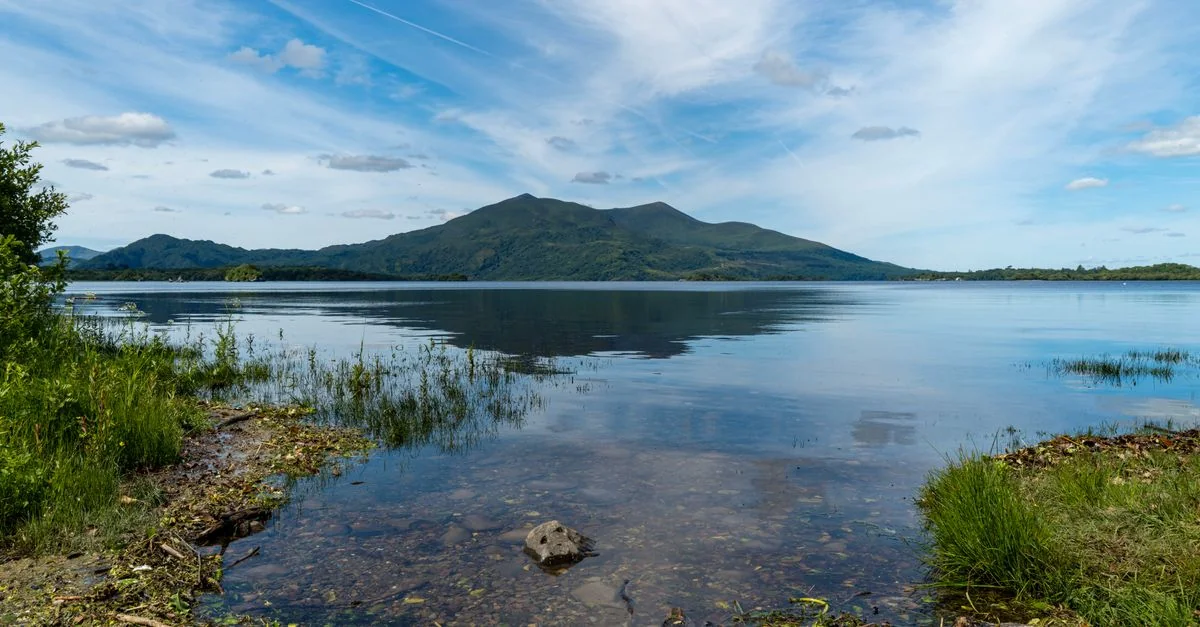
The town center provides the most convenience for those relying on public transit or wanting proximity to nightlife. Staying in the downtown area puts you within walking distance of the train station and the main bus routes, making it easy to return to your room after a late dinner. Accommodations here range from simple, family-run guesthouses that offer a traditional Irish breakfast to upscale townhouses that blend historic charm with modern amenities. This area is ideal for travelers who want to be in the middle of the action and prefer not to worry about driving after an evening out.
The Muckross Road corridor offers a different experience, placing you closer to the entrance of the national park. This area is dominated by mid-range and luxury properties that often feature expansive grounds and views of the surrounding mountains. Staying here is perfect for those who plan to spend most of their time cycling or hiking, as you are essentially at the doorstep of the major trailheads. You will find that these properties offer a quieter atmosphere compared to the town center, though you will likely need to rely on taxis or a rental car to reach the main shopping and dining streets.
For those seeking a rural escape, the outskirts toward the Ring of Kerry offer a variety of self-catering cottages and independent lodges. These spots provide the most privacy and are excellent for travelers planning a longer stay. You might find a renovated farmhouse or a modern lodge tucked away in the hills, offering a sense of isolation that is difficult to find in town. While these locations require a vehicle, they allow you to wake up to the sound of birds rather than the hum of traffic, providing a deep sense of connection to the Irish countryside.
Top Things to Do in Killarney#
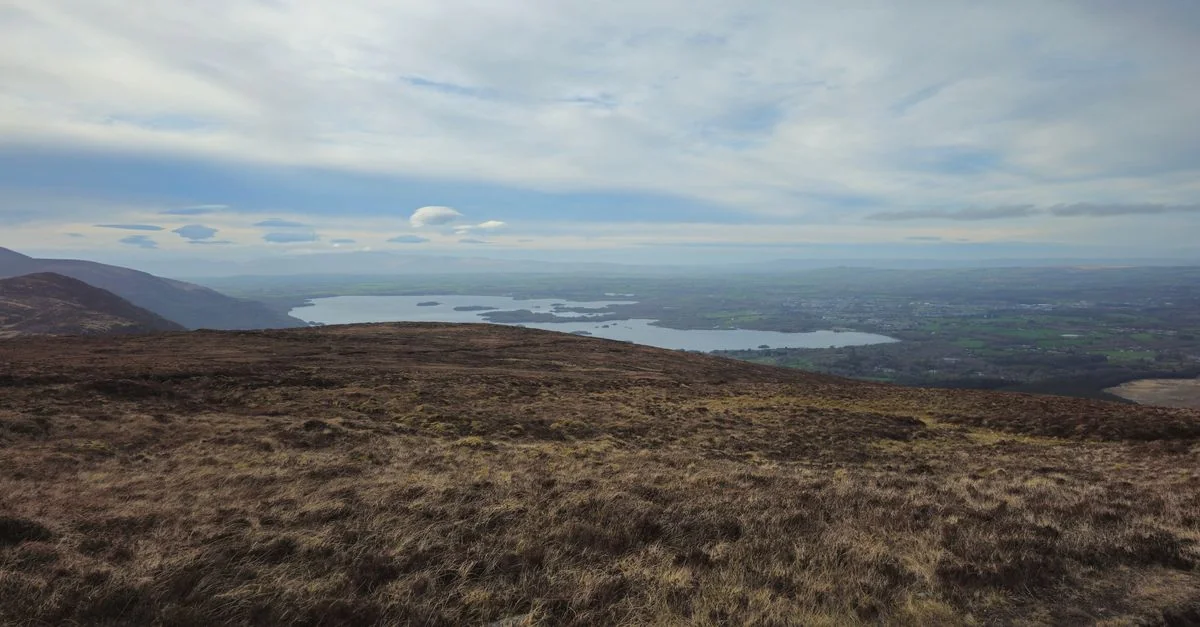
The crown jewel of the area is Killarney National Park, a vast expanse of woodland, mountains, and water that demands multiple days of exploration. Within its borders, you will find Ross Castle, a 15th-century tower house that sits right on the edge of Lough Leane. The stone walls are cold to the touch, and climbing the narrow, winding stairs offers a glimpse into the defensive strategies of the local chieftains. Nearby, the ruins of Muckross Abbey provide a more somber experience; the central courtyard, featuring a massive, ancient yew tree, is a place of profound silence that feels untouched by the centuries.
A short drive or a long cycle brings you to Muckross House and Gardens, where the Victorian estate showcases the lifestyle of the landed gentry. The gardens are particularly impressive in the spring, with rhododendrons and azaleas creating a dense wall of color. For those seeking a panoramic perspective, a trip to Ladies View is essential. Named after the ladies-in-waiting to Queen Victoria who were reportedly struck by the scenery, this vantage point offers a sweeping look at the lakes and the valley below. It is best visited early in the morning before the tour buses arrive, allowing you to appreciate the scale of the landscape in quiet.
If you are interested in the engineering and history of the region, Torc Waterfall is a must-see. The short, steep climb to the top of the falls provides a great view of the surrounding forest, and the sheer volume of water cascading over the rocks is impressive even after a light rain. For a more strenuous adventure, consider the hike up Mangerton Mountain. This is a challenging trek that rewards you with views across the entire county, though the weather can change rapidly at the summit, so check the forecast carefully before departing.
For a unique perspective on the water, take a boat tour to Innisfallen Island. The island holds the ruins of a monastery that dates back to the 7th century, and the journey across the lake provides a different angle of the mountains that you simply cannot get from the shore. If you prefer to stay on land, a visit to Knockreer House offers a more relaxed walk through the park’s meadows, where you can often spot the herd of wild red deer that roam the grounds. These animals are accustomed to humans but should be respected from a distance, as they are a protected part of the park’s ecosystem.
Food and Dining Guide#
The food in this region has evolved beyond the stereotypical boiled dinner, focusing instead on the quality of local ingredients. You will find that Irish Soda Bread is a staple at almost every meal, often served warm with a thick slab of salted butter. It is dense, hearty, and serves as the perfect accompaniment to a bowl of Seafood Chowder. This soup varies from kitchen to kitchen, but it is almost always packed with fresh white fish, smoked haddock, and shellfish caught off the nearby coast, thickened with cream and served with a side of brown bread.
For a main course, look for Lamb Stew, which utilizes the meat from sheep raised on the nearby hills. The flavor is deep and savory, usually slow-cooked with root vegetables until the meat falls apart at the touch of a fork. If you are looking for something lighter, Smoked Salmon from the local rivers is a delicacy that is frequently featured on breakfast menus or served as a starter with a squeeze of lemon and capers. For a quick afternoon bite, many pubs offer Bangers and Mash, a classic comfort dish that is reliable, filling, and inexpensive.
Dining in the town center ranges from casual pubs serving hearty portions to more refined establishments focusing on modern Irish techniques. Do not be afraid to duck into a pub that looks unassuming; these spots often have the most consistent kitchens. Street food is less common in the traditional sense, but you will find plenty of small cafes offering takeaway sandwiches and pastries that are perfect for a picnic in the park. If you want a more formal experience, look for restaurants that highlight local suppliers on their menus, as these places are the most likely to offer seasonal dishes that reflect the current harvest.
Getting Around Killarney#
Navigating the area is straightforward, though your strategy should change based on your itinerary. The town itself is very walkable, and you can reach most shops, pubs, and restaurants on foot within fifteen minutes. For getting to the national park, many visitors choose to rent bicycles. There are several shops in town that offer daily rentals, and the park has an extensive network of paved paths and gravel trails that are safe for cyclists of all abilities. This is arguably the best way to see the lakes, as it allows you to stop whenever you see a photo opportunity or a quiet spot to rest.
If you plan to explore the Ring of Kerry or the Dingle Peninsula, renting a car is the most practical option. It provides the freedom to set your own schedule and visit the smaller, less accessible coastal villages. Be aware that the roads in rural Ireland can be quite narrow, with stone walls or hedges pressing against the pavement. If you are from the United States , remember that you will be driving on the left side of the road, which requires a period of adjustment. Always ensure you have adequate insurance and take your time on the winding mountain passes.
Public transit consists mainly of trains and regional buses. The train station is centrally located and connects the town to major hubs like Cork and Dublin. Buses are useful for reaching specific trailheads or neighboring towns, but the schedules can be infrequent, especially on weekends and in the off-season. Taxis are readily available throughout the town, and local drivers are often a great source of information regarding road conditions or local events. If you are staying on the outskirts, it is wise to have the number of a local taxi company saved in your phone for your return trip at night.
Budget Breakdown#
A budget-conscious traveler can expect to spend between $100 and $130 per day. This assumes you are staying in a hostel or a budget guesthouse, eating one meal out while preparing others from grocery store supplies, and relying on walking or cycling for transportation. You will find that many of the best natural attractions in the area are free to enter, which helps keep costs down significantly.
For a mid-range experience, budget roughly $200 to $250 per day. This covers a stay in a comfortable, mid-tier hotel or high-end guesthouse, two meals out at local restaurants, and the cost of renting a car for a few days to explore the surrounding regions. You will also have room in your budget for guided tours, such as boat trips or specialized hiking excursions, which can add a layer of depth to your understanding of the local geography and history.
A luxury trip will likely start at $400 per day and can go much higher depending on your preferences. This allows for stays in premium hotels with spa facilities, dining at the region’s top-rated restaurants, and hiring private drivers for your excursions. At this level, you can expect a high degree of service and comfort, with the ability to customize your itinerary to include exclusive access to certain sites or private guided tours that cater specifically to your interests.
Travel Tips for Killarney#
Packing for Weather is perhaps the most important consideration for any trip to this region. Even in the middle of summer, the weather can shift from bright sunshine to a heavy downpour in a matter of minutes. Always carry a high-quality waterproof jacket and wear layers that you can easily add or remove. Avoid cotton clothing for outdoor activities, as it stays wet and cold; opt for wool or synthetic materials that wick moisture away from your skin.
Respecting the Landscape is essential for maintaining the beauty of the national park. The trails are fragile, and the delicate mosses and ferns can be easily damaged by foot traffic. Always stay on marked paths, pack out everything you pack in, and never leave trash behind. The deer and other wildlife are wild animals, so keep a respectful distance and never attempt to feed them, as this disrupts their natural behavior and can be dangerous.
Tipping Etiquette in Ireland is more modest than in the United States. While not mandatory, it is customary to leave a small tip in restaurants if the service was good, usually around ten percent. In pubs, you are not expected to tip for each drink, though it is common to round up the bill or leave a small amount if you are running a tab. If you are taking a taxi, rounding up to the nearest euro is a polite and standard practice.
Public Restrooms can be sparse once you leave the town center. Make use of the facilities in your hotel or restaurant before heading out for a long hike. While there are some public toilets near the main park entrances, they are not always open or well-maintained. Keeping a small pack of tissues or hand sanitizer in your day bag is a practical habit for any traveler exploring the rural areas.
Booking in Advance is highly recommended if you are visiting between May and September. Popular restaurants and guided tours fill up quickly, and the best-value accommodation is often booked months ahead of time. If you have your heart set on a specific dinner spot or a particular boat trip, secure your reservation as soon as your travel dates are confirmed to avoid disappointment.
Embracing the Pace is the best way to enjoy your time here. The local culture values conversation and a relaxed approach to the day. If you find yourself in a pub, do not rush your pint. Engage with the locals, listen to the stories, and allow yourself to be flexible with your plans. Often, the most memorable parts of a trip to Ireland are the unplanned conversations and the quiet moments spent watching the clouds move over the mountains, rather than the items you check off your list.
📌 Disclaimer
Prices, schedules, tour details, flight routes, visa requirements, and all other information on this page are based on data at the time of writing. Fares, availability, and policies may change. Please verify current details on the official website before booking.
📌 More about Killarney