📌 Disclaimer
Prices, schedules, tour details, flight routes, visa requirements, and all other information on this page are based on data at the time of writing. Fares, availability, and policies may change. Please verify current details on the official website before booking.
Why Visit Kiel?#
The sharp scent of salt water and diesel hangs heavy in the air as massive Scandinavian ferries glide past apartment windows, a daily reminder that this northern German port city exists entirely in partnership with the Baltic Sea. Unlike the medieval fairytale aesthetics found further south, Kiel offers an unvarnished, working-waterfront charm shaped by its maritime identity and naval history. For American travelers looking to step off the heavily touristed tracks of Bavaria and the Rhine Valley, this destination provides an authentic look at contemporary German coastal life, where industrial shipyards sit alongside expansive public parks and sandy beaches.
The geography of the city defines every aspect of a visit, centered around the long, fjord-like Kiel Fjord that cuts deeply into the Schleswig-Holstein mainland. Waterfront promenades encourage long walks past passing sailboats, while the annual sailing events draw international crowds that temporarily transform the quiet harbor into a festive maritime hub. Visitors find a destination that moves at a refreshingly steady pace, where historic sailing ships share the water with modern research vessels, and the local culture revolves around the simple pleasures of coastal living and maritime heritage.
Best Time to Visit Kiel#
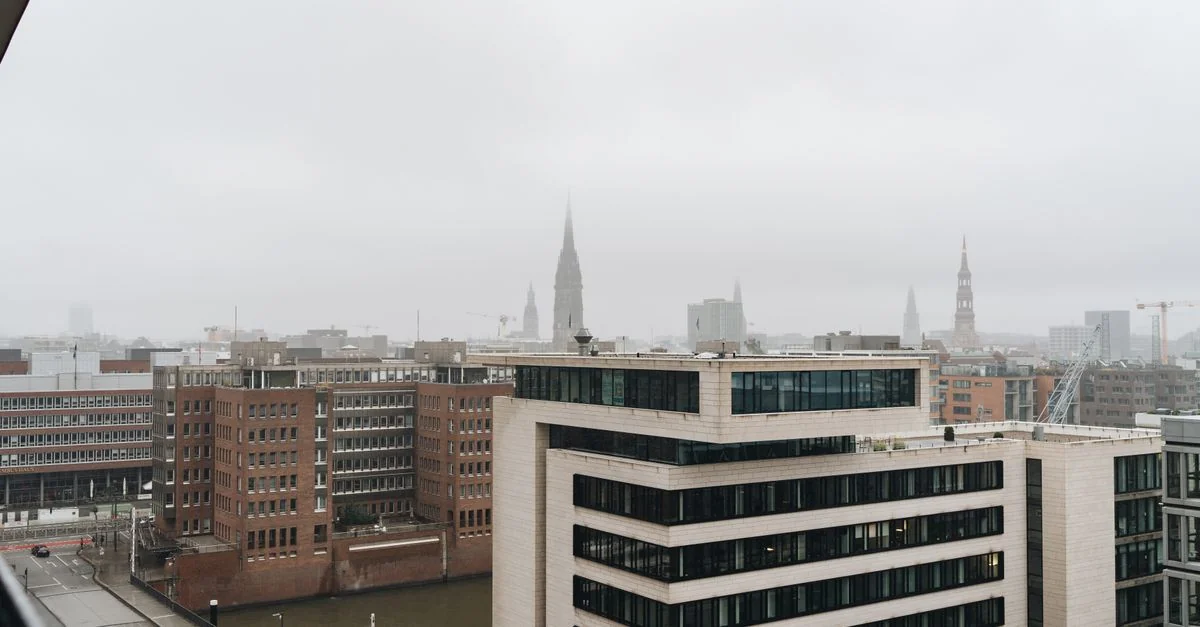
Planning a trip to this northern German port requires careful consideration of the maritime climate, which brings cooler temperatures and frequent breezes compared to inland Europe . The prime window for visiting runs from June through August, when daylight stretches late into the evening and daytime temperatures regularly hover in the comfortable low-to-mid seventies Fahrenheit. July typically brings the pinnacle of the summer season, highlighted by massive sailing gatherings that fill accommodation options to capacity and push prices to their annual peaks. Travelers planning a peak-summer trip should secure lodging and transportation months in advance to manage the increased demand.
Shoulder season months like May and September offer a rewarding alternative for visitors seeking fewer crowds and milder weather, though packing a windproof jacket remains essential due to the open coastal geography. May brings blooming coastal flora and pleasant conditions for walking the fjord paths, while September offers crisp autumn air and lower lodging rates across the city. Winter brings cold, gray days with temperatures often hovering just above freezing, alongside a sharp drop in tourism and much lower accommodation pricing. While winter brings its own atmospheric charm with holiday markets, outdoor exploration is severely limited by the damp cold and early sunsets.
Where to Stay in Kiel#
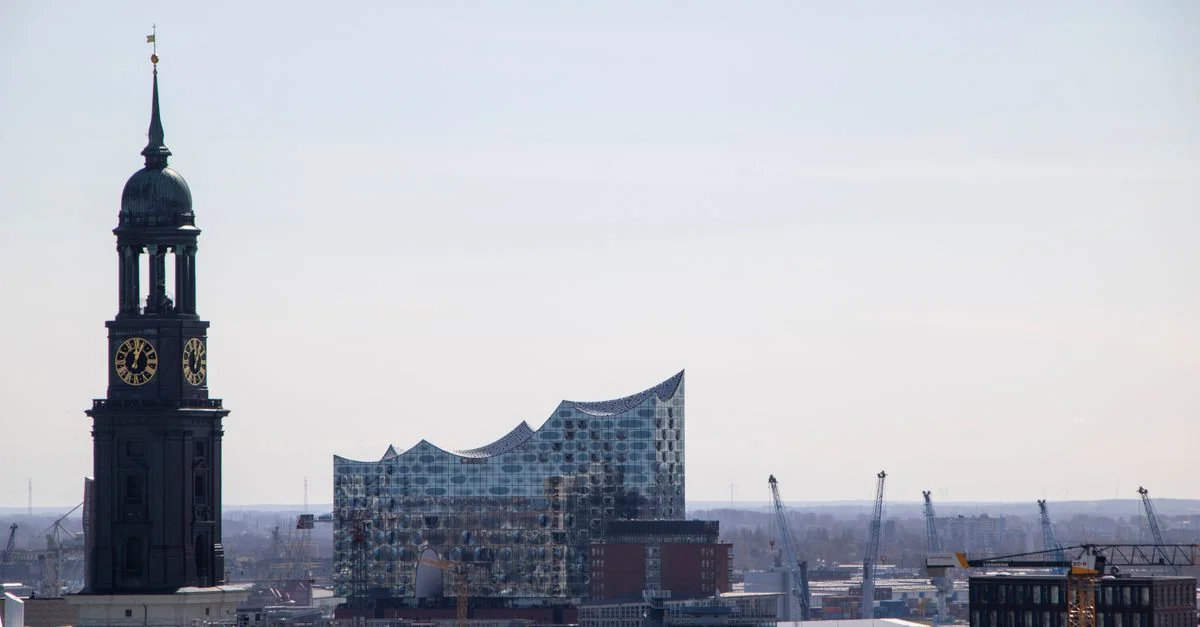
Choosing a neighborhood depends heavily on whether the priority is maritime action, quiet residential charm, or easy transit access. The Vorstadt and City-Kiel areas place travelers right in the center of the shopping districts and within easy walking distance of the central train station and the cruise terminals. This central zone works well for mid-range and luxury travelers who want immediate access to restaurants, museums, and ferry connections without needing a car. Accommodations here range from modern business-style properties to upscale waterfront rooms, with nightly rates typically spanning from $120 to $250 depending on the exact season.
Just north of the center, Düsternbrook offers a more affluent, leafy atmosphere characterized by grand historic villas and quiet streets running parallel to the water. This upscale neighborhood appeals to travelers seeking luxury rentals and boutique lodging options where prices easily exceed $200 per night, surrounded by manicured parks and yacht clubs. The tranquil environment feels a world away from the commercial core, yet downtown remains just a short bus ride or a pleasant walk down the seawall away.
Across the water on the eastern shore, Gaarden presents a gritty, multicultural neighborhood experience that attracts budget-conscious travelers and backpackers. While traditional tourist accommodations are sparse here, budget travelers can occasionally find affordable private apartments and guesthouses priced between $50 and $90 per night. The area is ethnically diverse, featuring an array of international grocery stores and casual eateries, though visitors should exercise standard urban awareness when walking late at night.
For those prioritizing beach access over urban proximity, the Schilksee district further north along the fjord offers a resort-like atmosphere with vacation rentals and seasonal hotels suited for mid-range budgets. Prices here fluctuate wildly between the quiet winter months and the peak summer sailing season, but staying here places visitors right next to the Olympic sailing center and sandy beaches.
Top Things to Do in Kiel#
Begin your exploration at the Kieler Förde, the defining waterway that shapes the entire city. Walking along the Kiellinie, the long promenade stretching from the harbor basin northward, offers uninterrupted views of passing cargo ships, ferries bound for Oslo , and local sailors tacking against the Baltic breeze. Stop by the Geomar Aquarium along the route to observe marine life native to northern European waters, including seals and Baltic fish species housed in educational exhibits.
Venture inland to the Old Botanical Garden, a peaceful green sanctuary established in the nineteenth century that holds towering historic trees and quiet pathways away from the harbor traffic. A short distance away, the Zoological Museum Kiel provides fascinating insights into biodiversity, featuring extensive historical collections and exhibits that appeal to travelers of all ages. For a panoramic perspective of the harbor, ride the elevator to the top of the Rathaus Tower, a landmark structure modeled after the city hall in Venice that dominates the skyline.
Delve into the region’s seafaring past at the Maritime Museum Kiel, housed inside a historic brick fish auction hall right on the harbor. The exhibits showcase the city’s shipbuilding heritage, featuring old nautical instruments, model ships, and historical photographs documenting the transformation of the waterfront. Moored just outside the museum doors, historic vessels including a former sea buoy tender and a rescue boat are open for exploration during the warmer months.
For a dramatic shift in scenery, take a short ferry ride across the water to Laboe, a coastal suburb on the eastern side of the fjord. The imposing Laboe Naval Memorial rises sharply from the dunes, offering an observation deck at the summit with sweeping views across the entire bay on clear days. Directly adjacent to the memorial sits the U-995, a preserved World War II submarine that visitors can enter to experience the cramped, metallic reality of underwater service. Conclude your day by walking the wide sandy beaches of Laboe, watching the massive international shipping traffic pass through the narrow channel just offshore.
Food and Dining Guide#
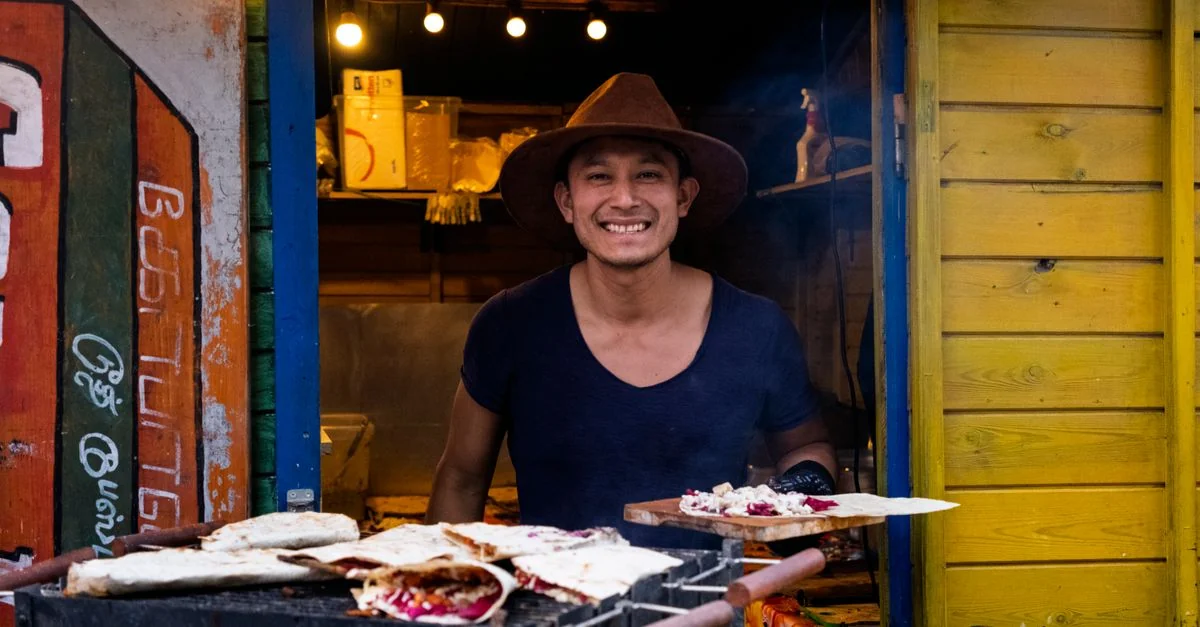
The regional cuisine of Schleswig-Holstein leans heavily on the bounty of the North Sea and the Baltic, prioritizing fresh fish, hearty meats, and warming accompaniments suited for a maritime climate. A quintessential local favorite is Fischbrötchen, a humble yet exceptional street food staple consisting of a crusty white roll stuffed with pickled herring, smoked mackerel, or fried fish, topped with raw onions and remoulade sauce. Visitors can pick these up from small wooden kiosks lining the harbor for just a few euros, making it the ultimate lunch on the go while exploring the waterfront.
For a proper sit-down meal, seek out a traditional tavern serving Labskaus, a visually distinct regional specialty made from salted beef, potatoes, and beets, mashed together and traditionally served with pickled herring, a rolled Bismarck herring, a gherkin, and a fried egg on top. While its pink appearance might surprise first-time visitors, the savory and briny flavor profile provides deep comfort on a chilly afternoon. Another northern classic is Grünkohl mit Pinkel, a winter dish featuring hearty kale slow-cooked with spiced groats sausage, pork belly, and boiled potatoes.
When the weather turns warm, menus pivot toward Matjes, young cured herring served with warm buttered potatoes and a creamy apple-onion sauce. Street food culture here also embraces international influences due to the major university presence and diverse working-class neighborhoods, meaning excellent Turkish doner kebab, Middle Eastern falafel, and Asian noodle dishes are widely available at affordable prices. For dessert, look for Rote Grütze, a tart compote made from mixed red berries such as raspberries, red currants, and cherries, served generously with liquid vanilla sauce or heavy cream.
Getting Around Kiel#
Navigating the city is straightforward thanks to an integrated public transportation network managed by the local transit authority. Buses connect every major neighborhood, the central train station, and the university campus with reliable frequency, while the Fährschiffe or pedestrian ferries operate like floating bus lines crossing back and forth across the fjord. Purchasing a day pass or using contactless payment on board keeps transit costs minimal, usually running under $10 for unlimited daily travel within the urban zone.
Walking remains the best way to explore the immediate harbor area, the shopping districts, and the parks surrounding the central basin, as the terrain is relatively flat and pedestrian pathways are well-maintained. Taxis are readily available outside the central train station and major ferry terminals, but hailing one on the street is uncommon; relying on local phone dispatch or rideshare apps is the standard approach for late-night transit. Renting a car is generally unnecessary and often frustrating due to limited parking availability near the waterfront, though having a vehicle proves useful for travelers planning to explore the surrounding rural countryside and beaches of the Schleswig-Holstein region.
Budget Breakdown#
Planning financial expectations for a trip to this northern German destination depends on travel style, accommodation tiers, and daily activities. Budget travelers staying in basic private rooms or guesthouses, utilizing public transit, and eating street food or grocery store provisions can expect daily expenditures to range from $60 to $100 per person. Accommodation takes up the largest share here, with budget options typically starting around $50 to $80 per night, while casual meals and transit remain affordable.
Mid-range travelers staying in standard three-star hotels in central locations, dining at casual sit-down restaurants, and paying for museum admissions and ferry tickets will generally spend between $150 and $250 per day. Mid-range hotel rooms typically cost $110 to $180 per night, leaving ample room in the daily budget for fresh seafood dinners, museum entries, and occasional taxi rides when walking is impractical.
Luxury travelers seeking upscale accommodations in historic or waterfront districts, dining at fine dining establishments, and booking private tours or upscale rentals should budget upward of $350 to $500 per day. High-end hotels and boutique properties regularly command rates starting around $220 per night and scaling higher during peak summer months. Premium dining, private transport, and specialized maritime excursions will quickly push daily totals toward the higher end of the spectrum.
Travel Tips for Kiel#
Language and Communication is rarely a barrier for American visitors, as English is widely spoken by younger residents, transit staff, and hospitality workers throughout the city. However, learning a few basic German phrases like Guten Tag and Danke goes a long way in showing respect to local shopkeepers and servers.
Cash and Payments still require some planning, because while major hotels, restaurants, and supermarkets readily accept credit and debit cards, smaller bakery kiosks, seasonal street food stands, and rural bus drivers frequently prefer or strictly require cash. Keeping a modest amount of Euros on hand prevents awkward situations when buying a quick snack by the water.
Weather Preparedness is essential regardless of the season, given the coastal location’s tendency for sudden wind shifts and light rain showers. Packing layers, including a reliable windbreaker and waterproof footwear, ensures that a sudden coastal gust or passing cloud does not cut an afternoon of sightseeing short.
Tipping Etiquette in Germany differs significantly from the American standard, as service charges are universally included in restaurant bills. Leaving an exorbitant tip is unnecessary, but rounding up the bill to the nearest euro or leaving a modest five to ten percent cash tip directly to the server for good service is customary and appreciated.
Sustainable Travel is deeply valued by the local community, and visitors are encouraged to respect natural habitats, particularly along the delicate coastal dunes and parklands. Utilizing the extensive bike lane network or public ferries rather than driving rental cars helps preserve the clean, maritime atmosphere that defines the region.
📌 Disclaimer
Prices, schedules, tour details, flight routes, visa requirements, and all other information on this page are based on data at the time of writing. Fares, availability, and policies may change. Please verify current details on the official website before booking.
📌 More about Kiel