📌 Disclaimer
Prices, schedules, tour details, flight routes, visa requirements, and all other information on this page are based on data at the time of writing. Fares, availability, and policies may change. Please verify current details on the official website before booking.
Complete Travel Guide to Ketchikan: Top Attractions, Tips & Itinerary#
Why Visit Ketchikan?#
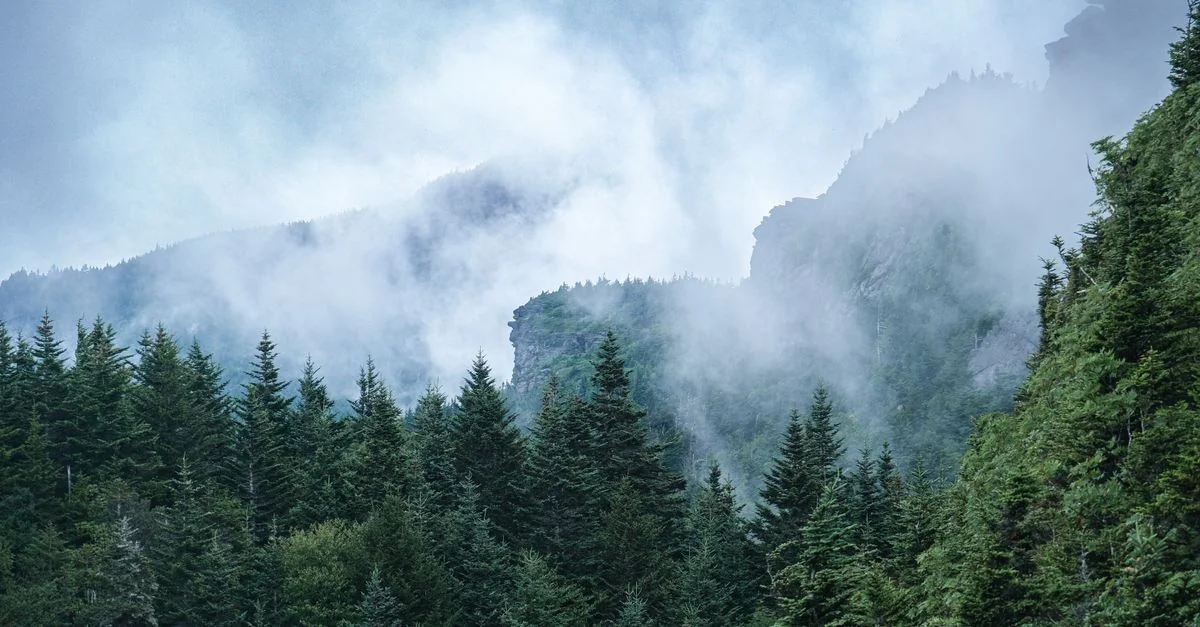
The scent of salt spray and cedar smoke drifts off the docks long before the ferry engines cut their roar, signaling your arrival in Alaska’s southernmost first city. Raincoats and rubber boots serve as the local uniform here, worn with pride by residents who call the Tongass National Forest their backyard. This island outpost clings to the steep slopes of Revillagigedo Island, where wooden boardwalks replace traditional sidewalks and the Pacific Ocean laps directly against the pilings of downtown storefronts. It is a place where bald eagles line the utility poles like pigeons and commercial fishing boats outnumber passenger cars.
For travelers making the journey north from the Lower Forty-Eight, this destination offers an accessible introduction to the Last Frontier without sacrificing rugged authenticity. The community holds the title of the salmon capital of the world, a claim backed up by the sheer volume of fish navigating the local waterways each summer. Beyond the marine life, the town preserves a colorful frontier history rooted in the timber industry, gold prospecting, and a notorious past as a wide-open port for sailors and fortune seekers.
What sets this coastal town apart from other Alaskan ports is its scale and intimacy. You can walk from the historic marine waterfront up steep wooden staircases into quiet neighborhoods where moss coats the tree trunks and black bears occasionally wander through suburban yards. The local culture blends native Tlingit heritage with modern Alaskan independence, creating an atmosphere that feels both welcoming to outsiders and fiercely protective of its natural environment.
Best Time to Visit Ketchikan#
The visitor season spans from May through September, aligning with the drier months and the peak of cruise ship traffic. May brings some of the driest weather of the year, alongside long daylight hours and blooming wildflowers across the hillsides. However, temperatures remain crisp, with afternoon highs hovering in the mid-fifties Fahrenheit. This early window suits travelers who prefer lighter crowds and lower rates on seasonal excursions, though local waters remain cold and certain marine wildlife species are just beginning to arrive.
June, July, and August represent the peak of summer, bringing the warmest temperatures and the highest concentration of visitors. Afternoon highs reach the sixties, and daylight stretches past eighteen hours, giving you ample time to explore the outdoors long into the evening. This period brings peak salmon runs, meaning the waterways turn frantic with marine activity and bears gather near local streams. Accommodation rates hit their annual maximum during these months, and advance reservations for excursions are essential.
September introduces a dramatic shift as autumn rain arrives alongside the changing foliage. While precipitation increases significantly—this region averages over one hundred inches of rain annually—the month offers a quiet atmosphere as seasonal businesses begin winding down. Prices for lodging and airfare drop noticeably, and the local salmon fishing reaches its final, frantic stage. Travelers who pack proper waterproof gear and embrace the moody, mist-shrouded scenery find September to be an exceptionally peaceful time to experience the coast.
Where to Stay in Ketchikan#
Choosing where to lay your head depends entirely on whether you want to step outside directly into the commercial core or prefer a quieter retreat tucked into the surrounding rainforest. The Downtown waterfront area places you within walking distance of the historic boardwalks, local art galleries, and waterfront dining spots. Lodging here ranges from mid-range boutique inns housed in restored historic buildings to upper-tier waterfront properties featuring private balconies overlooking the boat traffic. This zone suits travelers who want to explore on foot without relying on taxis or rental cars, though you should expect higher nightly rates and street noise from morning deliveries.
Just north of the main commercial center, the Newtown neighborhood offers a more residential feel while remaining connected to the downtown core via a scenic walk along the water. Accommodations here lean toward budget-friendly guesthouses, small motels, and vacation rentals managed by local residents. Prices drop moderately compared to the waterfront center, and you gain access to local grocery stores, neighborhood cafes, and a quieter neighborhood pace while still being close to the main ferry terminals.
For travelers seeking seclusion, the Clover Pass area situated about fifteen miles north of town delivers a solid wilderness experience. This stretch of coastline features private rental cabins, rustic lodges, and fishing resorts nestled among evergreen trees with sweeping views of the Inside Passage. Mid-range to luxury pricing applies here, as these properties cater heavily to anglers and nature enthusiasts looking for peace. You will need a rental car or reliable transport to reach town from this northern enclave, but the reward is waking up to eagles hunting in the misty coves right outside your window.
Top Things to Do in Ketchikan#
Walking across the weathered wooden planks of Creek Street provides an immediate connection to the town’s colorful past, as this historic boardwalk rests entirely on pilings over a tidal creek. During the summer months, you can peer over the railing to watch thousands of salmon struggling upstream against the current, while harbor seals wait patiently below for an easy meal. This former red-light district now houses local artists, craft shops, and museums that tell the story of the frontier days. A short walk from the boardwalk leads to Married Man’s Trail, an elevated wooden path winding along the steep hillside through the dense temperate rainforest.
A deeper dive into local indigenous history awaits at the Totem Heritage Center, which houses the largest collection of unrestored 19th-century totem poles in the United States . These towering carved cedar monuments, rescued from abandoned Tlingit and Haida village sites, stand in a climate-controlled room that preserves the intricate paint and wood grain. For outdoor viewing of these cultural markers in their natural woodland setting, Totem Bight State Historical Park sits a short drive north of town along the coastal highway. Walking the winding dirt trails through the towering spruce trees reveals restored clan houses and masterfully carved poles facing the ocean waters.
Nature enthusiasts should make time to visit Ward Lake, located within the Tongass National Forest a few miles north of the center. An easy, flat trail loops around the glassy lake surface, offering opportunities to spot spawning salmon, diving loons, and occasionally a black bear foraging along the brushline. For a bird’s-eye perspective of the surrounding fjords, glaciers, and jagged mountain peaks, booking a flight on a historic floatplane departs directly from the downtown harbor, landing on remote alpine lakes far beyond the reach of any road.
Back within town limits, climbing the steep wooden staircase known as Pine Street Stairs offers a genuine glimpse into local life as you ascend past colorful hillside homes framed by ferns and moss. At the top, the Southeast Alaska Discovery Center provides interactive exhibits detailing the complex ecosystem of the temperate rainforest and the traditional ways of the region’s first peoples. To witness marine wildlife up close without boarding a large vessel, a boat charter into the protected waters of the Tongass Narrows puts you in prime position to spot humpback whales, orcas, sea otters, and soaring eagles.
Food and Dining Guide#
Dining in this coastal outpost centers heavily on the bounty of the surrounding waters, with local seafood menus changing daily based on what the commercial fleet brings ashore. Fresh Alaska Salmon dominates the culinary scene, prepared simply by grilling over an open flame or smoking over local alder wood to highlight the rich, oily flavor of the fish. You will find it served in casual fish-and-chip shacks along the docks as well as upscale dining rooms paired with regional white wines.
Another local favorite, Halibut Cheeks, offers a tender, sweet texture that sets it apart from standard whitefish fillets. These muscle cuts from beneath the gills are typically pan-seared with a garlic-herb butter crust or battered and fried for fish tacos. When autumn arrives, Dungeness Crab becomes a menu staple, cracked fresh at casual harborside counters where diners wear plastic bibs and extract the sweet meat using small wooden mallets.
For a solid taste of frontier comfort food, order a bowl of Seafood Chowder, a thick, creamy soup loaded with chunks of salmon, halibut, clams, and potatoes, served alongside thick slices of sourdough bread to soak up the broth. Street food in the traditional sense is less common here due to the climate, but seasonal food trucks and walk-up windows near the cruise docks serve up local favorites like Reindeer Sausage Dogs, loaded with grilled onions and mustard on a toasted bun. Casual eateries along the waterfront provide quick meals for busy sightseeing days, while sit-down restaurants in historic buildings offer relaxed multi-course meals featuring locally foraged berries in their dessert pastries.
Getting Around Ketchikan#
Navigating this coastal community requires a mix of walking, public transit, and occasionally renting a motor vehicle depending on your itinerary. The downtown core is remarkably compact and pedestrian-friendly, with flat sidewalks and wooden boardwalks connecting the primary shopping and dining districts. However, reaching locations outside the immediate center, such as the northern totem parks or forest trails, demands alternative transportation.
The local public bus system, known as the Ketchikan Gateway Borough Transit, operates reliable routes connecting the airport ferry terminal, downtown, and northward toward major residential areas and parks. Fares are inexpensive, making it a practical choice for budget-conscious travelers who want to reach trailhead parking lots or shopping centers without paying for taxis.
Taxis and rideshare services operate within the town limits, though availability can fluctuate wildly depending on how many cruise ships are docked in the harbor on any given day. If you plan to explore the Tongass National Forest independently or drive up to remote coastal coves, renting a car from the local agencies based at the airport is strongly recommended. Keep in mind that you must take a short foot ferry from the airport island across the narrow channel to reach the town proper, making vehicle transport slightly more involved than stepping off a traditional bridge.
Budget Breakdown#
Planning a trip to this Alaskan hub requires careful consideration of seasonal price swings, as summer rates reflect the massive surge in tourism demand. Budget travelers can keep expenses manageable by utilizing public buses, staying in modest guesthouses or hostels located slightly away from the waterfront, and dining on casual fish-and-chip counter meals or grocery store provisions. Daily expenditures for this tier typically range from $100 to $180 per person, assuming you focus on free outdoor activities like hiking the local forest trails and visiting public parks.
Mid-range travelers will find comfortable accommodations in downtown hotels or B&Bs, rent a car for a few days to explore the northern highway, and enjoy sit-down meals featuring fresh seafood at local restaurants. Booking guided excursions such as wildlife boat tours or cultural center admissions pushes daily costs into the $250 to $450 range per person. This tier allows for a balanced experience combining independent exploration with structured activities.
Luxury travelers can secure premium waterfront suites with private balconies, charter private boats for sport fishing, and book private floatplane excursions into remote wilderness lodges. Dining at upscale establishments specializing in multi-course seafood menus rounds out the experience. Daily budgets for this top tier easily exceed $700 per person, offering maximum comfort, personalized service, and exclusive access to the most remote corners of the region.
Travel Tips for Ketchikan#
Rain gear should be your single most important packing consideration, as the local climate delivers frequent downpours throughout the spring, summer, and autumn months. Pack a breathable waterproof jacket with a hood, sturdy rain pants, and broken-in waterproof hiking boots rather than standard fashion sneakers. Umbrellas often prove useless against the coastal winds coming off the water, making a good shell jacket essential for staying dry while exploring outdoor boardwalks and forest paths.
Wildlife safety is crucial when venturing into the surrounding Tongass National Forest and local creek beds where bears feed on salmon during the peak runs. Make noise while walking on less-traveled trails, store food securely in bear-proof containers if camping or picnicking, and maintain a respectful distance from all wildlife, including the abundant bald eagles and marine mammals. Local wildlife authorities provide up-to-date guidance on active bear sightings near popular hiking areas.
Layering your clothing allows you to adapt quickly to the rapidly changing weather, which can shift from bright sunshine to chilly mist within a single hour. Start with a moisture-wicking base layer, add a fleece or wool sweater for insulation, and top it off with your waterproof shell. This approach ensures you remain comfortable whether you are hiking a steep hillside trail or sitting still on a windy boat deck watching for whales.
Cruise ship schedules dictate the rhythm of the town’s daily commerce, bringing thousands of visitors into the historic center during peak morning and afternoon hours. If you prefer a quieter atmosphere, plan your visits to popular spots like Creek Street for early morning hours before the ships unload or late in the evening when the crowds return to their vessels for dinner. Local shop owners and restaurant staff are often more relaxed and conversational during these quieter windows.
Cell service and connectivity are generally reliable within the immediate downtown core and along the primary highway corridors, but signals drop off rapidly once you venture deep into the surrounding rainforest or take boat excursions into remote fjords. Download offline maps of the area before your arrival so you can navigate hiking trails and forest roads without relying on a live data connection.
Insect protection becomes necessary during the warmer summer months when mosquitoes and tiny biting midges thrive in the damp forest undergrowth. Pack a reliable insect repellent containing DEET or picaridin, particularly if you plan to spend time hiking around Ward Lake or exploring marshy coastal areas. Wearing long sleeves and light-colored pants further reduces bites during peak evening hours.
📌 Disclaimer
Prices, schedules, tour details, flight routes, visa requirements, and all other information on this page are based on data at the time of writing. Fares, availability, and policies may change. Please verify current details on the official website before booking.