📌 Disclaimer
Prices, schedules, tour details, flight routes, visa requirements, and all other information on this page are based on data at the time of writing. Fares, availability, and policies may change. Please verify current details on the official website before booking.
Photo by Volker Meyer on Pexels
Why Visit Kathmandu?#
Nestled in the heart of the Himalayas, Kathmandu is a vibrant tapestry of culture, spirituality, and history. This bustling capital of Nepal is not just a gateway to the majestic mountains; it’s a destination that offers a unique blend of ancient traditions and modern life. The city is home to some of the world’s most revered UNESCO World Heritage Sites, including the stunning Durbar Square and the sacred Swayambhunath Stupa, which together paint a picture of the rich artistic heritage and religious devotion that permeates the city.
What truly sets Kathmandu apart is its people. The warmth and hospitality of the locals create an inviting atmosphere that makes visitors feel at home. From the colorful streets of Thamel to the serene temples scattered throughout the city, every corner tells a story. Whether you’re seeking adventure in the nearby mountains or looking to immerse yourself in Nepalese culture, Kathmandu offers a myriad of experiences that cater to every traveler’s desires.
Best Time to Visit Kathmandu#
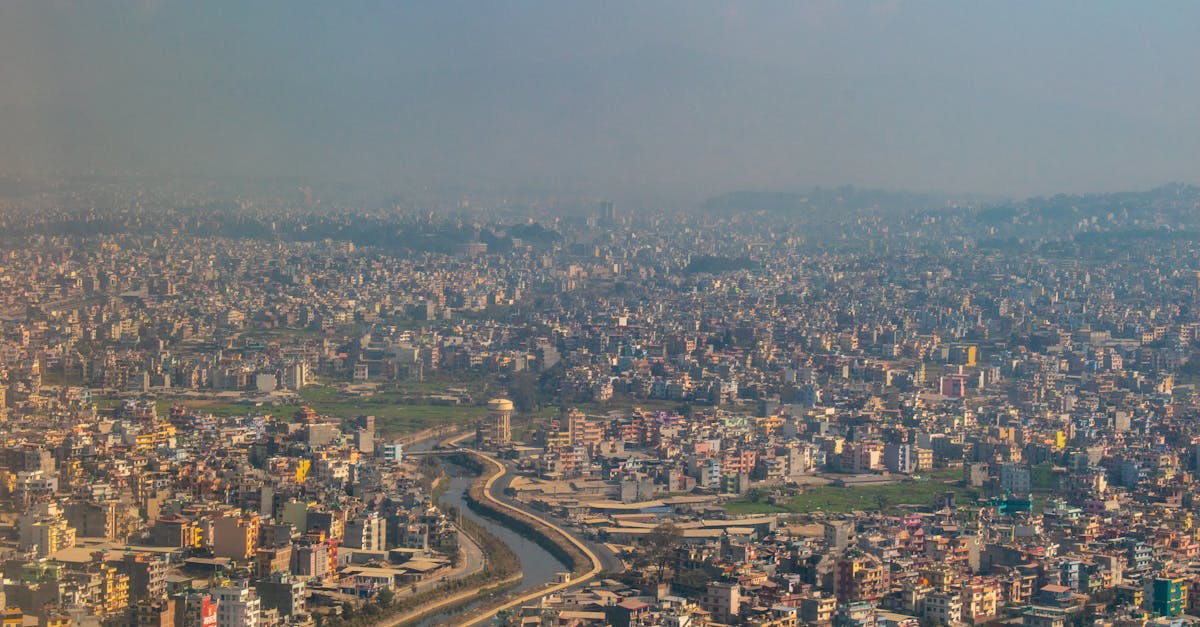
The best time to visit Kathmandu is during the spring (March to May) and autumn (September to November) seasons. During these months, the weather is generally mild and pleasant, with daytime temperatures ranging from 60°F to 80°F. Spring is particularly beautiful as the flowers bloom, while autumn offers clear skies ideal for trekking and sightseeing.
Summer (June to August) brings monsoon rains, which can lead to muddy streets and occasional landslides in the surrounding areas. However, this season also sees fewer tourists, making it a great time for those looking to explore Kathmandu without the crowds, though travelers should be prepared for some rain.
Winter (December to February) can be quite chilly, with temperatures dropping to around 30°F at night. While the days are usually sunny, some attractions may be less accessible due to snow in the nearby mountains. Prices for accommodations may drop during these months, making it a budget-friendly option for travelers willing to brave the cold.
Where to Stay in Kathmandu#
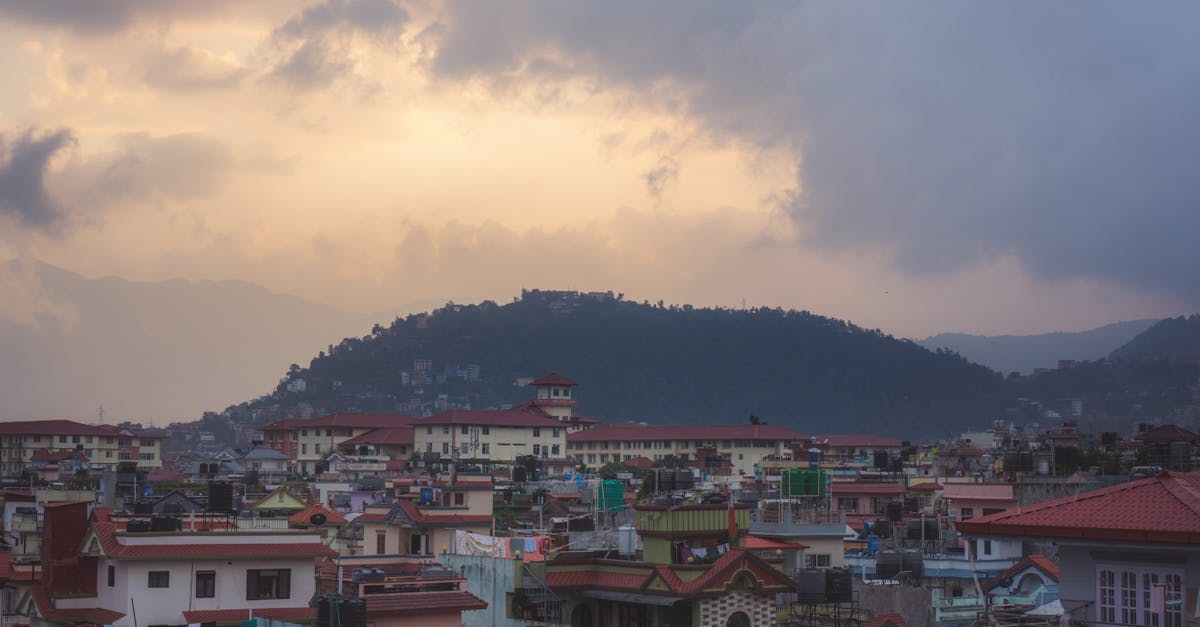
When deciding where to stay in Kathmandu, you’ll find a variety of neighborhoods catering to different budgets and preferences.
Thamel: This is the most popular area for tourists, known for its bustling atmosphere, vibrant nightlife, and plethora of shops and restaurants. Budget hotels typically start around $30-50/night, while mid-range options can range from $50-100/night. Luxury travelers can find upscale accommodations with great amenities here as well.
Boudhanath: Home to the famous Boudhanath Stupa, this area offers a more spiritual atmosphere. It’s less hectic than Thamel, making it ideal for those seeking tranquility. Budget options are available, as well as mid-range hotels that provide stunning views of the stupa.
Patan: Just a short distance from Kathmandu, Patan is known for its rich history and stunning architecture. This neighborhood is perfect for those interested in art and culture. You can find budget-friendly guesthouses as well as charming mid-range hotels that offer a more local experience.
Kopan: Located on the outskirts of the city, Kopan is known for its serene environment and beautiful monasteries. It’s a great choice for travelers looking to retreat from the city’s hustle and bustle. Accommodation options here are generally more affordable, with a range of budget and mid-range options available.
Top Things to Do in Kathmandu#
Swayambhunath Stupa: Often referred to as the Monkey Temple, this ancient religious complex sits atop a hill and offers panoramic views of the city. The stupa is adorned with colorful prayer flags, and the climb to the top is rewarded with stunning scenery.
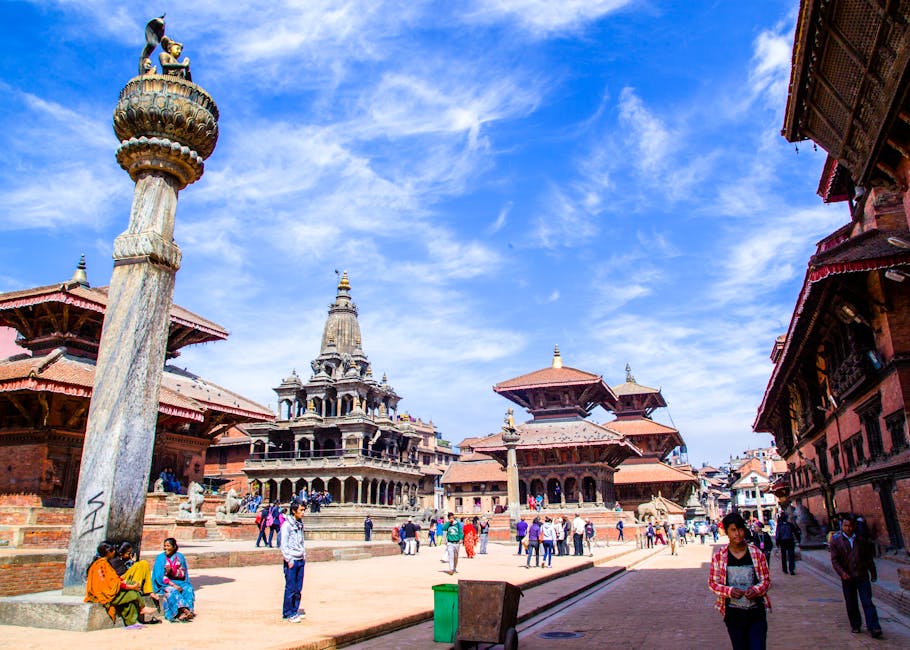
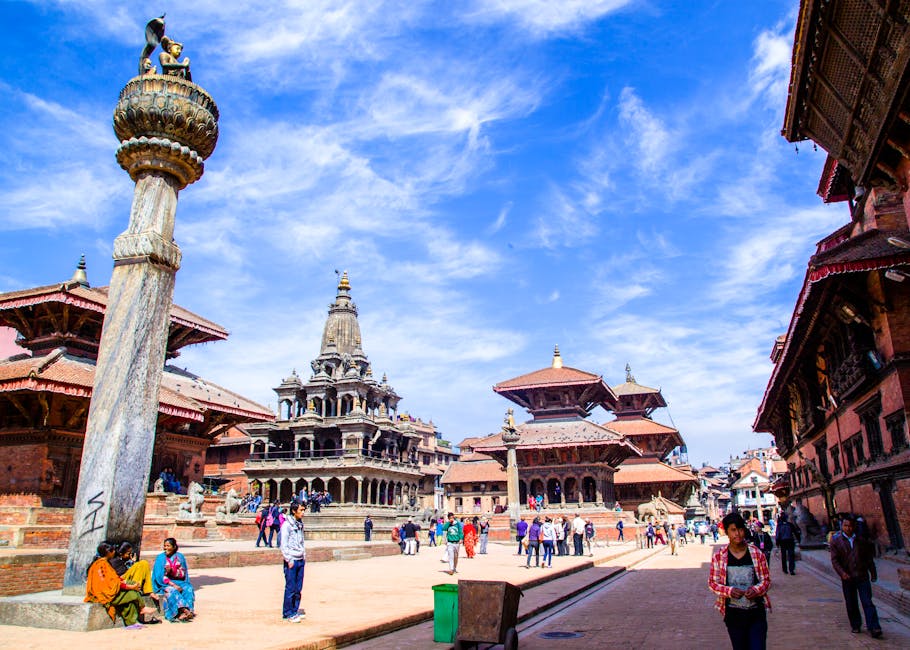
Kathmandu Durbar Square: A UNESCO World Heritage Site, this historic square is surrounded by beautiful temples and palaces. It’s the perfect place to soak in the city’s history and architecture, with plenty of opportunities for photography.
Boudhanath Stupa: One of the largest stupas in the world, Boudhanath is a center of Tibetan Buddhism. The area is filled with monasteries, shops, and cafes, making it an ideal spot to spend a leisurely afternoon.
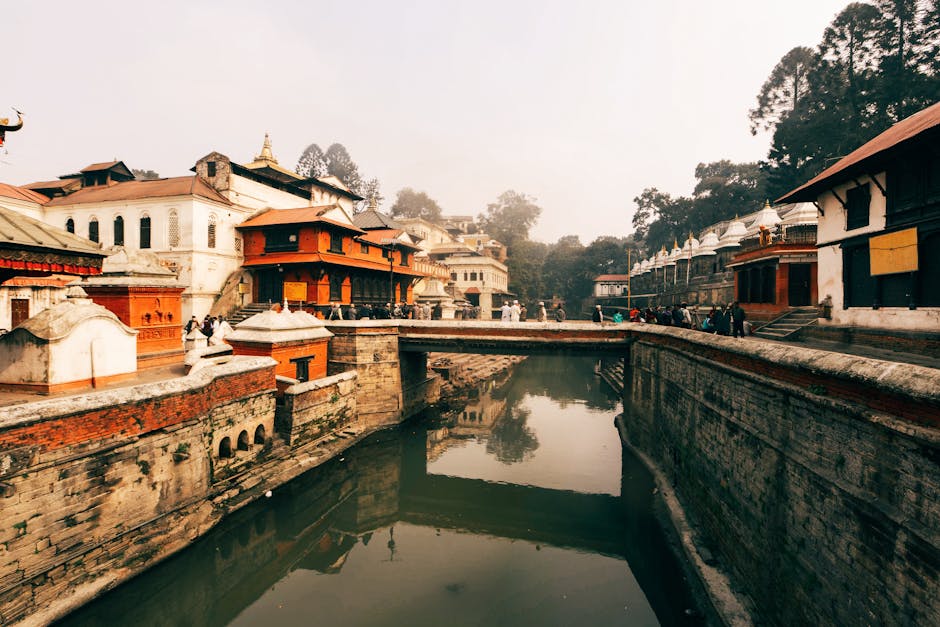
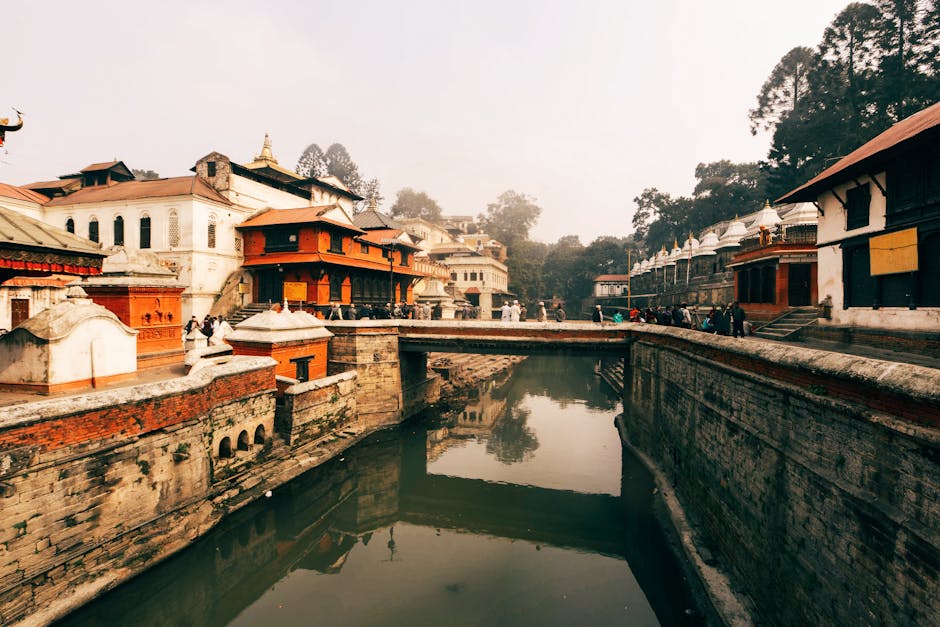
Pashupatinath Temple: Situated on the banks of the Bagmati River, this sacred Hindu temple is dedicated to Lord Shiva. It’s a significant pilgrimage site, and visitors can witness traditional cremation ceremonies along the river.
Thamel: A vibrant neighborhood famous for its shops, restaurants, and nightlife. Spend a day wandering through the narrow streets, picking up souvenirs, and sampling local cuisine.
Garden of Dreams: This serene oasis in the heart of the city offers a peaceful escape from the hustle and bustle. The beautifully landscaped gardens are perfect for a leisurely stroll or a quiet afternoon.
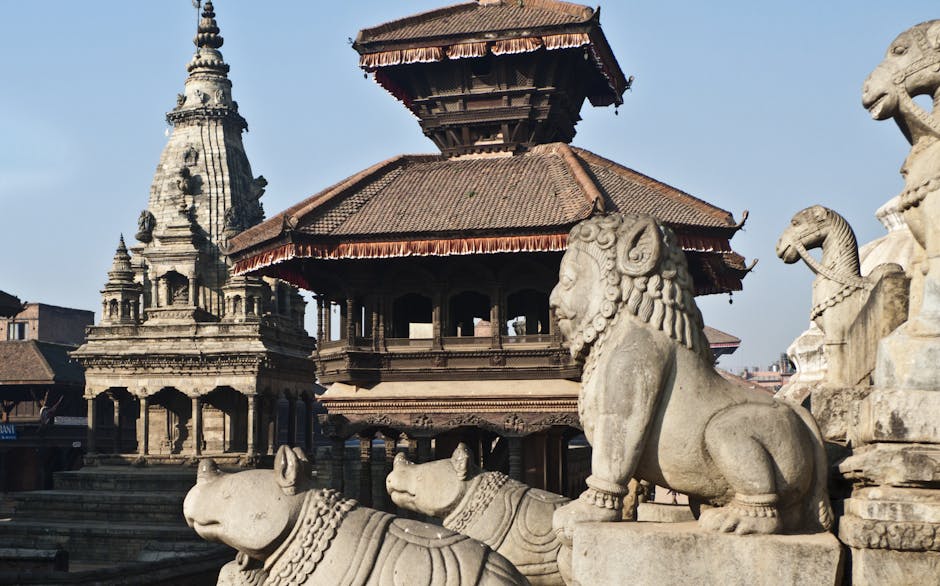
Bhaktapur Durbar Square: A bit outside of Kathmandu, this ancient city is a UNESCO World Heritage Site known for its well-preserved medieval architecture. The square is less crowded than Kathmandu Durbar Square, offering a more relaxed atmosphere.
Kopan Monastery: For those interested in Buddhism, a visit to Kopan Monastery is a must. The monastery offers meditation courses and retreats, as well as stunning views of the Kathmandu Valley.
Nagarkot: Although not in Kathmandu, a day trip to Nagarkot is worth considering. Known for its breathtaking sunrise views over the Himalayas, it’s a popular spot for hikers and nature lovers.
Local Markets: Explore the bustling local markets like Asan and Indra Chowk, where you can find everything from spices to textiles. These markets offer a glimpse into everyday life in Kathmandu.
Food and Dining Guide#
Nepalese cuisine is a delightful blend of flavors and spices, with influences from Indian and Tibetan cooking. When in Kathmandu, be sure to try these must-try dishes:
Dal Bhat: This traditional meal consists of lentil soup (dal) served with rice (bhat), accompanied by vegetables and sometimes meat. It’s a staple food in Nepal and is often served with pickle for added flavor.
Momo: These delicious dumplings can be filled with meat or vegetables and are a popular street food. You can find them steamed or fried, often served with a spicy dipping sauce.
Thukpa: A hearty noodle soup that originated from Tibet, thukpa is perfect for warming up on a chilly day. It’s typically made with meat or vegetables and flavored with spices.
Sel Roti: A traditional homemade rice-based doughnut, sel roti is crispy on the outside and soft on the inside. It’s often enjoyed during festivals and is a popular snack.
Chatamari: Sometimes referred to as “Nepalese pizza,” chatamari is a type of rice crepe topped with various ingredients such as minced meat, eggs, and vegetables.
When it comes to dining, you can choose between street food vendors, local eateries, and upscale restaurants. Street food is a great way to experience authentic flavors without breaking the bank, while restaurants provide a more comfortable dining experience with a wider selection of dishes.
Getting Around Kathmandu#
Navigating Kathmandu can be an adventure in itself. Here are the main transportation options available:
Walking: Many of the city’s attractions are within walking distance of each other, especially in areas like Thamel. Walking allows you to truly soak in the local culture and scenery.
Taxis: Taxis are widely available, but be sure to negotiate the fare before getting in, as most do not use meters. Ride-sharing apps are also becoming popular and can provide a more convenient option.
Public Transit: Buses and microbuses are available, but they can be crowded and confusing for first-time visitors. If you’re adventurous, it’s a great way to experience local life.
Motorbike Rentals: Renting a motorbike is a popular option for those looking to explore the outskirts of the city. Just be aware of the chaotic traffic and ensure you have a valid motorcycle license.
Bicycle Rentals: For a unique experience, consider renting a bicycle to navigate the city and its surroundings. Some companies offer guided tours as well.
Budget Breakdown#
When planning your trip to Kathmandu, here’s a general daily budget estimate based on your travel style:
Budget Travelers: Expect to spend around $30-50 per day. This includes dormitory-style accommodations, street food meals, and public transportation.
Mid-Range Travelers: A budget of $70-150 per day is typical. This would cover private accommodations, meals at local restaurants, and entry fees to attractions.
Luxury Travelers: For those seeking a more upscale experience, a budget of $200+ per day is recommended. This includes high-end accommodations, fine dining, and private tours or transportation.
Travel Tips for Kathmandu#
Stay Hydrated: The altitude can be challenging for some travelers, so drink plenty of water to stay hydrated, especially if you plan on trekking.
Respect Local Customs: Dress modestly when visiting temples and religious sites. It’s a sign of respect to remove your shoes before entering sacred areas.
Learn Basic Nepali Phrases: While English is widely spoken in tourist areas, learning a few basic phrases can go a long way in connecting with locals.
SIM Cards: Purchasing a local SIM card is a convenient way to stay connected during your travels. They are available at the airport or in local shops.
Be Cautious of Scams: Like any tourist destination, be aware of common scams, especially in crowded areas. Keep your belongings secure and avoid engaging with overly aggressive sellers.
Tipping: Tipping is appreciated in Nepal, especially in restaurants and for guides. A small tip of around 10% is standard.
ATMs and Currency: ATMs are available in Kathmandu, but it’s wise to carry cash, especially when venturing into smaller towns or rural areas. The local currency is the Nepalese Rupee.
If you’re also considering a trip to Jaipur, India , check out our guide for more travel inspiration. Kathmandu is a destination that promises unforgettable memories, unique experiences, and a deeper understanding of this beautiful region of the world.