📌 Disclaimer
Prices, schedules, tour details, flight routes, visa requirements, and all other information on this page are based on data at the time of writing. Fares, availability, and policies may change. Please verify current details on the official website before booking.
Why Visit Johannesburg?#
📌 More about Johannesburg
The scent of freshly roasted coffee wafts through the air as you stroll the lively streets of Johannesburg, where the pulse of the city is felt in its art, food, and the stories etched into its walls. This South Africa n metropolis is a place of contrasts, where modern skyscrapers stand alongside historical sites, and the energy of its people creates a unique atmosphere. Johannesburg, often referred to as Jozi or Joburg, is not just a gateway to Africa; it is a destination rich in history and culture, offering visitors a chance to explore the complexities of a city that has evolved dramatically over the decades.
One of the standout features of Johannesburg is its commitment to preserving its history while embracing modernity. From the poignant narratives of apartheid at the Apartheid Museum to the lively streets of Maboneng, where art spills from galleries into the open air, visitors can experience both the struggles and triumphs that have shaped this city. The warmth of the locals, combined with a burgeoning arts scene and an impressive culinary landscape, makes Johannesburg a compelling stop for any traveler seeking to understand South Africa’s past and present.
Best Time to Visit Johannesburg#

Johannesburg enjoys a temperate climate, making it a year-round destination. However, the best time to visit generally falls between May and September, when the weather is dry and mild. During these months, daytime temperatures hover around the comfortable mid-60s to low 70s Fahrenheit, perfect for exploring outdoors. The winter months, particularly June and July, can get quite chilly at night, so layering is advisable if you plan to be out after dark.
The summer months from November to February bring higher temperatures, often soaring into the 80s, along with occasional thunderstorms. This is a popular time for tourists, leading to crowded attractions and higher prices for accommodations. If you’re looking for a budget-friendly experience, consider traveling during the shoulder seasons in April or October, when the weather is still pleasant, and the crowds are thinner.
Where to Stay in Johannesburg#
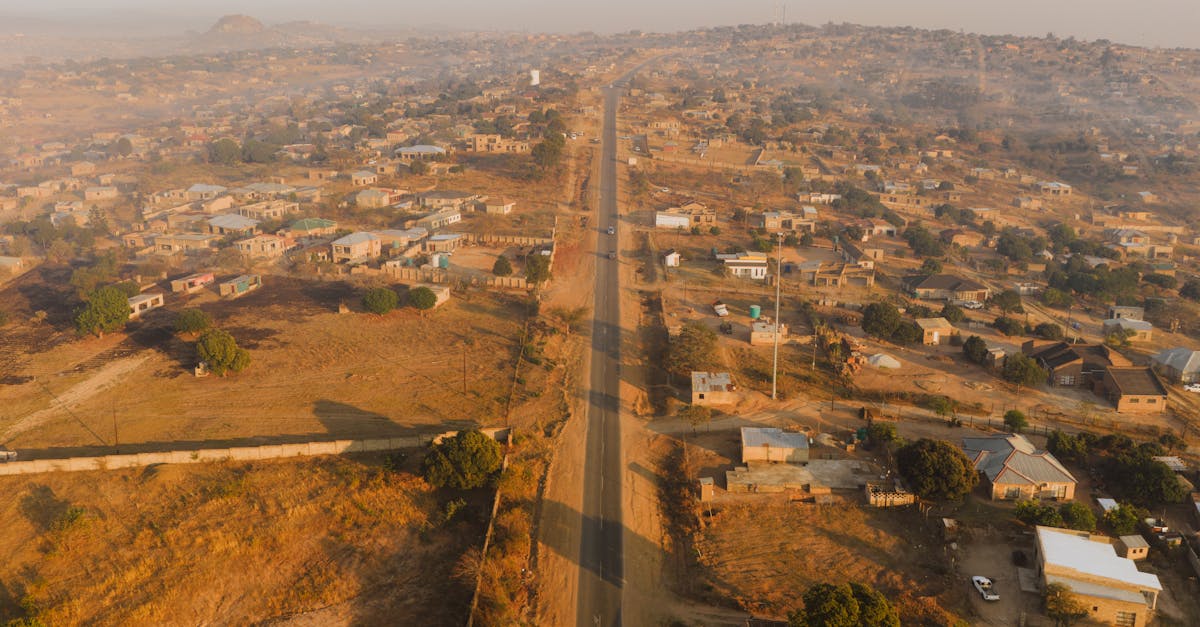
Choosing the right neighborhood in Johannesburg can greatly enhance your experience. For budget-conscious travelers, Braamfontein offers a youthful vibe with affordable hostels and guesthouses. This area is home to several universities and cultural institutions, making it a lively spot for those looking to engage with the local scene.
If you prefer a mid-range option, Melville is a charming neighborhood known for its bohemian atmosphere, with plenty of cafés, shops, and guesthouses. Its proximity to attractions like the Johannesburg Botanical Gardens makes it a convenient base for exploring the city.
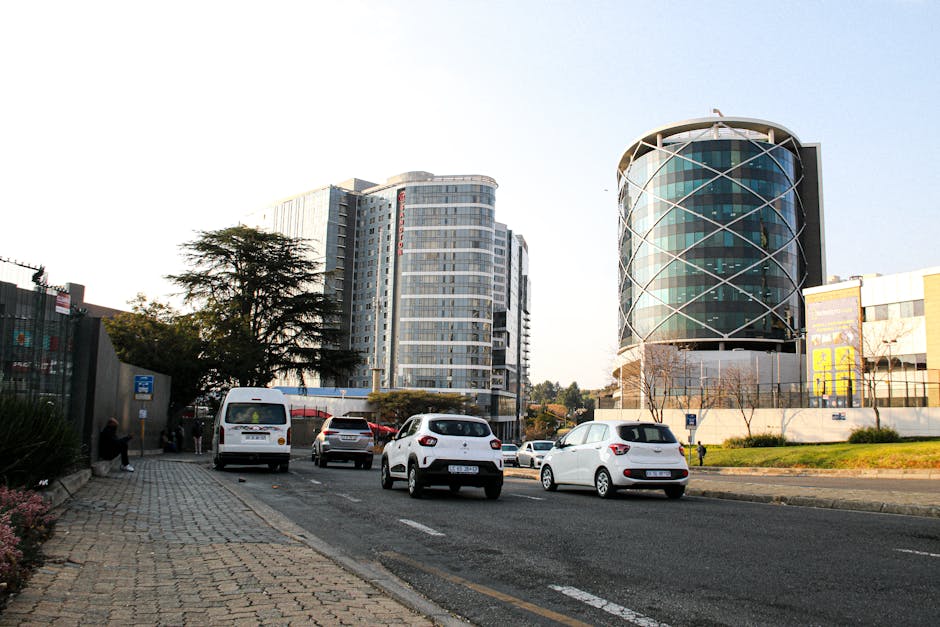
For a touch of luxury, consider Sandton, which is often regarded as the financial hub of Johannesburg. This area boasts upscale hotels, high-end shopping malls, and fine dining options, all while maintaining a safe and secure environment for visitors. It’s an excellent choice if you’re looking to indulge in a little extra comfort during your stay.
Top Things to Do in Johannesburg#
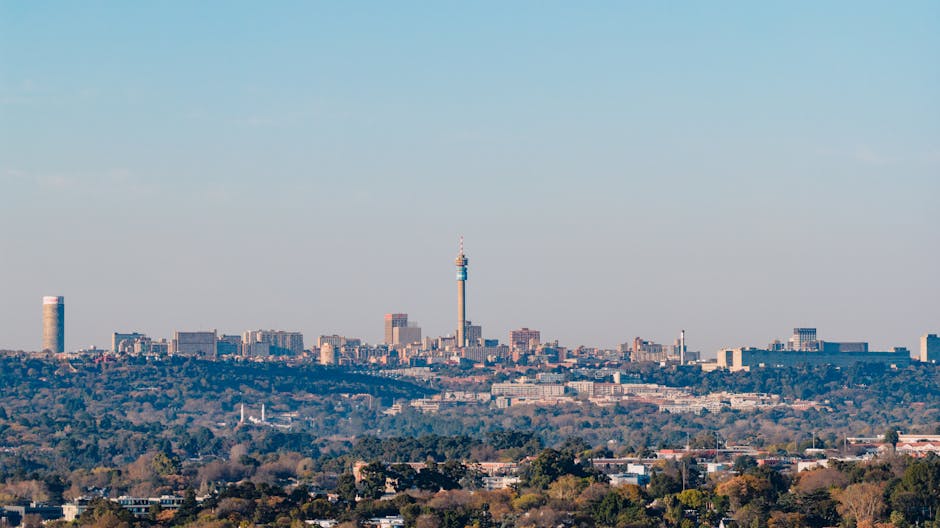
As you navigate the city, a visit to the Apartheid Museum is essential. This museum offers an in-depth look at the history of apartheid in South Africa, showcasing powerful exhibits that provoke thought and reflection. The journey through the museum is both educational and emotional, providing context to the nation’s journey towards reconciliation.
Another notable attraction is Constitution Hill, a former prison complex that now houses South Africa’s Constitutional Court. Here, you can walk through the cells that once held political prisoners, including Nelson Mandela, and learn about the struggles for freedom and justice that shaped the modern nation.
For a more modern experience, head to the Maboneng Precinct, a revitalized area filled with art galleries, trendy restaurants, and street performances. This cultural hub is perfect for wandering and enjoying the local atmosphere while enjoying street art and artisan markets.
The Cradle of Humankind, a UNESCO World Heritage site located just outside Johannesburg, is another must-see. This area offers a glimpse into the early human ancestors who walked the earth millions of years ago, with fascinating caves and archaeological sites that highlight the importance of this region in understanding human evolution.
For those seeking a touch of nature, the Johannesburg Botanical Gardens in Emmarentia is a lovely escape from the urban environment. With sprawling lawns, a serene lake, and a variety of plant species, it’s a perfect spot for a leisurely picnic or a peaceful stroll.
Explore the Johannesburg Art Gallery, which houses an impressive collection of South African and international art. The gallery is free to enter, making it a budget-friendly way to appreciate the artistic talent that flourishes in the city.
Don’t miss a visit to Soweto, a township that played a pivotal role in the anti-apartheid movement. Here, you can take a guided tour to learn about its history, visit the iconic Vilakazi Street, and see the former homes of Nelson Mandela and Desmond Tutu.
For a more adventurous outing, consider a trip to the Lion & Safari Park , where you can get up close with wildlife and even participate in feeding some of the animals. This park offers a unique perspective on South Africa’s diverse fauna and is a fun day trip for families or animal lovers.
Finally, end your day at The Living Room in Maboneng, a rooftop bar that offers stunning views of the city skyline. Relax with a cocktail as the sun sets, providing a perfect conclusion to your day of exploration.
Food and Dining Guide#
Johannesburg’s food scene reflects the diversity of its population, with flavors and influences from across the globe. When in Jozi, you must try bunny chow, a local dish consisting of a hollowed-out loaf of bread filled with curry. This street food is a favorite among locals and offers a taste of Indian influence on South African cuisine.
Another dish worth seeking out is pap and wors, a traditional meal made of ground maize and served with sausage. It’s a staple in many households and showcases the heartiness of South African fare. For a unique experience, visit a local shisa nyama, a barbecue spot where you can enjoy grilled meats alongside fresh salads and sides.
If you’re in the mood for something sweet, don’t miss the chance to try koeksisters, a syrup-soaked doughnut-like pastry that’s a beloved treat in South Africa. These are often found at bakeries or markets and are perfect for satisfying your sweet tooth.
For a more upscale dining experience, Johannesburg has numerous restaurants that focus on modern interpretations of traditional dishes. Here, you can savor a fusion of flavors that celebrate both local ingredients and international culinary techniques.
Street markets, like the Neighbourgoods Market in Braamfontein, are fantastic for sampling a variety of dishes from different vendors. Here, you can enjoy everything from artisanal cheeses to gourmet burgers, all while soaking in the lively atmosphere filled with music and laughter.
Getting Around Johannesburg#
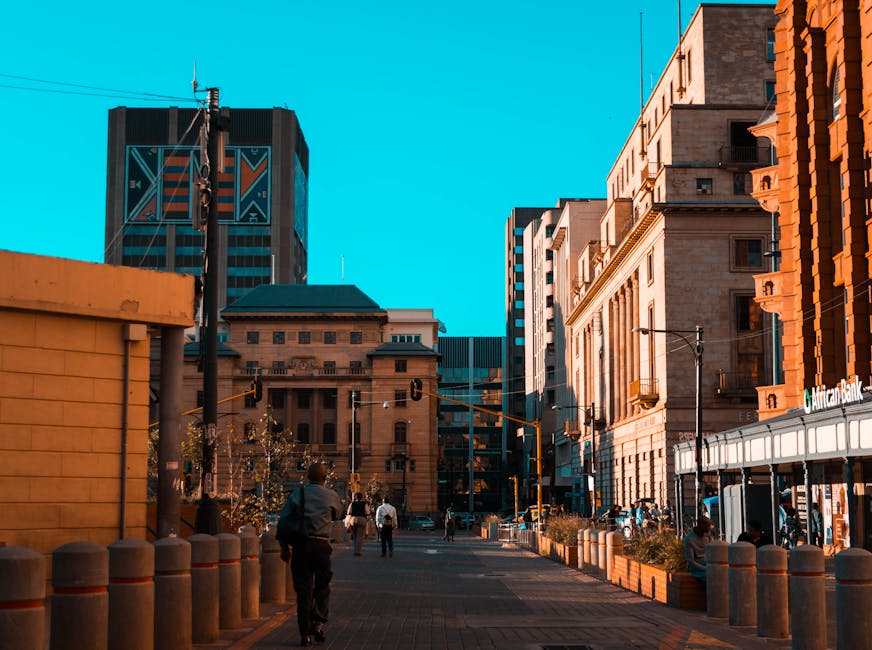
Getting around Johannesburg can be straightforward with a little planning. The city has a public transportation system that includes buses and the Gautrain, a rapid transit railway that connects key areas, including the airport. The Gautrain is a convenient option for travelers, providing a reliable and efficient way to navigate the city.
Taxis and rideshare services are also readily available. Opting for a rideshare app can provide a safe and easy way to get to your destination without the hassle of navigating public transportation. If you prefer to explore at your own pace, renting a car is a viable option. Driving in Johannesburg is relatively easy, but it’s advisable to stick to well-trafficked areas and avoid driving at night in less populated regions.
Walking is a great way to experience the city’s neighborhoods, especially in areas like Maboneng and Melville, where there are plenty of spots to discover on foot. Just be sure to stay aware of your surroundings, as some areas may not be as safe for pedestrians.
Budget Breakdown#
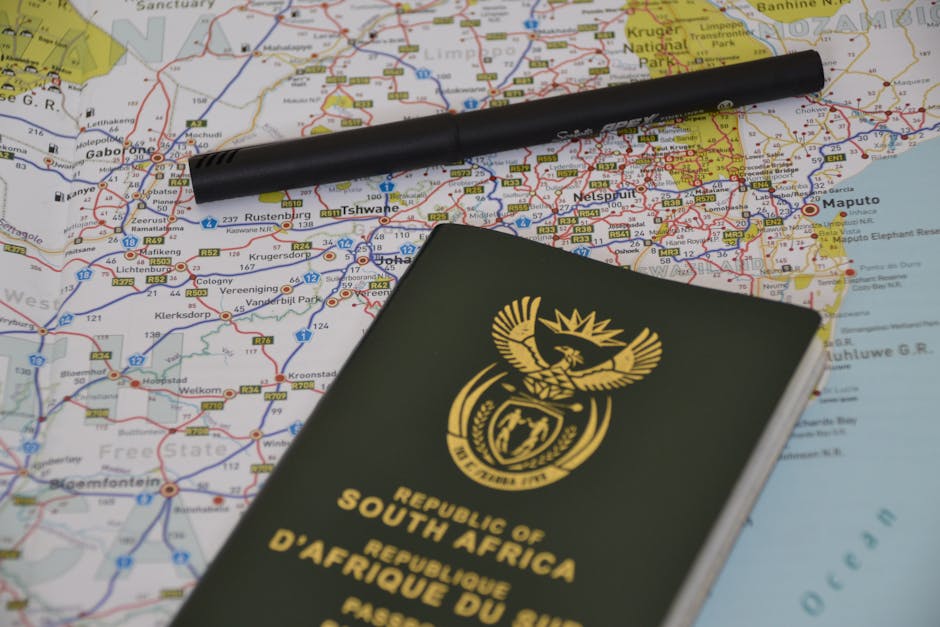
When planning your trip to Johannesburg, it’s essential to consider your budget. For budget travelers, accommodations typically start around $30-50 per night in hostels or guesthouses. Daily food expenses can be kept to around $20-30 if you stick to street food and casual dining options. Transportation costs are quite reasonable, especially if you use public transit or rideshare services, averaging about $10-15 per day.
Mid-range travelers can expect to spend about $70-150 per night for comfortable guesthouses or boutique hotels. Dining at mid-range restaurants may cost around $30-50 per meal, and activities like museum visits or tours can add another $20-50, depending on your interests. A daily budget of $150-250 would provide a comfortable experience.
For those seeking luxury, accommodations in upscale hotels can range from $200-500 per night. Fine dining experiences can easily reach $75 or more per meal, especially if you’re indulging in multi-course tastings. Activities, while still offering a variety of options, may cost upwards of $100 for guided tours or unique experiences. A luxury travel budget could range from $400-800 per day, depending on your choices.
Travel Tips for Johannesburg#
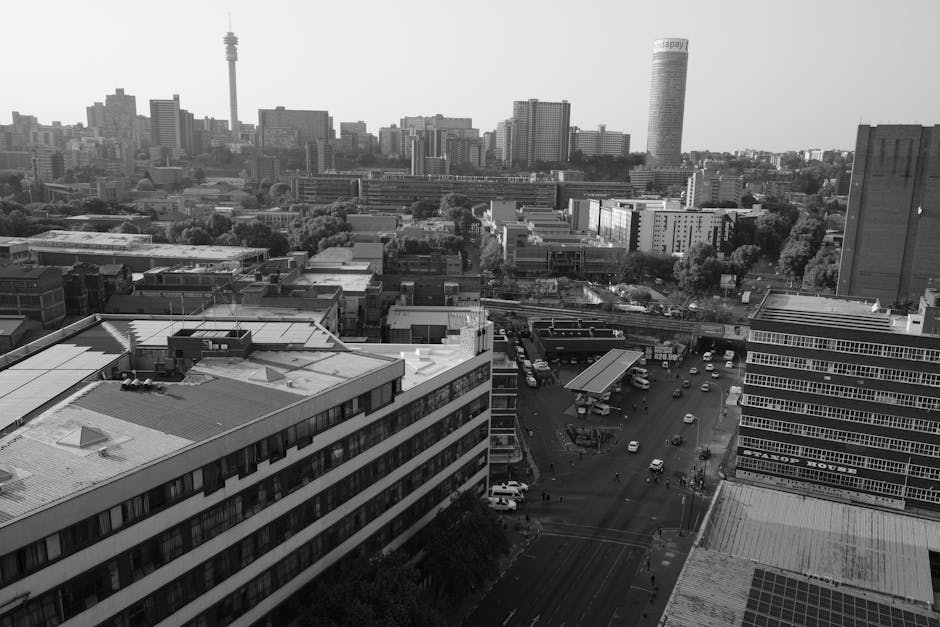
Safety First: While Johannesburg has made significant strides in improving safety, it’s essential to remain vigilant. Stick to well-lit areas, avoid displaying valuables, and be cautious when using ATMs.
Know Your Currency: South Africa uses the rand (ZAR), so familiarize yourself with the currency before your trip. Credit cards are widely accepted, but carrying some cash for smaller vendors and markets is advisable.
Cultural Sensitivity: South Africa is a diverse nation with many cultures. Take the time to understand local customs and traditions, especially when visiting townships or historical sites.
Stay Hydrated: The climate can be quite dry, especially during the summer months. Make sure to drink plenty of water, particularly if you’re spending time outdoors.
Explore Public Transport: While renting a car is convenient, using public transport can offer a more authentic experience. The Gautrain is a reliable option for traveling to key destinations, and local buses can be an adventure in themselves.
Engage with Locals: Don’t hesitate to strike up a conversation with locals. South Africans are known for their friendliness and hospitality, and you might learn something fascinating about the city from those who call it home.
Plan Ahead: Popular attractions can get busy, so consider booking tickets in advance for places like the Apartheid Museum or guided tours. This can save you time and ensure you don’t miss out on must-see experiences.
Johannesburg is a city that invites exploration, offering a blend of history, culture, and modernity. With thoughtful planning and an open mind, your visit to this dynamic metropolis is sure to be an enriching experience.