📌 Disclaimer
Prices, schedules, tour details, flight routes, visa requirements, and all other information on this page are based on data at the time of writing. Fares, availability, and policies may change. Please verify current details on the official website before booking.
Why Visit Isafjordur?#
The scent of salt air mixes with the sharp, metallic tang of cold mountain water as you step off the plane, a reminder that you have arrived at the edge of the inhabited world. Isafjordur serves as the unofficial capital of the Westfjords, a region of Iceland that feels disconnected from the frantic pace of the southern tourist circuit. Here, the mountains rise vertically from the sea, their slopes scarred by ancient rockslides and topped with lingering patches of snow even in the height of summer. It is a place for those who prefer the sound of wind against corrugated iron to the noise of crowded bus tours.
The town itself sits on a narrow spit of land, hemmed in by deep fjords that reflect the moody, shifting light of the North Atlantic. Visiting this corner of the country requires a shift in perspective; you are not here to check boxes on a list, but to observe the raw, geological drama of a landscape shaped by glaciers. The isolation of the Westfjords ensures that the trails remain quiet and the horizons stay wide, offering a rare sense of scale that makes most other travel destinations feel small and domestic by comparison.
Best Time to Visit Isafjordur#
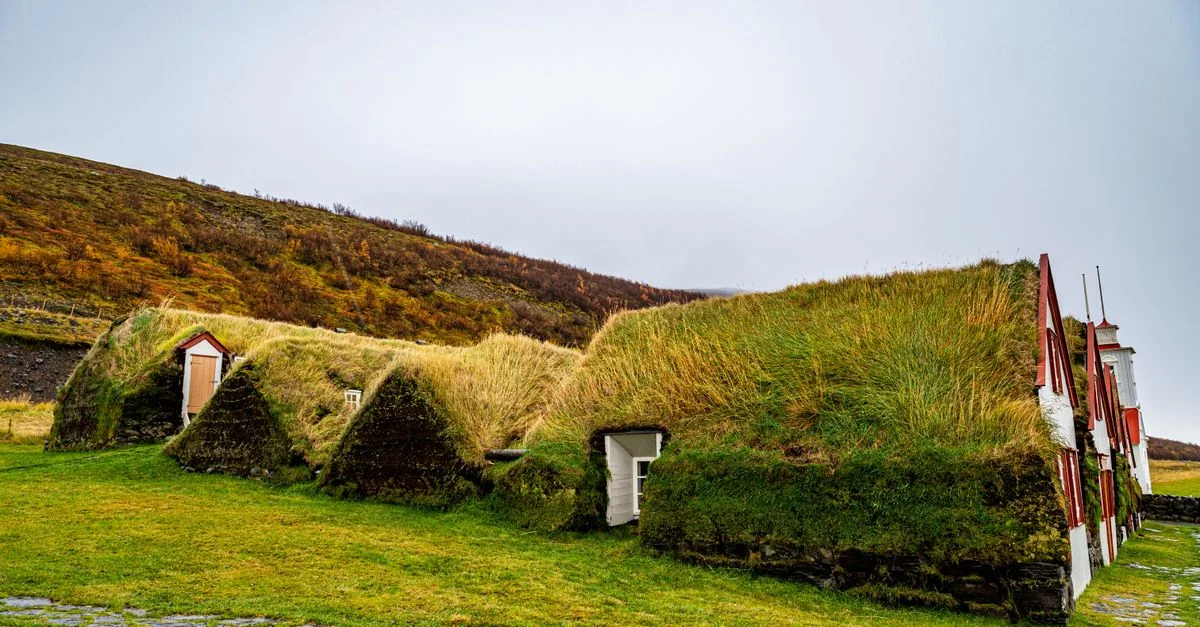
Planning a trip to this remote region requires careful consideration of the weather, which dictates the accessibility of the surrounding terrain. June through August represents the peak season, offering the longest days and the most reliable road conditions. During these months, the sun barely dips below the horizon, providing nearly twenty-four hours of light for hiking and coastal exploration. Temperatures remain cool, rarely climbing into the high fifties, but the lack of snow on the mountain passes makes this the only time to reliably reach the more remote corners of the peninsula. Prices for flights and lodging reach their highest point during these months, and the town sees a noticeable increase in visitors arriving by cruise ship.
For those who prefer a quieter pace, May and September serve as shoulder months. The weather becomes unpredictable, with sudden storms and early snowfall possible, but the lack of crowds provides a sense of solitude that is difficult to find elsewhere. Prices for rental cars and accommodations often drop as the tourism infrastructure begins to wind down. Winter travel, from October through April, is reserved for those comfortable with extreme conditions. Many of the mountain roads close entirely, and the town settles into a deep, dark hibernation. While the northern lights are frequently visible during these months, the limited daylight and the risk of being snowed in mean that travel plans must remain flexible.
Where to Stay in Isafjordur#
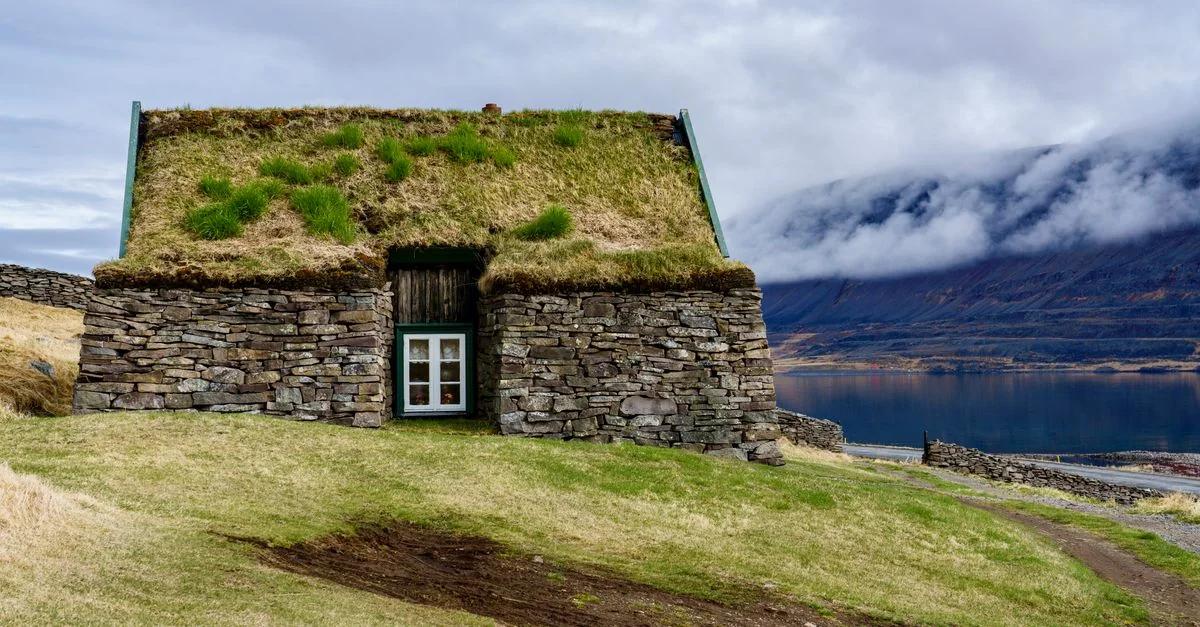
Finding the right place to stay involves choosing between the convenience of the town center and the quiet of the surrounding fjords. The downtown area, characterized by its historic wooden architecture, offers the most immediate access to the port and local services. Staying here means you can walk to the majority of the town’s cafes and museums. You will find a range of mid-range options here, often housed in restored buildings that date back to the early twentieth century. These properties prioritize comfort and traditional aesthetics, making them suitable for travelers who want to be in the heart of the action without sacrificing a quiet night of sleep.
If you prefer a more scenic environment, look for accommodations along the fjord coastline just outside the town limits. These spots often fall into the luxury or high-end category, offering large windows that frame the water and the mountains. These locations are ideal for travelers who have rented a car and want a base for exploring the wider region. For budget-conscious travelers, there are several guesthouses and hostels situated on the outskirts of the town. These offer shared facilities and simple, clean rooms that provide excellent value for those spending the majority of their time hiking or driving through the fjords. While these options are more basic, they provide a authentic experience of life in the Westfjords.
Top Things to Do in Isafjordur#
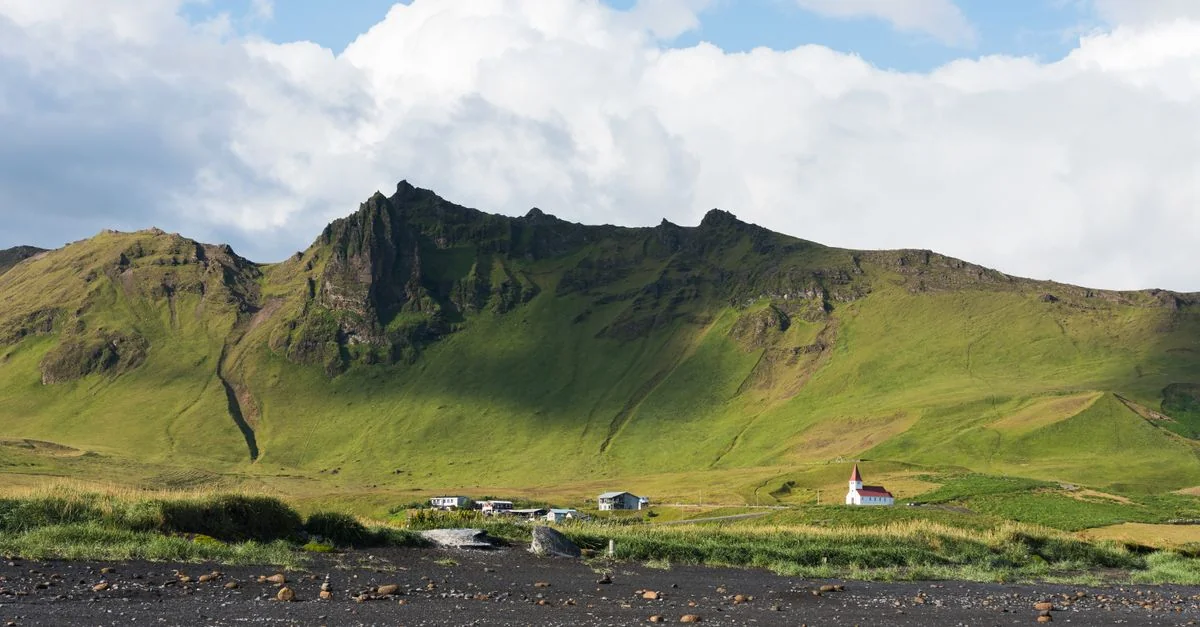
The history of the region is best understood at the Westfjords Heritage Museum, which occupies a collection of the oldest timber-framed houses in the country. The exhibits detail the harsh realities of the fishing industry that built this town, showcasing everything from antique tools to the evolution of local maritime life. After learning about the past, a walk to the Old Hospital Building provides a look at the architectural preservation efforts that define the local aesthetic. The wooden structures here, painted in deep reds and blacks, create a distinct visual identity that stands out against the gray slopes of the surrounding mountains.
For those interested in the natural environment, the Trolla-kirkja or Troll Church hike offers a challenging climb that rewards you with a panoramic view of the fjord system. The trail is steep and requires sturdy footwear, but it provides a perspective on the sheer scale of the landscape that is impossible to gain from sea level. If you prefer a more relaxed pace, a drive to the Bolungarvik fishing village allows you to see the rugged coastline from the comfort of your vehicle. The lighthouse at the edge of the village is a popular spot to watch the surf, especially when the wind picks up and the waves begin to crash against the basalt cliffs.
A visit to the Dynjandi Waterfall is essential, though it requires a bit of driving to reach. This massive, tiered cascade fans out like a bridal veil across the mountainside, creating a constant mist that feeds the lush vegetation at its base. On the way back, stopping at the Sudureyri village provides a glimpse into a modern, sustainable fishing community that has become a model for the rest of the country. If you have time for a boat trip, the Vigur Island excursion offers a chance to see puffins and eider ducks in their natural habitat. The island is small and quiet, providing a peaceful contrast to the mainland. Finally, the Isafjordur Church is worth a stop for its unique, modern design that mimics the sharp angles of the surrounding peaks, serving as a quiet place for reflection before you head out on your next excursion.
Food and Dining Guide#
The local diet is defined by the ocean, which remains the lifeblood of the region. You will find that the quality of the seafood is exceptionally high, with fish often caught just hours before it arrives on your plate. A staple you must try is Plokkfiskur, a hearty fish stew made from cod or haddock, potatoes, and onions, often served with a side of dark rye bread. It is a simple, warming dish that reflects the necessity of using every part of the catch. For those who are more adventurous, Hákarl, or fermented shark, is available in some local establishments, though it is often considered an acquired taste even among locals.
When looking for a quick lunch, the local bakeries and cafes offer excellent Kleina, a twisted doughnut that serves as the perfect companion to a cup of strong coffee. These are found in nearly every small shop and are a reliable way to fuel up before a long hike. For dinner, the town features several restaurants that specialize in Fresh Arctic Char, which is frequently pan-seared and served with local root vegetables. You will also find Dried Fish, or harðfiskur, sold in many grocery stores; it is a common snack for long drives and provides a significant amount of protein. While dining out in the evenings can be expensive, the quality of the local ingredients ensures that the experience is worth the investment.
Getting Around Isafjordur#
Navigating this part of Iceland is best accomplished with a rental car. While the town itself is compact enough to walk across in twenty minutes, the surrounding attractions are spread out across a network of winding, narrow roads that hug the fjords. Rental cars allow you the freedom to stop at viewpoints and adjust your schedule based on the weather, which can change in an instant. Ensure that your vehicle is equipped with tires suitable for gravel, as many of the secondary roads in the Westfjords are not paved.
Public transit is extremely limited and should not be relied upon for regional travel. There are no trains, and the bus service is infrequent, primarily serving the needs of local residents rather than tourists. Taxis are available within the town, but they are costly and not practical for exploring the wider peninsula. If you are not comfortable driving on steep, winding mountain roads, you might consider booking guided day tours from the town center. These services provide transportation to the most popular sites, allowing you to see the landscape without the stress of navigating the challenging terrain yourself.
Budget Breakdown#
Travelers should prepare for costs that are generally higher than what one might expect in mainland Europe or the United States . A budget-conscious trip involves staying in shared hostel dorms or guesthouses, preparing your own meals using ingredients from the local supermarket, and limiting your activities to free hikes and nature walks. In this tier, your daily expenses will be manageable, though still higher than average for international travel. You will rely on your own two feet for transport and focus on the scenery rather than paid attractions.
Mid-range travelers can expect to stay in private rooms at local guesthouses or hotels, eat one or two meals a day at local restaurants, and rent a standard vehicle to explore the region. This tier allows for more comfort and the ability to visit a wider range of sites without strict financial constraints. Luxury travel involves staying in the most scenic accommodations, dining at the top-rated restaurants in town, and potentially hiring private guides for boat tours or specialized hiking excursions. Regardless of your budget, it is important to remember that the most significant attractions—the fjords, the mountains, and the coastline—are free to enjoy, provided you have the time and the appropriate gear to reach them.
Travel Tips for Isafjordur#
Weather Awareness is the most important factor in any successful trip to the Westfjords. The conditions can shift from calm sunlight to a gale-force storm in a matter of minutes. Always check the official road and weather websites before heading out, even if the sky looks clear when you leave your accommodation. If the authorities issue a warning, take it seriously; the mountain passes can become impassable very quickly, and rescue services may be delayed.
Layering Clothing is essential for staying comfortable in the unpredictable environment. Even in the middle of summer, you should carry a waterproof shell, a warm mid-layer, and sturdy, broken-in hiking boots. Avoid cotton, which holds moisture and will leave you cold if you get wet. A good rule of thumb is to dress as if you are preparing for a hike, even if you are just planning to spend the day in town.
Driving Safety requires constant vigilance, especially on the gravel roads that connect the fjords. These roads are often narrow with no shoulder and can be slippery even in dry conditions. Always slow down when entering tunnels, as many of the older ones are single-lane with periodic pull-outs for oncoming traffic. Familiarize yourself with the rules of these tunnels before you begin your drive, as they can be intimidating for those used to wider, multi-lane highways.
Environmental Stewardship is a responsibility that every visitor should take seriously. The landscape is fragile, and the moss and vegetation can take decades to recover from damage caused by trampling. Stay on marked trails whenever possible and never drive off-road, which is illegal and causes permanent scars on the terrain. Pack out everything you bring with you, as there are very few trash receptacles in the remote areas between villages.
Connectivity Expectations should be managed before you arrive. While cell service is generally reliable in the towns, you will find many dead zones as you travel between the fjords. Download offline maps to your phone and keep a physical map in your car at all times. Do not rely on a constant internet connection to navigate or find information; having a printed itinerary and basic knowledge of the route will save you a great deal of stress.
Local Etiquette is simple but important. The residents of the Westfjords are accustomed to visitors, but they appreciate quiet and respect for their private space. When visiting smaller villages, be mindful of where you park and avoid walking on private property. Most people are happy to offer directions or advice if you are polite and approach them with a friendly attitude. Remembering that you are a guest in a remote, self-sufficient community will ensure that you have a pleasant experience.
📌 Disclaimer
Prices, schedules, tour details, flight routes, visa requirements, and all other information on this page are based on data at the time of writing. Fares, availability, and policies may change. Please verify current details on the official website before booking.
📌 More about Isafjordur