📌 Disclaimer
Prices, schedules, tour details, flight routes, visa requirements, and all other information on this page are based on data at the time of writing. Fares, availability, and policies may change. Please verify current details on the official website before booking.
Why Visit Ibiza?#
The scent of dry pine needles baking in the Mediterranean sun hangs heavy in the air, punctuated by the faint, rhythmic thrum of distant bass drifting across the limestone cliffs. Ibiza occupies a unique position in the consciousness of the modern traveler, serving as both a sanctuary for those seeking quiet coves and a global epicenter for electronic music. While the island is frequently categorized by its nighttime reputation, the reality is a landscape defined by craggy coastlines, ancient stone farmhouses, and a pace of life that respects the siesta as much as the sunrise.
For the American visitor, the island offers a distinct shift from the typical European city break. It is a place where you can spend your morning navigating the steep, cobblestone alleys of a fortified medieval town and your afternoon lounging on a secluded beach accessible only by a narrow dirt path. The geography is rugged and unforgiving in its beauty, with olive groves and almond trees providing a stark, rustic contrast to the deep blue expanse of the Balearic Sea. Whether you are seeking a high-energy vacation or a slow-paced retreat into the countryside, the island provides a framework that supports both extremes with equal grace.
Best Time to Visit Ibiza#
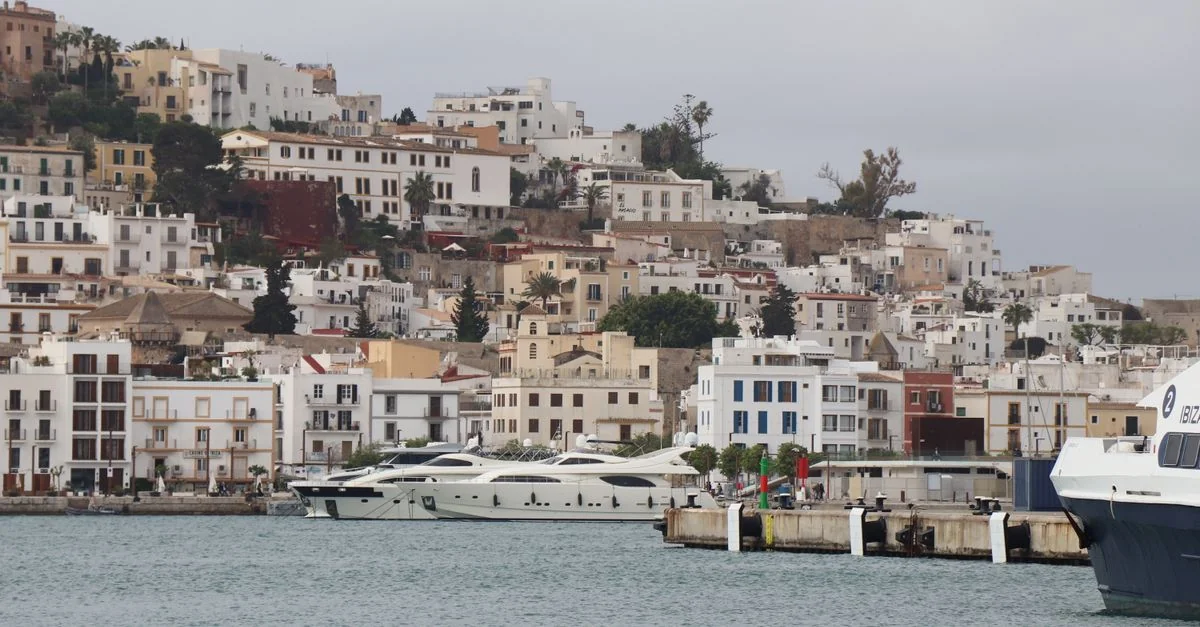
Deciding when to arrive depends entirely on what you want from the island. The shoulder seasons of May, June, September, and October are widely considered the most balanced times for a visit. During these months, the weather is warm enough for swimming, but the intense humidity and peak-season crowds of July and August have either not yet arrived or have begun to dissipate. Prices for accommodation are generally lower during these windows, and the roads are significantly easier to navigate. May is particularly pleasant for those who prefer hiking and exploring the interior, as the landscape is green and the wildflowers are in full bloom.
July and August represent the peak of the island’s activity. If your primary goal is to participate in the world-renowned clubbing scene or you thrive in a high-energy environment, these months are the obvious choice. However, be prepared for significant price increases across all sectors, from car rentals to dinner reservations. The heat can be intense, often requiring a mid-day retreat from the sun. Conversely, the winter months from November through March offer a completely different version of the island. While the majority of the tourist infrastructure closes down and the weather is too cool for beach lounging, this is the time when the island belongs to the locals. It is a period of quiet reflection, ideal for those who want to experience the authentic, sleepy side of the Mediterranean life without the interference of international visitors.
Where to Stay in Ibiza#
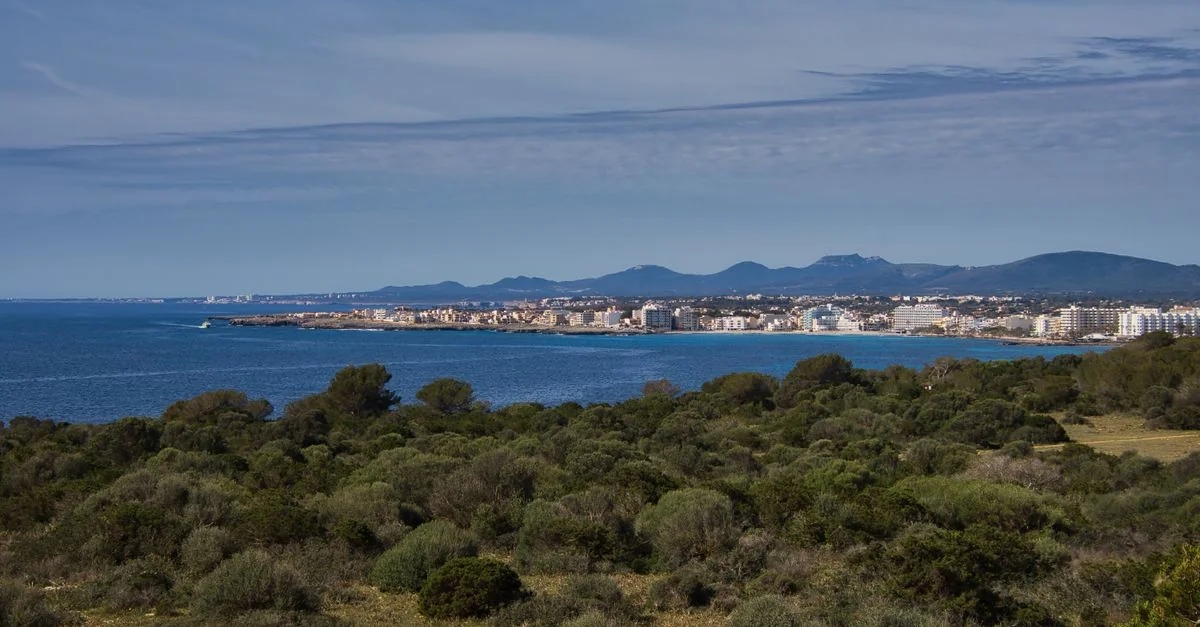
Choosing a base for your trip dictates the rhythm of your week. Ibiza Town, or Eivissa, serves as the primary hub. Staying here places you within walking distance of the historic fortified area and the harbor, making it an excellent choice for those who want to be near the action while maintaining access to history and culture. Accommodations here range from boutique mid-range apartments to high-end luxury suites overlooking the yachts. It is the most convenient location for those relying on public transport or proximity to the airport.
For those who prefer a beach-centric vacation, the Santa Eulalia area offers a more relaxed, family-friendly atmosphere. The town is known for its promenade and a slightly more upscale, quiet vibe compared to the southern parts of the island. You will find a mix of mid-range hotels and luxury beachfront resorts here, all within a short distance of smaller, quieter coves. It is an ideal spot if you want to avoid the chaotic pace of the nightlife hubs while still having access to excellent dining options.
If you are looking for a quintessential village experience, head inland to areas surrounding San Juan . This northern region is characterized by rolling hills, quiet country lanes, and traditional white-washed architecture. Staying here usually requires renting a car, as public transit is sparse, but the reward is a sense of seclusion that is difficult to find elsewhere. Options here are often limited to high-end agroturismo properties—converted farmhouses that offer a luxury experience rooted in the rural history of the island. It is the perfect choice for travelers who want to disconnect from the digital world and focus on the landscape.
Top Things to Do in Ibiza#
A week on the island should begin with a walk through Dalt Vila, the fortified old town of Ibiza. The steep, winding streets lead up to a cathedral that offers a panoramic view of the harbor. After descending, head to the Ses Salines Natural Park, a protected area where you can observe salt flats that have been harvested since the Phoenician era. The surrounding beaches are some of the most famous on the island, providing a long stretch of sand framed by pine forests.
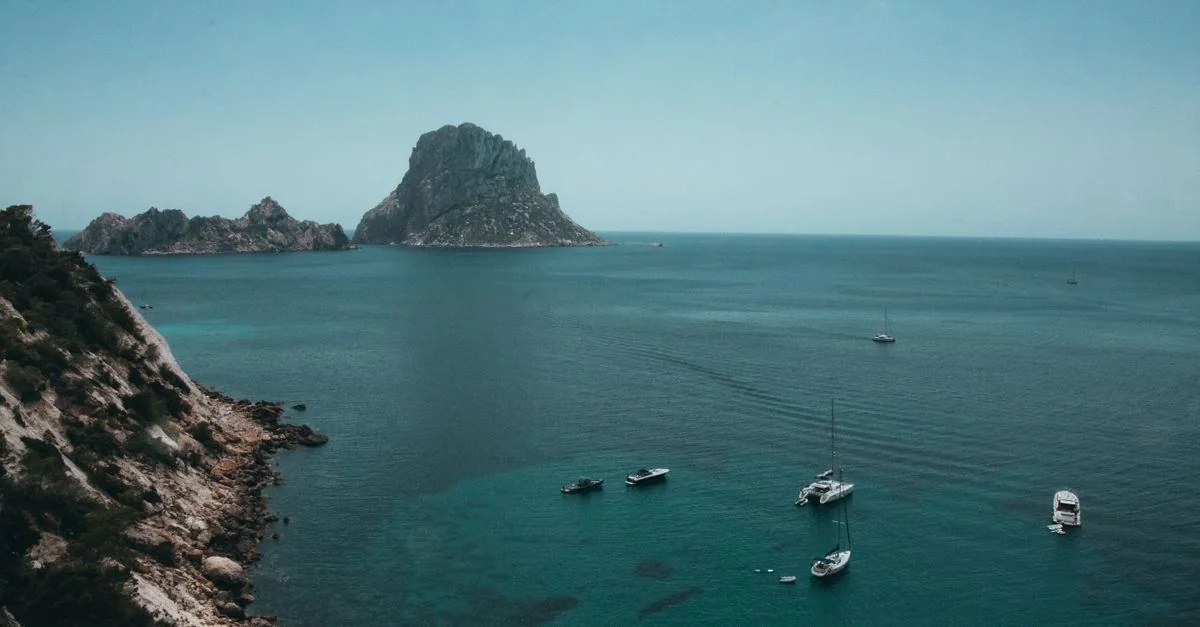
For a change of pace, make your way to the Es Vedrà viewpoint. This massive, jagged rock formation rising out of the sea is the subject of many local myths and is best viewed during the golden hour as the sun dips behind the horizon. It is a stark, powerful landscape that feels worlds away from the beach clubs. If you enjoy water activities, take a boat excursion to Formentera , the smaller island just south of Ibiza. The water there is remarkably clear and the vibe is significantly more laid back, making it a perfect day trip for swimming and cycling.
History enthusiasts should venture to the Puig des Molins Necropolis, an ancient burial site that provides a fascinating look at the island’s layered history. It is a quiet, contemplative space that sits in contrast to the busy energy of the nearby city center. For those who enjoy a more active pursuit, the Cala d’Hort area offers excellent coastal hiking paths that lead to secret coves. If you are interested in the local crafts, the Las Dalias Hippie Market is a staple of the island’s culture. While it has grown into a significant attraction, it remains a place to see local artisans and experience the bohemian roots that defined the island in the 1960s and 70s. Finally, do not miss the Cova de Can Marçà, a series of natural caves in the north that were once used by smugglers to hide their goods. The tour through the stalactites and underground waterfalls provides a cool respite from the summer sun.
Food and Dining Guide#
The culinary identity of the island is deeply tied to the sea and the land. You will notice a recurring theme of fresh, simple ingredients prepared with minimal fuss. One of the most iconic dishes you must try is Bullit de Peix, a traditional fish stew that is often served in two parts: first the succulent fish cooked in a potato and saffron-infused broth, followed by a portion of rice cooked in the remaining flavorful stock. It is a hearty, communal dish that reflects the island’s maritime heritage.
For a lighter option, look for Ensalada Payesa, a rustic salad made with dried fish, potatoes, tomatoes, and onions. It is a simple, savory dish that perfectly captures the flavors of rural life. When you are looking for a snack, seek out Sobrassada, a cured, spreadable sausage seasoned with paprika. It is often served on crusty bread and is a staple in local households. For dessert, there is nothing quite like Flaó, a unique cheesecake flavored with mint and aniseed. It is an acquired taste for some, but it is deeply traditional and deeply connected to the local palate.
In terms of where to eat, the island offers everything from casual beach shacks to fine-dining establishments. The beach shacks, often called chiringuitos, are the best places to find fresh grilled seafood without the formality of a white-tablecloth restaurant. If you are in the countryside, look for restaurants located in converted fincas; these spots often source ingredients directly from their own gardens and offer a dining experience that feels like a private dinner party.
Getting Around Ibiza#
Navigating the island requires a bit of planning. If you intend to stay within the main city or visit the most popular beaches, the bus network is reliable and affordable. During the summer months, the system is augmented by special routes that connect the major nightlife hubs to the main towns. However, if you want to explore the northern coves or the quiet interior villages, public transit will prove frustratingly limited.
Renting a car is the most practical choice for those who value independence. The roads are generally well-maintained, though you should be prepared for narrow, winding paths in the countryside. Parking can be a challenge in the height of the summer, particularly in Ibiza Town and near popular beaches, so factor in extra time to find a spot. Taxis are widely available and can be hailed in the main towns or booked through local apps, but they can become expensive if you are relying on them for long distances across the island. Walking is a viable way to navigate the historic centers, but the island is far too large to rely on your feet for anything beyond local exploration.
Budget Breakdown#
Your daily spending will fluctuate significantly based on your travel style. For a budget traveler, focusing on public transport, staying in hostels or simple guesthouses, and eating at local markets or supermarkets will keep costs manageable. You can expect to spend a modest amount per day, with the bulk of your budget going toward accommodation and the occasional rental car.
Mid-range travelers typically opt for boutique hotels or apartment rentals, eat at a mix of casual restaurants and local taverns, and rent a car for the duration of the trip to ensure maximum flexibility. This tier allows for a comfortable experience, including occasional visits to paid attractions and a few nice dinners out. Luxury travelers will find no shortage of high-end options, from private villas with concierge services to exclusive beach clubs and fine-dining establishments. The daily budget for this tier is significantly higher, reflecting the cost of premium transportation, high-end lodging, and exclusive experiences.
Travel Tips for Ibiza#
Sun Protection is a non-negotiable aspect of any trip here. The Mediterranean sun is deceptive; even on days that feel breezy, the intensity of the UV rays can cause severe burns within minutes. Always carry high-SPF sunscreen, a wide-brimmed hat, and polarized sunglasses, especially if you are spending long hours on the water.
Water Consumption is another critical factor. The tap water on the island is often desalinated and can have a distinct taste, so most travelers prefer to stick to bottled water. Always keep a reusable bottle filled and stay hydrated, particularly if you are hiking or spending the day in the sun.
Restaurant Reservations are essential during the peak months of July and August. If you have your heart set on a specific seaside restaurant or a popular spot in the old town, book your table at least a few days in advance. Many of the best places fill up quickly, and walking in without a reservation often results in long waits or being turned away.
Driving Etiquette on the island is generally relaxed, but the narrow roads require caution. Be prepared for cyclists and pedestrians, especially on the winding coastal routes. If you are renting a car, ensure you have a clear understanding of the insurance coverage, as the tight streets and gravel parking areas can lead to minor scrapes.
Local Customs regarding time are important to keep in mind. The island operates on a slower clock than many major American cities. Dinner usually begins late, and businesses often close for a mid-afternoon siesta. Embracing this pace rather than fighting it will make your experience much more enjoyable.
Beach Access can sometimes involve a bit of a hike. Many of the most beautiful, secluded coves are not accessible by car. Wear sturdy footwear rather than flip-flops if you plan on seeking out the less-frequented stretches of sand, as the paths can be rocky and uneven.
Tipping Culture is not as aggressive as it is in the United States . While it is customary to leave a small amount for good service in restaurants, it is not expected to tip a large percentage of the total bill. A few euros left on the table is perfectly acceptable and appreciated by the staff.
📌 Disclaimer
Prices, schedules, tour details, flight routes, visa requirements, and all other information on this page are based on data at the time of writing. Fares, availability, and policies may change. Please verify current details on the official website before booking.