📌 Disclaimer
Prices, schedules, tour details, flight routes, visa requirements, and all other information on this page are based on data at the time of writing. Fares, availability, and policies may change. Please verify current details on the official website before booking.
Why Visit Huatulco?#
The scent of roasting corn tortillas mingles with the salty Pacific breeze the moment you step off the plane in Oaxaca ’s coastal southern stretch. Huatulco operates on a different frequency than Mexico ’s hyper-developed resort zones, offering American travelers a slower-paced coastal escape where nine distinct bays notch into the Sierra Madre foothills. Conservation efforts remain a priority here, with a massive portion of the surrounding land designated as a national park, ensuring that wildlife like green iguanas, armadillos, and countless bird species outnumber high-rise condominiums.
What sets this destination apart is the deliberate division of the community into distinct zones known as sector areas, each serving a specific purpose rather than blending into one massive tourist strip. You will find towns designed for authentic local living alongside resort corridors that prioritize privacy and environmental sustainability. This layout allows visitors to sample Oaxacan culture, sip locally grown coffee from the nearby mountains, and swim in protected marine waters without navigating miles of commercial sprawl.
Best Time to Visit Huatulco#
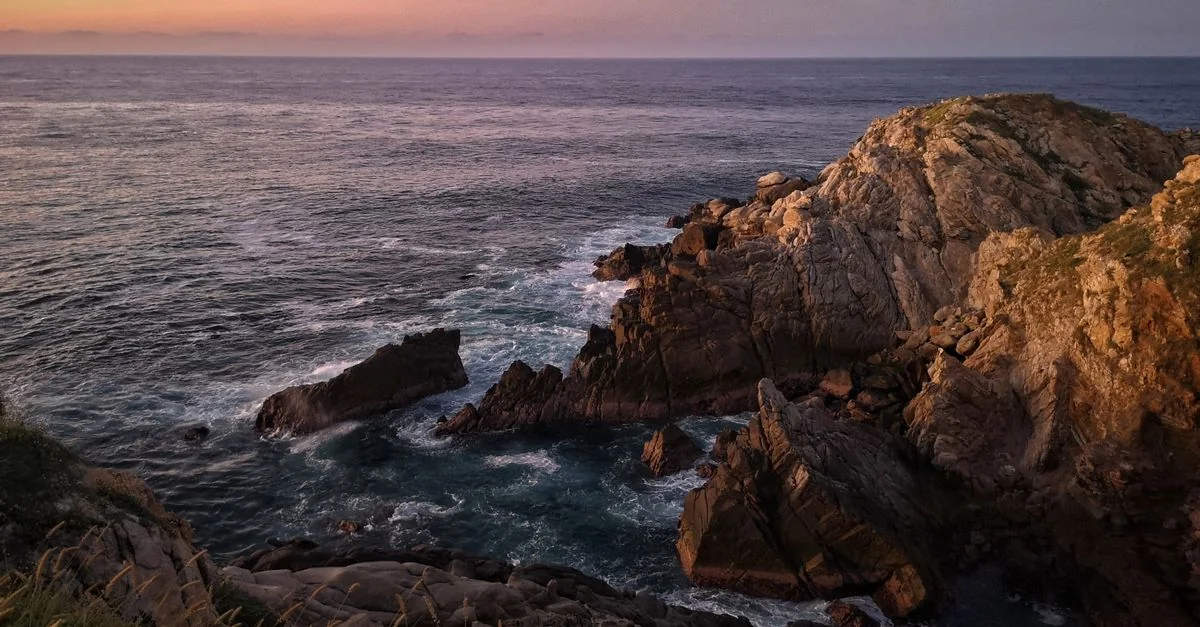
Planning your trip depends heavily on weather patterns and your tolerance for heat and humidity along the Oaxacan coast. The dry season runs from November through April, bringing reliable sunshine, comfortable humidity levels, and calm seas that make boat excursions particularly pleasant. December and January see an influx of holiday travelers, meaning higher prices for accommodations and peak crowds around the most popular sandy stretches.
The shoulder months of May and October offer a pleasant compromise, featuring fewer tourists and occasional afternoon rain showers that quickly clear to reveal dramatic sunsets. June through September constitutes the rainy season, characterized by higher temperatures, frequent tropical downpours, and very low traveler numbers. During these wet months, resort and rental prices drop significantly, though certain water activities may face cancellations due to rough ocean conditions.
Where to Stay in Huatulco#

Choosing a base for your vacation depends on your preferred travel style and proximity to the water. Santa Cruz serves as the primary maritime hub, making it an ideal choice for visitors who want direct access to boat tours, scuba excursions, and casual waterfront dining. Accommodations here lean toward mid-range apartment rentals and family-run inns within easy walking distance of the marina and public square.
For travelers seeking a traditional Mexican town atmosphere, La Crucecita sits slightly inland and acts as the civic heart of the region. This neighborhood features pedestrian-friendly streets lined with taco stands, textile shops, and local bakeries, appealing to budget-conscious travelers and those who prefer guesthouses over large resorts. The plaza here hosts evening gatherings where locals chat under laurel trees, offering an authentic slice of daily life.
Travelers desiring all-inclusive amenities, golf courses, and direct oceanfront access generally gravitate toward Tangolunda Bay. This upscale corridor hosts major resort properties nestled along manicured grounds and private beaches. Prices here sit firmly in the luxury tier, though the secluded setting provides a high level of privacy, manicured landscapes, and full-service pampering.
Conejos Bay offers an even more exclusive retreat for luxury seekers looking to escape the busier tourist zones. Situated further east, this area features dramatic rocky headlands and luxury rental villas with infinity pools overlooking quiet shores. While dining and entertainment options are limited primarily to the properties themselves, the trade-off is absolute tranquility and pristine natural surroundings.
Top Things to Do in Huatulco#

Spending time on the water requires a morning excursion to Santa Cruz Bay, where local captains offer boat tours to explore the isolated coves dotting the coastline. These vessel trips provide access to secluded spots where marine life thrives beneath the surface. One notable stop on these routes is San Agustín Bay, a wide stretch of golden sand known for lively coral reefs that appeal directly to snorkelers and scuba enthusiasts looking to spot rays and tropical fish.
Away from the marine environment, land-based adventures lead up into the foothills to the Pluma Hidalgo Coffee Plantations, where the local microclimate produces exceptional shade-grown beans. Guided walks through these mountain farms demonstrate traditional harvesting and roasting methods, accompanied by sweeping views of the Pacific coastline far below. Back at sea level, the Huatulco National Park protects thousands of hectares of dry tropical forest, offering well-maintained hiking trails where observant hikers can spot white-tailed deer, coatis, and native bird species.
For a unique natural phenomenon, travelers venture to Bocana del Copalito, a coastal wetland area where mangrove tours reveal nesting herons and iguanas sunning themselves on exposed roots. As evening approaches, visitors often head to La Entrega Beach, a sheltered cove with calm waters that make it ideal for an afternoon swim before watching the sun dip below the horizon. The shallow, protected reef here also provides easy snorkeling right off the shoreline without requiring a boat.
For panoramic perspectives of the entire region, a drive up to the Mirador Cruz del Copalito offers sweeping views of the coastline, the Sierra Madre mountains, and the deep blue expanse of the ocean. Cultural immersion takes center stage at the Zócalo of La Crucecita, where artisans sell Oaxacan crafts, and visitors can admire the massive painted image of the Virgin of Guadalupe on the ceiling of the local church. Finally, those seeking a completely undeveloped shoreline will appreciate Cacaluta Bay, a pristine, road-free expanse of sand accessible only by boat or a long jungle hike, preserving a raw beauty largely untouched by modern development.
Food and Dining Guide#
The culinary landscape here heavily reflects its position within Oaxaca, widely celebrated as the food heart of Mexico. Street food vendors and local fondas serve staples like tlayudas, massive crispy corn tortillas slathered with black bean paste, asiento pork lard, shredded cabbage, and quesillo cheese, then toasted over open coals. Another local favorite is mole negro, a complex sauce blending numerous dried chiles, spices, chocolate, and seeds, typically spooned generously over tender chicken.
Seafood dominates coastal menus, with pescado a la talla serving as a regional specialty. This dish features a whole fish split down the middle, coated in a bright adobo or guajillo paste, and grilled slowly over coconut husks until smoky and tender. For a refreshing afternoon snack, street carts offer ceviche tropical, diced fresh catch cured in lime juice and tossed with mango, cucumber, and red onion.
Dining options range from rustic beach shacks serving grilled catch of the day directly on the sand to refined restaurants in La Crucecita plating modern interpretations of traditional Oaxacan recipes. Street food stands provide budget-friendly meals with bold flavors, particularly during the evening hours when taco carts fire up their spits for pastor and carne asada. Pairing these meals with a glass of chilled horchata de melón or a locally crafted mezcal rounds out an authentic dining experience.
Getting Around Huatulco#
Navigating the area requires understanding the separation between the coastal bays and the inland town of La Crucecita. Public transportation primarily consists of local buses and colectivos—shared vans that run fixed routes between the neighborhoods and major beaches for a very low fare. These vehicles work well for travelers comfortable with basic Spanish and flexible schedules.
Taxis are ubiquitous, highly affordable, and operate on a zone-based fare system rather than a meter, meaning you should always confirm the price with the driver before stepping inside. Walking is entirely feasible within La Crucecita and along the flat sidewalks of the Santa Cruz marina, but walking between distinct bays is impractical due to the hilly terrain and distance. Renting a car makes sense for travelers who want to explore remote beaches and mountain coffee farms independently, though standard parking rules and narrow dirt roads require attentive driving.
Budget Breakdown#
Budget travelers can easily manage daily expenses by utilizing public buses, eating street food, and staying in modest guesthouses or hostels in La Crucecita. Daily expenditures in this tier remain quite low, covering simple meals, local transport, and self-guided beach visits.
Mid-range travelers enjoy comfortable apartment rentals or boutique inns near the marina, sit-down dinners at local restaurants, and guided boat excursions or coffee plantation tours. This tier allows for regular taxi usage and comfortable dining without excessive spending.
Luxury travelers experience the destination through high-end resort stays in Tangolunda or private hillside villas, private boat charters, spa treatments, and fine dining at upscale establishments. Costs escalate accordingly in this category, providing private service, premium amenities, and complete seclusion.
Travel Tips for Huatulco#
Sun protection is essential given the strong equatorial sun and reflected glare from the ocean. Packing reef-safe sunscreen, a wide-brimmed hat, and UV-protective clothing prevents painful sunburns during long days spent exploring the bays.
Water safety requires mindfulness, as municipal tap water is not suitable for drinking. Always stick to bottled or filtered water, which is standard at hotels and restaurants, and use it for brushing your teeth to avoid stomach illness.
Cash usage remains important because many small taco stands, craft vendors, and taxi drivers do not accept credit cards. Keeping a supply of smaller denomination Mexican pesos on hand ensures smooth transactions for daily needs.
Language basics enhance interactions with local residents since English is spoken fluently at major resorts, but less common in neighborhood markets and inland eateries. Learning a few polite phrases in Spanish goes a long way toward building rapport.
Environmental awareness governs the national park and protected bays. Visitors should pack out all trash, avoid touching coral reefs, and respect local wildlife to help preserve the natural integrity of this coastal sanctuary.
📌 Disclaimer
Prices, schedules, tour details, flight routes, visa requirements, and all other information on this page are based on data at the time of writing. Fares, availability, and policies may change. Please verify current details on the official website before booking.
📌 More about Huatulco