📌 Disclaimer
Prices, schedules, tour details, flight routes, visa requirements, and all other information on this page are based on data at the time of writing. Fares, availability, and policies may change. Please verify current details on the official website before booking.
Why Visit Holyhead?#
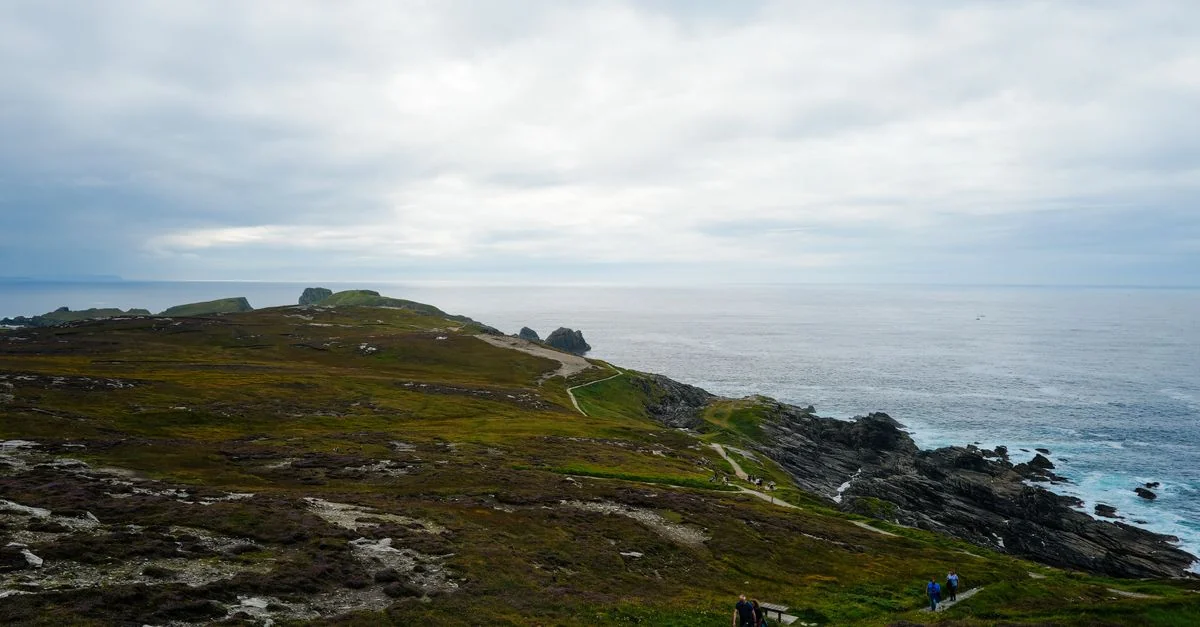
The salty tang of Irish Sea spray drifts across the harbor walls while gulls wheel above stone cottages, signaling arrival at the western edge of Anglesey. Holyhead functions as the primary gateway between Wales and Ireland , yet this coastal town offers far more than a simple ferry terminal for travelers heading across the water. Jagged quartzite cliffs drop into churning green water, ancient burial chambers dot the windswept hillsides, and coastal paths offer hours of uninterrupted walking with views stretching toward the mountains of Snowdonia.
For American visitors accustomed to sprawling modern cities, Holyhead provides a refreshing retreat into deep history and rugged topography. The town sits on Holy Island, separated from the main body of Anglesey by a narrow, fast-flowing channel, creating a distinct insular atmosphere. Visitors find a place where Welsh is spoken naturally in the shops, where medieval fortresses sit quietly against the backdrop of modern marine life, and where the pace of life encourages lingering over a pot of tea while watching the fishing boats bob in the harbor.
Best Time to Visit Holyhead#
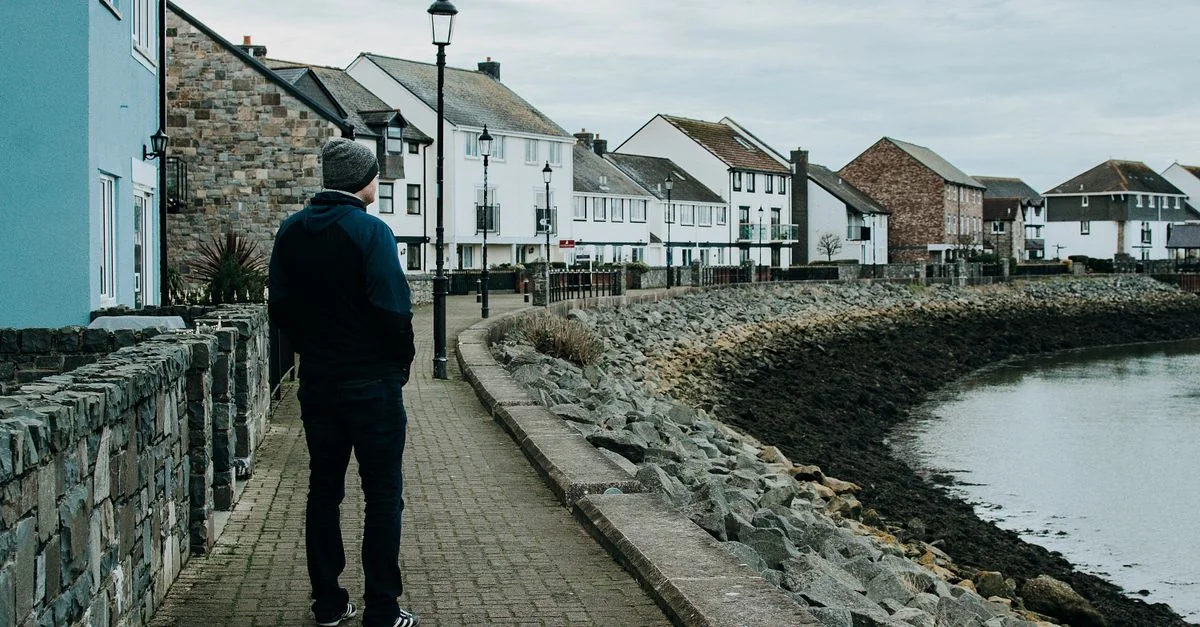
Planning a trip across the Atlantic requires careful attention to the Welsh climate, which tends toward unpredictable moisture and brisk coastal winds. The optimal window for visiting Holyhead spans from late May through September, when the daylight stretches far into the evening and temperatures remain mild enough for comfortable outdoor exploration. During June and July, long daylight hours allow for extended hikes along the coastal paths, and daytime temperatures hover comfortably in the upper sixties Fahrenheit. Crowd levels remain manageable compared to major English tourist hubs, though July and August bring an influx of families taking advantage of school holidays, resulting in slightly higher accommodation rates and busier parking lots near major viewpoints.
Shoulder season months, particularly May and September, offer a rewarding alternative for travelers seeking tranquility and moderate pricing. May brings blooming gorse that coats the headlands in brilliant yellow, while September often delivers crisp, clear days with stable weather patterns before the autumn storms arrive. October through April brings dramatic storm watching, howling winds, and significantly lower lodging prices, but many seasonal attractions and coastal cafes close their doors for the winter. Travelers visiting during the colder months should pack heavy waterproof layers and prepare for very short daylight hours, as the sun sets early over the Irish Sea.
Where to Stay in Holyhead#
Choosing a base for an Anglesey vacation depends largely on the preferred style of accommodation and proximity to the water. The immediate Holyhead Town Center places travelers within walking distance of the ferry terminal, local pubs, and the train station, making it an ideal choice for visitors relying on public transit. Lodging in the center ranges from traditional guesthouses housed in Victorian row houses to modern budget inns. Prices here tend to be the most affordable on the island, though street noise can pick up early in the morning when the ferries arrive.
For travelers seeking maritime charm and immediate access to the sea, the Newry Beach and Marina Area offers scenic views of yachts and sailboats. This neighborhood features comfortable mid-range bed-and-breakfasts and small boutique guesthouses where hosts serve hearty cooked breakfasts featuring local ingredients. The atmosphere is peaceful, and walking paths connect the marina directly to the breakwater. Pricing in this district reflects the waterfront location, sitting comfortably in the mid-range tier.
Visitors prioritizing seclusion and dramatic scenery should look toward the rural fringes near South Stack and the western cliffs. This area offers charming stone cottages, converted farmhouses, and upscale country inns operating at the luxury tier. While staying here requires a rental car to reach restaurants and shops, the reward is waking up to uninterrupted ocean views, grazing sheep outside the window, and immediate access to the coastal path.
Top Things to Do in Holyhead#

A rewarding itinerary begins at South Stack Lighthouse, perched on a dramatic offshore precipice reached by descending hundreds of steep stone steps down the cliff face. The journey rewards visitors with crashing waves below and the chance to spot nesting seabirds, including puffins and guillemots, clinging to the sheer rock faces during the summer months. Nearby, the RSPB South Stack Cliffs Nature Reserve provides visitor facilities and viewing platforms where powerful telescopes allow for a closer look at the avian wildlife inhabiting the marine environment.
History enthusiasts will find plenty to explore within the town itself at Caer Gybi, a rare example of a Roman fortlet featuring three standing original walls dating back to the fourth century. Tucked right against the medieval St Cybi’s Church, this ancient fortification demonstrates the strategic importance of the harbor during the Roman occupation of Britain. Just a short drive outside the town center stands Ty Mawr Hut Circle, an archaeological site preserving the stone foundations of prehistoric roundhouses where ancient communities lived thousands of years ago.
For those eager to stretch their legs, the Holyhead Mountain and Breakwater Country Park offers varied terrain ranging from gentle lakeside strolls to challenging mountain climbs. Scaling the summit of Holyhead Mountain, the highest point on Anglesey, reveals panoramic views across the Irish Sea to the Wicklow Mountains of Ireland on exceptionally clear days. Afterward, a walk along the Holyhead Breakwater, one of the longest structures of its kind in Europe , provides a bracing seaside experience as anglers cast lines into the deep water from the stone pier.
Further exploration of the island brings travelers to Porth Dafarch, a sheltered sandy cove flanked by rocky headlands that attracts kayakers, rockpool explorers, and swimmers brave enough to brave the refreshing water. Heading inland leads to Barclodiad y Gawres, a Neolithic passage grave featuring decorated stones hidden beneath a grassy mound, offering a tangible connection to the ancient ritual practices of early island inhabitants.
Food and Dining Guide#
The culinary landscape of Holyhead reflects its maritime setting, emphasizing locally sourced seafood and traditional Welsh comfort food. Local dining spans casual fish and chip shops near the harbor to cozy pubs serving hearty evening meals and upscale dining rooms overlooking the water. Street food culture is largely absent, replaced instead by traditional bakery counters and rustic farm shops selling regional specialties.
No visit is complete without sampling Anglesey Sea Salt, harvested directly from the pristine local waters and used in both savory dishes and artisanal chocolates throughout the region. For a warming midday meal, traditional Cawl, a rich Welsh lamb and root vegetable broth, provides sustenance after a chilly morning of coastal walking. Seafood lovers should seek out locally caught Conwy Mussels, typically steamed in white wine and garlic, or classic battered Welsh Cod served with thick-cut chips and mushy peas at the harborside eateries. To finish a meal, a slice of Bara Brith, a traditional fruit loaf infused with tea and spices, pairs perfectly with a hot cup of English breakfast tea.
Getting Around Holyhead#
Navigating Holyhead and the surrounding island of Anglesey requires an understanding of the available transportation options, which vary significantly in convenience. The town itself is remarkably compact, making walking the best way to explore the center, the harbor, and immediate residential streets. Sidewalks are generally well-maintained, though the approach to the coastal headlands involves steep inclines and uneven paths.
For destinations beyond the town center, a network of local buses connects Holyhead to neighboring villages, Beaumaris, and Bangor on the mainland. However, bus frequencies can be limited, particularly on weekends and holidays, requiring careful schedule planning. Taxis operate around the clock, primarily serving the ferry terminal and train station, but booking rides in advance is recommended during peak travel times.
Relying on a rental car provides the ultimate flexibility for American travelers wishing to explore hidden coves, ancient monuments, and rural trailheads at their own pace. Drivers must remember to navigate on the left side of the road, and rural lanes often narrow to single-track roads with designated passing places, requiring patience and confidence behind the wheel.
Budget Breakdown#
Planning financial expectations for a trip to Holyhead involves considering various travel styles, with expenses generally aligning with national UK averages outside of major metropolitan centers like London .
For budget travelers staying in hostels or basic guesthouses, preparing picnic lunches from local grocery stores, utilizing public buses, and focusing on free outdoor attractions such as coastal walks, daily expenses remain modest.
Mid-range travelers booking comfortable harbor-view bed-and-breakfasts, enjoying casual pub dinners and seafood lunches, renting a car for regional exploration, and paying modest admission fees for historic sites will find costs moderate and predictable.
Luxury travelers investing in upscale country house hotels near the cliffs, dining on high-end local seafood at fine restaurants, hiring private drivers or renting premium vehicles, and booking guided outdoor excursions will occupy the highest spending tier, where quality and privacy command premium rates.
Travel Tips for Holyhead#
Preparing for variable conditions ensures a smooth journey to this corner of the United Kingdom . Weather preparedness remains paramount, as coastal conditions can shift rapidly from bright sunshine to sudden rain squalls within a single hour; packing waterproof outerwear and sturdy walking shoes is non-negotiable.
Understanding currency and payments prevents inconvenience, as the British Pound is the accepted legal tender, and while contactless credit and debit cards are widely accepted throughout town, carrying some physical cash is wise for small rural honesty boxes or remote parking meters.
Respecting local culture enhances the travel experience, and visitors will find that greeting locals with a polite hello or learning a few basic Welsh phrases is met with genuine warmth and hospitality.
Navigating plug adapters requires bringing Type G three-pin British plugs, as American electronics will not fit local sockets without the appropriate conversion hardware.
Prioritizing wildlife etiquette protects the fragile coastal ecosystem, meaning travelers should maintain a respectful distance from nesting seabirds and grazing livestock along the cliff paths.
Finally, managing cellular connectivity is simple by utilizing local Wi-Fi available in most accommodations and cafes, though downloading offline maps before heading onto remote coastal paths prevents navigation issues when cellular service dips behind the headlands.
📌 Disclaimer
Prices, schedules, tour details, flight routes, visa requirements, and all other information on this page are based on data at the time of writing. Fares, availability, and policies may change. Please verify current details on the official website before booking.
📌 More about Holyhead