📌 Disclaimer
Prices, schedules, tour details, flight routes, visa requirements, and all other information on this page are based on data at the time of writing. Fares, availability, and policies may change. Please verify current details on the official website before booking.
Why Visit Helsinki?#
The scent of damp granite and pine needles clings to the air as you step off the ferry, a sharp, bracing reminder that you have arrived in the far north. Helsinki sits on a series of peninsulas and islands, creating a city that feels physically tied to the Baltic Sea. Unlike the frantic pace of larger European capitals, this city operates on a rhythm of efficiency and quiet confidence. It is a place where modern architecture sits comfortably alongside nineteenth-century neoclassical buildings, and where the locals value personal space as much as they value their daily coffee breaks.
American travelers often find the city refreshing because of its straightforward nature. You will not find aggressive street vendors or overwhelming tourist traps here. Instead, you get a clean, functional, and deeply thoughtful environment. The city design prioritizes human comfort, with wide sidewalks, accessible public parks, and a transit system that functions with clockwork precision. It is an ideal destination for those who appreciate design, history, and a slower pace of life that allows for genuine observation rather than just checking items off a list.
Best Time to Visit Helsinki#
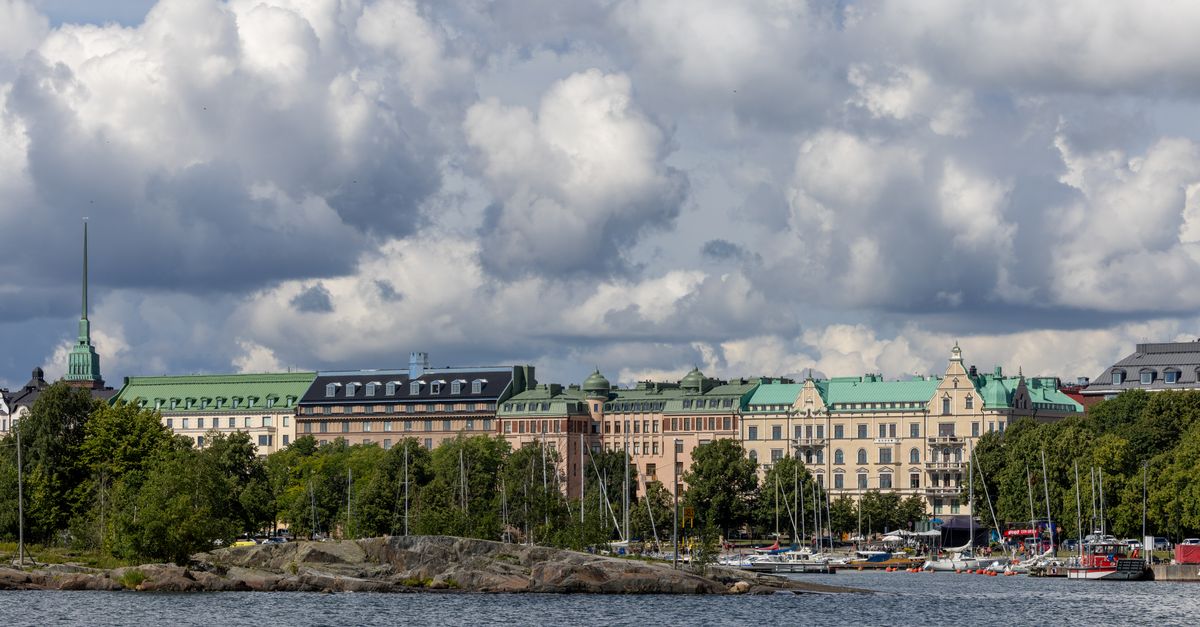
The window for visiting Helsinki is dictated largely by the sun. During the summer months of June, July, and August, the city experiences the phenomenon of the midnight sun, where daylight stretches deep into the night. This is the peak season for tourism, characterized by temperatures that hover in the 60s and 70s Fahrenheit. You will find the outdoor markets, parks, and islands at their most active, though prices for flights and lodging are at their highest during this period. It is the best time for those who want to spend their entire trip outdoors, taking advantage of the long days to explore the archipelago.
Shoulder seasons occur in May and September. During these months, the weather is unpredictable, with cool breezes and occasional rain, but the crowds are significantly thinner. You will find more availability in hotels and lower rates for airfare. If you are willing to pack layers and handle a bit of drizzle, these months offer a more authentic look at local life. The city feels less like a tourist destination and more like a functional home for its residents.
Winter, spanning from November through March, is a different experience entirely. While the days are short and the temperatures often dip below freezing, the city transforms into a quiet, snow-covered landscape. This is the most affordable time to visit, as demand for accommodation drops significantly. If you are prepared for the darkness and the cold, you will find a cozy atmosphere inside the city’s many cafes and public saunas. It is a season for introspection and enjoying the Finnish concept of comfort, or hygge, though you should be prepared for limited daylight hours.
Where to Stay in Helsinki#
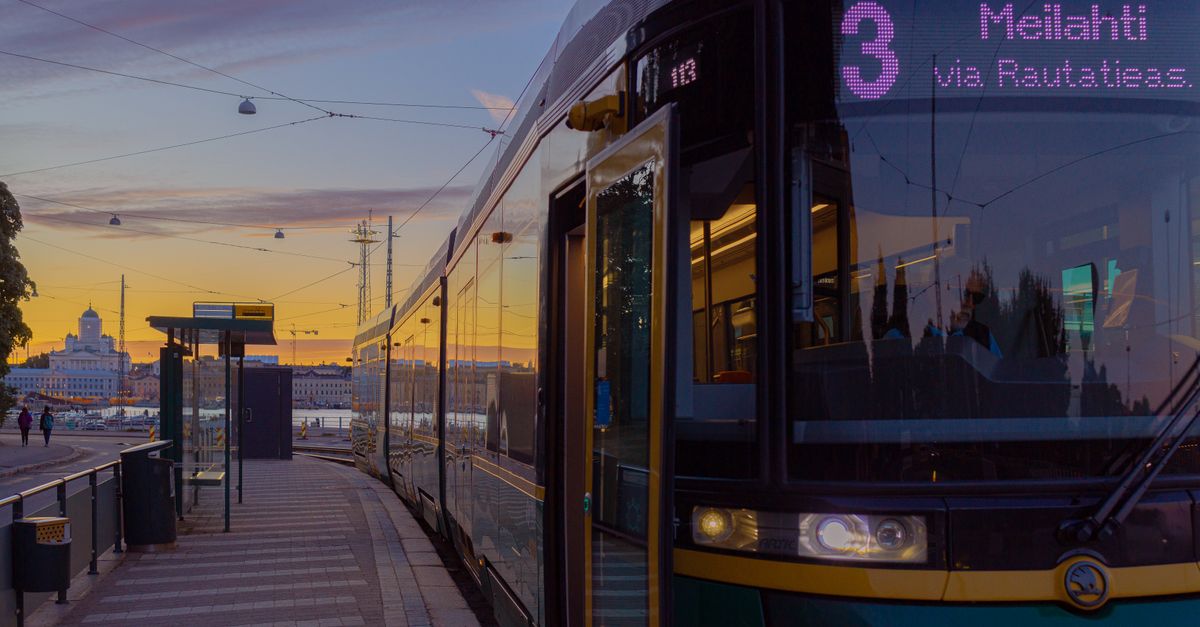
Deciding where to stay depends on your priorities regarding accessibility and atmosphere. The Kamppi and Kluuvi districts represent the central business area, offering the highest density of transit connections and shopping. This is the best choice for first-time visitors who want to be within walking distance of the main train station and the primary department stores. You will find a full spectrum of lodging here, from high-end luxury suites in historic buildings to mid-range options that cater to business travelers.
For a more atmospheric experience, the Punavuori neighborhood, often referred to as the Design District, is ideal. It is filled with independent boutiques, art galleries, and small coffee houses. This area tends to be quieter at night than the city center but remains close enough to walk to the main attractions. Accommodations here lean toward boutique properties and apartment rentals, offering a more residential feel. It is a great spot for those who want to feel like a local rather than a tourist.
Kallio serves as the primary neighborhood for those on a tighter budget. Historically a working-class area, it has developed into a hub for students and artists. You will find a variety of affordable hostels and guest houses here. The area is known for its nightlife and independent dining scene, which is generally less expensive than the options in the city center. While it is slightly further from the main harbor, the tram connections make it easy to reach the major sights within fifteen minutes.
Top Things to Do in Helsinki#
The most striking landmark in the city is the Helsinki Cathedral, which dominates the skyline of Senate Square with its bright white facade and green domes. Walking up the wide stone stairs provides a panoramic view of the harbor and the nearby neoclassical buildings. Just a short walk away, the Uspenski Cathedral offers a stark contrast with its red-brick exterior and golden cupolas, representing the influence of Eastern Orthodox traditions in the region. These two structures serve as the anchor for any walking tour of the city center.
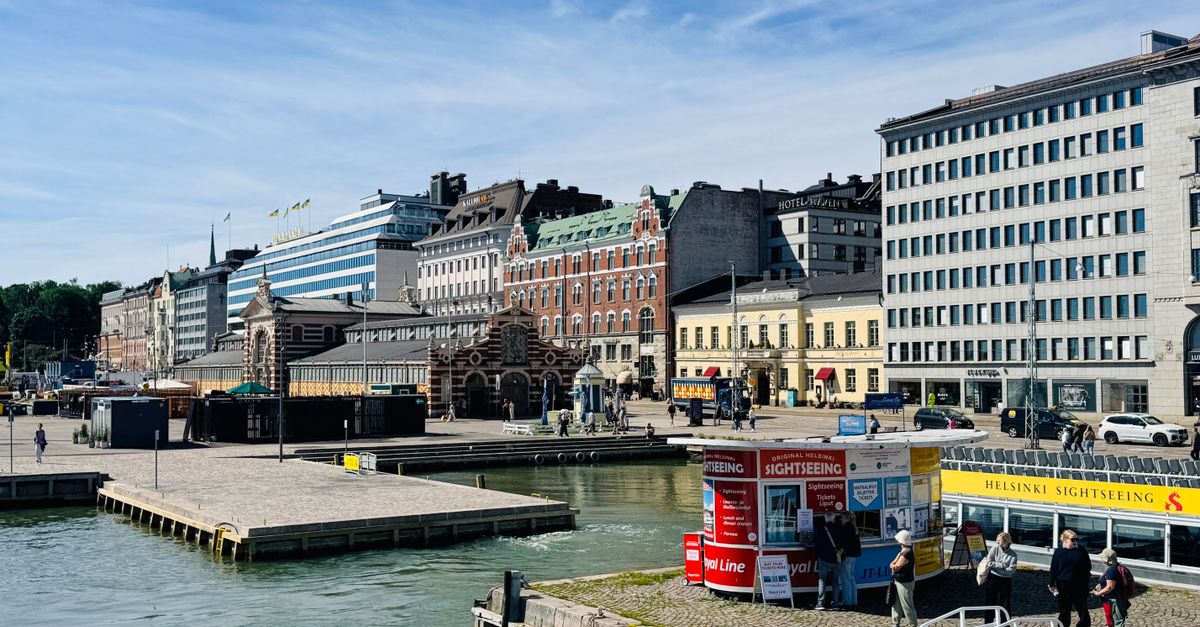
To understand the local connection to the sea, a visit to the Market Square is essential. Located right on the water, this open-air space is where locals buy fresh berries, fish, and seasonal vegetables. It is the departure point for the ferry to Suomenlinna, a sea fortress built across six islands. You can spend an entire afternoon walking the ramparts, exploring the tunnels, and visiting the museums located within the fortress walls. It is a UNESCO World Heritage site and provides a quiet escape from the urban center.
Art and design enthusiasts should prioritize the Amos Rex museum, which is housed in a unique underground space with skylights that pop up through the plaza above. The architecture alone is worth the visit. For a more traditional experience, the Ateneum Art Museum houses the largest collection of classical Finnish art in the country, providing a deep look into the national identity through painting and sculpture. If you prefer modern architecture, the Oodi Central Library is a marvel of engineering and social space. It is not just a library but a public living room where you can observe the Finnish commitment to education and shared community resources.
For a unique perspective on local life, make time for the Löyly sauna complex. While there are many traditional public saunas, this facility combines modern design with the authentic experience of a wood-fired steam bath followed by a plunge into the cold Baltic Sea. It is an approachable way to try a foundational part of Finnish culture. Finally, the Temppeliaukio Church, or the Rock Church, is carved directly into solid granite. The acoustics and the way natural light filters through the copper dome create a meditative space that feels disconnected from the rest of the city.
Food and Dining Guide#
Finnish food is built on the principles of freshness, seasonality, and simplicity. You will find that the local diet relies heavily on ingredients sourced from the forests and the sea. A staple you will encounter everywhere is Rye Bread, which is dense, dark, and often served with a generous layer of salted butter. It is the foundation of many breakfasts and light lunches. Another classic dish is Karjalanpiirakka, or Karelian pasties, which consist of a thin rye crust filled with rice porridge. These are perfect for a quick snack while walking between sights.
For a heartier meal, look for Lohikeitto, a creamy salmon soup that includes potatoes, leeks, and plenty of fresh dill. It is warming, filling, and found in almost every traditional restaurant in the city. If you are interested in game, Reindeer Meat is a common feature on menus, often served as a sautéed dish with mashed potatoes and lingonberry jam. The flavor is lean and distinct, reflecting the northern climate. For those who prefer seafood, Baltic Herring prepared in various marinades is a standard appetizer.
When it comes to dining style, the city offers a mix of casual market stalls and refined bistros. The Old Market Hall near the harbor is the best place to sample a variety of local foods in one location. You can sit at small counters and order bowls of soup or plates of smoked fish. For dinner, look for restaurants that focus on the “New Nordic” style, which emphasizes local foraging and minimal intervention. These spots are more expensive but offer a sophisticated take on traditional ingredients. Avoid the temptation to look for American-style fast food, as the local options for quick, healthy meals are far superior.
Getting Around Helsinki#
Helsinki is one of the most navigable cities in Europe . The public transit system, managed by a single operator, includes trams, buses, a metro line, and even ferries. The trams are the most convenient way to move around the central districts, as they follow a grid that covers most major tourist attractions. You can purchase tickets through a mobile application or at vending machines located at major stops. The system is integrated, meaning one ticket covers all modes of transport for a set duration.
Walking is often the best way to see the city, as the center is relatively compact. Most of the major landmarks are within a twenty-minute walk of one another. The sidewalks are wide and well-maintained, even in the winter, when they are cleared of snow promptly. If you decide to use taxis, they are reliable but expensive. You will find them at designated stands, or you can use local ride-hailing applications. Rental cars are generally unnecessary and even cumbersome, as parking in the city center is limited and costly. If you plan to explore the countryside, rent a car only for the days you intend to leave the city.
Budget Breakdown#
Helsinki is not a cheap destination, but it is predictable. For a budget traveler, you can expect to spend around $80 to $120 per day. This assumes you are staying in a hostel or a shared room, eating breakfast at your accommodation, grabbing lunch from a market stall, and limiting your alcohol intake. You will rely entirely on public transit and focus on free attractions like parks and public squares.
A mid-range budget, which is the most common for American visitors, falls between $180 and $250 per day. This allows for a private room in a reliable hotel, a sit-down lunch, and a dinner at a standard restaurant. You will have enough left over to pay for museum entries and perhaps a few tram tickets to save your legs. This budget provides a comfortable experience without the need for constant penny-pinching.
For those looking for a luxury experience, expect to spend $400 or more per day. This covers high-end boutique hotels, fine dining experiences with wine pairings, private tours of the archipelago, and taxi transport when you prefer not to walk. The luxury tier in Helsinki is characterized by exceptional service and access to exclusive spa facilities, so if you have the budget, the quality of service is consistently high.
Travel Tips for Helsinki#
Tipping is not a standard practice in Finland . You are not expected to leave a gratuity at restaurants, bars, or in taxis. While a small tip for exceptional service is appreciated, it is never required, and you will not be looked down upon for paying the exact amount on the bill. This can be a relief for American travelers who are accustomed to calculating percentages at the end of every meal.
Water quality in Helsinki is among the best in the world. You do not need to purchase bottled water. Bring a reusable bottle and fill it from any tap, including those in your hotel room. The water is crisp, clean, and perfectly safe, which is a simple way to save money and reduce plastic waste during your stay.
Sauna Etiquette is important to understand before visiting a public facility. Most saunas are gender-segregated, and in many traditional spots, it is customary to be nude. If the idea of nudity makes you uncomfortable, look for “mixed-gender” saunas that require swimwear, or check the specific rules of the facility before you enter. Always shower before entering the sauna and sit on a towel to keep the benches clean.
Language barriers are almost non-existent for English speakers. Most Finns speak excellent English, and all public signage, menus, and transit information are provided in English alongside Finnish and Swedish. You do not need to learn the local language to navigate the city, though a simple “kiitos” for thank you is always a polite gesture that locals appreciate.
Alcohol prices are quite high due to government taxes. If you plan to enjoy wine or spirits during your trip, be prepared for a significant markup compared to prices in the United States . Many locals prefer to drink at home or at social gatherings rather than at bars because of these costs. If you want to sample local drinks, look for the state-run liquor stores, which are the only places to purchase anything stronger than beer or cider.
Safety is generally high throughout the city. Helsinki is one of the safest capitals in the world, and you can walk around at night without significant concern. However, standard common sense applies. Keep an eye on your belongings in crowded areas like the train station or the market square, as pickpocketing can occur in high-traffic spots. Otherwise, you can feel confident exploring the city at your own pace.
📌 Disclaimer
Prices, schedules, tour details, flight routes, visa requirements, and all other information on this page are based on data at the time of writing. Fares, availability, and policies may change. Please verify current details on the official website before booking.
📌 More about Helsinki