📌 Disclaimer
Prices, schedules, tour details, flight routes, visa requirements, and all other information on this page are based on data at the time of writing. Fares, availability, and policies may change. Please verify current details on the official website before booking.
Hangzhou Revealed: Local Secrets, Best Neighborhoods, and lesser-known spots#
Why Visit Hangzhou?#
The first thing that hits you about Hangzhou is the smell — warm, grassy, and slightly sweet, drifting from tea fields that blanket the hillsides west of the city center. It clings to your clothes on the walk down to West Lake, where willow branches drag their tips across water so still it looks poured glass. This is a city that reveals itself slowly, through quiet moments rather than spectacle, and that is precisely why American travelers who crave depth over noise will find it rewarding.
Hangzhou has served as China ’s cultural capital for centuries, earning its reputation through poetry, painting, and the art of tea rather than through towering skylines. The city carries an air of cultivated calm that feels almost impossible in a country of 15 million people. West Lake dominates the city’s identity, and spending a morning circling its shores on foot or by boat gives you a sense of why Song Dynasty poets wrote entire collections about this single body of water. Beyond the lake, narrow lanes lead to temples, tea houses, and canals that feel far removed from the modern metropolis surrounding them.
What makes Hangzhou especially rewarding for first-time visitors to China is its accessibility. English signage appears more frequently than in smaller cities, the infrastructure is modern and well-maintained, and locals in the tourist areas tend to be patient and curious toward foreign visitors. You do not need to be an experienced traveler in Asia to feel comfortable here, yet seasoned visitors will still discover new corners on repeated trips.
Best Time to Visit Hangzhou#
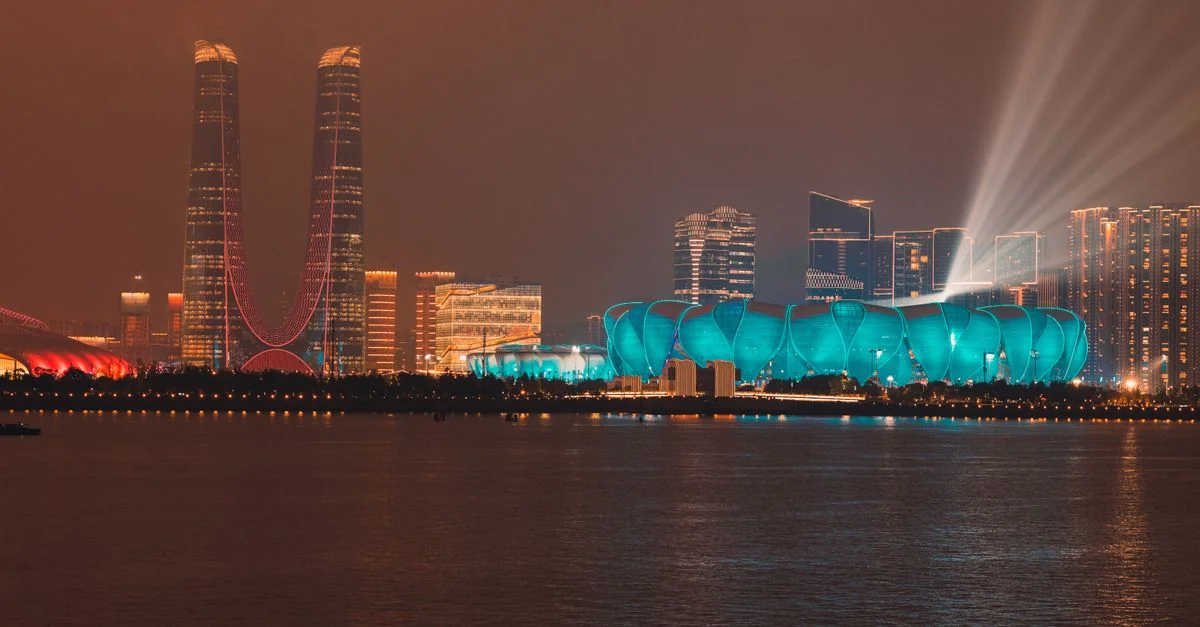
Spring, specifically mid-March through April, offers the most pleasant combination of weather and atmosphere. Daytime temperatures hover in the mid-60s to low 70s Fahrenheit, and the tea plantations are at their greenest. This is peak season, so expect larger crowds at West Lake and higher accommodation pricing, though the tradeoff is worth it for the blooming landscape.
Summer from June through August brings heat and humidity that can push temperatures above 90 degrees Fahrenheit. Rain is frequent, particularly in June and July when the plum rain season peaks. Accommodation prices drop noticeably, and the city’s indoor attractions — museums, tea houses, temple halls — provide welcome relief during midday heat.
Autumn, spanning September through November, is the other strongly recommended window. September still carries summer warmth before October cools into crisp, clear days in the mid-60s to 70s. The autumn foliage around West Lake and the tea hills draws photographers and hikers in numbers that rival spring. Crowds thin compared to spring, and pricing settles into comfortable mid-range territory.
Winter, December through February, is cold and often damp, with temperatures rarely climbing above 50 degrees Fahrenheit. Fewer tourists mean lower prices and a quieter experience at major sites, though outdoor exploration can feel brisk. If you do not mind bundling up, winter offers an underrated perspective on the city.
Where to Stay in Hangzhou#
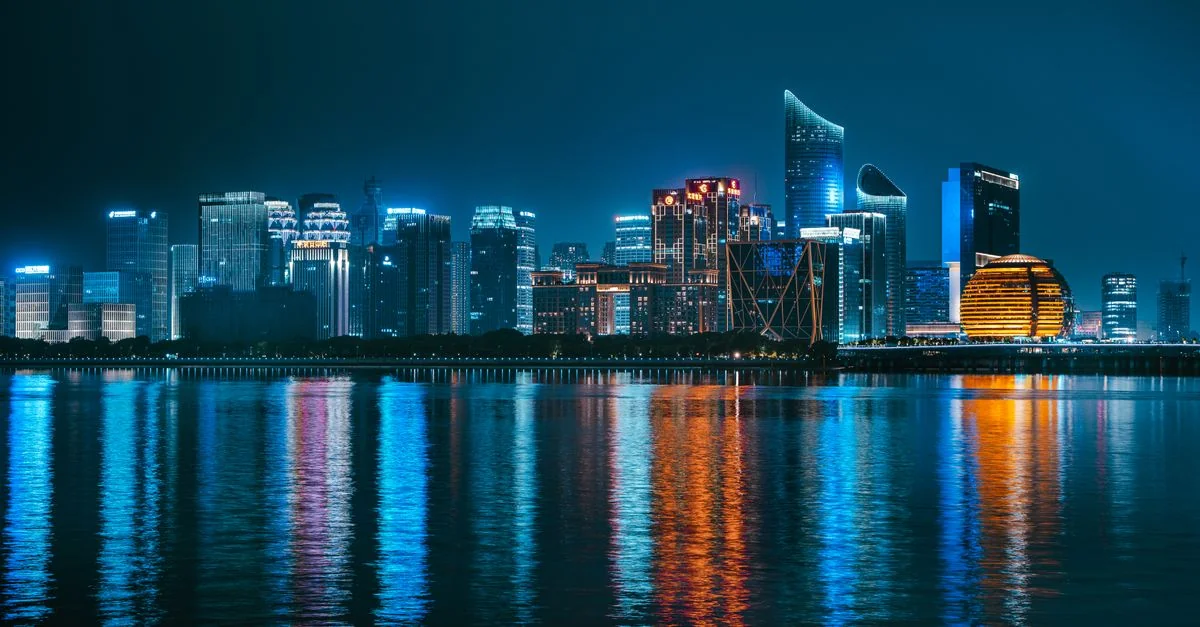
Near West Lake is the most popular area for visitors, and for good reason. Staying within walking distance of the lake puts you at the center of the action, with major attractions, restaurants, and public transit all reachable on foot. Budget travelers can find clean, simple guesthouses along the quieter southern and eastern shores, while mid-range travelers will appreciate the abundance of well-located hotels with lake-view rooms. Luxury options cluster along the northern and western edges of the lake, where properties set among bamboo groves and traditional gardens offer a resort-like atmosphere.
Wulin Square sits in the heart of the commercial district and works well for budget-conscious travelers who want easy access to shopping, local restaurants, and metro lines. The area feels more urban and less tourist-oriented, which gives it an authentic daily-life energy. Accommodation here tends to run at the budget to mid-range end, and you will find more options at lower price points than near the lake.
Xixi Wetland area appeals to travelers who prefer a quieter, more nature-oriented base. Several mid-range lodges and boutique properties sit along the waterways bordering the wetland park, offering a peaceful retreat from the city center. The tradeoff is slightly less convenience for reaching West Lake, though taxi and bus connections remain solid.
Near Hangzhou East Station is a practical choice for travelers arriving by high-speed rail or those using Hangzhou as a base for day trips to Shanghai or Suzhou. Budget hotels dominate this zone, and the area connects directly to the metro system, making the rest of the city easily reachable. It lacks the scenic charm of other neighborhoods but excels in function and value.
Top Things to Do in Hangzhou#
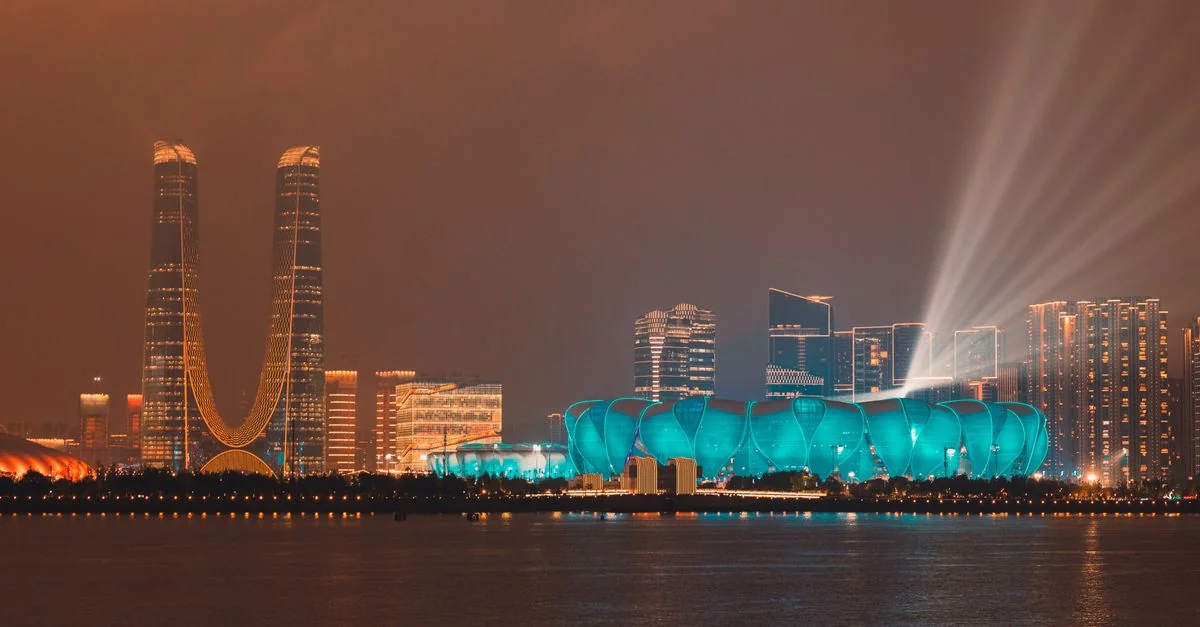
No visit to Hangzhou is complete without spending serious time at West Lake, which stretches across the city’s western edge like a scene from a landscape painting. Walking the full loop takes roughly two to three hours at a leisurely pace, passing through willow groves, pagodas, and small parks that spill down to the water. Boat tours offer a different vantage point and are especially enjoyable in the early morning when mist often lingers above the surface.
Tucked into the hills northwest of the lake, Lingyin Temple is one of China’s oldest and most important Buddhist sites. The temple complex dates back nearly 1,700 years and includes massive stone carvings, gilded statues, and tranquil courtyard gardens. Arriving in the early morning before tour groups arrive allows you to experience the site’s solemn quiet.
For tea lovers, a morning spent at the Longjing Tea Plantations in the hills west of the city is essential. The terraced fields of tea bushes climb the slopes in neat rows, and many farms welcome visitors to watch the harvest, learn about processing, and taste freshly brewed longjing tea directly from the source. Spring visits coincide with the actual picking season and offer the most hands-on experience.
Hefang Street runs through one of Hangzhou’s oldest commercial quarters and preserves the atmosphere of a traditional Chinese marketplace. Stone-paved lanes are lined with shops selling silk, tea, ceramics, and local snacks, while traditional architecture frames the thoroughfare. It is a lively place to browse and snack, though it draws heavy crowds in the afternoon and evening.
Rising above the southern shore of West Lake, Leifeng Pagoda commands one of the most photographed vantage points in the city. The current structure is a modern reconstruction, but its five-story interior houses exhibits detailing the pagoda’s history and the legend of the White Snake. Sunset from the pagoda terrace, looking across the lake toward the hills, is a highlight of any visit.
About 40 minutes by bus from downtown Hangzhou, Wuzhen Water Town feels like stepping into a different century. Canals divide narrow streets lined with whitewashed houses, covered bridges arch over dark water, and tea houses perch at the canal’s edge. The town is divided into several sections, each with its own character, and an overnight stay reveals a much quieter side than the daytime tourist flow suggests.
Within the city limits but far less visited than West Lake, Xixi National Wetland Park covers a vast area of waterways, marshes, and forested islands. Walking trails and boat routes wind through the landscape, and the park supports a surprising amount of birdlife. It is an ideal place for a half-day escape that feels miles away from urban Hangzhou.
Running through the city’s northern reaches, the Grand Canal offers a perspective on Hangzhou that connects it to the broader network of waterways linking Beijing to the south. Walking or cycling along the canal paths passes through residential neighborhoods and industrial areas that feel authentic and unpolished. Several sections have been developed with walking and cycling trails that are pleasant for a relaxed afternoon.
South of West Lake, Meijiawu Tea Village provides a more intimate and less commercial tea experience than the larger plantations. Small family-run farms offer tastings and informal tours, and the village itself has a sleepy charm with tea-themed shops and outdoor seating areas overlooking the hills. It is a good spot to spend a slow afternoon.
Standing at the confluence of the Qiantang River and the Grand Canal, Liuhe Pagoda is a towering sixteenth-century structure that most tourists overlook. The pagoda offers sweeping views of the river and the city beyond, and its interior features detailed carvings and Buddhist iconography. The surrounding area is quiet and residential, giving the visit a grounded, uncommercial feeling.
Food and Dining Guide#
Hangzhou’s food scene reflects its position as a city that values subtlety and balance over intensity. The local cuisine, part of the broader Zhejiang culinary tradition, leans toward fresh ingredients, light sauces, and flavors that reveal themselves slowly rather than hitting you all at once. Walking through any neighborhood market, you will notice the emphasis on seasonal produce, river fish, and tender leafy greens.
The most iconic dish to seek out is Dongpo Pork, a braised pork belly named after the poet Su Dongpo, who supposedly developed the recipe. The meat cooks for hours until it becomes almost gelatinous, falling apart at the touch of a chopstick, and the sauce carries a deep, savory sweetness. Restaurants near West Lake and in the older parts of town serve the most authentic versions.
West Lake Vinegar Fish is the other dish that defines Hangzhou cooking. Whole fish, typically grass carp, is steamed or poached and then dressed with a tangy black vinegar sauce, ginger, and scallions. The preparation is deceptively simple, and the quality of the fish and the balance of the sauce separate the competent versions from the outstanding ones.
Tea is not merely a beverage here but a core ingredient, and Longjing Shrimp demonstrates this perfectly. Fresh river shrimp are quickly stir-fried with Longjing tea leaves, producing a dish that tastes clean, nutty, and delicate. It is available at many restaurants but is best enjoyed at establishments near the tea-producing hills where the leaves are at their freshest.
For a full experience, try Beggar’s Chicken, a whole chicken wrapped in lotus leaves and clay, then baked until the shell cracks open at the table. The process of breaking through the layers to reach the tender, aromatic bird inside makes it a memorable dish beyond just the flavor. Many mid-range and upscale restaurants offer it, and it is ideal for sharing.
Street food thrives along Hefang Street and in the smaller lanes surrounding West Lake’s eastern shore. Savory pancakes, rice noodles, and steamed dumplings can be found from small carts and stalls for minimal cost. For sit-down meals, the side streets off Hefang Street and the neighborhoods surrounding the West Lake north shore hold numerous local restaurants that cater more to residents than to tourists, which usually signals better food at fairer prices.
Getting Around Hangzhou#
Hangzhou’s metro system has expanded significantly in recent years and now covers most major areas of interest, including West Lake, the train stations, and the central commercial districts. Trains run frequently from approximately 6:00 AM to 11:00 PM, and fares are low. Buying a transit card or using a mobile payment app makes tapping in seamless and avoids the need to queue for single tickets.
Buses fill in the gaps the metro does not cover, reaching neighborhoods, tea villages, and attractions on the city’s outskirts. They are affordable and generally easy to navigate with the help of a translation app, though rush-hour buses can feel crowded. Routes near West Lake are well-signed in both Chinese and English during the tourist season.
Taxis are abundant and reasonably priced by American standards. Official taxis are metered and reliable, and ride-hailing apps have largely replaced hailing on the street. Having your destination written in Chinese or shown on your phone’s map app is practically essential, as most drivers do not speak English.
Walking is genuinely the best way to explore the areas immediately around West Lake and the older neighborhoods. The paths are well-maintained, signage is frequent, and the pace of the city in these zones rewards slow movement. A full day on foot around the lake and its surrounding hills can easily cover a dozen distinct sites without ever needing a vehicle.
Renting a car is generally not recommended within the city itself, as traffic congestion is common and parking near major attractions is limited and expensive. However, renting a car becomes practical for day trips to Wuzhen Water Town, the tea villages deeper in the hills, or other nearby destinations where public transit runs less frequently.
Budget Breakdown#
Budget travelers in Hangzhou can manage on a daily spending range that covers a basic hotel room or hostel bed, meals at local eateries and street stalls, metro and bus fares, and admission to major public sites. Food costs remain low when eating where locals eat, and many of the city’s most beautiful spots — West Lake, the canal paths, the wetland park — cost nothing to enter.
Mid-range travelers will find comfortable hotel rooms in central locations, a mix of restaurant meals and street food, the occasional taxi or ride-hail, and tickets to major attractions like Lingyin Temple and Leifeng Pagoda. This tier offers a significant step up in comfort and convenience while still keeping daily spending well below typical American city costs.
Luxury travelers can expect to pay for boutique hotels or international-brand properties near West Lake, fine dining experiences, private guided tours, and boat cruises. Tea tastings at high-end houses and overnight stays in Wuzhen Water Town add to the total, but the overall cost remains competitive compared to luxury travel in many other major Asian destinations.
Travel Tips for Hangzhou#
Learn a few Mandarin phrases before your trip. While younger Hangzhou residents increasingly study English, the majority of service workers, taxi drivers, and market vendors communicate primarily in Chinese. Knowing how to say “hello,” “thank you,” “how much,” and “where is” goes a long way toward smoothing interactions and earning goodwill.
Download local apps before arriving. Ride-hailing, mobile payments, and translation tools function far more reliably when pre-installed and linked to a working payment method. International credit cards are accepted at some hotels and upscale restaurants but are not universally supported, so having a backup plan for payments is essential.
Carry cash for markets and smaller vendors. Despite China’s rapid shift toward digital payments, some stalls at Hefang Street, the wetland park kiosks, and rural tea farms still operate on a cash-only basis. Keeping small bills on hand prevents awkward moments at the point of purchase.
Visit major temples and pagodas early in the morning. Sites like Lingyin Temple and Leifeng Pagoda draw large tour groups by midday. Arriving within the first hour after opening lets you experience these places with fewer crowds, softer light, and a more contemplative atmosphere.
Bring comfortable walking shoes. Hangzhou’s most rewarding experiences — circling West Lake, exploring the wetland park, wandering Wuzhen’s canals — are all done on foot over uneven surfaces, stone paths, and wooden bridges. Blisters or foot fatigue can cut a day short quickly if your footwear is not up to the task.
Be aware of national holiday crowds. China’s major holidays, particularly the Spring Festival in January or February and the Golden Week in October, bring enormous influxes of domestic tourists to Hangzhou. Hotels fill quickly and prices spike dramatically during these periods. If your schedule allows, traveling just before or after these windows gives you a far more relaxed experience.
Take advantage of tea culture beyond the tourist areas. While many tea houses near West Lake cater to visitors with English menus and tourist-friendly service, smaller establishments in the tea villages and older neighborhoods offer more genuine interactions. Asking your hotel concierge for a recommendation to a local tea house often leads to memorable afternoons spent learning about different varieties and brewing techniques from experienced tea masters.
📌 Disclaimer
Prices, schedules, tour details, flight routes, visa requirements, and all other information on this page are based on data at the time of writing. Fares, availability, and policies may change. Please verify current details on the official website before booking.
📌 More about Hangzhou