📌 Disclaimer
Prices, schedules, tour details, flight routes, visa requirements, and all other information on this page are based on data at the time of writing. Fares, availability, and policies may change. Please verify current details on the official website before booking.
Why Visit Guernsey?#
The salty tang of Atlantic brine mixes with the rich scent of churned butter the moment you step off the ferry onto the granite docks of St. Peter Port. Located closer to the coast of Normandy than to mainland Britain, Guernsey operates under its own laws, prints its own currency, and retains a distinct personality shaped by centuries of seafaring and isolation. For American travelers looking to step outside the standard European capital circuit, this island offers a slower, more deliberate pace where medieval castle walls share space with dramatic cliff paths and quiet country lanes known locally as ruettes tranquilles.
What makes the island truly compelling is how effortlessly it balances deep historical gravity with contemporary coastal leisure. You can spend the morning tracing the footsteps of Victor Hugo through the rooms where he wrote Les Misérables, and the afternoon swimming in sheltered tidal pools carved out of dark volcanic rock. Because mass tourism has largely bypassed the Channel Islands, the beaches remain uncrowded and the local interactions feel genuinely unscripted. It is a place that rewards curiosity, whether you are stopping at an unattended roadside honesty box to buy a punnet of freshly picked strawberries or deciphering the Norman-French street names painted on enamel signs.
Best Time to Visit Guernsey#
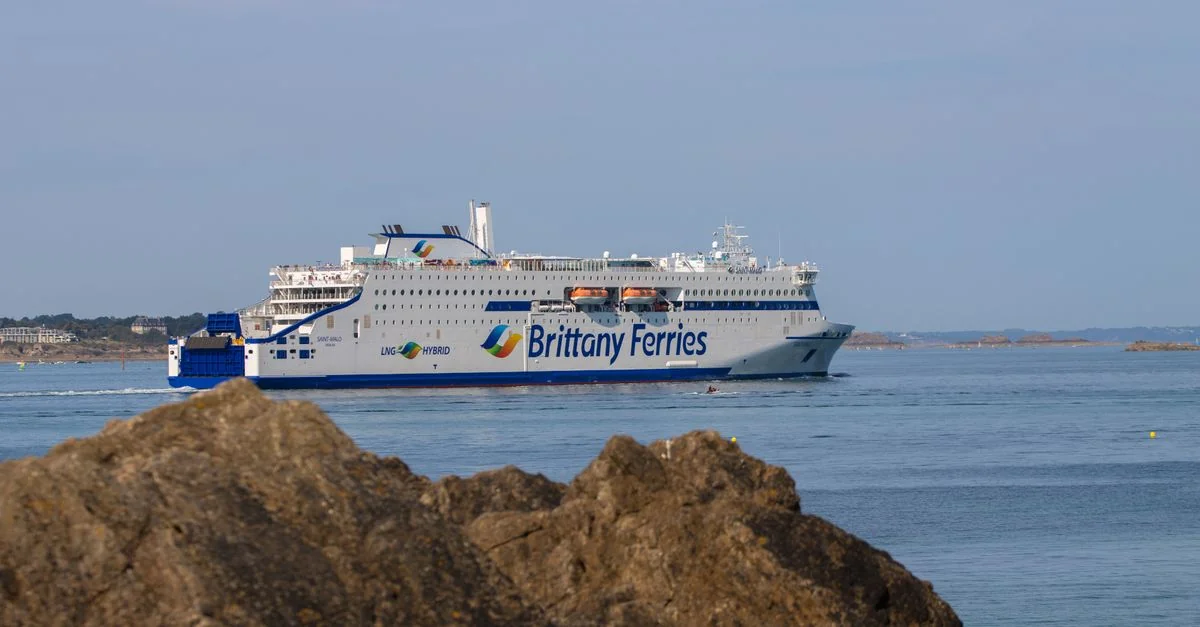
Planning a trip across the Atlantic requires careful attention to the island’s maritime weather patterns, which can shift from brilliant sunshine to misty sea frets in a matter of hours. The shoulder months of May and June offer some of the most reliable weather, featuring long daylight hours, blooming gorse along the cliffs, and manageable crowds at major historic sites. Temperatures during this spring window are comfortable for walking without the heavy humidity common in American summers, and accommodation rates remain well below peak season highs.
July and August bring the warmest sea temperatures and the fullest calendar of outdoor events, making these months the prime choice for travelers prioritizing swimming and coastal sailing. However, this peak period attracts families from the UK and mainland Europe , driving up demand for lodging and pushing car rental prices to their annual maximums. If you prefer quieter trails and lower pricing, September and early October extend the autumn warmth. While ferry schedules become more weather-dependent as late autumn approaches, September often treats visitors to stable atmospheric conditions, empty beaches, and hedgerows heavy with blackberries.
Where to Stay in Guernsey#
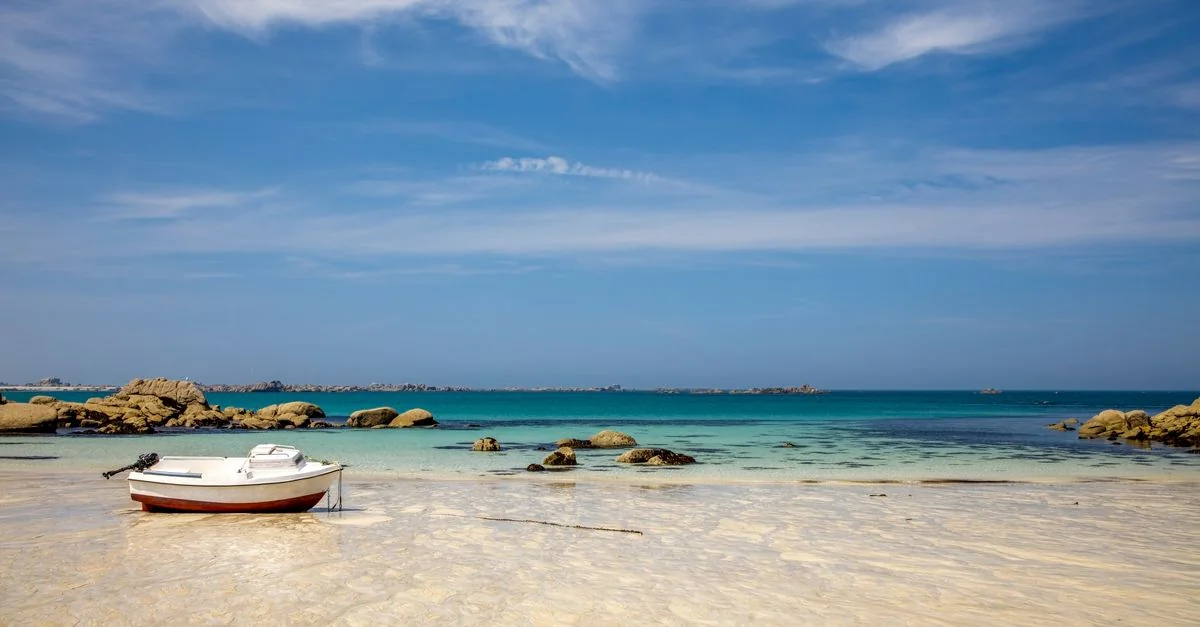
Choosing a base depends entirely on whether you prefer the convenience of urban amenities or the absolute quiet of the rural parishes. For travelers who want to step outside their door and immediately find historic architecture, ferry connections, and a dense concentration of restaurants, St. Peter Port serves as the primary hub. Accommodation here ranges from converted Georgian townhouses operating as upscale guesthouses to mid-range boutique properties overlooking the marina. Staying in the capital means you can easily navigate the steep, cobbled steps without a car, though the hilly terrain requires sturdy walking shoes.
If your ideal vacation involves waking up to the sound of gulls and walking straight onto golden sand within minutes, the northern and western parishes offer a completely different atmosphere. Grand Havre and L’Ancresse feature seaside properties that lean heavily toward mid-range self-catering apartments and family-run inns. This region feels decidedly residential and slower-paced, appealing to travelers who want wide horizons and cycling access to flat coastal paths.
For total seclusion and dramatic coastal views, the southern cliffs surrounding Torteval and Forest provide a rural retreat. Lodging options in these southern parishes are typically limited to high-end country house hotels and historic farmsteads converted into luxury bed-and-breakfasts. While you will need reliable transportation to reach restaurants and shops from this part of the island, the reward is waking up right next to panoramic overlooks where the English Channel stretches out endlessly toward the horizon.
Top Things to Do in Guernsey#
History and nature intertwine seamlessly across the island, starting with Castle Cornet, the stone fortress that has guarded the entrance of St. Peter Port for over eight centuries. Walking across the breakwater to explore its multi-tiered ramparts reveals centuries of military engineering, while the five small museums housed within its walls detail the exploits of the island’s loyal militia. Just a short walk uphill from the harbor sits Hauteville House, the austere exile home of Victor Hugo. A guided tour through these eccentric, tapestried rooms provides rare insight into the creative mind of the French author, who spent fifteen years on the island crafting his most famous literary works.
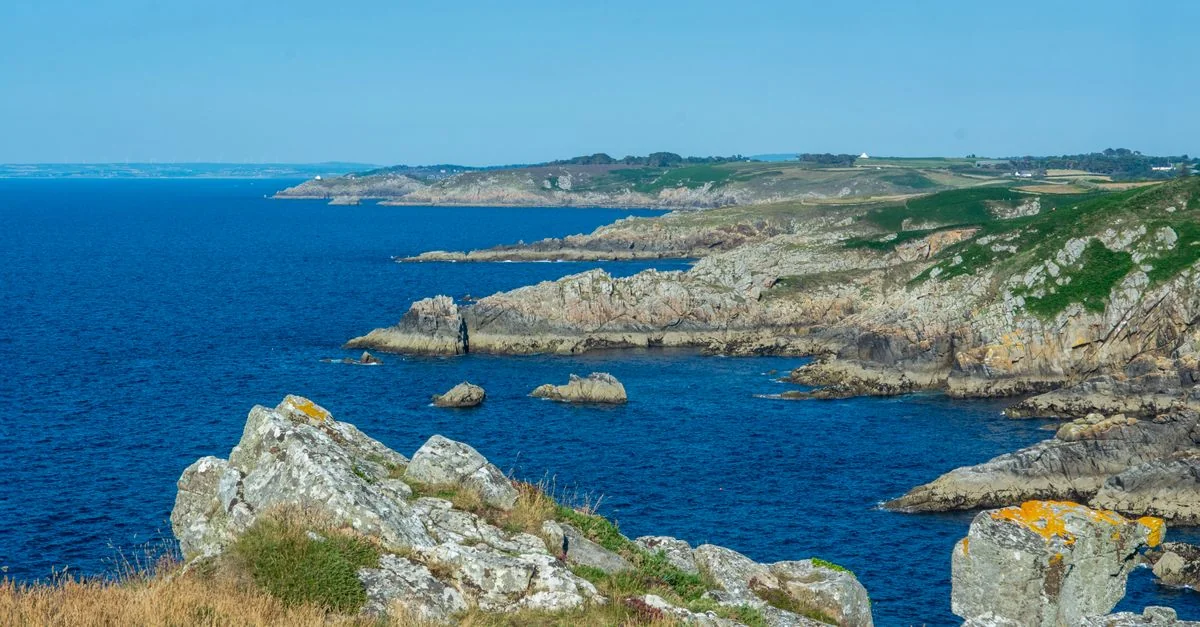
For outdoor enthusiasts, the island’s southern coastline delivers some of the most dramatic walking terrain in the British Isles. The Guernsey Cliff Path winds along precipitous drop-offs, past secluded coves and steep valleys choked with ferns and wild garlic. Walking sections of this trail leads you to Petit Bot Bay, a tiny, sheltered cove where a historic watermill sits at the back of the beach and steep granite walls block the prevailing winds. Further west, Lihou Island offers a unique tidal adventure where you can cross a cobblestone causeway that completely submerges twice a day, revealing a ruined 12th-century priory and an untouched sanctuary for sea birds.
To understand the island’s 20th-century history, a visit to the German Underground Hospital in the parish of Andrew offers a sobering look at the World War II occupation. Carved deep into the solid rock by forced laborers, this massive network of tunnels evokes a stark, oppressive atmosphere that contrasts sharply with the sunny meadows above. Lighter spirits prevail at Saumarez Park, a sprawling public estate where you can admire exotic plants in the walled gardens, inspect a reconstructed Japanese garden, and visit the folk museum housed within an 18th-century parish house.
Food and Dining Guide#
The island’s gastronomy relies heavily on the surrounding cold Atlantic waters and rich local pastures, resulting in menus that emphasize exceptional dairy and seafood. You cannot visit without sampling Guernsey Butter, known worldwide for its intense yellow hue and rich flavor, produced by the island’s distinct breed of golden cows. Spread thick upon warm artisanal bread, it forms the foundation of many local meals. For a solid taste of the sea, order Guernsey Ormers, a rare type of marine mollusk harvested only during strictly regulated low tides. When cooked properly in a rich casserole with bacon and onions, these prized sea snails offer a tender texture and a deeply savory flavor profile.
Traditional pub fare often features Channel Islands Crab, frequently served simply with mayonnaise, lemon, and crusty bread to let the fresh sweetness of the meat take center stage. For a comforting savory pie, look for Bean Jar, a traditional slow-cooked casserole made from haricot beans, salt pork, and beef knuckles, historically left in the baker’s oven overnight on Saturdays to be eaten after Sunday church services.
Dining options span casual harbor-front kiosks to formal dining rooms. Casual spots along the piers serve excellent fish and chips wrapped in paper, best eaten on a bench while watching the ferry traffic. Meanwhile, upscale establishments situated in country manors elevate local ingredients like fresh turbot, Jersey royal potatoes, and locally grown vegetables into sophisticated tasting menus.
Getting Around Guernsey#
Navigating the island does not require a complex transit strategy, but understanding your options before arrival saves time and frustration. The local bus network, known locally as Buses.gg, covers almost the entire island with routes radiating out from the central terminus in St. Peter Port. Fares are inexpensive, and day passes offer an economical way to reach remote coastal trailheads, though schedules thin out on Sundays and bank holidays.
Renting a car provides the ultimate flexibility, allowing you to reach hidden bays and rural farm shops that buses do not service. However, American drivers must remember to drive on the left side of the road and navigate narrow country lanes flanked by high granite walls and dense hedgerows. Many rural roads carry a strict twenty-five miles per hour speed limit, and local etiquette dictates that drivers pull into designated passing places to let oncoming traffic clear.
Taxis are readily available outside the ferry terminal and airport, though pre-booking is recommended if you are dining in a remote parish in the evening. For active travelers, renting a bicycle is a popular alternative, provided you possess strong leg muscles and confidence on steep hills. Walking remains the best way to explore St. Peter Port and individual coastal stretches, as the town center is largely pedestrianized and compact enough to traverse entirely on foot.
Budget Breakdown#
A trip to the Channel Islands can be tailored to various spending levels, though it generally trends slightly higher than mainland UK destinations due to the logistics of importing goods to an island. Accommodation forms the largest variable in any budget calculation, followed by dining and transportation.
For budget travelers, keeping costs down involves utilizing campsites or simple guesthouse rooms outside the capital, relying entirely on the public bus network, and purchasing picnic supplies from local supermarkets and honesty boxes. Eating out is limited to casual bakery items and fish and chips from harbor-front takeaways.
Mid-range travelers typically stay in comfortable boutique inns or 3-star hotels in St. Peter Port, rent a car for a few days to explore remote parishes, and mix casual pub lunches with a couple of sit-down dinners featuring local seafood. This tier also easily accommodates admission fees to museums, historic properties, and guided boat tours to neighboring islands like Sark or Herm.
Luxury travelers can secure high-end country house estates with private spa facilities, hire private drivers or exclusive car services for island tours, and dine exclusively at top-tier hotel restaurants and award-winning seafood establishments. Private boat charters and helicopter transfers from mainland hubs round out the top-tier experience.
Travel Tips for Guernsey#
Currency matters when paying for goods and services across the island. While British pounds are accepted everywhere, local banknotes and coins are issued by the island government. Make sure to spend or exchange any local paper currency before leaving, as banks in the United States or mainland UK may refuse to accept them upon your return.
Plug adapters are necessary for American electronics, as the island uses the standard British three-pin rectangular plug system operating on a higher voltage than US outlets. Pack a universal adapter before leaving home to avoid inflated prices at airport shops.
Tipping culture is more modest than in the United States. Service charges are occasionally added to restaurant bills in larger establishments, but tipping around ten percent for exceptional table service is appreciated rather than mandatory, and tipping taxi drivers or pub staff is uncommon.
Tidal awareness is critical if you plan to explore remote beaches, tidal flats, or the causeway to Lihou Island. Pick up a local tide timetable from the tourist information center upon arrival, as incoming tides can trap unwary walkers against steep cliffs within minutes.
Packing layers is essential regardless of the season. Oceanic winds can make a sunny afternoon feel chilly very quickly, so waterproof jackets, windbreakers, and sturdy walking shoes belong in your luggage even if you are visiting during the peak of summer.
📌 Disclaimer
Prices, schedules, tour details, flight routes, visa requirements, and all other information on this page are based on data at the time of writing. Fares, availability, and policies may change. Please verify current details on the official website before booking.