📌 Disclaimer
Prices, schedules, tour details, flight routes, visa requirements, and all other information on this page are based on data at the time of writing. Fares, availability, and policies may change. Please verify current details on the official website before booking.
Why Visit Graz?#
📌 More about Graz
As you stroll through the streets of Graz, the air is filled with the scent of fresh pastries and coffee, mingling with the earthy aroma of the nearby Mur River. This city, Austria ’s second-largest, is a harmonious blend of medieval charm and contemporary flair. Graz boasts a well-preserved historic center, a UNESCO World Heritage site, where Renaissance and Baroque architecture stands proudly alongside modern design. The city’s lively arts scene, showcased in its numerous galleries and theaters, invites visitors to explore both traditional and cutting-edge expressions of creativity.
Graz is not just a beautiful sight; it also offers a unique atmosphere that encourages relaxation and exploration. The local lifestyle is laid-back, yet there is an undeniable energy that permeates the streets, especially during its various festivals and events. With a focus on sustainability and innovation, Graz has earned recognition as a UNESCO City of Design, making it a compelling destination for travelers seeking a mix of history, culture, and modernity.
Best Time to Visit Graz#
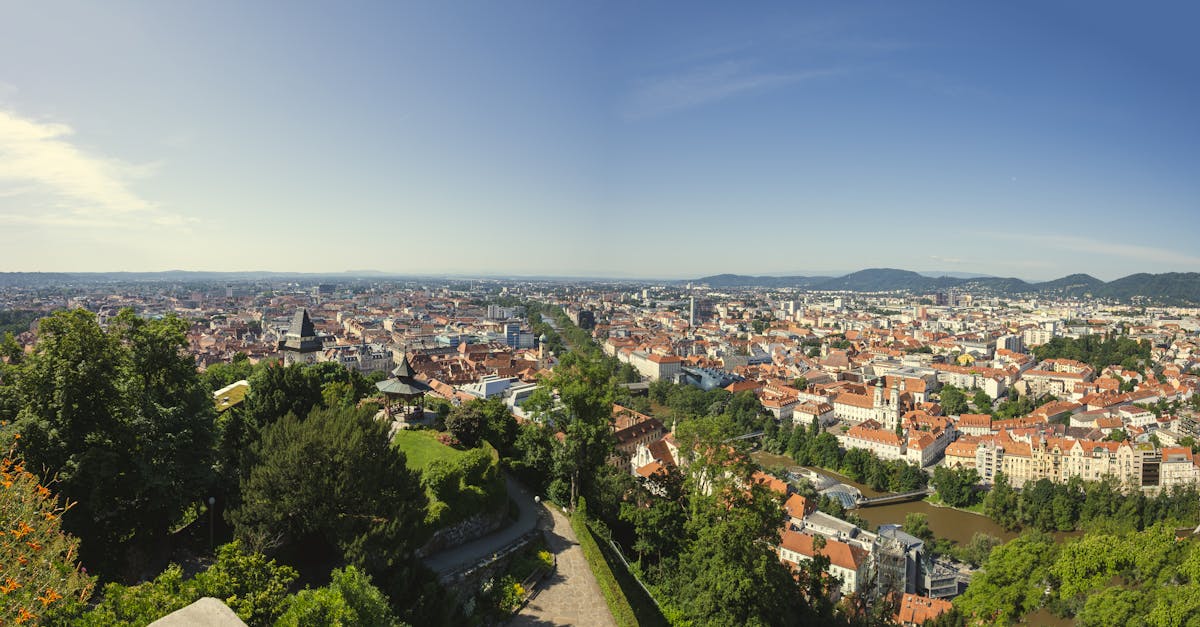
The ideal time to visit Graz largely hinges on your preferences for weather and crowd levels. Spring, particularly April to June, is delightful, as temperatures gradually warm up, ranging from the mid-50s to the mid-70s Fahrenheit. This season also brings blooming flowers and outdoor events, making it a popular time for tourists. However, it’s advisable to book accommodations early, as this period tends to attract larger crowds.
Summer, from June to August, offers warm weather, often reaching the high 70s to low 80s, perfect for enjoying the city’s outdoor cafes and parks. While this is peak tourist season, it also means lively street life and numerous festivals. Prices for accommodations can be higher during these months, so early planning is wise.
Autumn, especially September to October, showcases the beautiful fall foliage and a mild climate, making it an excellent time for sightseeing. Temperatures start to drop, averaging the mid-50s to low 70s, and the crowds thin out after summer, allowing for a more relaxed experience. Winter, from November to March, sees temperatures dipping into the 30s and 40s, but the city’s festive Christmas markets create a cozy atmosphere that many find enchanting, despite the cold.
Where to Stay in Graz#
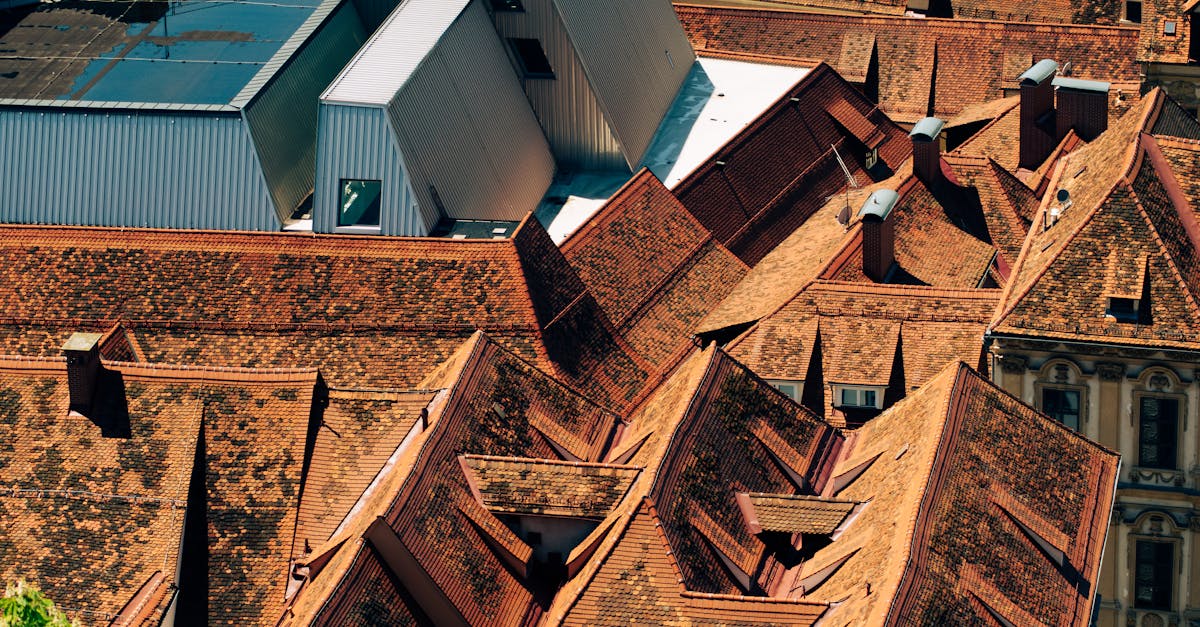
Finding the right neighborhood in Graz can enhance your travel experience significantly. For budget travelers, the area near the main train station offers several affordable options. This district is convenient for accessing public transport and provides easy walking access to many attractions.
If you’re looking for a mid-range experience, consider the area surrounding the historic center. Staying here places you within walking distance of beautiful architecture, shops, and restaurants. The ambiance is lively, filled with both locals and tourists enjoying the charming streets.
For those seeking luxury, the neighborhoods closer to the Schlossberg, Graz’s iconic hill, offer upscale accommodations with stunning views. This area is not only picturesque but also provides a peaceful retreat while still being close to the city’s main attractions.
Top Things to Do in Graz#
Graz is a city that invites exploration, starting with the Schlossberg, a hill that rises dramatically above the city. A funicular ride or a leisurely walk takes you to the top, where panoramic views reveal the city’s blend of old and new. The clock tower, a symbol of Graz, stands proudly at the summit, offering fantastic photo opportunities.
Wander down to the Hauptplatz, the main square, where the impressive Landhaus can be found. This Renaissance building is adorned with a stunning courtyard that reflects the city’s historical significance and architectural beauty. Nearby, the Graz Cathedral, with its striking Gothic design, beckons visitors to admire its intricacies and learn about its storied past.
Art enthusiasts should not miss the Kunsthaus Graz, an architectural marvel that houses contemporary art exhibitions. Its unique shape and illuminated façade make it a standout in the cityscape, and the rotating exhibitions ensure there’s always something new to discover. Just a short walk away, the Murinsel, a floating island in the Mur River, is an innovative structure that serves as both a café and an amphitheater, perfect for a leisurely afternoon.
For those interested in history, the Eggenberg Palace is worth visiting. This Baroque masterpiece features beautifully landscaped gardens and rich interiors, providing insight into the lives of the aristocracy in the past. The palace’s grounds are perfect for a peaceful stroll, especially in the spring and summer months.
Explore the Jakominiplatz, a central hub that offers a glimpse into local life. Here, you can find shops, cafes, and the busy atmosphere of the city. The Grazer Schloßberg also hosts events and concerts, adding to the dynamic nature of this area.
Don’t forget to take a leisurely walk along the Mur River, where the riverside paths are perfect for reflection and relaxation. The riverbanks are lined with cafes and bars, providing an ideal spot to enjoy a drink while watching the world go by.
Finally, for a truly unique experience, visit the Graz Opera House. This stunning venue is renowned for its performances, and even if you can’t catch a show, the architecture alone is worth the visit.
Food and Dining Guide#

Graz offers a delightful array of culinary experiences that reflect the region’s traditions and innovations. When it comes to local dishes, Sturm is a worth trying. This young wine, typically enjoyed in the fall, pairs wonderfully with a hearty meal. Another iconic dish is Käferbohnen—a type of bean salad that showcases local produce and flavors, often served at outdoor markets.
For a taste of local meat dishes, Backhendl, or fried chicken, is a popular choice among locals. Often enjoyed with a side of potato salad, it’s a satisfying meal that reflects the region’s comfort food heritage. Vegetarians will appreciate the Steirische Kürbiskernöl, or pumpkin seed oil, a staple in Styrian cuisine, drizzled over salads or used in various dishes for its nutty flavor.
Street food also has a strong presence in Graz. The Graz Farmers’ Market is an excellent spot to sample local produce and snacks, where you can enjoy fresh fruits, cheeses, and baked goods. For something sweet, don’t miss the chance to try Graz’s famous pastries, particularly the Topfenstrudel, a delicious cheese strudel that perfectly balances sweetness with a hint of tang.
Dining in Graz ranges from casual eateries to upscale restaurants, providing options for every palate and budget. Many establishments focus on seasonal ingredients, ensuring a fresh and authentic dining experience.
Getting Around Graz#
Navigating Graz is a breeze, thanks to its efficient public transportation system. The city boasts an extensive network of trams and buses that connect all major attractions and neighborhoods. Purchasing a day pass can be a cost-effective way to explore, especially if you plan to visit multiple sites.
For those who prefer a more leisurely pace, walking is highly recommended. The compact city center is pedestrian-friendly, making it easy to wander from one attraction to another while enjoying the scenery. Biking is also a popular option, with many rental stations available throughout the city.
If you need to travel outside the city or prefer greater flexibility, renting a car can be a suitable choice. However, parking in the city can be limited, so it’s wise to check for parking options in advance.
Budget Breakdown#
When planning your budget for Graz, it’s essential to consider accommodation, food, transport, and activities. For budget travelers, accommodations typically start around $30-50 per night, with hostels and guesthouses offering affordable options. Mid-range hotels generally range from $80-150 per night, providing comfortable amenities in central locations. Luxury travelers can expect to pay $200 and up for high-end accommodations with exceptional service.
Dining out can vary widely; budget options such as street food or casual cafes may cost around $10-20 per meal, while mid-range restaurants typically charge $20-40. For a more upscale dining experience, expect to pay $50 or more per person.
Public transport costs are quite reasonable, with single tickets priced around a few dollars, and daily passes providing unlimited travel for a modest fee. Activities often have entry fees ranging from $5-15 for museums and attractions, while guided tours may be higher.
Overall, a daily budget for budget travelers might be around $60-100, while mid-range travelers can expect to spend approximately $150-250, and luxury travelers may budget $300 or more per day.
Travel Tips for Graz#
Language is an important consideration when visiting Graz. While many locals speak English, especially in tourist areas, learning a few basic German phrases can enhance your experience and help you connect with residents.
Cash is king in Austria, particularly in smaller establishments. While credit cards are accepted in many places, having cash on hand is advisable for markets or smaller cafes. ATMs are widely available, making it easy to withdraw euros.
Cultural norms in Graz lean toward a more formal demeanor compared to some other European cities. When dining, it’s customary to greet staff and say thank you, which goes a long way in fostering goodwill.
Plan for weather fluctuations, especially in spring and autumn. Layering your clothing is wise, as temperatures can vary throughout the day. An umbrella or light rain jacket is also a good idea, as showers can pop up unexpectedly.
Take advantage of local events. Graz hosts numerous festivals throughout the year, which provide insight into local culture and traditions. Checking the city’s event calendar before your visit can help you catch something special during your stay.
Finally, allow time for spontaneity. Graz is a city that encourages exploration, so take the time to wander aimlessly and discover charming cafes, shops, and parks that may not be on the typical tourist path. Embracing the unexpected can lead to some of the most rewarding experiences during your travels.