📌 Disclaimer
Prices, schedules, tour details, flight routes, visa requirements, and all other information on this page are based on data at the time of writing. Fares, availability, and policies may change. Please verify current details on the official website before booking.
Complete Travel Guide to Grand Canyon National Park: Top Attractions, Tips & Itinerary#
Why Visit Grand Canyon National Park?#
The first thing that hits you at the rim is the sheer scale of the chasm, a canyon that seems to stretch forever, its walls painted in shades of rust, amber, and deep purple as the sun moves across the sky. The air is cool and thin, carrying the faint scent of pine and the distant echo of the Colorado River far below. It’s a place where the landscape itself tells a story of millions of years of geological drama, and every viewpoint feels like a front‑row seat to Earth’s own masterpiece.
Beyond the visual spectacle, the park offers a sense of quiet that’s hard to find elsewhere in the United States . Whether you’re standing on the South Rim watching a sunrise turn the canyon walls gold, or hiking a quiet trail on the North Rim and hearing only the whisper of wind through juniper, the experience feels both intimate and grand. For American travelers looking to step out of the everyday and into a setting that feels both ancient and alive, the Grand Canyon delivers a blend of natural wonder, outdoor adventure, and moments of simple reflection that are hard to match.
Best Time to Visit Grand Canyon National Park#
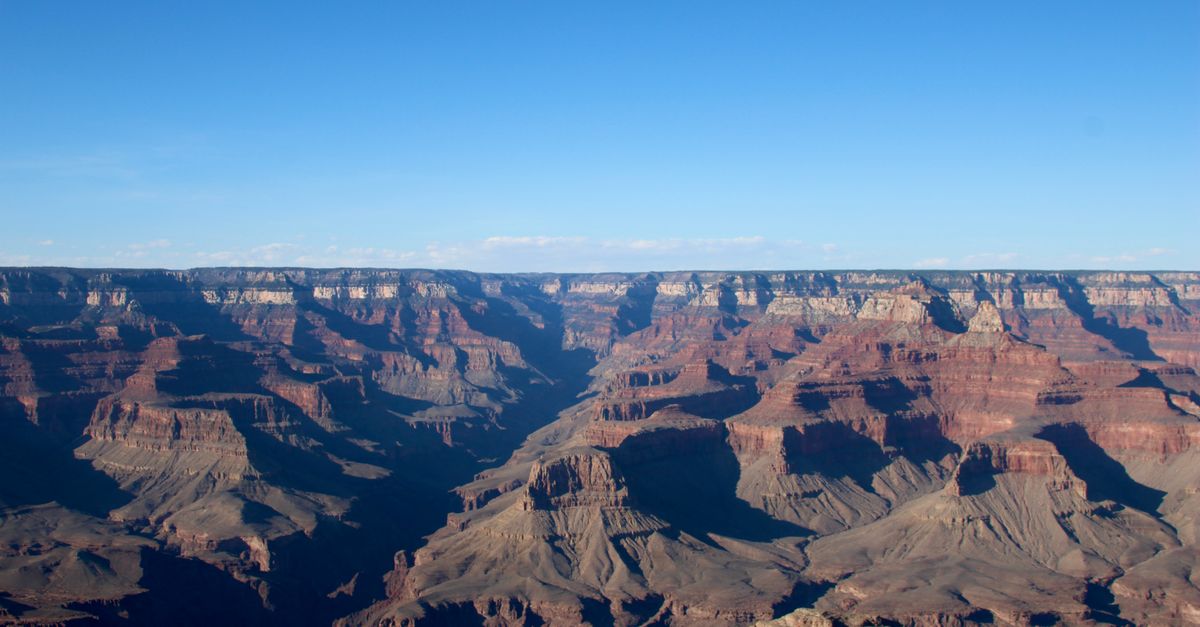
Winter months (December through February) bring crisp air and the occasional dusting of snow on the rim, creating a stark, almost otherworldly contrast against the canyon’s red rock. Fewer visitors mean you can enjoy popular viewpoints with a lot of personal space, and lodging rates tend to dip compared to the high‑season. Daytime temperatures hover in the 30s‑50s °F, so layered clothing is essential.
Spring (March to May) offers a sweet spot of moderate weather and blooming wildflowers along the rim trails. March can still feel chilly, especially early mornings, but by May daytime highs often reach the 70s °F, making longer hikes more comfortable. Crowds begin to increase in late April, especially around spring break, so booking early is wise if you plan to stay on the rim.
Summer (June to August) is the busiest period, with families and tour groups filling the rim’s visitor centers and shuttle system. Temperatures at the bottom of the canyon can soar above 100 °F, while the rim stays in the 80s °F. If you’re set on summer, consider arriving early in the day to beat the heat on popular trails, and be prepared for higher lodging prices and the need to reserve campsite spots well in advance.
Fall (September to November) mirrors spring’s pleasant conditions but with fewer crowds. September still feels warm, but by October the air turns crisp and the foliage begins to turn golden, adding a different palette to the landscape. November brings cooler evenings and the first chance of early snow, especially on the North Rim, which often closes after the first heavy snowfall.
Overall, the shoulder seasons—late spring and early fall—provide the best combination of comfortable weather, manageable crowds, and moderate pricing.
Where to Stay in Grand Canyon National Park#
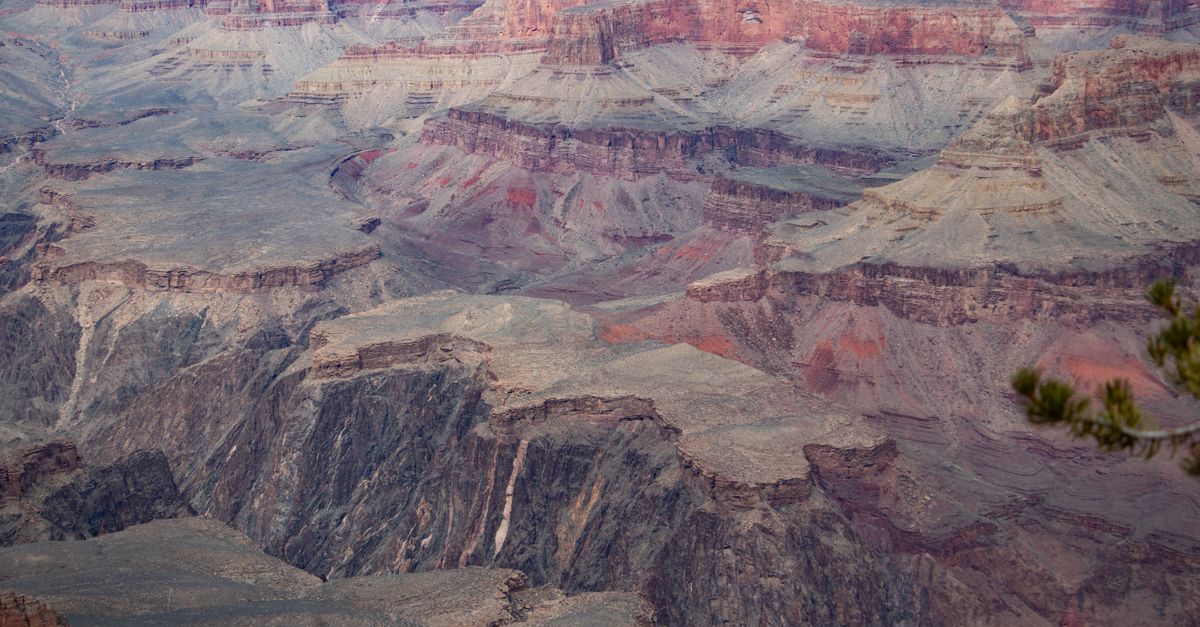
Staying within the park gives you immediate access to sunrise and sunset points, as well as the park’s free shuttle system. On the South Rim, the village area clusters several lodging options. Budget travelers can look for rustic cabins or modest lodges that typically start around $30‑$50 per night; these often share communal bathrooms and provide basic amenities. Mid‑range choices include comfortable rooms with private baths, a small kitchen, and easy shuttle access, generally falling in the $100‑$180 range. For those seeking a more upscale experience, the park offers historic lodges with stone fireplaces, expansive verandas, and fine‑dining restaurants, where rates usually begin near $250 per night.
The North Rim, less crowded and only open from mid‑May through mid‑October, features a handful of lodging options that lean toward the mid‑range and luxury categories. Cabins here blend into the forested landscape, offering a quieter, more secluded feel. Prices are comparable to the South Rim’s mid‑range options, though the limited inventory means reservations fill quickly.
If you prefer to stay outside the park boundaries, the nearby town of Tusayan provides a range of motels and vacation rentals that cater to all budgets. A short shuttle ride brings you back to the rim in under 15 minutes, and you’ll find a few chain restaurants and grocery stores for added convenience.
Top Things to Do in Grand Canyon National Park#
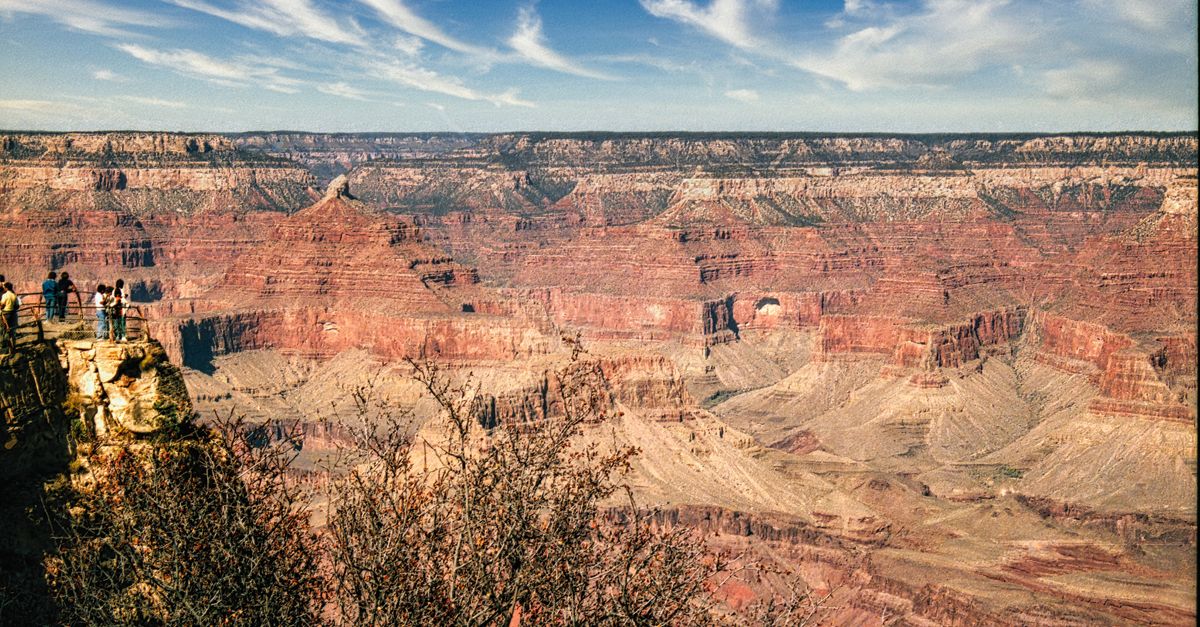
A sunrise at Mather Point is a classic way to start any visit. As the first light hits the canyon walls, the colors shift dramatically, and the early‑morning hush makes the experience feel almost private, even during peak season.
For a deeper look at the canyon’s geology, head to the Yavapai Geology Museum. Interactive displays and floor‑to‑ceiling windows let you trace the layers of rock that tell a story spanning over two billion years.
If you’re up for a hike, the Bright Angel Trail offers a well‑maintained path that descends into the canyon, with water stations and rest houses along the way. Even a short turn‑back at the 1.5‑mile marker provides a rewarding view of the river below.
A less‑traveled route is the North Kaibab Trail, which starts on the North Rim and winds through forested valleys before opening onto dramatic cliffs. The trail is quieter, giving you space to listen to the rustle of piñon trees and the distant rush of the river.
For those who prefer staying above the rim, the Grand Canyon Railway departs from nearby Williams and offers a nostalgic steam‑train ride that culminates in a scenic arrival at the South Rim. The journey includes historic narration and occasional wildlife sightings along the tracks.
A sunset at Yavapai Point showcases the canyon’s depth as the sun dips behind the rim, casting long shadows that accentuate the layers of rock. The viewpoint also houses a small observatory, perfect for a quick stargazing session once the sky darkens.
If you’re interested in cultural history, the Tusayan Ruins and Museum presents remnants of ancient Puebloan dwellings, offering insight into the people who once called this region home.
A short drive to Desert View Watchtower brings you to a historic stone tower perched on the eastern edge of the park. Climbing the spiral staircase rewards you with panoramic vistas that stretch for miles, and the surrounding desert landscape feels starkly beautiful.
For a water‑focused adventure, consider a guided Colorado River rafting trip. Multi‑day excursions range from gentle float trips to high‑adrenaline white‑water runs, each providing a unique perspective of the canyon’s walls from below.
Finally, the Hermit Road shuttle takes you to several overlook points, including Moran Point and Pima Point, each offering a distinct angle of the canyon’s vastness. The shuttle runs frequently during the high season, making it an easy way to hop between viewpoints without a car.
Food and Dining Guide#
While the Grand Canyon isn’t known as a culinary capital, the park’s dining options still let you sample regional flavors and hearty fare after a day of exploring. A must‑try dish is Arizona‑style trout, often served grilled with a citrus glaze at the rim’s main restaurant; the fish is fresh, flaky, and pairs well with a side of roasted corn.
If you’re in the mood for something quick, the canyon burrito—a generous flour tortilla stuffed with seasoned beef, beans, cheese, and pico de gallo—makes a satisfying lunch on the go. Look for it at the casual cafés near the visitor center.
For a sweet finish, the prickly‑pear ice cream offers a subtly tart flavor that reflects the desert’s native cactus fruit. It’s a refreshing treat on a warm afternoon and often appears as a seasonal specialty at the rim’s ice‑cream stand.
Dining on the North Rim leans toward rustic comfort. The smoked elk chili—slow‑cooked with locally sourced elk meat, beans, and smoky spices—provides a robust, warming meal after a chilly hike.
For those who prefer a more upscale setting, the rim‑side steakhouse serves a perfectly seared ribeye accompanied by a side of sage‑infused mashed potatoes and seasonal vegetables. The view of the canyon while you eat adds a memorable backdrop to the meal.
Street‑style snacks are also available at the park’s market stalls. Fresh‑baked cinnamon rolls and trail mix packs are perfect for a quick energy boost before hitting the trail.
Getting Around Grand Canyon National Park#
The park’s free shuttle system is the backbone of rim transportation. Buses run continuously from early morning until after sunset, stopping at major viewpoints, visitor centers, and trailheads. The Hermit Road and Kaibab Rim routes are especially useful for hopping between scenic overlooks without a car.
If you stay outside the park, a short drive on Highway 64 brings you to the South Rim entrance. Parking is plentiful at most major viewpoints, but spaces fill quickly during peak hours, so arriving early helps secure a spot.
For those who enjoy walking, the Rim Trail is paved and wheelchair‑accessible, stretching several miles with frequent benches and interpretive signs. It’s an excellent way to take in the scenery at a leisurely pace.
Rental cars are a good option if you plan to explore the less‑frequented backcountry roads, such as the drive to Desert View or the East Rim. Keep in mind that winter storms can close certain roads, so checking current conditions before heading out is essential.
Taxis and rideshare services operate in the nearby town of Tusayan, offering a convenient way to reach the park if you’re staying off‑site. However, availability can be limited during the high season, so it’s wise to schedule a ride in advance.
Budget Breakdown#
A budget traveler can expect to spend roughly $80‑$120 per day. This covers a modest cabin or campground fee, meals from the park’s casual eateries, and a few shuttle rides. The main expense will be the park entrance fee, which is $35 per vehicle for a seven‑day pass.
Mid‑range visitors typically allocate $150‑$250 daily. This budget includes a comfortable room with private amenities, a mix of sit‑down meals (perhaps a steak dinner and a local dessert), and occasional guided tours such as a short ranger‑led hike or a sunset photography session.
Luxury travelers often budget $350‑$500 per day or more. This level covers a historic lodge suite with premium views, fine‑dining experiences featuring locally sourced ingredients, private guided hikes, and perhaps a helicopter tour over the canyon. Transportation costs may also rise if you charter a private vehicle or arrange a private driver.
All budgets should factor in the park’s entrance fee and any optional activities like rafting or horseback rides, which can add a few hundred dollars to the total cost depending on the length and level of service.
Travel Tips for Grand Canyon National Park#
Plan Your Arrival Early – The most popular viewpoints fill up quickly, especially during sunrise and sunset. Getting to the rim before the crowds arrive gives you better parking options and a quieter experience at spots like Mather Point.
Stay Hydrated – Even on cooler days, the dry desert air can dehydrate you faster than you expect. Carry a reusable water bottle and refill it at the many water stations along the Rim Trail and shuttle stops.
Dress in Layers – Temperatures can swing dramatically between the rim and the canyon floor. A lightweight jacket, a moisture‑wicking shirt, and a hat for sun protection create a flexible wardrobe that adapts to changing conditions.
Use the Free Shuttle – Parking near the most iconic overlooks is limited, and the shuttle runs frequently. Relying on the bus system saves time, reduces stress, and lets you focus on the scenery rather than searching for a spot.
Check Trail Conditions – Weather can affect trail safety, especially on the inner canyon routes. Before heading down a trail like Bright Angel, review the latest updates at the visitor center or on the park’s website to ensure water sources are available and the path is open.
Consider a Guided Experience – A ranger‑led talk or a guided hike can deepen your understanding of the geology and history, turning a simple walk into an educational adventure.
Pack a Daypack – A small backpack with snacks, a map, sunscreen, and a basic first‑aid kit makes day trips more comfortable and prepares you for unexpected changes in weather or trail closures.
Respect Wildlife – Keep a safe distance from animals, never feed them, and store food securely. The park’s wildlife, from elk to rattlesnakes, is an integral part of the ecosystem and should be observed responsibly.
Reserve Campsites Early – If you plan to camp, the backcountry permits and campground reservations are limited and fill months in advance, especially for the popular North Rim sites.
Bring a Camera with a Zoom Lens – The canyon’s vastness offers endless photographic opportunities, from sweeping panoramas to close‑up details of rock formations. A zoom lens helps capture both the grand scale and the subtle textures of the canyon walls.
📌 Disclaimer
Prices, schedules, tour details, flight routes, visa requirements, and all other information on this page are based on data at the time of writing. Fares, availability, and policies may change. Please verify current details on the official website before booking.
📌 More about Grand Canyon National Park