📌 Disclaimer
Prices, schedules, tour details, flight routes, visa requirements, and all other information on this page are based on data at the time of writing. Fares, availability, and policies may change. Please verify current details on the official website before booking.
Why Visit Granada?#
The scent of freshly brewed coffee wafts through the air, mingling with the earthy aroma of nearby volcanic soil. Granada, Nicaragua, is a city that tantalizes the senses, offering a unique blend of colonial architecture, stunning lakeside views, and a lively atmosphere that captures the heart of every visitor. With its colorful buildings, charming streets, and friendly locals, Granada stands out as one of Central America’s most appealing destinations. The city’s history is real, with each cobblestone street telling stories of its colonial past while showcasing a modern-day energy that is hard to resist.
Granada is not just about picturesque views and historical significance; it is also a hub for outdoor activities and cultural experiences. Nestled between the majestic Mombacho Volcano and the shimmering Lake Nicaragua, the city serves as a gateway to a variety of adventures. Whether you’re drawn to exploring lush nature reserves, visiting local markets, or enjoying the local arts scene, Granada offers something for everyone. This dynamic environment makes it a perfect destination for travelers seeking both relaxation and exploration.
Best Time to Visit Granada#
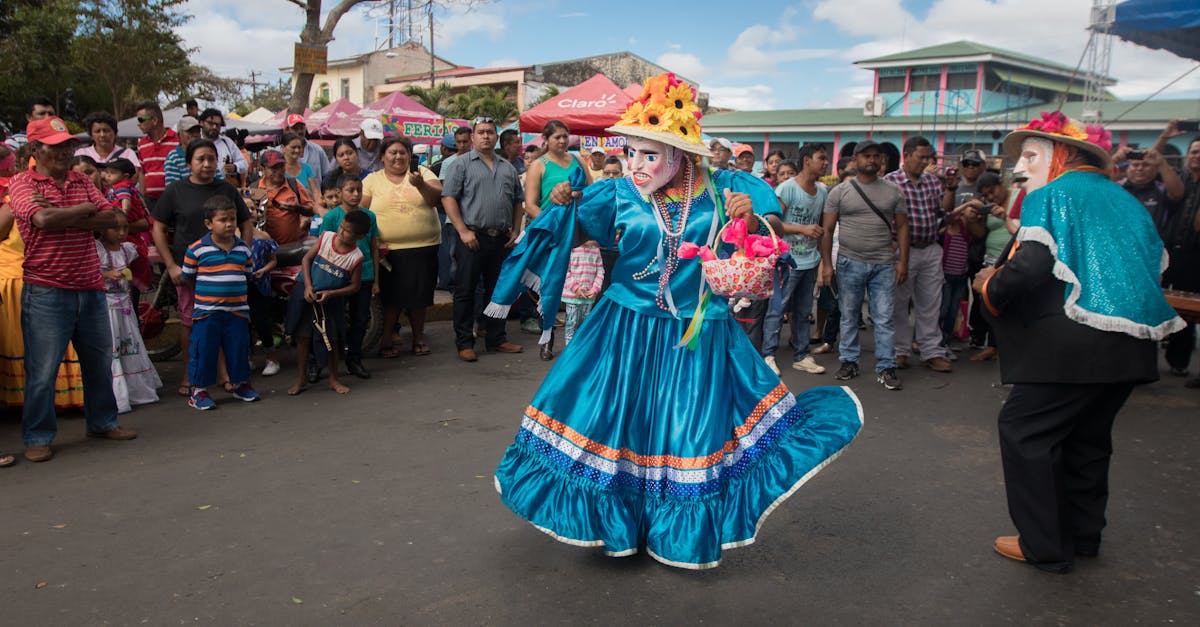
Granada experiences a tropical climate, characterized by a wet and dry season that significantly influences travel plans. The dry season, from November to April, is the most popular time to visit. During these months, visitors can expect sunny skies and lower humidity, making it ideal for outdoor activities and sightseeing. The peak tourist season occurs around Christmas and Easter, when the city is filled with festive events and larger crowds. Prices for accommodations and activities tend to rise during this peak period, so planning ahead can help secure better deals.
The wet season, from May to October, brings daily showers and increased humidity, but it also transforms the landscape into a lush, green paradise. Traveling during this time can be an excellent way to experience fewer crowds and more affordable rates. While the rain may deter some outdoor activities, it often occurs in short bursts, leaving plenty of time for exploration. If you don’t mind the occasional downpour, visiting Granada during the shoulder months of May or October can provide a balanced experience of both weather and pricing.
Where to Stay in Granada#
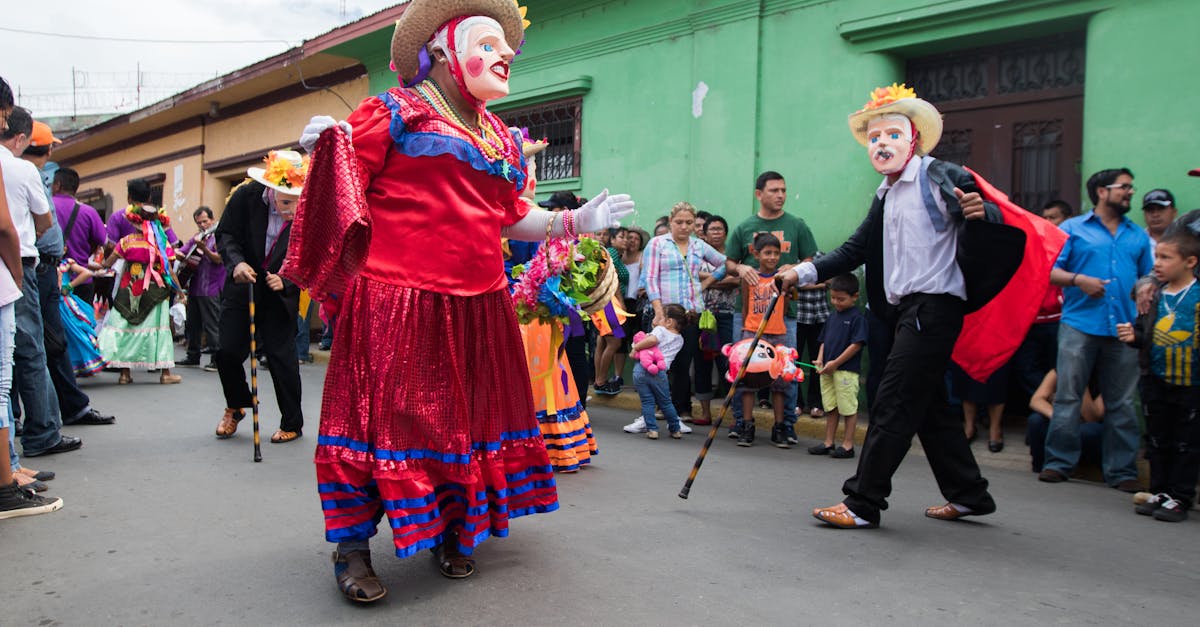
When it comes to accommodations in Granada, there are options to suit every budget and preference. For budget travelers, staying in the historic center is a fantastic choice, offering easy access to major attractions and local eateries. Many affordable hostels and guesthouses provide comfortable lodging without breaking the bank, typically starting around $30-50 per night.
Mid-range options abound in the city, with charming boutique hotels and cozy bed-and-breakfasts that feature local flair and modern amenities. These accommodations often include breakfast and are located within walking distance of popular spots, allowing you to soak up the local atmosphere. Prices in this tier generally range from $60-120 per night.
For those seeking a more luxurious experience, Granada boasts several upscale hotels that offer stunning views and top-notch service. These properties often feature beautiful gardens, swimming pools, and fine dining options, making for a relaxing retreat after a day of exploration. Expect to spend around $150 and up for a night in these more luxurious settings, where comfort and elegance go hand in hand.
Top Things to Do in Granada#
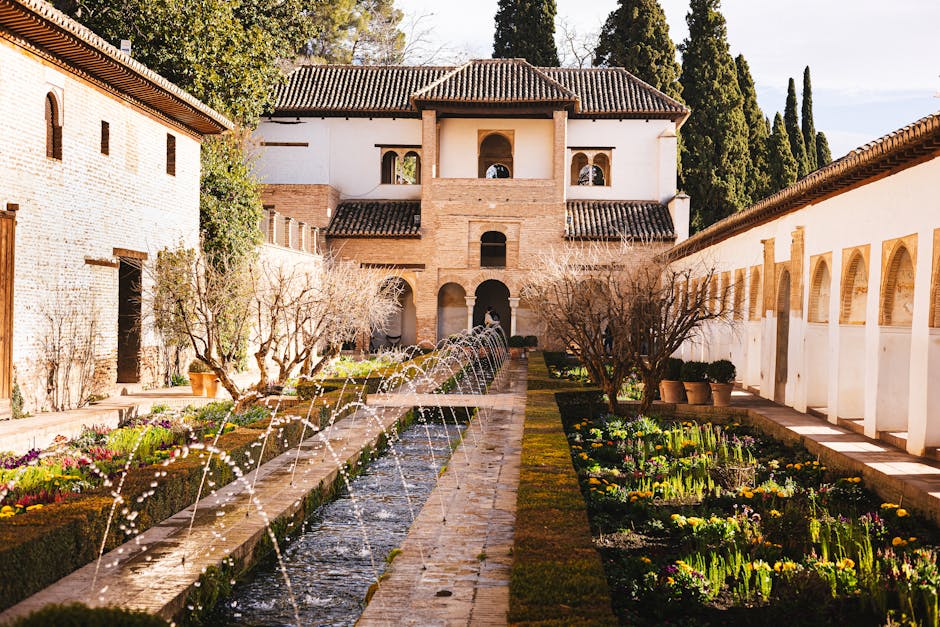
Granada is brimming with activities that cater to diverse interests, ensuring that every traveler finds something to enjoy. A visit to Parque Central serves as a perfect starting point, where the lively atmosphere is punctuated by the sounds of local musicians and the chatter of families enjoying the day. The park is surrounded by stunning colonial buildings, including the impressive Catedral de Granada, whose striking façade and towering bell tower invite exploration.
A stroll along the Calzada street reveals a lively scene filled with shops, cafes, and street vendors. This pedestrian-friendly area is perfect for people-watching and sampling local snacks. As you wander, take the time to visit Casa de Los Tres Mundos, an arts and cultural center that hosts exhibitions, performances, and workshops, showcasing the rich artistic talent of the region.
For nature lovers, a trip to Isletas de Granada is a must. This archipelago of small islands in Lake Nicaragua offers opportunities for kayaking, boat tours, and birdwatching. The tranquil waters and lush greenery provide a serene escape from the city, and you may even spot some monkeys along the way.
Mombacho Volcano National Park is another highlight, where hiking trails lead you through cloud forests and offer breathtaking panoramic views of the surrounding area. Guided tours are available and can enhance your experience, allowing you to learn about the unique flora and fauna that thrive in this volcanic landscape.
For a taste of local history, the Convento de San Francisco is worth visiting. This former convent now houses a museum that showcases pre-Columbian artifacts, offering insight into Nicaragua’s indigenous cultures. The building itself is a beautiful example of colonial architecture, with its serene courtyard and intricate details.
If you’re looking for a bit of adventure, consider taking a day trip to the nearby Masaya Volcano. Observing the glowing lava from the crater’s edge is an exhilarating experience and a reminder of the region’s volcanic activity.
Art enthusiasts will appreciate the opportunity to visit local markets, especially the Mercado Municipal, where lively stalls overflow with handmade crafts, textiles, and pottery. Engaging with local artisans and picking up unique souvenirs is an enriching experience that supports the community.
Finally, don’t miss the chance to enjoy a sunset at the Lake Nicaragua waterfront. The stunning views of the sun dipping below the horizon, with the silhouettes of the surrounding islands, create a picturesque end to your day in Granada.
Food and Dining Guide#
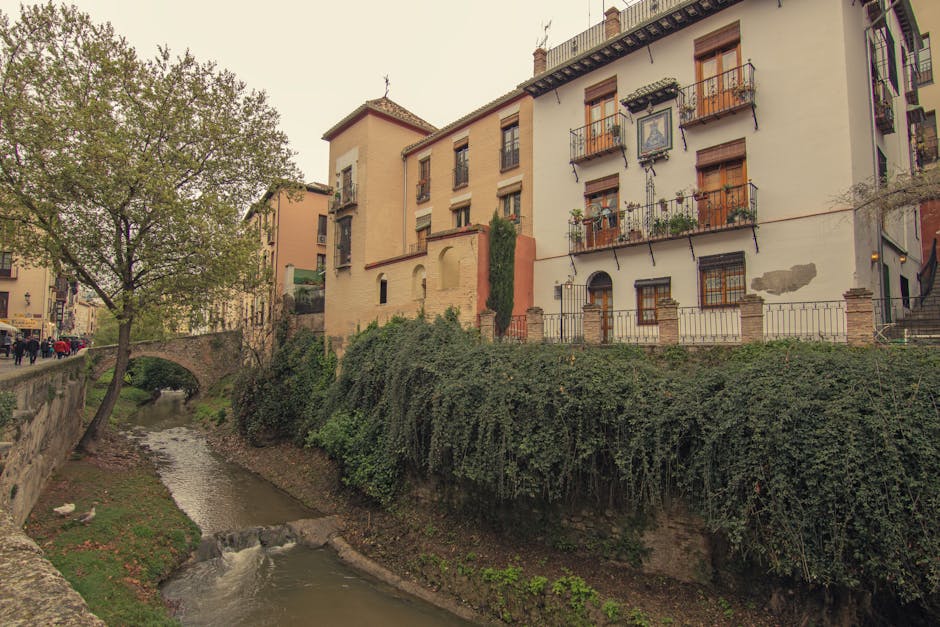
Granada’s culinary scene is a delightful blend of traditional Nicaraguan flavors and modern influences. As you stroll through the streets, the enticing aroma of grilled meats and fresh produce will surely tempt your taste buds. One dish you must try is gallo pinto, a staple of Nicaraguan cuisine made with rice and beans, often served with eggs for breakfast or as a side with lunch.
For a heartier option, consider sampling nacatamales, a type of tamale filled with seasoned meats, rice, and vegetables wrapped in banana leaves and steamed to perfection. Street vendors often sell these delicious parcels, making them an easy and satisfying meal on the go.
If you have a sweet tooth, indulge in a serving of tres leches cake, a moist dessert soaked in three types of milk. This creamy treat is a favorite among locals and visitors alike. Pair it with a cup of locally sourced coffee for a truly authentic experience.
Granada also offers a variety of dining options, from casual street food to more upscale restaurants. Street food stalls are abundant, providing a chance to sample local delicacies at affordable prices. For a more formal dining experience, numerous restaurants showcase both Nicaraguan and international cuisine, often featuring fresh ingredients and creative presentations.
Don’t forget to explore the local markets, where you can find fresh fruits, vegetables, and artisanal products. Engaging with local vendors not only enhances your culinary experience but also supports the community. Be sure to try some of the tropical fruits, such as mangoes, papayas, and guavas, which are often available at very reasonable prices.
Getting Around Granada#
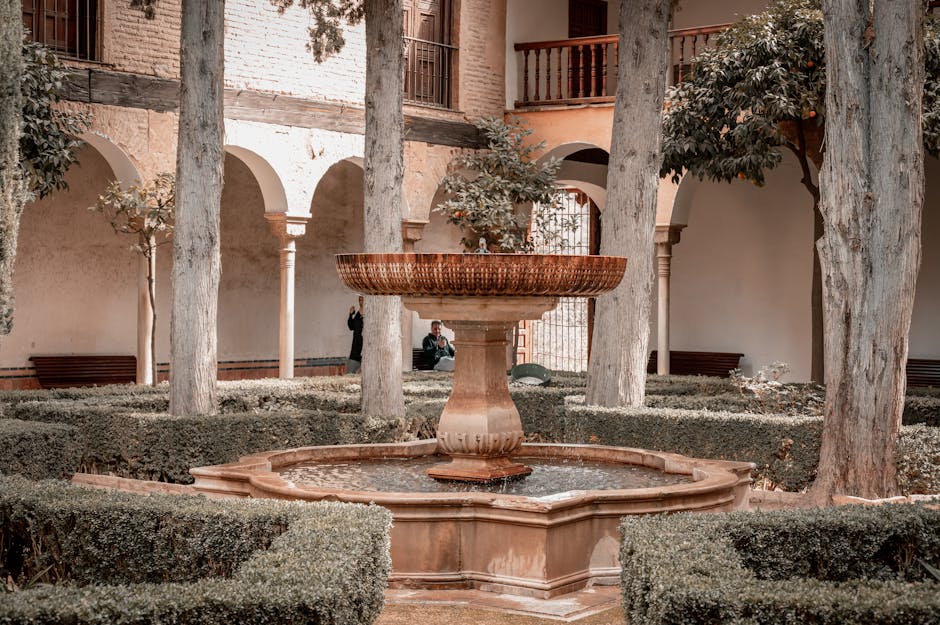
Navigating Granada is relatively easy, thanks to its compact layout. The city center is pedestrian-friendly, making walking one of the best ways to explore its charming streets and lively atmosphere. Many attractions, restaurants, and shops are within a short distance, allowing you to soak up the local culture at your own pace.
For longer distances or if you prefer to save time, taxis are readily available and are a convenient option for getting around. It’s advisable to agree on a fare before starting your journey, as taxis in Granada do not always use meters. Alternatively, you may find local buses, known as “chicken buses,” which are an affordable way to travel, though they can be crowded and may not always operate on a strict schedule.
If you’re considering venturing beyond the city, renting a car can provide flexibility for exploring nearby attractions at your leisure. However, be aware that driving in Nicaragua may present challenges due to road conditions and local driving habits. Always ensure your rental includes insurance and familiarize yourself with local traffic rules.
Budget Breakdown#
Traveling in Granada can be quite affordable, but the overall cost will depend on your travel style. For budget travelers, daily expenses can range from $30 to $70. This budget typically includes accommodation in a hostel or budget guesthouse, street food meals, and local transportation.
Mid-range travelers can expect to spend between $80 and $150 per day, which allows for comfortable lodging in boutique hotels, meals at local restaurants, and entry fees for attractions.
For those seeking luxury, a budget of $200 and up per day is realistic. This includes upscale accommodations, fine dining experiences, and guided tours to explore the region’s natural beauty. No matter your budget, Granada offers a wide array of options to suit your needs.
Travel Tips for Granada#
Language: While Spanish is the official language of Nicaragua, many locals in Granada speak basic English, particularly in tourist areas. Learning a few key phrases in Spanish can enhance your interactions and show respect for the local culture.
Cash: Although some places accept credit cards, it’s advisable to carry cash, especially when visiting markets or smaller establishments. ATMs are available throughout the city, but it’s wise to withdraw cash during business hours for security.
Safety: Granada is generally safe for tourists, but like in any city, it’s essential to stay aware of your surroundings. Keep your belongings secure and avoid displaying valuables in crowded areas. Traveling in groups, especially at night, can also enhance your safety.
Local Etiquette: Nicaraguans are warm and friendly, and a simple greeting can go a long way. A friendly “hola” or “buenos días” when entering shops or restaurants is appreciated. Respect local customs and traditions, particularly when visiting religious sites.
Hydration: The tropical climate can be quite humid, so staying hydrated is crucial. Always carry a reusable water bottle and refill it whenever possible. Tap water is not safe to drink, so opt for bottled water instead.
Transportation: If you plan to explore beyond Granada, consider booking tours with local companies that prioritize safety and sustainability. This not only supports the local economy but also ensures a more enriching experience.
Cultural Events: Keep an eye out for local festivals and events happening during your visit. These occasions often showcase traditional music, dance, and food, providing a deeper understanding of Nicaraguan culture.
Granada invites travelers to experience its charm and beauty, offering a unique blend of history, culture, and adventure. With careful planning and an open heart, your time in this captivating city is sure to be a rewarding experience.