📌 Disclaimer
Prices, schedules, tour details, flight routes, visa requirements, and all other information on this page are based on data at the time of writing. Fares, availability, and policies may change. Please verify current details on the official website before booking.
Why Visit Gran Canaria?#
The scent of saltwater mingles with the aroma of fresh papas arrugadas as you stroll along the sun-soaked beaches of Gran Canaria . This stunning island, part of Spain ’s Canary Islands , offers a unique blend of natural beauty, diverse landscapes, and a welcoming culture that beckons travelers from around the globe. With its dramatic mountains, golden sandy beaches, and charming villages, Gran Canaria is a great for outdoor enthusiasts, culture lovers, and anyone seeking relaxation under the sun.
Gran Canaria stands out not only for its stunning scenery but also for its pleasant climate. Often referred to as the “Island of Eternal Spring,” the weather remains mild throughout the year, making it an ideal destination regardless of the season. The island’s geography is as varied as its attractions, with everything from sandy dunes in Maspalomas to the rugged terrain of the interior. This diversity ensures that visitors can engage in a wide range of activities, from hiking and water sports to exploring local history and culture.
Best Time to Visit Gran Canaria#
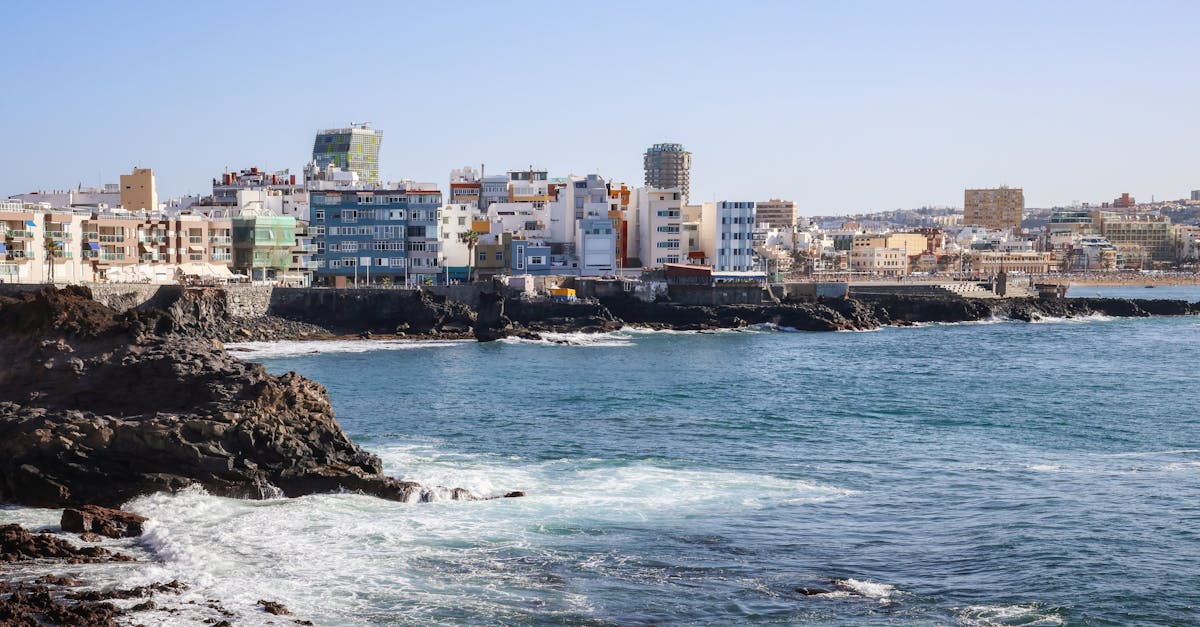
Gran Canaria enjoys a subtropical climate, which means warm temperatures year-round. However, the best time to visit largely depends on your interests. Spring, particularly from March to May, is a fantastic choice for those looking to avoid the summer crowds while still enjoying pleasant weather. Temperatures typically hover around the mid-70s to low 80s Fahrenheit, ideal for both beach lounging and outdoor adventures.
Summer, from June to August, sees an influx of tourists, with temperatures often reaching the high 80s. This is the perfect season for beach lovers and water sports enthusiasts, but you should be prepared for larger crowds and higher prices. If you prefer a quieter experience, consider visiting in fall, from September to November, when the weather remains warm but the tourist numbers begin to dwindle. The winter months, December to February, are cooler, but still mild compared to many other destinations, making it an excellent escape from the cold northern climates.
Where to Stay in Gran Canaria#
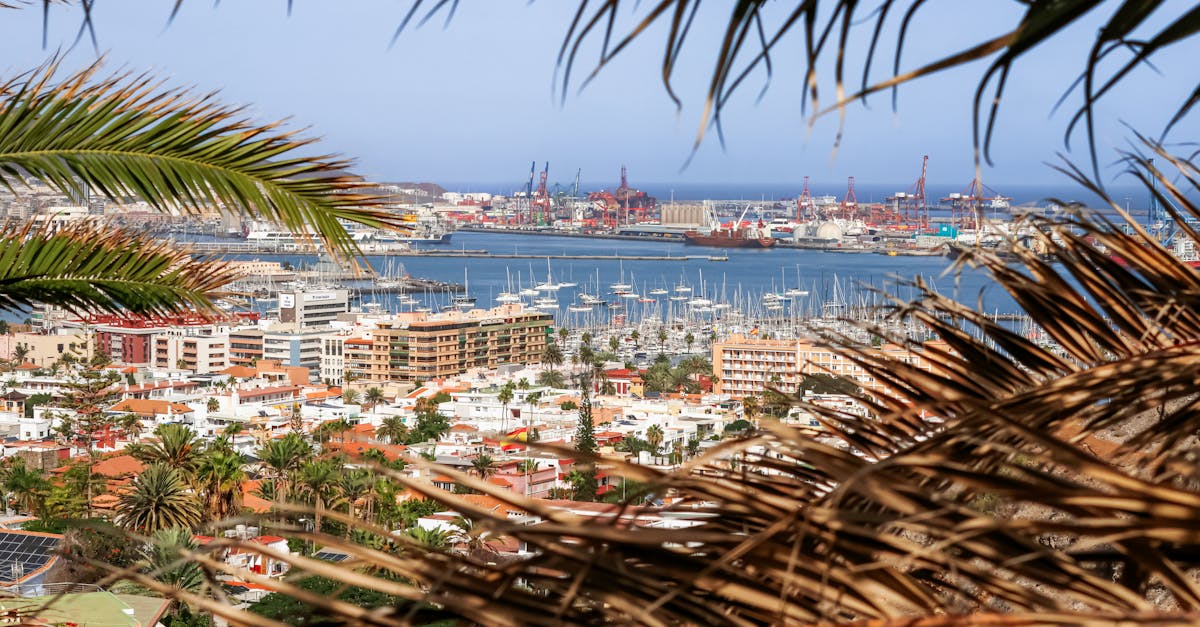
Choosing the right neighborhood can significantly enhance your experience in Gran Canaria. For those on a budget, Las Palmas offers affordable accommodations and easy access to the beach and local markets. This capital city is lively, with numerous dining options and cultural attractions.
If you’re looking for a mid-range experience, consider Maspalomas. Known for its stunning dunes and family-friendly resorts, this area provides a great balance of relaxation and activity. The beach is just a short walk away, and you can find a variety of restaurants and shops nearby.
For a luxury experience, Puerto de Mogán is a picturesque harbor town often referred to as the “Venice of the Canaries.” With its charming canals and upscale dining options, this area is perfect for those seeking a more refined getaway. The serene atmosphere and beautiful marina make it an ideal retreat for couples or those celebrating a special occasion.
Top Things to Do in Gran Canaria#
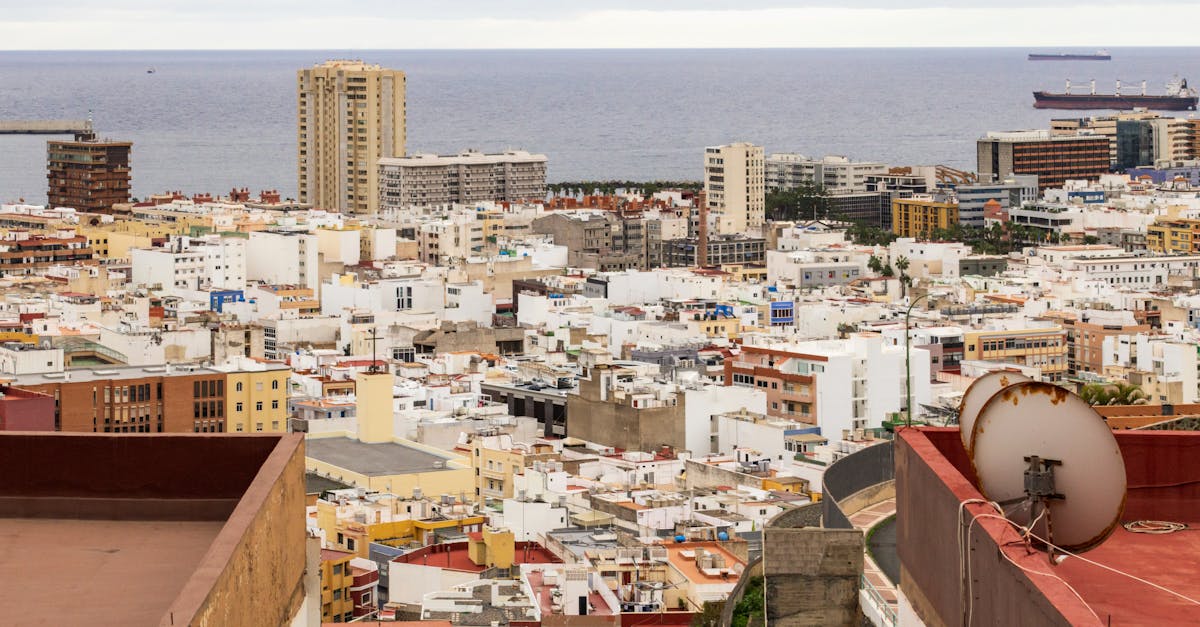
Start your journey with a visit to Maspalomas Dunes, a stunning natural reserve that showcases shifting sands and unique flora. Walking through the dunes feels like stepping into another world, and the nearby beach is perfect for sunbathing or enjoying water sports.
For a taste of local history, head to Casa de Colón in Las Palmas, which is dedicated to Christopher Columbus. This museum offers fascinating insights into the island’s role in maritime history and features beautiful architecture that reflects its colonial past.
Nature enthusiasts will find plenty to explore at Roque Nublo, a striking rock formation that stands at over 6,400 feet. The hike to the summit rewards you with breathtaking views of the island and the surrounding ocean.
Don’t miss Teror, a charming town known for its traditional Canarian architecture and the Basilica de Nuestra Señora del Pino. This is a great spot to admire local craftsmanship and perhaps pick up some unique souvenirs.
For a lively atmosphere, visit Las Canteras Beach in Las Palmas, famous for its golden sands and busy promenade. Here, you can enjoy beachside cafes, live music, and lively sunsets.
If you’re interested in local culture, consider attending a folklore show. These performances showcase traditional Canarian music and dance, offering a delightful glimpse into the island’s cultural fabric.
For a more adventurous outing, explore the Anfi del Mar area, where you can indulge in various water activities, including snorkeling and kayaking. The clear waters and lively marine life make it a favorite among water sports enthusiasts.
Finally, take some time to visit Palmitos Park, a botanical garden and zoo that features exotic animals and lush landscapes. This family-friendly attraction is perfect for a fun day out, offering opportunities to see a wide range of wildlife.
Food and Dining Guide#
Gran Canaria’s culinary scene is a reflection of its diverse influences, and trying local dishes is a must. Start with papas arrugadas, small wrinkled potatoes typically served with a spicy sauce called mojo. This dish is simple yet packed with flavor, making it a staple at many local eateries.
Seafood lovers will enjoy sancocho canario, a traditional fish dish often accompanied by potatoes and mojo sauce. It’s a delightful way to experience the island’s fresh catches. For something heartier, try gofio, a toasted grain flour that can be enjoyed in various forms, from bread to porridge.
Street food is abundant, especially in markets and local festivals. Sampling chorizo de Teror, a spicy sausage, is a tasty way to experience local flavors. Pair it with a glass of Canarian wine, known for its unique characteristics due to the island’s volcanic soil.
For a more refined dining experience, explore the local restaurants that offer innovative takes on traditional dishes. Many of these establishments focus on fresh, local ingredients, presenting them in creative ways that celebrate Gran Canaria’s culinary heritage.
Getting Around Gran Canaria#
Navigating Gran Canaria is quite straightforward, thanks to its well-connected transportation options. The island has a reliable public bus system, known as Guaguas, which can take you to most major attractions and towns. Buses are generally affordable and a great way to explore without the hassle of parking.
For those who prefer more flexibility, renting a car is a popular option. This allows you to explore the island at your own pace, especially if you plan to visit more remote areas. Just be aware that some mountain roads can be steep and winding.
Taxis are readily available in urban areas and can be a convenient way to get around, especially if you’re heading out for a night on the town. If you enjoy walking, many neighborhoods, especially in Las Palmas, are pedestrian-friendly, allowing you to soak up the local atmosphere as you stroll.
Budget Breakdown#
When planning your budget for Gran Canaria, consider your travel style and preferences. For budget travelers, daily expenses can range from $60 to $90. This typically includes staying in budget accommodations, enjoying local street food, and using public transportation.
Mid-range travelers might expect to spend between $100 to $200 per day. This would cover more comfortable lodging, dining in casual restaurants, and participating in a few paid activities or tours.
Luxury travelers should budget around $250 and up daily. This includes upscale accommodations, fine dining experiences, and private transportation options for a more personalized experience.
Travel Tips for Gran Canaria#
Language is an important aspect to consider. While many locals speak English, especially in tourist areas, learning a few basic Spanish phrases can enhance your experience and help you connect with the residents.
Sunscreen is a must, even on cloudy days. The sun can be quite strong, and protecting your skin will ensure you can enjoy your time outdoors without discomfort.
Respect local customs, particularly in more traditional areas. Dress modestly when visiting churches or rural towns, and always be polite when interacting with locals.
Cash is still widely used, particularly in smaller establishments and markets. While credit cards are accepted in many places, having some cash on hand can be helpful for street food stalls and local shops.
Stay hydrated, especially during the warmer months. Carry a reusable water bottle to refill throughout the day, as many areas have drinking fountains.
Finally, plan your excursions in advance. Popular attractions can get busy, so booking tickets ahead of time can save you time and ensure you don’t miss out on anything you want to see.
Gran Canaria is a destination that offers a diverse range of experiences, from its beautiful landscapes to its rich culinary traditions, making it a worthwhile choice for travelers seeking both adventure and relaxation.
📌 Disclaimer
Prices, schedules, tour details, flight routes, visa requirements, and all other information on this page are based on data at the time of writing. Fares, availability, and policies may change. Please verify current details on the official website before booking.
📌 More about Gran Canaria