📌 Disclaimer
Prices, schedules, tour details, flight routes, visa requirements, and all other information on this page are based on data at the time of writing. Fares, availability, and policies may change. Please verify current details on the official website before booking.
Why Visit Gothenburg?#
The sharp tang of salt spray and the heavy scent of roasted cardamom rolls drift across the cobblestones of Sweden ’s second-largest city. Gothenburg balances the scale of a major European destination with the approachable pace of a seaside town, offering American travelers an alternative to the capital’s heavy foot traffic. Canals cut through the downtown grid, reflecting 17th-century fortifications and modern glass architecture in the same glassy water.
Visitors find an antidote to rushed itineraries here, where the concept of daily ease shapes every interaction. Streetcars clatter past leafy squares, and locals gather in corner cafes for the traditional afternoon coffee break. The proximity to the water dictates the daily rhythm, from early morning fish auctions to late evening strolls along wooden docks.
The city operates as a seamless blend of historical preservation and forward-thinking design. Wide boulevards lined with linden trees lead to sprawling public parks, while the outer archipelago demands lazy afternoons spent hopping between granite islands. It feels authentic, lived-in, and welcoming to anyone willing to slow down and observe the local pace of life.
Best Time to Visit Gothenburg#
Planning a trip across the Atlantic requires careful consideration of the Nordic calendar, as the shift in daylight hours alters the travel experience drastically. Summer, running from June through August, brings long daylight hours that stretch past ten o’clock at night. Temperatures remain comfortable for walking, hovering in the low seventies Fahrenheit, though July and August see peak crowds and higher prices for accommodation as European families take their annual holidays.
Spring arrives slowly in May, bringing blooming parks and mild weather before the summer rush begins. This shoulder period offers a quiet window for travelers seeking lower lodging rates and manageable crowds at major sites, though evening temperatures still require a warm jacket.
Autumn, spanning September and October, transforms the public gardens with amber and gold foliage. The weather turns crisp and occasionally rainy, but the crowds thin out entirely, and local restaurants focus on comforting seasonal ingredients like wild mushrooms and root vegetables.
Winter brings a deep chill and early darkness, with the sun setting by mid-afternoon from November through February. Temperatures frequently drop below freezing, but the season compensates with festive holiday markets, glowing street illuminations, and a cozy indoor culture centered around warm pastries and candlelit pubs.
Where to Stay in Gothenburg#
Choosing a neighborhood depends largely on your travel style and how you plan to spend your days. Vasastaden stands out for travelers seeking residential charm mixed with academic energy, featuring wide streets lined with stately 19th-century architecture, independent bookstores, and neighborhood bistros. Accommodations here range from sophisticated boutique apartments in historic buildings to polished mid-range properties, appealing to those who want a quiet retreat within walking distance of the central district.
For a completely different atmosphere, Haga places you directly inside one of the oldest districts, characterized by cobblestone pedestrian lanes and wooden houses built during the 17th century. Staying here places you steps away from classic bakeries and antique shops. Lodging options lean toward cozy bed-and-breakfasts and charming mid-range guesthouses, making it an ideal choice for visitors prioritizing historical ambiance and walkability over modern sprawl.
Innerstaden, the central downtown island, suits travelers who prefer maximum convenience and proximity to the main transit hubs, shopping malls, and cultural institutions. Luxury seekers will find upscale properties here featuring modern Scandinavian design, practical spa facilities, and high-end dining rooms. The area also hosts a variety of business-oriented mid-range hotels that offer functional, clean spaces for tourists who plan to spend most of their time exploring the streets.
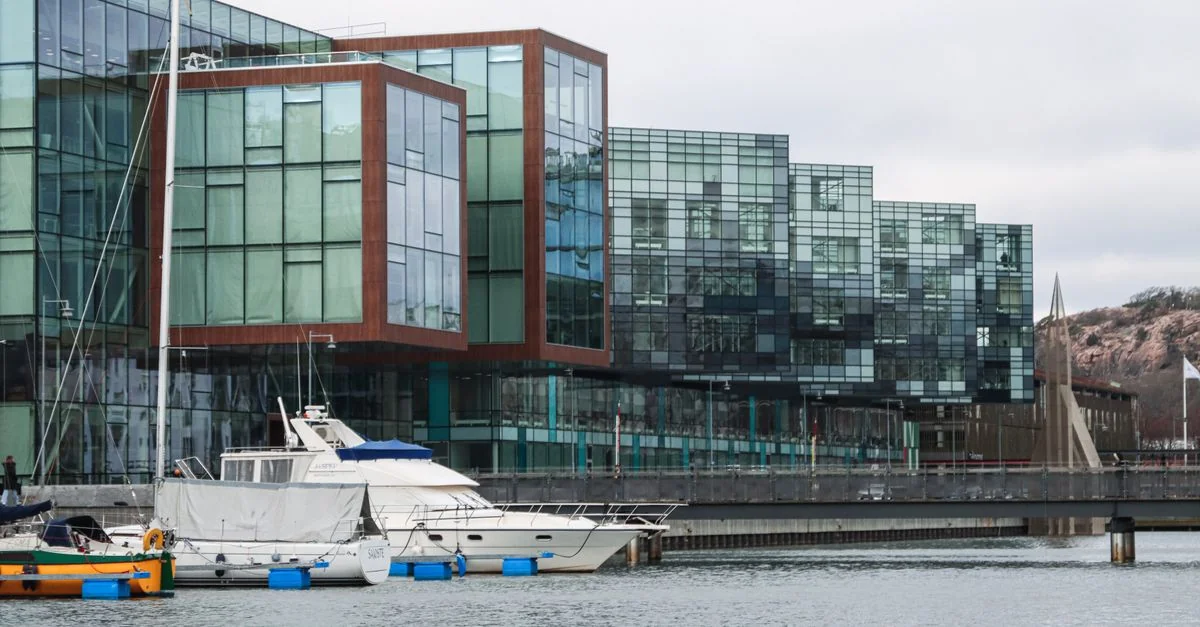
Down by the water, the former shipyard district of Lindholmen represents the contemporary side of the municipality. Glass-fronted tech offices sit alongside modern architectural hotels with expansive harbor views. This area offers sleek, design-forward accommodations at moderate to high price points, appealing to architecture enthusiasts and those who enjoy a quiet, high-tech environment just a quick ferry ride across the river from the center.
Top Things to Do in Gothenburg#
Exploring the urban landscape begins at Slottsskogen, a massive natural park right in the middle of town where locals jog beneath towering oak trees and families visit the free-roaming nordic animal enclosures. Walking paths wind past ponds and open lawns, leading naturally toward the adjacent Gothenburg Botanical Garden, one of the finest in Europe , featuring thousands of plant species, rock gardens, and quiet greenhouses that invite hours of unhurried wandering.
Art enthusiasts will want to spend an afternoon at the Gothenburg Museum of Art, anchoring the southern end of the main boulevard with its impressive collection of Nordic and international masterpieces, including significant works by Edvard Munch and Anders Zorn. Afterward, a short walk leads to Haga Nygata, the primary pedestrian thoroughfare of the historic wooden district, where independent boutiques and antique dealers occupy centuries-old structures.
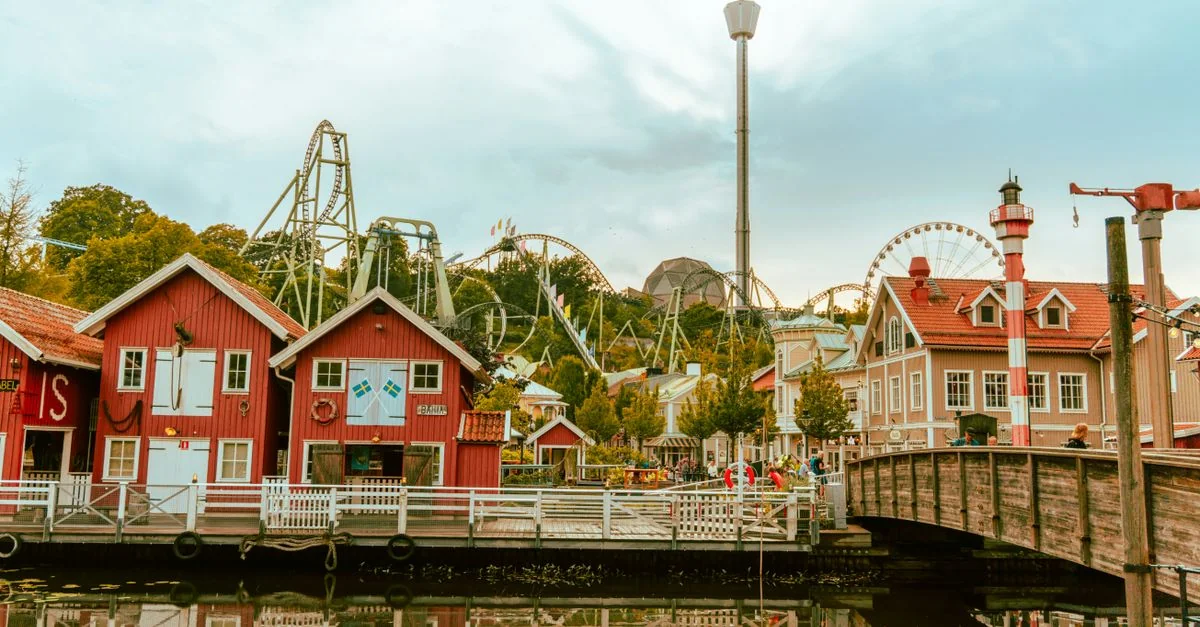
For families and adventure travelers, Liseberg Amusement Park delivers classic entertainment with manicured gardens, wooden roller coasters, and seasonal light displays that draw visitors from across the region. A complete contrast to the amusement park noise can be found at Trädgårdsföreningen, a 19th-century horticultural society park featuring the Palm House, a wrought-iron and glass palace housing exotic tropical plants in a humid, fragrant interior.
To understand the region’s maritime history, cross the river to the Maritiman Floating Museum, where a collection of historic ships, including a destroyer and a submarine, are moored along the docks for self-guided exploration. Beyond the urban core, the Gothenburg Archipelago waits at the end of a short tram and ferry ride. Islands like Styrsö and Vrångö feature granite cliffs, fishing villages, and car-free pathways that provide a genuine taste of the Swedish coast.
Food and Dining Guide#
The local culinary identity is inextricably tied to the cold waters of the North Sea and Skagerrak strait. Seafood dominates the dining scene, starting with Sill, traditional pickled herring served in various marinades ranging from mustard and dill to onion and garlic, usually accompanied by boiled potatoes and hard cheese.
No trip is complete without sampling Räkmacka, the legendary open-faced shrimp sandwich piled high with hand-peeled crustaceans, boiled egg, cucumber, lettuce, and a generous dollop of homemade mayonnaise on dense dark bread. For a casual lunch, seek out traditional fish stew, known as Fisksoppa, loaded with fresh catches from the day, root vegetables, and a rich saffron-infused broth topped with garlic aioli.
When the afternoon sweet tooth strikes, Kanelbulle offers the ultimate comfort. These cardamom- or cinnamon-spiced buns are a cornerstone of Swedish culture, best enjoyed during the traditional social coffee break with a dark roast brew. For dinner, traditional meatballs, or Köttbullar, appear on menus across town, served traditionally with lingonberry jam, pickled cucumbers, and creamy potato puree.
Dining options range from upscale waterfront establishments featuring multi-course tasting menus focused on local foraged ingredients to casual food halls and street-level kiosks. The Stora Saluhallen indoor market serves as an exceptional spot to sample local cheeses, smoked meats, and quick seafood lunches from historic wooden stalls without committing to a formal sit-down dinner.
Getting Around Gothenburg#
Navigating the city requires very little planning thanks to an integrated public transit network operated by Västtrafik, which covers a dense web of electric streetcars, buses, and ferries. Purchasing a travel card or using the mobile ticketing application allows seamless movement across all modes of transport.
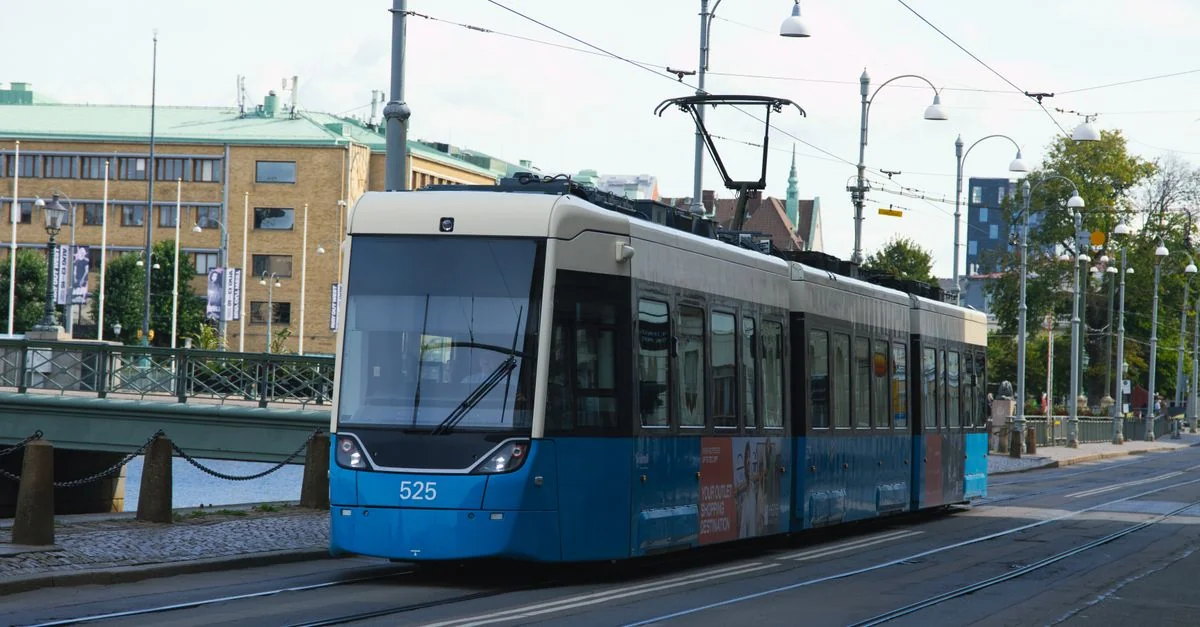
Streetcars serve as the backbone of urban transit, stopping frequently along major corridors and making it easy to hop on and off while exploring different neighborhoods. Ferries cross the river frequently and connect the mainland to the northern districts and the nearby islands, operating as part of the standard transit system.
Taxis are readily available at designated stands and through ride-hailing apps, though they carry a high cost and are rarely necessary given the efficiency of the public transit grid. Walking remains the best way to experience the central districts, as pedestrianized zones and canal paths keep foot traffic separated from heavy vehicle routes.
Renting a car is discouraged if you plan to stay within the urban boundaries, due to expensive parking rates and narrow historic streets. However, a vehicle becomes useful only if you plan to venture deep into the rural countryside or explore remote coastal villages beyond the reach of regional buses.
Budget Breakdown#
Planning finances for a trip to Sweden requires acknowledging that the Scandinavian price level sits slightly higher than the United States average. Accommodation represents the largest daily expense, followed by dining out and attraction tickets.
Budget travelers can manage costs significantly by staying in shared hostel dormitories, guesthouses in outer districts, or private rooms in residential areas. Food expenses can be kept reasonable by shopping at discount grocery chains for breakfast and picnic supplies, supplementing with casual street food or market stalls for lunch. Public transit remains affordable, and many of the best parks, museums, and coastal walks cost nothing to enjoy.
Mid-range travelers will find comfortable standard hotel rooms in central neighborhoods, balanced meals at casual sit-down restaurants, and occasional taxi rides when weather dictates. This tier allows for museum entry fees, visits to the amusement park, and daily coffee shop stops without strict financial monitoring.
Luxury travelers can secure high-end design hotels with full spa amenities, dine at ambitious seafood restaurants with wine pairings, and hire private drivers for day trips into the archipelago. Premium experiences, guided historic tours, and first-class ferry tickets define this upper tier, ensuring maximum comfort and personalized service throughout the journey.
Travel Tips for Gothenburg#
Mastering local customs and practical logistics ensures a smooth journey from arrival to departure. Language is rarely a barrier, as virtually everyone speaks fluent English, but learning a few basic Swedish words like “hej” for hello and “tack” for thank you goes a long way in showing cultural respect.
Cashless Society is the operational standard across the region. Most restaurants, cafes, transit kiosks, and shops do not accept physical currency at all, making a reliable credit or debit card with international chip technology an absolute necessity for every purchase.
Tipping Culture differs significantly from the American standard. Service charges are already included in restaurant bills, so tipping is never mandatory or expected, though leaving a small amount rounded up on the bill for exceptional service is appreciated by waitstaff.
Alcohol Regulations are strict, with strong beer, wine, and spirits sold exclusively through government-run state monopoly stores rather than standard grocery shops, and these stores maintain limited operating hours, particularly closing early on Saturdays and remaining shut on Sundays.
Sauna Culture plays a prominent role in local wellness routines, particularly along the harbor and archipelago islands. Visitors should research local etiquette regarding swimwear rules, as some facilities require nudity while others mandate swimsuits during specific hours.
Layering Clothing is essential regardless of the season, because maritime weather patterns can shift rapidly from bright sunshine to chilly coastal winds and rain showers within a single afternoon, requiring a reliable windproof and waterproof outer layer in your daypack.
📌 Disclaimer
Prices, schedules, tour details, flight routes, visa requirements, and all other information on this page are based on data at the time of writing. Fares, availability, and policies may change. Please verify current details on the official website before booking.
📌 More about Gothenburg