📌 Disclaimer
Prices, schedules, tour details, flight routes, visa requirements, and all other information on this page are based on data at the time of writing. Fares, availability, and policies may change. Please verify current details on the official website before booking.
Why Visit Gijon#
The sharp, salty tang of sea spray drifts off the Bay of Biscay, mixing with the earthy, fermented aroma of pouring cider in neighborhood taverns. This coastal city in northern Spain offers American travelers a chance to experience a deeply authentic slice of Iberian life that remains largely untouched by mass tourism. While travelers often flock to the sun-baked beaches of the south or the architectural wonders of Barcelona , this Asturian port city rewards those who venture north with a seamless blend of wild maritime beauty and industrial heritage.
Life here revolves around the ocean and the traditions of the Green Spain region. Dramatic cliffs frame sweeping sandy stretches where surfers brave the Atlantic swells, while the old fishermen’s quarter of Cimavilla preserves the daily rhythms of a working port. It is a destination where meals stretch for hours, cider is poured from overhead in a theatrical display of hospitality, and Roman ruins sit comfortably alongside contemporary outdoor art installations.
Best Time to Visit Gijon#

Planning your trip timing requires understanding the distinct seasonal shifts of northern Spain. Summer, spanning from June through August, brings the warmest temperatures and the liveliest atmosphere, with long daylight hours ideal for coastal walks and outdoor dining. However, these months also attract domestic vacationers escaping the interior heat, leading to higher accommodation rates and crowded beaches.
Spring, particularly May and June, offers a wonderful alternative with blooming landscapes, comfortable walking temperatures, and significantly fewer crowds. Fall, from September to October, brings cooler weather and frequent rain showers, yet this season coincides with the grape harvest and lively local food festivals celebrating regional cider and cheese. Winter brings chilly, windy conditions and frequent storms rolling off the Atlantic, making it the least favorable time for American visitors unless you prefer indoor museum-hopping and quiet local taverns over beachside leisure.
Where to Stay in Gijon#
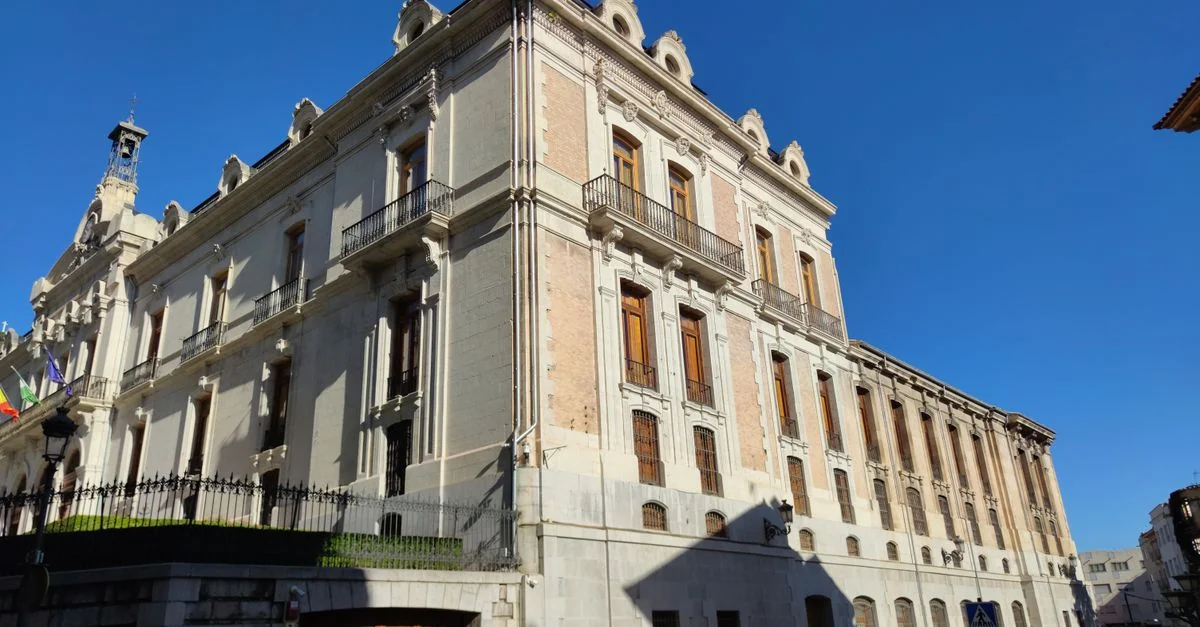
Choosing a neighborhood depends largely on your travel style and preferred daily rhythm. Cimavilla serves as the historic heart of the city, perched on a narrow headrup peninsula that separates the commercial port from the main beach. Staying here places you steps away from ancient Roman baths, winding cobblestone lanes, and traditional cider houses. Accommodations in this historic core lean toward cozy, budget-friendly guesthouses and mid-range boutique apartments housed in converted centuries-old buildings.
For those prioritizing beach access and expansive ocean views, the San Lorenzo Beach area offers grand nineteenth-century architecture and a lively seaside promenade. This district features a healthy mix of mid-range hotels and upscale properties, many boasting balconies directly overlooking the crashing waves.
Further inland, the Centro district delivers a practical, walkable urban experience close to major shopping streets, transportation hubs, and the central theater. This area suits travelers seeking modern mid-range hotels with reliable amenities and straightforward access to the rest of the city.
If you prefer a quieter, more residential atmosphere with a touch of maritime history, the El Musel and Port Outskirts provide a glimpse into the industrial backbone of the city, featuring more modest, budget-oriented accommodations frequented by regional travelers.
Top Things to Do in Gijon#
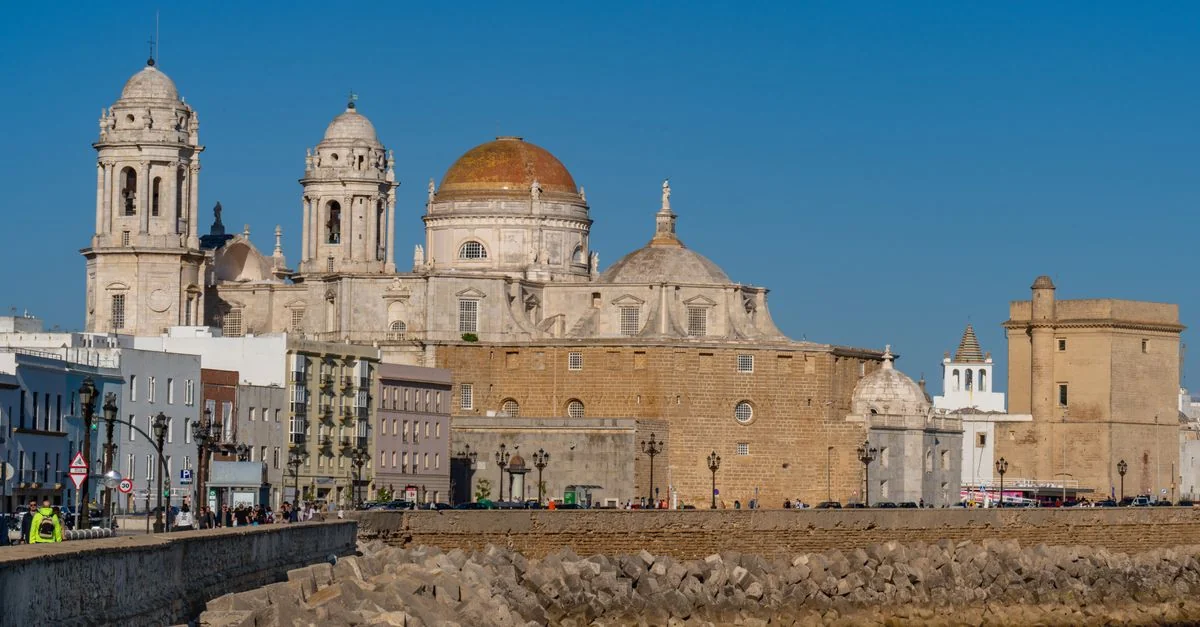
Begin your exploration at Playa de San Lorenzo, the sweeping crescent of sand that defines the city’s eastern boundary. Walking the entire length of the seawall, known locally as El Muro, offers a front-row seat to locals walking dogs, surfers checking the morning swells, and children playing near the shoreline. From the eastern end of the beach, a short climb leads to Cerro de Santa Catalina, a dramatic headland park overlooking the crashing Cantabrian Sea. At the summit stands Elogio del Horizonte, a massive, concrete outdoor sculpture by artist Eduardo Chillida that captures the sound of the wind and the ocean inside its hollow, soaring curves.
Wander down from the headland into the labyrinthine alleys of Cimavilla, the ancient fishermen’s quarter. Here, laundry hangs from wrought-iron balconies and neighbors chat across narrow streets. Pause to inspect the Roman Baths of Campo Valdes, an archaeological site dating back to the first century that reveals the sophisticated heating systems and social habits of the ancient Romans who once harvested resources from this coast.
For a deeper dive into regional history, visit the Railway Museum of Asturias, housed in the grand old North Station, which showcases vintage locomotives and tells the story of the region’s industrial expansion. Afterward, head west to the Asturian Museum of Ethnography in the outer neighborhoods to wander through traditional rural farmhouses, granaries, and workshops that illustrate how families lived off this land centuries ago.
Nature lovers should not miss the Jardin Botanico Atlantico, a sprawling green sanctuary on the southern edge of town dedicated to the flora of the Atlantic arc. Follow its quiet wooden boardwalks through ancient oak forests and curated gardens featuring plants from across the northern hemisphere. Finally, take a leisurely stroll around Plaza Mayor, the arcaded central square where weekly markets and community gatherings unfold beneath the stone facade of the municipal palace.
Food and Dining Guide#
Asturian cuisine is hearty, unpretentious, and deeply tied to the rugged landscape of mountains and sea. You cannot visit without trying Fabada Asturiana, a rich, slow-simmered white bean stew loaded with smoky chorizo, blood sausage, and salt pork that provides ultimate comfort on cooler coastal days. Seafood also dominates local menus, particularly Cachopo, a dish featuring two large veal fillets stuffed with ham and cheese, then breaded and fried to a golden crisp.
For a lighter bite, order a plate of Pimientos de Padron, small green peppers fried in olive oil and dusted with coarse sea salt, or sample the local blue cheese known as Cabrales, which is aged in high limestone caves and packs a sharp, pungent punch.
When it comes to dining venues, the culinary landscape splits between traditional Sidrerias and modern restaurants. Sidrerias are lively, casual cider houses where servers perform the traditional high-pour to aerate the tart local brew, creating a frothy, refreshing drink that accompanies simple tapas like cured ham and local cheeses. For dinner, traditional sit-down restaurants in Cimavilla offer multi-course menus featuring fresh catches from the morning boats, while modern establishments near the center experiment with contemporary interpretations of regional classics.
Getting Around Gijon#
Navigating the city is remarkably straightforward, as the urban core is compact and largely flat, making it exceptionally friendly for pedestrians. You can easily walk between the major beaches, the historic quarter, and the central shopping districts within twenty to thirty minutes. For longer journeys or trips to the outer botanical gardens and museums, the municipal bus network offers clean, reliable routes that connect every corner of the municipality.
Taxis are readily available at designated stands throughout town and can be hailed on the street or booked via phone apps, offering a comfortable option for late-night travel. Renting a car is unnecessary if you plan to stay strictly within the urban boundaries, but having a vehicle becomes advantageous if you intend to explore the surrounding Picos de Europa national park or neighboring coastal fishing villages during your week-long stay.
Budget Breakdown#
Traveling through northern Spain generally offers better value than visiting major tourist capitals like Madrid or Barcelona. For budget travelers staying in shared guesthouses, relying on public buses, and eating casual tapas and bakery items, daily expenses remain modest and manageable. Mid-range travelers can comfortably book private boutique rooms, dine on sit-down seafood dinners, and enjoy museum entries without breaking the bank. Luxury travelers seeking high-end seaside hotels, private guided tours, and fine dining experiences will find that their money stretches further here than in other high-profile European destinations, though premium options remain somewhat limited compared to southern coastal hotspots.
Travel Tips for Gijon#
Mastering local customs enhances your daily experience significantly. Cider Etiquette is a cultural pillar here; locals never pour their own drink into a glass. Instead, wait for a server or companion to hold the bottle high above their head and the glass low at their hip, creating the necessary aeration. Drink the resulting small pour in a single gulp, leaving a tiny splash at the bottom to rinse the glass onto the sawdust-covered floor before passing it along.
Dining Hours run much later than typical American schedules. Lunch begins around two in the afternoon, while dinner rarely gets underway before ten at night. Plan your daily schedule accordingly to avoid arriving at restaurants when the kitchens are completely closed between meal services.
Language Preparation requires a shift from what you might expect in southern Spain. While Castilian Spanish is universal, you will frequently see signs and hear locals speaking Asturian, a distinct regional language. Learning a few basic pleasantries in standard Spanish goes a long way, though friendly gestures and patience remain universally understood.
Weather Preparedness is essential regardless of the season you choose. Pack layers and a reliable windproof rain jacket, as maritime weather shifts rapidly from bright sunshine to sudden coastal mists and showers.
Tipping Culture differs substantially from the United States . Service charges are included in bills, and tipping is never expected or required. Leaving a modest handful of loose change for exceptional service at a tavern is appreciated, but large percentages are entirely unnecessary.
📌 Disclaimer
Prices, schedules, tour details, flight routes, visa requirements, and all other information on this page are based on data at the time of writing. Fares, availability, and policies may change. Please verify current details on the official website before booking.
📌 More about Gijon