📌 Disclaimer
Prices, schedules, tour details, flight routes, visa requirements, and all other information on this page are based on data at the time of writing. Fares, availability, and policies may change. Please verify current details on the official website before booking.
Why Visit Genoa?#
The sharp scent of frying socca and sea salt drifts through narrow alleys so tight that neighbors can shake hands from opposite windows. Genoa often plays second fiddle to Florence or Rome in the American imagination, yet this Ligurian port delivers a much rawer, salt-of-the-earth Italian experience. It lacks the manicured gloss of Venice, trading those romanticized canals for a maritime grit that feels genuinely lived-in. For decades, travelers simply used the city as a transit hub to reach the pastel-colored fishing villages of the nearby coast, missing out on one of Europe ’s most underrated historic centers.
Beyond the salty air of the old port, the city rises steeply into green hills, creating a dramatic amphitheater of pastel facades, slate roofs, and grand Renaissance palaces. As the birthplace of Christopher Columbus and a former maritime superpower, its history is etched into every stone plaza and marble church. You will find grand architecture right next to working-class laundromats, creating a dynamic daily life that feels completely untouched by mass tourism. Visitors looking for authentic Ligurian culture, steep staircases leading to panoramic viewpoints, and a maritime heritage that shaped the Mediterranean will find this destination rewarding.
Navigating the historic center requires a sense of adventure, as the medieval pedestrian zone—known as the caruggi—forms a labyrinth that resists traditional mapping. Sunlight rarely reaches the ground in these deepest corridors, keeping the air cool even during peak summer afternoons. Around every corner, you stumble upon tiny neighborhood shrines glowing behind glass, laundry fluttering overhead like nautical flags, and tiny trattorias serving recipes passed down through generations. It is a city that demands you slow down, abandon the itinerary, and simply wander.
Best Time to Visit Genoa#

Planning your trip around the shoulder seasons yields the most comfortable weather and manageable crowds. May and June bring pleasant temperatures in the low-to-mid seventies Fahrenheit, making long walks through the steep historic center a pleasure rather than a sweat-drenched endurance test. Wildflowers bloom along the coastal paths, outdoor café tables fill the sunny piazzas, and airline prices from the United States remain reasonable compared to the peak summer months.
July and August bring intense Mediterranean heat and humidity, accompanied by an influx of European vacationers heading to the coast. Temperatures regularly push past eighty-five degrees, and the narrow, shaded streets can trap the heat. Accommodation prices peak during these two months, and booking well in advance becomes essential. If you do visit in mid-summer, follow the local habit of retreating indoors during the afternoon sun and enjoying late, leisurely dinners as the evening sea breeze cools the pavement.
September and October offer a gentle transition back to quieter streets. The sea remains warm enough for swimming along the nearby Riviera, and the autumn harvest brings regional specialties like mushrooms and chestnuts to local menus. Prices for lodging drop significantly by October, and you can easily secure tables at popular neighborhood trattorias without reservations. November through February brings cooler, rainier weather, but travelers willing to pack a sturdy rain jacket will enjoy deeply discounted hotel rates and a nearly tourist-free urban landscape.
Where to Stay in Genoa#
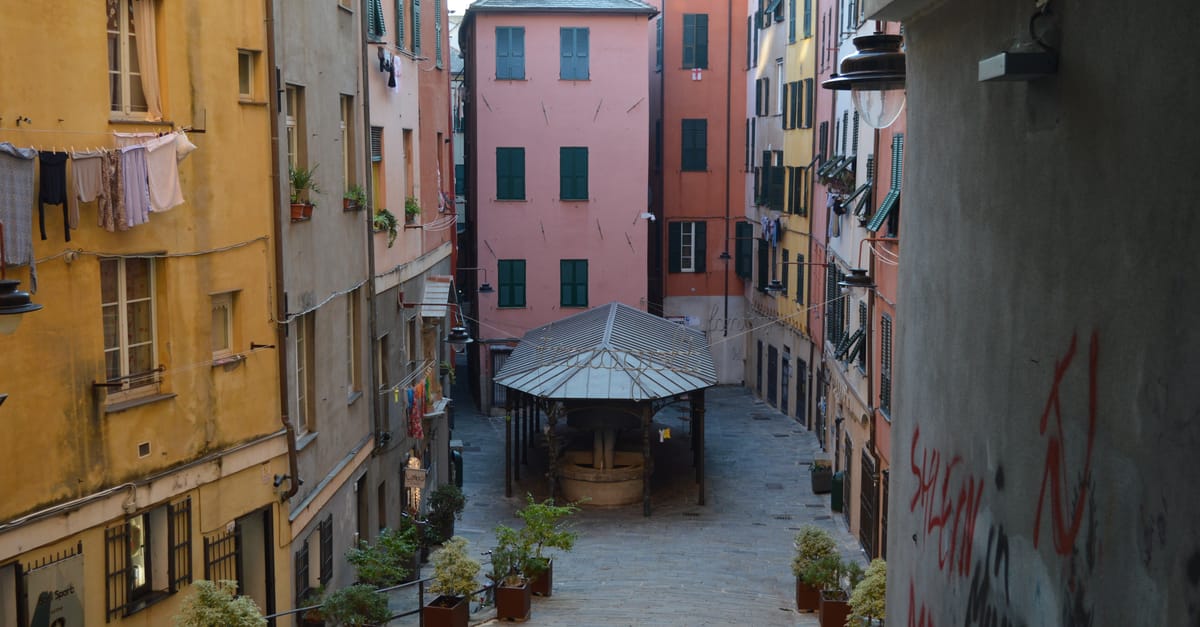
Choosing a neighborhood depends entirely on how you want to experience the city’s unique geography and urban energy. For first-time visitors who want to be within walking distance of major sights, the Historic Center—centered around Piazza de Ferrari and the ancient caruggi—puts you right in the action. Accommodation here ranges from simple, family-run bed and breakfasts housed in centuries-old palazzos to upscale boutique properties offering modernized rooms with antique frescoed ceilings. Staying here means you can step outside directly into the lively street life, though street-facing rooms can occasionally catch late-night neighborhood chatter.
Just west of the historic core lies the Waterfront and Porto Antico area, completely redesigned by famed architect Renzo Piano. This zone appeals heavily to travelers who prefer modern amenities, wide pedestrian spaces, and immediate access to the aquarium and harbor cruises. Lodging options here tend toward mid-range and upscale contemporary hotels with sweeping views of the moored yachts and the open sea. It is a clean, accessible neighborhood that feels safe and modern, though it lacks the medieval character found deeper in the old town.
For a more bohemian and upscale residential atmosphere, look toward the Castelletto or Albaro districts. Castelletto sits high above the city center, accessible via historic public elevators that offer magnificent views during the commute. It features quiet apartment rentals and boutique guesthouses favored by travelers seeking peace away from the busy port. Albaro, located further east along the coast, offers elegant nineteenth-century villas and upscale hotels near leafy residential squares, perfect for travelers with a higher budget who want a refined coastal neighborhood vibe.
Top Things to Do in Genoa#
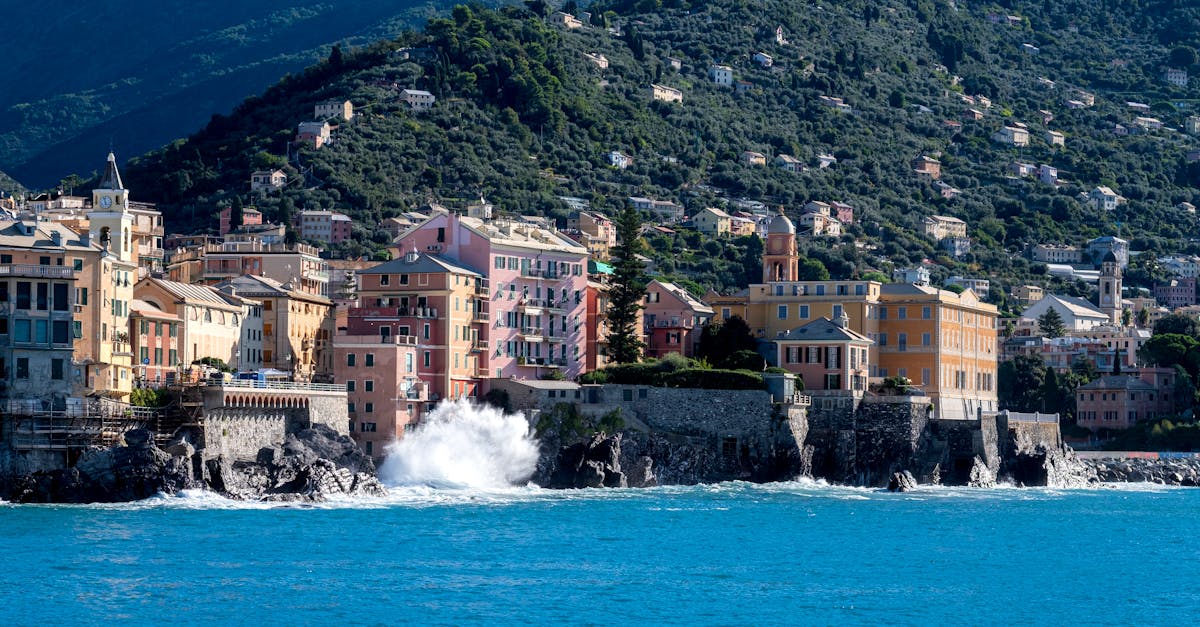
A proper exploration of the city must begin at the sprawling Porto Antico, where modern maritime attractions blend seamlessly with historic shipyard infrastructure. Walking along the stone quays, you can board replica pirate ships, watch ferries depart for Corsica, and admire the striking architecture of the Biosphere—a giant glass bubble floating in the harbor containing tropical rainforest flora and exotic birds. The adjacent Aquarium of Genoa stands as one of the largest in Europe, housing everything from playful dolphins and gentle manatees to apex predators in massive, multi-story marine tanks that captivate travelers of all ages.
Venture inland from the waterfront to walk the grand Strada Nuova, officially designated as Via Garibaldi, which serves as an open-air museum of Renaissance wealth. Lined with monumental noble residences built by the city’s wealthy merchant banking families, this aristocratic corridor showcases magnificent facades and opulent interior courtyards. Several of these palaces, including the Palazzo Rosso and Palazzo Bianco, operate as public art galleries where you can wander through frescoed salons and view masterworks by European painters while looking out over private rooftop gardens.
Ascending above the urban sprawl reveals a completely different side of the city through the historic Castelletto Elevator. Locals use this authentic piece of public transit daily, riding the ornate art nouveau cage straight up through the cliffside to a sprawling terrace platform. The view from the Spianata Castelletto takes in the entire slate-roofed expanse of the historic center, the sprawling port, and the deep blue expanse of the Ligurian Sea, making it the finest sunset vantage point in the municipality.
Art and maritime history buffs will thoroughly enjoy exploring the imposing Palazzo San Giorgio, a medieval Gothic palace that once housed one of the world’s oldest banking institutions and where Christopher Columbus reportedly worked. Nearby, the striking black-and-white striped facade of the Genoa Cathedral dominates its namesake piazza, featuring a gothic interior where you can still spot an unexploded British naval shell that crashed through the roof during World War II and miraculously failed to detonate.
For a change of pace, wander through the historic Mercato Orientale, a cavernous indoor food market housed in an old monastery cloister. Strolling past towering pyramids of fresh artichokes, local cheeses, and just-caught seafood provides a wonderful window into everyday shopping habits. Finally, seek out the atmospheric Boccadasse neighborhood, a tiny, pastel-painted fishing enclave tucked away on the eastern edge of the city. Sitting on the pebble beach here with a paper cone of fried fish while listening to the small waves lap against traditional wooden boats feels a world away from the busy commercial port.
Food and Dining Guide#
Ligurian cuisine relies heavily on fresh garden herbs, olive oil, seafood, and nuts rather than the heavy tomato sauces found further south in the country. The undisputed king of local gastronomy is Pesto Genovese, a lively green sauce made by hand-mashing sweet Genovese basil, pine nuts, garlic, Parmigiano-Reggiano, Pecorino, and high-quality local olive oil in a marble mortar. Order this sauce tossed over twisted trofie pasta or filled pansotti pasta, and you will instantly taste the Mediterranean sunshine concentrated into a single bowl.
Another regional staple is Focaccia Genovese, which bears little resemblance to the thick, dry bread often sold in American supermarkets. Authentic local focaccia is thin, oily, golden-brown, and deeply dimpled, frequently soaked in extra virgin olive oil and coarse salt. Locals eat it at all hours, often dipping pieces straight into their morning cappuccino. You can find specialized bakeries throughout the historic center serving it plain, topped with sweet onions, or smothered in melted cheese as focaccia col recco.
Street food culture centers largely around fried specialties, particularly Fritto Misto di Mare, a paper cone filled with a crunchy assortment of small fish, squid, and shrimp fried until golden. For a meatier snack, seek out Panissa, a dense polenta-like cake made from chickpea flour that is sliced and deep-fried into crispy golden batons. You will also encounter Farinata, a paper-thin, savory chickpea pancake baked in wood-fired copper pans until the edges turn delightfully crisp while the center remains tender.
When dining out, skip the tourist-trap menus posted in English outside the main harbor squares and seek out traditional neighborhood trattorias hidden deep within the caruggi. These family-run establishments often lack menus entirely; the host will simply recite the daily catches and pasta dishes available. Pair your meal with a crisp, mineral-forward white wine like Vermentino or Pigato, grown on the precipitous terraced vineyards clinging to the nearby coastal cliffs.
Getting Around Genoa#
Navigating this vertical city relies on a clever, integrated public transit network that makes tackling steep hills effortless. The municipal transit system operates an extensive grid of buses, a modest underground metro line, funiculars, and public elevators that connect the seaside port directly to the residential heights. Purchasing a 24-hour transit pass at a tobacco shop or metro station provides unlimited rides across all these modes, saving you from figuring out individual ticket validation for every transfer.
Walking remains the absolute best way to experience the historic center, simply because cars cannot fit down the medieval pedestrian corridors. Be prepared for steep inclines and endless stone staircases if you plan to venture away from the flat coastal strip. Comfortable walking shoes with good traction are non-negotiable, as the smooth marble and slate paving stones can become slick when damp from morning mist or rain showers.
Taxis are readily available at designated stands outside the main railway stations and major piazzas, though hailing one on the street is uncommon. Ride-sharing apps are restricted compared to American standards, so relying on official white metered cabs or local transit is standard practice. Renting a car for exploring the urban center is strongly discouraged; narrow streets, limited resident-only parking zones, and aggressive local driving habits make having a vehicle downtown an expensive headache. Save car rentals for day trips out along the Riviera after you leave the city.
Budget Breakdown#
Traveling through this Ligurian port offers solid value compared to major Italian tourism capitals like Rome or Venice, though costs scale significantly depending on your travel style. Budget travelers staying in simple guesthouses, eating focaccia on the go, and utilizing public transit can comfortably manage on roughly $60 to $90 per day. Accommodation in budget hostels or simple neighborhood rooms typically starts around $35–50 per night, while casual street food meals and bakery snacks keep daily food costs under $20.
Mid-range travelers looking for comfortable boutique hotels, sit-down trattoria dinners with local wine, and paid entry to museums and palaces should budget between $150 and $250 per day. Mid-range hotels generally cost around $100–160 per night, and taking occasional funicular rides or regional trains for day trips fits comfortably within this tier. This approach allows for a relaxed pace with plenty of gelato stops and well-appointed accommodations.
Luxury travelers seeking high-end historic palazzos converted into five-star hotels, private guided historical tours, and fine dining experiences featuring multi-course seafood menus should expect daily expenditures to exceed $400. Luxury accommodations easily start around $300–500 per night, paired with upscale dining and private transport options. Even at the highest tier, the city retains an understated elegance that feels distinctly authentic rather than flashy.
Travel Tips for Genoa#
Language preparation is quite helpful because English is spoken less frequently here than in Florence or Milan, particularly in older neighborhood shops and family-run trattorias. Downloading an offline translation app and learning basic Italian phrases will smooth your daily interactions and earn warm smiles from local vendors.
Piazza safety requires normal urban awareness, particularly around the train stations and the fringes of the port after dark. While the historic center is generally safe for daytime wandering, some of the narrow alleys can feel deserted and dimly lit at night, so sticking to well-trafficked thoroughfares is smart practice.
Dining hours operate on a strict Mediterranean schedule that American travelers should anticipate to avoid showing up to locked restaurant doors. Lunch is typically served from 12:30 PM to 3:00 PM, after which kitchens close completely until dinner service begins around 7:30 PM or 8:00 PM.
Tipping customs in Italy differ significantly from the United States, as service charges are often included in the bill as a coperto or servizio. Leaving a modest cash tip of a few euros for exceptional service at a trattoria is appreciated, but heavy percentage-based tipping is neither expected nor customary.
Store closures are a standard part of the local rhythm, with many independent shops, markets, and family businesses shutting their doors for a multi-hour midday break between 1:00 PM and 4:00 PM. Plan your shopping and museum visits around these afternoon pauses to avoid frustration.
Coffee etiquette dictates that ordering milk-based coffees like cappuccinos is strictly reserved for morning hours. Ordering a cappuccino after a heavy lunch or dinner marks you instantly as an outsider, so locals will gently steer you toward a quick espresso taken standing up at the bar counter.
📌 Disclaimer
Prices, schedules, tour details, flight routes, visa requirements, and all other information on this page are based on data at the time of writing. Fares, availability, and policies may change. Please verify current details on the official website before booking.
📌 More about Genoa