📌 Disclaimer
Prices, schedules, tour details, flight routes, visa requirements, and all other information on this page are based on data at the time of writing. Fares, availability, and policies may change. Please verify current details on the official website before booking.
Why Visit Gdansk?#
The scent of salted amber, damp cobblestones, and roasting kielbasa hangs heavy in the sea air as waves lap against the medieval wooden crane standing sentinel over the Motlawa River. For American travelers accustomed to the dizzying pace and towering skyscrapers of western European capitals, Gdansk offers a refreshing shift in scale and perspective. This Baltic port city carries a complex past, having rebuilt itself from the ashes of the Second World War into a masterpiece of Hanseatic architecture. Gable-roofed merchant houses in shades of marigold, teal, and rose line the pedestrian thoroughfares, creating a visual rhythm that feels lifted straight from a Dutch master painting.
Beyond its striking physical appearance, Gdansk holds immense historical weight for the modern world. This is the birthplace of the Solidarity movement, the labor union that peacefully dismantled the Iron Curtain from the inside out. Visitors can feel this spirit of resilience lingering in the cavernous shipyards and the stately brick facades of the Main Town. It is a destination that rewards slow exploration, where a wrong turn down a narrow alleyway often leads to quiet courtyards, artisan amber workshops, and cozy cafes pouring locally roasted coffee.
What truly sets Gdansk apart for travelers from the United States is its exceptional value combined with top-quality infrastructure. Compared to traditional tourist strongholds in Western Europe , your travel budget stretches significantly further here, granting access to exceptional dining, fascinating museums, and coastal beauty without the exhausting crowds or inflated price tags. Whether you are walking the windswept Baltic beaches of nearby Sopot or tracing centuries of maritime trade along the Long Market, Gdansk delivers an authentic European getaway that feels wonderfully grounded and deeply memorable.
Best Time to Visit Gdansk#
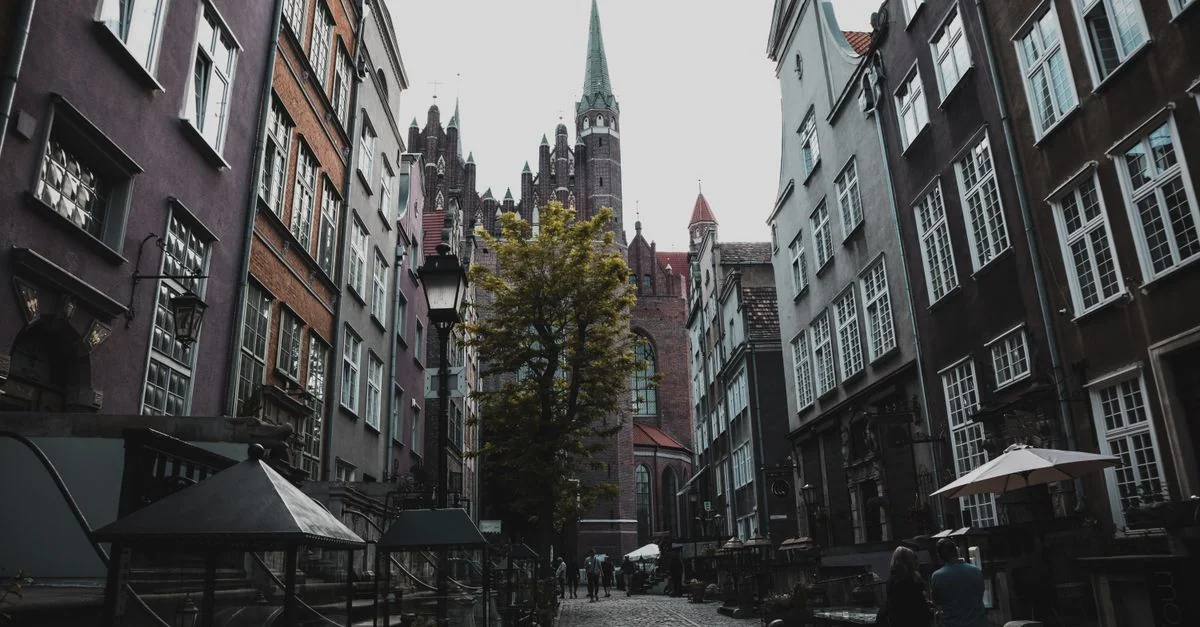
Planning your trip to Gdansk requires balancing pleasant weather with crowd levels, as the Baltic climate brings distinct seasonal shifts. The peak summer months of July and August bring warm temperatures, long daylight hours, and a festive atmosphere to the seaside. Outdoor terraces fill with locals enjoying cold Polish beer, and street performers animate the Royal Route. However, this high season also brings peak airfares, booked-out accommodations, and dense crowds of European vacationers. If you prefer warm weather for exploring the coastline, aim for the shoulder month of June or the early weeks of September, when the weather remains mild, accommodation prices drop slightly, and the historic center is much easier to navigate at your own pace.
Spring, spanning from May through June, rewards travelers with blooming parks, comfortable walking temperatures, and a refreshing lack of congestion. Prices for lodging remain moderate, and daylight is abundant. The shoulder autumn period of September and October offers its own distinct charm, particularly as the changing leaves frame the canals in warm autumn hues. While outdoor dining winds down by late October, museum visits and cozy tavern meals become exceptionally appealing.
Winter in Gdansk transforms the city into a quiet, moody landscape. From late November through December, the historic center hosts a renowned Christmas market that fills the freezing air with the aroma of mulled wine, gingerbread, and smoked cheese. Outside of the holiday season, January and February bring cold winds off the Baltic Sea, short daylight hours, and the lowest accommodation prices of the year. Travelers willing to bundle up in heavy layers will find empty streets, moody coastal vistas, and an intimate glimpse into daily local life.
Where to Stay in Gdansk#
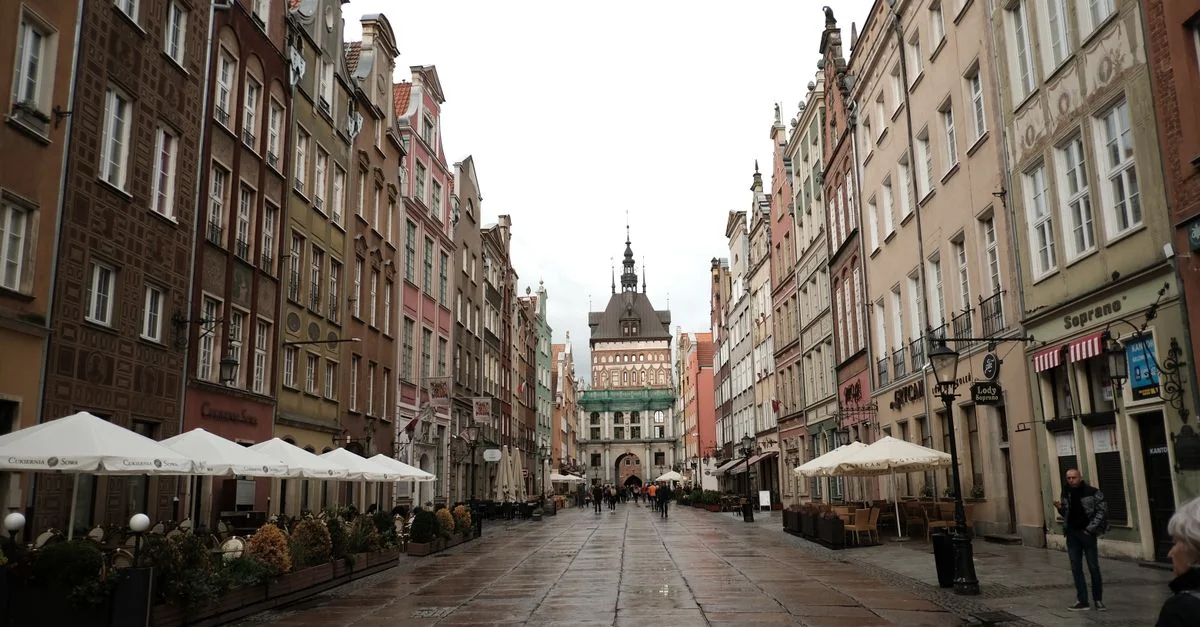
Choosing where to lay your head in Gdansk depends entirely on your travel style, as the city is divided into distinct districts with unique personalities. Main Town sits at the very heart of the historic action, placing you within walking distance of the grand Gothic churches, amber shops, and the scenic riverfront. Accommodations here range from budget-friendly guesthouses housed in historic tenement buildings to high-end boutique properties offering views of the pastel-colored facades. Staying in the Main Town means you can step out of your door and immediately join the morning market stroll, though you should expect a higher price point and weekend evening noise.
Just north of the historic center lies the Old Town, which offers a slightly more residential feel while remaining exceptionally close to major sights. This neighborhood features mid-range apartments and modern hotels that cater to travelers seeking spaciousness and standard amenities without the premium cost of properties directly on the Royal Route. It serves as a practical base for families and longer-term visitors who want easy access to the main train station for day trips along the coast.
For travelers seeking a trendy, industrial-chic atmosphere, Wrzeszcz provides an authentic look at contemporary local life. Located a short tram or train ride away from the historic center, this former working-class district has evolved into a creative hub filled with specialty coffee shops, craft breweries, and independent boutiques. Lodging here generally leans toward budget-friendly apartments and mid-range design hotels, offering significantly more space and lower rates than anything found in the immediate city center.
If your ideal vacation involves morning walks on sandy shores, consider booking a stay in Oliwa or nearby Sopot, situated further up the coastline. Oliwa offers a tranquil, leafy retreat centered around a historic park and a magnificent cathedral known for its soaring pipe organ. Accommodations here are largely mid-range guesthouses and quiet boutique stays. Sopot, stretching along the sea between Gdansk and Gdynia, provides luxury spa resorts and upscale beachfront properties for travelers looking to combine urban exploration with a coastal resort getaway.
Top Things to Do in Gdansk#
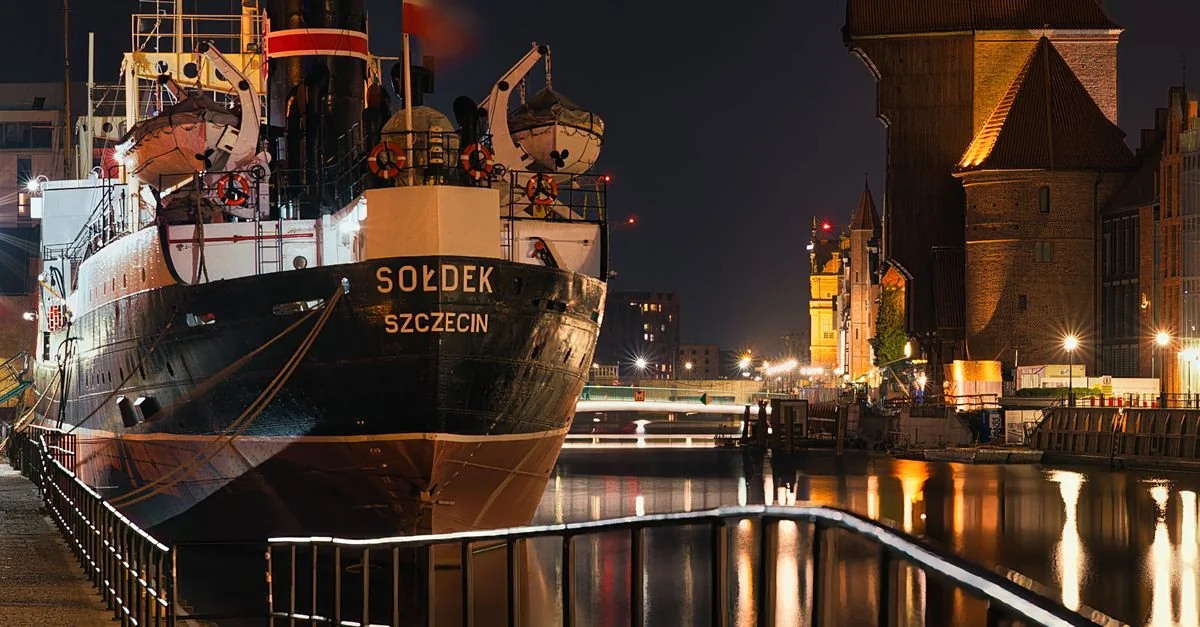
Your exploration of the city should naturally begin along the Long Market, the grand pedestrian thoroughfare where merchants once paraded their wealth. Flanked by ornate townhouses with intricate stone carvings, this lively artery leads you past the Neptune Fountain, the undisputed symbol of the city. Take time to admire the craftsmanship of the Artus Court, a historic meeting place for wealthy merchants that now functions as a museum displaying opulent period interiors. From here, continue toward the High Gate, the monumental entry point to the historic fortification system that once protected the port.
Maritime history comes alive at the National Maritime Museum, spread across several historic buildings including the iconic Crane, a medieval wooden lifting machine that dominates the riverbank. Walking along the Motlawa River Embankment, you can observe traditional sailing vessels and modern ferries before crossing the footbridge to Granary Island, a district rapidly transforming into a modern architectural showcase while honoring its industrial past. To understand the profound resilience of the local population, spend an afternoon exploring the European Solidarity Centre, an architectural marvel located in the historic shipyards. Interactive exhibits inside detail the grassroots labor movement that eventually led to the collapse of communism across Eastern Europe, making it one of the most intellectually engaging stops in the country.
For a dramatic change of scenery, take a short bus or tram ride out to the Westerplatte Peninsula, where the first shots of the Second World War were fired. Walking among the ruined barracks and the towering granite monument overlooking the Baltic Sea offers a quiet space for reflection. Alternatively, head northeast to the Oliwa Cathedral, where you can attend a brief concert featuring the legendary rococo organ, complete with moving wooden angels and cherubs that animate while the music plays. Conclude your sightseeing with a peaceful stroll through Oliwa Park, a sprawling landscape combining French formal gardens with wild English woodland paths, offering a serene escape from the urban energy of the center.
Food and Dining Guide#
Dining in Gdansk reflects its coastal geography and centuries of trade, blending hearty Slavic traditions with Baltic seafood and international influences. Because the city sits right on the water, fish features prominently on traditional menus. You must seek out Sledz, or pickled herring, which is prepared in countless ways, often served with onions, sour cream, and crusty rye bread. For a warming comfort meal, order a bowl of Zurek, a traditional sour rye soup enriched with white sausage, hard-boiled eggs, and root vegetables, frequently served inside a hollowed-out round loaf of sourdough bread.
Meat lovers will appreciate Pierogi, the ubiquitous Polish dumplings stuffed with fillings ranging from minced pork and wild mushrooms to sweet seasonal berries. While you can find them everywhere, seek out specialized pierogi bars in the side streets away from the main drag for the best handmade varieties. Another local specialty is Kaszanka, a traditional blood sausage flavored with buckwheat and spices, which pairs wonderfully with fried onions and pickled cucumbers. For dessert, sample a slice of Pasztecik Gdanski, a savory yeast pastry filled with minced meat or cabbage, or indulge in traditional Polish gingerbread spiced with honey and warming aromatics.
When deciding where to eat, you will find a stark contrast between traditional milk bars and modern dining establishments. Milk bars are government-subsidized canteens offering ultra-budget-friendly, home-style Polish comfort food in a no-frills, cafeteria-style setting. They provide an authentic taste of local daily life at a fraction of restaurant prices. On the other end of the spectrum, the area around the marina and Granary Island boasts contemporary bistros pushing the boundaries of modern Polish cuisine, utilizing hyper-local ingredients like Baltic cod, forest mushrooms, and sea buckthorn to create inventive seasonal tasting menus.
Getting Around Gdansk#
Navigating Gdansk is remarkably straightforward, thanks to a reliable, integrated public transportation network managed by the city. The core historic district is almost entirely pedestrianized, making walking the absolute best method for taking in the architecture and details of the Main Town. Cobblestones can be uneven in places, so comfortable walking shoes with good support are essential. For longer distances, the city operates an efficient network of trams and buses that connect the center to outlying neighborhoods, industrial districts, and coastal suburbs. Purchasing tickets is simple through station kiosks, onboard ticket machines, or mobile apps, but remember that you must validate your paper ticket immediately upon boarding.
For journeys extending beyond the city limits, such as traveling to the coastal resort towns of Sopot or Gdynia, the SKM urban railway serves as the fastest and most convenient option. Trains run frequently throughout the day, operating on a reliable schedule that bypasses highway traffic entirely. Taxis are readily available at designated stands and through ride-sharing applications, offering affordable rates by American standards. Drivers are generally honest and professional, but it is always wise to confirm that the meter is running or agree on a fare before setting off, especially when hailing a cab from tourist-heavy spots like the main train station.
Renting a car is generally unnecessary and counterproductive if you plan to spend your time exploring central Gdansk and the immediate Tri-City area, as parking in the historic zone is strictly regulated, expensive, and limited. However, if your itinerary includes venturing deep into the rural countryside, touring the Gothic castles of the Teutonic Knights in Malbork, or exploring the wild landscapes of the Kashubian lakes, renting a vehicle from the airport provides the necessary freedom and flexibility for a successful road trip.
Budget Breakdown#
Traveling to Gdansk offers exceptional value for American tourists, making it one of the most wallet-friendly destinations in the European Union. Your daily expenses will depend heavily on your preferred level of comfort, but even luxury travel here costs significantly less than equivalent experiences in Western Europe.
For budget travelers staying in hostel dormitories or suburban guesthouses, cooking some meals, utilizing public transit, and focusing on free walking tours and public sights, daily expenses remain remarkably low. Accommodation costs will form the largest share, followed by affordable meals at milk bars, street food stalls, and grocery stores. Admission fees to historical museums are modest, and walking the city streets costs nothing at all.
Mid-range travelers can comfortably book private boutique apartments in the historic center, enjoy sit-down meals at modern restaurants, sample local craft beers, and take regional trains and taxis without constantly watching their spending. This tier allows for a relaxed pace, complete with guided tours, museum tickets, and occasional splurges on coastal dining experiences.
Luxury travelers will find that top-tier spending in Gdansk goes exceptionally far. High-end accommodations include upscale design hotels and spacious river-view suites. Fine dining reservations at avant-garde restaurants, private chauffeured tours to regional castles, and premium spa treatments in Sopot are readily accessible at prices that would only cover mid-range services in cities like Paris or London .
Travel Tips for Gdansk#
Language barriers in Gdansk are rarely an issue for American visitors. Younger generations and those working in the hospitality, tourism, and restaurant sectors speak fluent English. However, mastering a few polite phrases of Polish, such as saying thank you and please, goes a long way in showing respect and earning warm smiles from local shopkeepers and servers.
Tipping culture in Poland differs noticeably from the United States. While tipping is not strictly mandatory, leaving a modest gratuity of around ten percent is customary in sit-down restaurants for good service. For casual cafes, bars, and food stalls, rounding up the bill or dropping small change into the tip jar is standard practice, but servers do not rely on tips for their base livelihood.
Payment methods are overwhelmingly cashless throughout the city. Credit and contactless smartphone payments are accepted everywhere from upscale hotel lobbies and sit-down restaurants to small museum ticket booths and street food vendors. Carrying a small amount of local currency in cash is still useful for tipping, tipping street musicians, or purchasing small items at traditional outdoor markets, but you will rarely need large sums of physical money.
Electrical outlets in Poland adhere to the standard European two-round-prong plug system, operating on a higher voltage than the United States. American travelers will need to pack a standard adapter plug for their electronics. Most modern laptop and phone chargers handle dual voltage automatically, but you should verify your hair dryers or styling tools before plugging them in to avoid damaging your devices.
Museum closures require a bit of advance planning. Many major cultural institutions and historic sites designate one day during the week—often Monday or Tuesday—as their weekly closure day, and some offer specific days with free admission that draw larger crowds. Checking official schedules online before heading out helps prevent disappointment and allows you to structure your sightseeing efficiently.
Safety standards in Gdansk are exceptionally high. The city is considered very safe for solo travelers, families, and evening strolls through the historic center. Standard urban awareness is all that is required to avoid petty crimes like pickpocketing in crowded tourist zones or train stations, allowing you to explore the city with peace of mind at any hour of the day or night.
📌 Disclaimer
Prices, schedules, tour details, flight routes, visa requirements, and all other information on this page are based on data at the time of writing. Fares, availability, and policies may change. Please verify current details on the official website before booking.
📌 More about Gdansk