📌 Disclaimer
Prices, schedules, tour details, flight routes, visa requirements, and all other information on this page are based on data at the time of writing. Fares, availability, and policies may change. Please verify current details on the official website before booking.
Why Visit Freeport?#
📌 More about Freeport
The scent of salty ocean air mingles with the sweet aroma of tropical fruits, welcoming you to Freeport, a captivating destination nestled in the Bahamas . With its stunning beaches, clear water, and friendly locals, Freeport is an alluring spot for travelers seeking a blend of relaxation and adventure. The island is known for its diverse marine life and beautiful coral reefs, making it a great for snorkeling and diving enthusiasts. Beyond its natural beauty, Freeport offers a unique blend of Bahamian culture, evident in its lively markets and local festivals, inviting visitors to experience the warmth and hospitality of the island.
Freeport stands out as a destination that caters to a wide range of interests. Whether you’re lounging on the soft sands of the beach, exploring local art galleries, or indulging in fresh seafood, there’s something for everyone. The island’s long history and commitment to conservation enhance its appeal, as visitors can learn about the region’s past while enjoying activities that promote sustainability. With a laid-back atmosphere and plenty of opportunities for exploration, Freeport is a destination that invites you to relax while discovering the beauty of the Bahamas.
Best Time to Visit Freeport#

When planning your trip to Freeport, consider the seasonal variations that can impact your experience. The peak tourist season runs from mid-December to mid-April, coinciding with cooler temperatures and lower humidity. During these months, the weather is typically warm, with average temperatures ranging from the mid-70s to low 80s Fahrenheit. However, this popularity can lead to crowded beaches and higher prices for accommodations and activities.
The shoulder seasons, from late April to June and September to early November, offer a more budget-friendly option. The weather remains pleasant, with temperatures in the 80s, but you can expect occasional rain showers, especially in late summer. Visiting during these times can provide a more relaxed atmosphere, allowing you to enjoy the island’s attractions without the busy crowds. The off-peak season, from June to October, is marked by higher humidity and the potential for hurricanes, making it less desirable for many travelers. However, if you’re willing to take the risk, you may find significant discounts on accommodations and activities.
Where to Stay in Freeport#
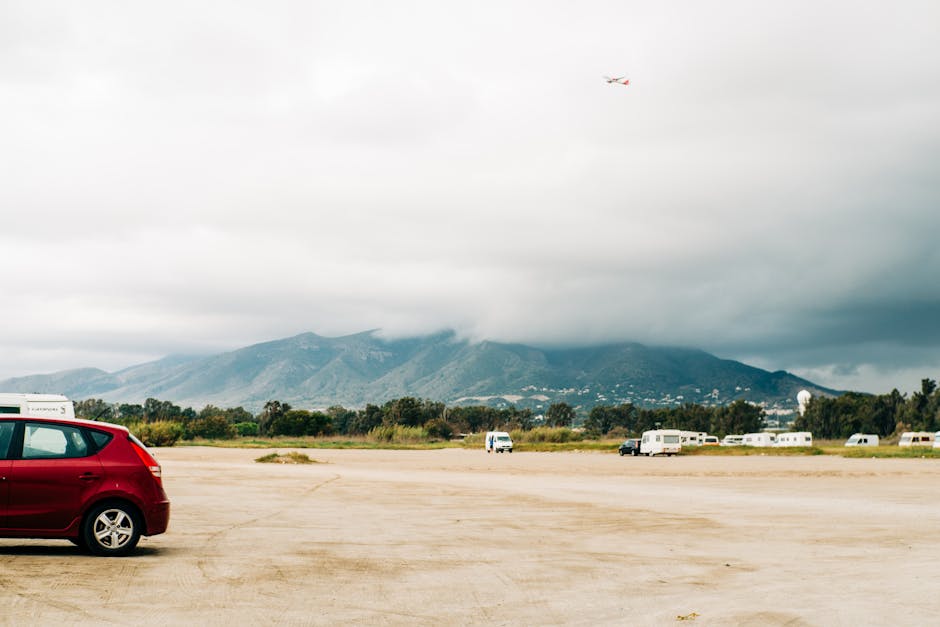
Freeport offers a variety of neighborhoods catering to different budgets and preferences, making it easy to find the perfect place to stay. For budget-conscious travelers, the area near the Lucayan Beach is ideal. This location provides access to affordable accommodations, along with a lively beach atmosphere. You can enjoy the convenience of being close to local eateries and shops while keeping costs down.
For those seeking mid-range options, the Port Lucaya area is an excellent choice. This lively neighborhood boasts a selection of hotels and resorts, many of which feature easy access to the beach and local attractions. You’ll find a blend of activities, from shopping at the marketplace to enjoying waterfront dining, all within walking distance.
If luxury is what you desire, consider staying along the Grand Bahama Island coast. This area is home to upscale resorts that offer stunning ocean views and a range of amenities, including spas and fine dining. Here, you can indulge in a more exclusive experience while enjoying the natural beauty of Freeport.
Top Things to Do in Freeport#
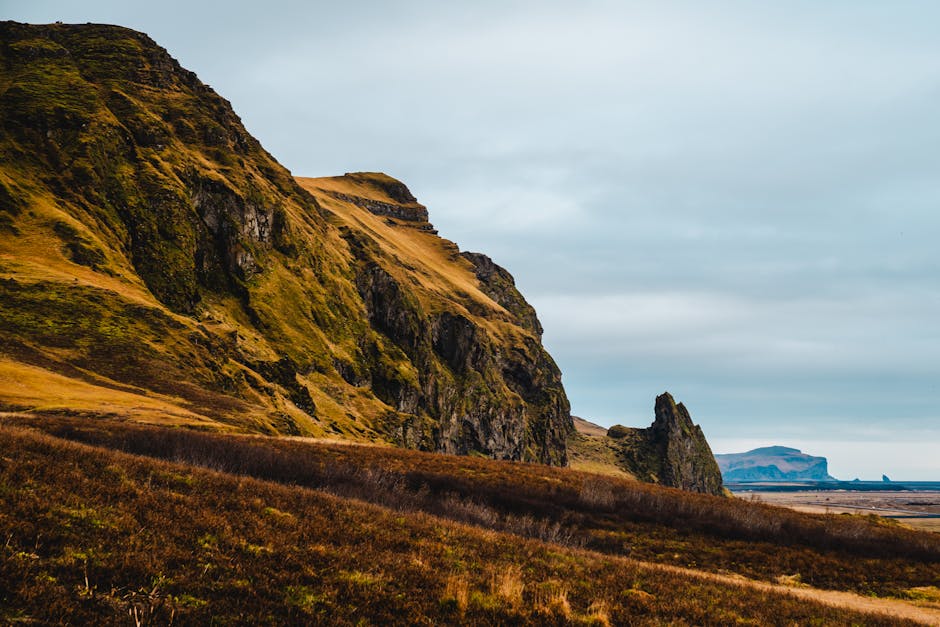
Freeport is brimming with activities and attractions that showcase the best of the Bahamas. Lucayan National Park is worth visiting for nature lovers, featuring lush trails that lead to beautiful beaches and fascinating limestone caves. The park is also home to one of the world’s largest underwater cave systems, offering a unique glimpse into the area’s geological history. Just a short drive away, Taino Beach provides a picturesque spot for sunbathing and swimming, with calm waters perfect for families.
For those interested in marine life, Port Lucaya Marketplace is a lively hub where you can shop for local crafts, souvenirs, and fresh produce. The marketplace often hosts live music and events, creating a dynamic atmosphere. Nearby, The Reef offers an opportunity for snorkeling and diving, where you can explore lively coral reefs and observe colorful fish in their natural habitat.
If you’re looking for a cultural experience, spend some time at the Rand Memorial Nature Center, where you can learn about the island’s ecology and wildlife. The center often features educational programs and guided tours that provide insight into the local environment. For a taste of local arts, visit the Bahamas Craft Centre, where artisans showcase their work, giving you a chance to purchase unique handmade items.
For an exhilarating day, consider a trip to Gold Rock Beach, located within the Lucayan National Park. This beach boasts stunning views and soft sand, making it an excellent spot for relaxation and picnicking. If you’re feeling adventurous, you can also try your hand at kayaking in the surrounding mangroves, where you can spot local wildlife.
Don’t miss the opportunity to take a day trip to Freeport’s underwater park, where you can explore shipwrecks and marine life. This area is perfect for both novice and experienced divers, offering guided tours to ensure a safe and enjoyable experience. Finally, end your day by catching the sunset at Smith’s Point Beach, a serene location known for its breathtaking views and tranquil atmosphere.
Food and Dining Guide#
Freeport’s dining scene is a delightful mix of local flavors and international cuisine, making it easy to find something to satisfy your palate. A visit to the Bahamas wouldn’t be complete without sampling conch fritters, a local favorite. These deep-fried balls of conch meat are often served with a zesty dipping sauce and are sure to please your taste buds. For a heartier option, try peas and rice, a traditional Bahamian dish made with pigeon peas and seasoned rice, often served alongside grilled meats or fish.
Street food is abundant in Freeport, with vendors offering a variety of quick bites. Be sure to sample fish fry, where you can enjoy fresh, grilled or fried fish served with sides like coleslaw and plantains. This casual dining experience allows you to enjoy the local atmosphere while savoring delicious seafood. For those seeking a sit-down meal, numerous restaurants offer stunning waterfront views and fresh ingredients sourced from the surrounding waters.
Another worth trying dish is Bahamian rock lobster, which is typically grilled or sautéed and served with garlic butter. The fresh flavors of the ocean shine through, making it a popular choice among locals and visitors alike. Pair your meal with a refreshing Bahama Mama, a tropical cocktail that embodies the spirit of the islands.
For dessert, indulge in coconut tarts or guava duff, a sweet treat often served with a warm rum sauce. Both desserts highlight the tropical ingredients that are a hallmark of Bahamian cuisine. Whether you choose to dine at upscale restaurants or savor street food, Freeport offers a culinary experience that reflects the island’s culture and flavors.
Getting Around Freeport#
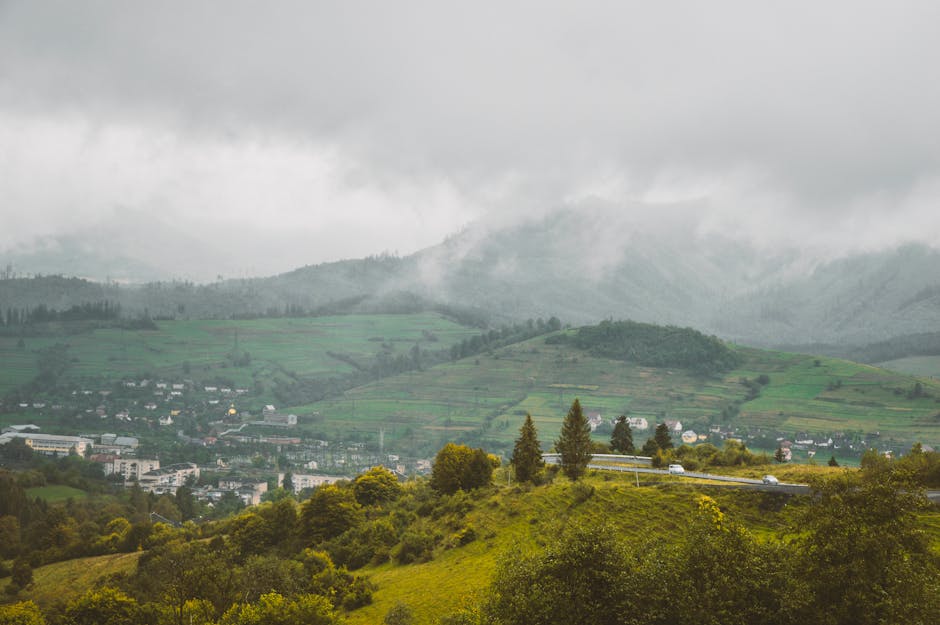
Navigating Freeport is relatively straightforward, with various options available depending on your preferences. Public transportation is accessible and affordable, with jitneys operating throughout the island. These shared minibuses provide a convenient way to get around, connecting popular areas and attractions. Just be aware that schedules can be informal, so patience is key.
Taxis are another option, readily available at airports, hotels, and popular spots. While they may be pricier than public transport, they offer a comfortable and direct way to reach your destination. It’s wise to confirm fares before starting your journey, as rates can vary based on distance and time of day.
If you prefer more flexibility, renting a car is a great choice. This allows you to explore Freeport at your own pace, with the ability to visit more remote beaches and attractions. Keep in mind that driving is on the left side of the road, which may require some adjustment for American travelers. Another popular mode of transportation is biking, with several rental shops available for those who want to explore the island on two wheels.
Walking is also a viable option, especially in areas like Port Lucaya, where attractions, shops, and restaurants are close together. The island’s flat terrain makes it easy to stroll around, taking in the sights and sounds of Freeport as you go.
Budget Breakdown#

When planning your budget for Freeport, consider your travel style and preferences. For budget travelers, daily expenses can range from $70 to $100. This estimate includes staying at budget accommodations, which typically start around $30 to $50 per night, along with affordable meals from local eateries and street vendors. Transportation costs can be kept low by using public jitneys.
Mid-range travelers can expect to spend between $150 and $250 per day. This budget allows for staying in comfortable hotels or resorts, dining at a mix of local and mid-range restaurants, and participating in activities like snorkeling or guided tours. Transportation costs may include taxis or occasional car rentals, depending on your itinerary.
For those seeking a luxury experience, a daily budget of $300 and up is reasonable. This allows for upscale accommodations, fine dining, and exclusive excursions such as private boat tours or spa treatments. Luxurious options are abundant, enabling you to fully enjoy the beauty and culture of Freeport.
Travel Tips for Freeport#
Currency and Payment: The Bahamian dollar is the official currency, but U.S. dollars are widely accepted, making transactions convenient for American travelers. Carrying some cash is advisable, especially for small purchases at local markets or street vendors.
Local Etiquette: Bahamians are known for their hospitality, and a friendly demeanor goes a long way. Greeting locals with a smile and a simple “hello” can enhance your interactions. Tipping is customary in restaurants and for services, typically around 15-20%.
Health Precautions: While Freeport is generally safe for travelers, it’s wise to take basic health precautions. Stay hydrated, use sunscreen, and be mindful of your surroundings, especially in less crowded areas. Before your trip, consider consulting your doctor about any necessary vaccinations or medications.
Water Safety: The waters around Freeport are inviting, but it’s essential to be cautious, especially if you’re not a strong swimmer. Always pay attention to local advisories regarding currents and weather conditions. Wearing a life vest while snorkeling or engaging in water sports is a good safety practice.
Local Events: Check the local calendar for events during your visit. Freeport hosts various festivals, art shows, and cultural celebrations that can enrich your experience. Participating in these events allows you to connect with the community and gain insight into Bahamian life.
Transportation Timing: If using public transportation, be prepared for longer wait times. Jitneys may not run on a strict schedule, so it’s best to allow extra time for travel between destinations. If you have a specific activity planned, consider arranging transportation in advance to ensure timely arrivals.
Respecting Nature: Freeport’s natural beauty is one of its biggest draws. When visiting beaches and parks, be mindful of your impact on the environment. Follow guidelines for wildlife interactions, and avoid littering to help preserve the island’s stunning landscapes for future generations.