📌 Disclaimer
Prices, schedules, tour details, flight routes, visa requirements, and all other information on this page are based on data at the time of writing. Fares, availability, and policies may change. Please verify current details on the official website before booking.
Why Visit Frankfurt?#
As you step onto the busy streets of Frankfurt, the aroma of roasting sausages wafts through the air, mingling with the scent of freshly baked pretzels from nearby bakeries. This dynamic city, often overshadowed by its more famous Europe an counterparts, offers a unique blend of modernity and tradition, making it a worthwhile destination for any traveler. Frankfurt is not just a financial center; it is a cultural hub, rich in history and innovation, where ancient architecture stands shoulder to shoulder with sleek skyscrapers.
Frankfurt’s strategic location in the heart of Europe makes it an ideal starting point for exploring the continent. With its well-connected transportation system, you can easily venture to neighboring countries or explore the picturesque towns along the Rhine River. The city’s lively art scene, lively festivals, and diverse neighborhoods invite exploration, while the charming Römer square and the serene banks of the River Main provide a perfect backdrop for a leisurely stroll. Whether you are an art enthusiast, a history buff, or a foodie, Frankfurt has something special to offer.
Best Time to Visit Frankfurt#
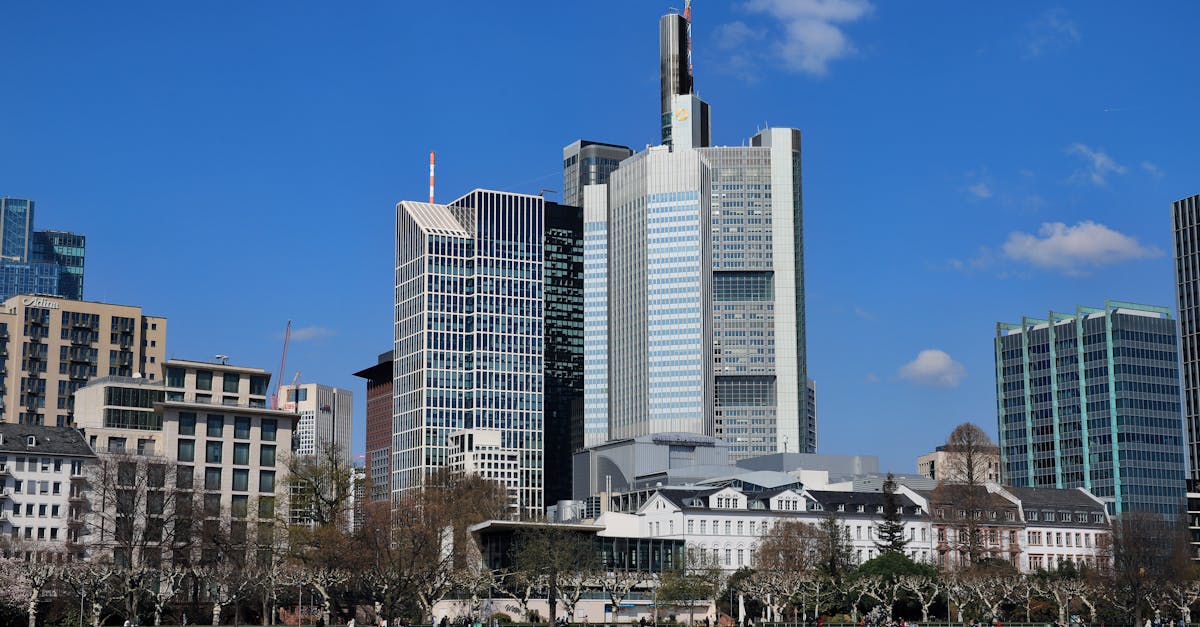
The best time to visit Frankfurt largely depends on your preferences for weather and activities. Spring (March to May) is particularly delightful, as the city comes alive with blooming flowers and moderate temperatures. This season attracts fewer tourists, allowing for a more relaxed experience while enjoying outdoor cafes and parks. Summer (June to August) brings warmer weather and a lively atmosphere, with numerous outdoor festivals and events. However, it can also mean larger crowds and higher accommodation prices, especially during popular events like the Frankfurt Book Fair in October.
Autumn (September to November) is another excellent time to visit, as the weather remains pleasant, and the fall foliage adds a beautiful touch to the city’s parks. This season is ideal for wine lovers, as nearby vineyards celebrate the grape harvest with festivals. Winter (December to February), while colder, transforms Frankfurt into a picturesque wonderland, especially during the Christmas markets. Although temperatures can drop, the festive atmosphere and warm Glühwein make it a cozy time to experience the city.
Where to Stay in Frankfurt#
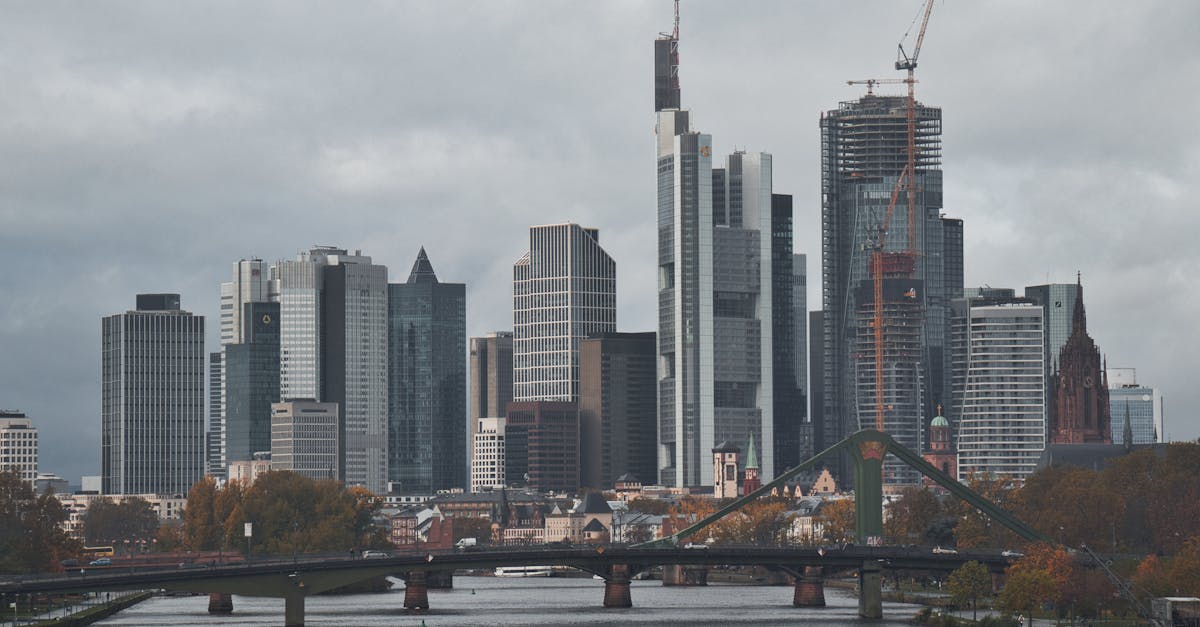
Frankfurt offers a range of accommodations to suit various budgets and preferences. The Altstadt (Old Town) is a fantastic area for travelers seeking charm and history, with cobblestone streets and proximity to major attractions. Here, you can find quaint guesthouses and boutique hotels that reflect the city’s historical essence. For those on a budget, Sachsenhausen is a lively neighborhood known for its affordable hostels and guesthouses, along with a lively nightlife scene.
If you prefer a mid-range option, consider the Westend district, which boasts a mix of residential tranquility and accessibility to cultural sites. This area features comfortable hotels that cater to both business and leisure travelers. For a touch of luxury, the Frankfurt City Center offers upscale accommodations with stunning views of the skyline and easy access to shopping and dining. This area is perfect for those looking to indulge in a more refined experience while still being at the heart of the city’s action.
Top Things to Do in Frankfurt#
A visit to Römer is essential for anyone wanting to grasp the historical significance of Frankfurt. This iconic medieval building, with its distinctive stepped gables, serves as the city’s town hall and is surrounded by picturesque squares and cafes, making it a perfect spot for photos and people-watching. Just a short walk away, the Frankfurt Cathedral (Kaiserdom) towers over the skyline, inviting visitors to explore its stunning Gothic architecture and climb the tower for panoramic views of the city.
Art lovers should not miss the Städel Museum, which houses an impressive collection of European masterpieces from the 14th century to contemporary works. The museum’s serene gardens provide a peaceful retreat after an afternoon of art appreciation. For those interested in modern architecture, a stroll along the Main Tower offers not only a chance to marvel at the city’s skyline but also access to an observation deck that provides stunning views, especially at sunset.
Nature enthusiasts will find solace in Palmengarten, Frankfurt’s botanical garden, where you can wander through diverse plant species housed in beautiful glasshouses. This oasis is perfect for a leisurely afternoon of exploration. The Senckenberg Natural History Museum is another fascinating stop, showcasing an extensive collection of fossils and dinosaur skeletons, making it a hit with families.
For a taste of local life, head to the Kleinmarkthalle, a busy market where you can sample regional specialties and fresh produce. This is the perfect place to interact with locals and get a feel for the city’s culinary scene. Don’t forget to visit the Goethe House, the birthplace of the famous writer Johann Wolfgang von Goethe, which gives insight into his early life and the literary culture of the time.
Finally, to truly appreciate the city’s connection to the Rhine, take a leisurely walk along the River Main. The promenade is dotted with benches and parks, making it an ideal spot to relax and watch the boats pass by. The view of the skyline from the riverbank is particularly striking at dusk, when the buildings are illuminated, creating a magical atmosphere.
Food and Dining Guide#

Frankfurt’s culinary scene reflects its diverse population and rich traditions. One worth trying dish is Frankfurter Würstchen, a smoked sausage that is typically served with mustard and bread. This local favorite is often enjoyed at street stalls and casual eateries, making it a perfect quick bite while exploring the city. Another essential dish is Handkäse mit Musik, a regional cheese served with onions and vinegar, often accompanied by a slice of rye bread. This tangy delicacy is a staple in local taverns.
For a heartier meal, consider trying Grüne Soße, a green sauce made from a mix of fresh herbs, which is traditionally served with boiled potatoes and hard-boiled eggs. This dish showcases the flavors of the region and is best enjoyed in the warmer months when herbs are at their peak. If you have a sweet tooth, Bethmännchen, a marzipan treat from Frankfurt, is a worth trying during the holiday season, but you can often find it year-round in local bakeries.
Street food is prevalent in Frankfurt, with markets and food stalls offering a variety of options. The Kleinmarkthalle is a great place to sample different local delicacies while enjoying the lively atmosphere. For a more formal dining experience, the city boasts a range of restaurants, from traditional German fare to international cuisine. Many establishments focus on seasonal ingredients, ensuring that each dish reflects the best of what the region has to offer.
Getting Around Frankfurt#

Frankfurt’s public transportation system is efficient and user-friendly, making it easy to navigate the city. The U-Bahn (subway) and S-Bahn (commuter trains) connect various neighborhoods and attractions, allowing you to explore without the hassle of driving. Purchasing a day pass can be a cost-effective way to travel if you plan to use public transport frequently. Biking is also popular, with numerous rental services available, allowing you to enjoy the city’s extensive bike paths.
Taxis are readily available, but they can be more expensive than public transport. If you prefer to walk, many of Frankfurt’s attractions are within a reasonable distance of each other, especially in the city center. For those considering a rental car, be aware that parking can be limited, and traffic can be busy during peak hours. In most cases, relying on public transport or walking will provide the most convenient way to experience the city.
Budget Breakdown#

Traveling in Frankfurt can fit a variety of budgets. For those on a budget, accommodation typically starts around $30-50 per night for hostels or budget hotels. Daily expenses for food can range from $15 to $30, depending on whether you opt for street food or casual dining. Public transportation costs are reasonable, with day passes available for around $10. Plan for around $60-100 a day if you’re looking to keep costs low.
Mid-range travelers might find accommodations ranging from $100 to $200 per night, often offering more comfort and amenities. Dining at casual restaurants or cafes can cost between $30 and $60 per day. Activities and entrance fees for attractions generally range from $10 to $20. A daily budget of $150-250 would allow for a comfortable experience with a mix of dining and activities.
For those seeking a luxury experience, accommodations can easily exceed $200 per night, especially in prime locations. Fine dining options can range from $60 to over $100 per meal. If you plan to indulge in guided tours or exclusive experiences, budget for an additional $50-100 for activities. Overall, a daily budget of $300 or more will provide a lavish experience in this dynamic city.
Travel Tips for Frankfurt#

Language is generally not a barrier in Frankfurt, as many residents speak English, especially in tourist areas. However, learning a few basic German phrases can enhance your experience and show respect to the locals.
Currency is the Euro, and while credit cards are widely accepted, having cash on hand is useful for small purchases, street food, or market stalls. ATMs are readily available throughout the city.
Safety is generally not a concern in Frankfurt, but like in any city, it is wise to stay aware of your surroundings and keep an eye on personal belongings, particularly in crowded areas.
Cultural etiquette is appreciated, especially in dining settings. Tipping is customary, typically around 10% of the bill, and it’s polite to greet staff with a friendly “Hallo” or “Guten Tag.”
Events and festivals can significantly affect accommodation prices and availability. If traveling during a major event, such as the Frankfurt Book Fair or Christmas markets, consider booking your stay well in advance to secure the best options.
Local transportation is efficient and punctual. Familiarize yourself with the tram and bus schedules to maximize your time exploring the city. Downloading a transportation app can help you navigate routes and schedules easily.
Exploring beyond the city is highly recommended. Frankfurt’s location allows for easy day trips to picturesque towns such as Heidelberg or Rüdesheim along the Rhine River, providing a broader experience of the region’s beauty and culture.