📌 Disclaimer
Prices, schedules, tour details, flight routes, visa requirements, and all other information on this page are based on data at the time of writing. Fares, availability, and policies may change. Please verify current details on the official website before booking.
Why Visit Foz do Iguacu#
The dense mist from the cascades settles on your eyelashes long before you catch your first glimpse of the falling water, carrying the faint, earthy scent of damp subtropical forest mixed with tropical pollen. Standing at the very edge of the South American triple frontier, this destination offers an encounter with one of the most powerful natural spectacles on the planet. Travelers arriving from the United States often expect a standard waterfall viewing platform, but instead, they find themselves enveloped in an immense protected park system where the sheer scale of the landscape dwarfs everything else in sight.
Beyond the famous cataracts, the region sits at the intersection of Brazil , Argentina , and Paraguay , creating a distinct cultural crossroads. Visitors can cross international borders within minutes to sample different legal, linguistic, and culinary traditions while using the Brazilian side as a comfortable, modern base. The surrounding region operates as a major hub for renewable energy, conservation biology, and cross-border trade, giving the city a functional, forward-thinking energy rather than a sleepy resort town atmosphere.
For American travelers seeking a seamless blend of wild nature and accessible infrastructure, this corner of Paraná state delivers exceptional value. Direct domestic flights from major Brazilian hubs like São Paulo and Rio de Janeiro make the journey straightforward, and the local tourism industry caters well to international visitors without losing its authentic character. Whether you choose to peer into the roaring gorge of the Devil’s Throat or spot toucans resting in the canopy, the destination leaves a lasting impression of raw environmental power.
Best Time to Visit Foz do Iguacu#
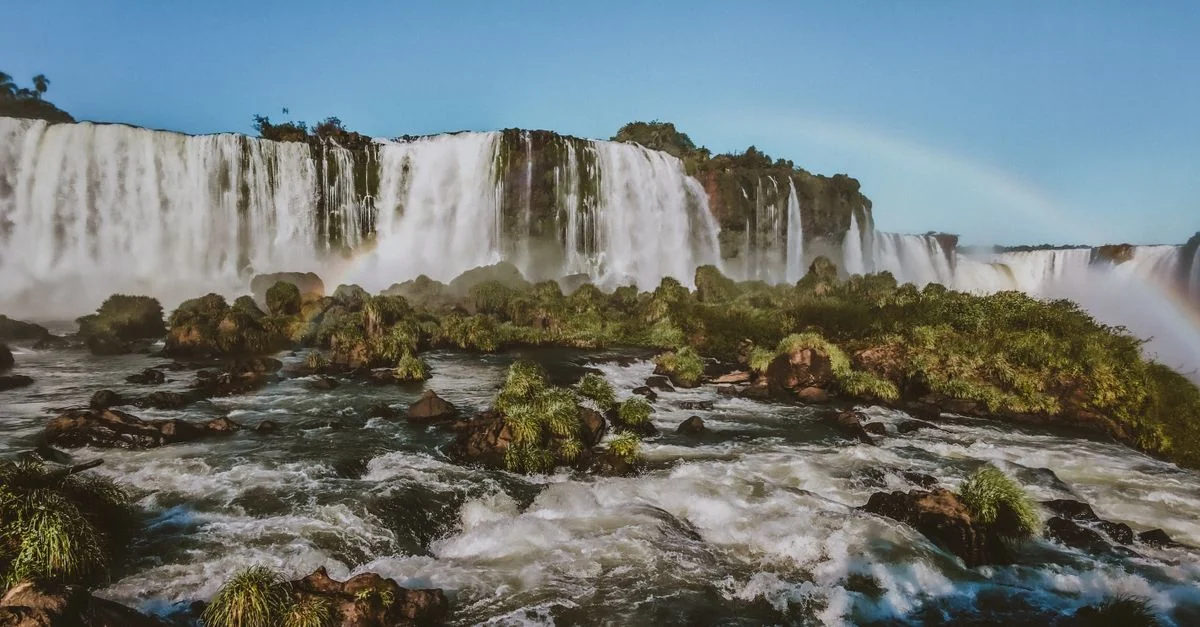
Planning your trip depends largely on whether you prefer lower water volumes with clear walking paths or peak wet-season drama when the rivers swell. The summer months spanning from December through February bring intense heat, high humidity, and frequent tropical downpours. During this period, daytime temperatures regularly exceed ninety degrees Fahrenheit, and visitor numbers spike due to domestic school holidays. If you travel during these warm months, expect higher prices for accommodation and busier park walkways, but you will witness the falls running at their absolute maximum capacity, sending up towering clouds of spray that drench everyone nearby.
The autumn shoulder season, stretching from March to May, offers arguably the most balanced weather conditions for American travelers. Temperatures cool down to comfortable daytime highs in the seventies and eighties, and the summer crowds dissipate significantly after the carnival period. Rainfall decreases, making trail walks much more pleasant, and local lodging providers often adjust their rates downward. Flight deals from the United States are also easier to secure during these months as air carriers transition to off-peak schedules.
Winter arrives between June and August, bringing crisp morning temperatures that can dip into the fifties, though afternoons usually warm up nicely under clear blue skies. This is the dry season, which means the water volume drops compared to summer, but the reduced mist actually improves visibility for photography and reduces the likelihood of rain interruptions. Prices remain moderate throughout the winter months, making it an attractive time for budget-conscious visitors. Spring returns in September and runs through November, bringing blooming native flora, warming temperatures, and manageable crowds before the heavy summer rains resume.
Where to Stay in Foz do Iguacu#
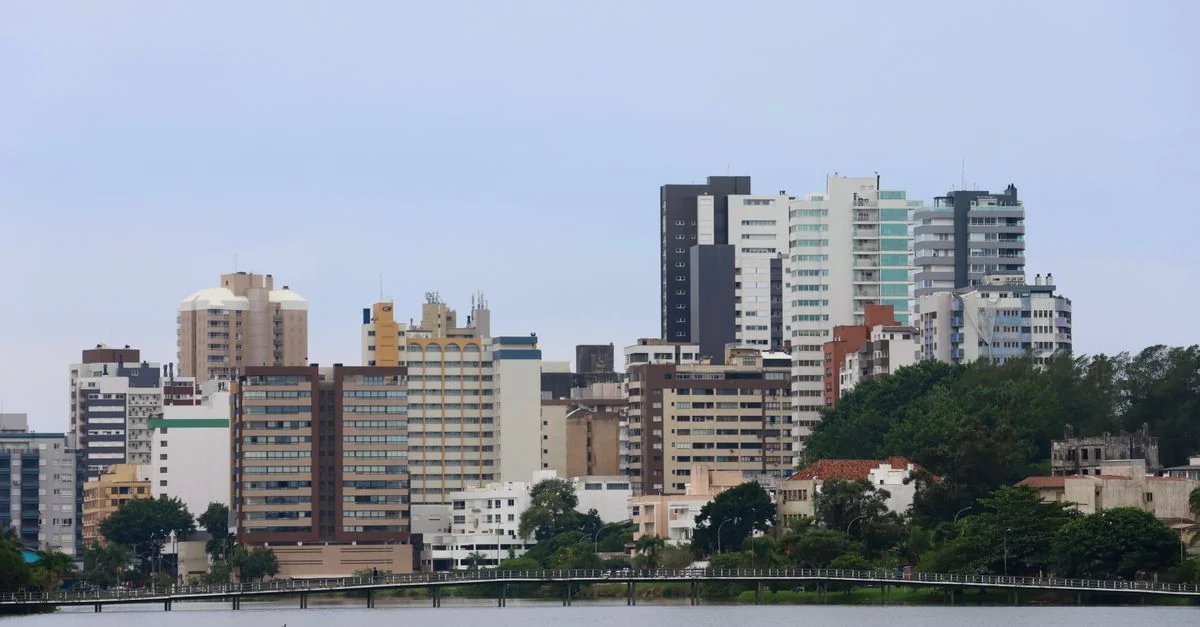
Choosing the right neighborhood in Foz do Iguacu shapes your daily routine and travel style. Travelers who prioritize direct proximity to the natural wonder often choose the Parque Nacional corridor, a leafy resort zone situated along the highway leading to the entrance of the Brazilian park. This area features upscale, sprawling properties where rooms sit surrounded by dense jungle vegetation, allowing guests to hear the distant roar of the water and spot coatis wandering the grounds. Accommodations in this luxury tier typically range from two hundred to four hundred dollars per night, offering quiet solitude and easy access to helicopter tours and park entry gates.
For those who prefer a walkable urban environment with easy access to restaurants, banks, and public transit, the Downtown Center provides the most practical base. This commercial core features a wide spectrum of mid-range options, including comfortable business hotels and independent guesthouses where standard rooms run between sixty and one hundred twenty dollars per night. Staying downtown puts you within steps of traditional churrascarias, local bakeries, and artisan shops, while city buses depart regularly from the central terminal toward the major attractions.
Budget travelers and backpackers frequently gravitate toward the Avenida das Cataratas corridor, particularly the sections closer to the Bird Park and the airport. This transit artery hosts a thriving collection of social hostels and affordable family-run lodges where dorm beds or private basic rooms can be found for thirty to sixty dollars per night. The location serves as a strategic compromise, keeping you equidistant from both the national park and the downtown commercial district while offering reliable access to highway shuttle services.
Top Things to Do in Foz do Iguacu#
Your primary focus will undoubtedly be the cascading wonder that gives the region its name. Entering the Brazilian side of the Iguazu National Park places you on a panoramic walkway that curves along the edge of the canyon, building up to the climax of the Garganta do Diabo, or Devil’s Throat. Here, walkways extend directly over the churning abyss where fourteen distinct waterfalls converge, creating an absolute wall of white water and a permanent atmospheric mist. For an entirely different perspective, visitors can take a short boat excursion known as Macuco Safari, where specialized rubber Zodiac vessels charge directly into the base of the roaring cascades, ensuring that every passenger gets completely soaked in the spray.
Away from the rushing water, the conservation initiatives in the area offer incredible wildlife viewing opportunities. The Parque das Aves, located just outside the national park gates, is a massive walk-in bird sanctuary dedicated to rescuing and rehabilitating toucans, macras, flamingos, and dozens of other tropical species that roam freely inside enormous netted aviaries. Further into the city, the Itaipu Dam stands as a monumental feat of binational engineering shared between Brazil and Paraguay, generating massive amounts of clean hydroelectric power. Visitors can take guided technical tours inside the cavernous concrete turbine rooms or view the spillway when the floodgates open to release surplus water.
To experience the unique geopolitical layout of South America, head to the Three Borders Landmark, where the borders of Brazil, Argentina, and Paraguay meet at the confluence of the Iguazu and Paraná rivers. This cultural space features historical markers, nightly light shows, and colonial-style architecture representing the heritage of all three nations, accompanied by traditional music and dance performances. For a quieter escape, the Buddhist Temple Chen Tien sits on a quiet hilltop overlooking the city, featuring dozens of large, serene Buddha statues and manicured gardens that offer a peaceful counterpoint to the thunderous energy of the waterfalls.
Food and Dining Guide#
Dining in this border region reflects a delicious collision of traditional southern Brazilian ranch culture and international influences brought by nearby neighbors. The undisputed king of local proteins is Churrasco, a style of open-fire barbecue where servers circulate through dining rooms with massive skewers of picanha, ribeye, and lamb, carving meat directly onto your plate. Accompanying these heavy meat feasts are side dishes like Farofa, toasted cassava flour pan-fried with butter, garlic, and bacon, which adds a crunchy, savory texture to every bite.
Regional comfort food also heavily features Pão de Queijo, warm, chewy cheese rolls made from sour cassava starch that appear at almost every breakfast buffet and afternoon coffee break. For a sweet finish or an energizing afternoon snack, locals frequently order bowls of Açaí Na Tigela, thick blended purple berry purée topped with fresh sliced banana, granola, and condensed milk. You will find this refreshing treat served at dedicated juice bars throughout the commercial center, providing a much-needed energy boost during hot afternoon walking tours.
When deciding where to eat, the city offers a clear divide between casual street food and formal dining establishments. Traditional steakhouses clustered around the downtown avenues operate on a fixed-price rodízio model, allowing guests to sample unlimited cuts of meat alongside extensive hot and cold buffet bars. For a quicker, budget-friendly meal, look for neighborhood lanchonetes serving Pastéis, deep-fried pastry turnovers stuffed with minced meat, cheese, or hearts of palm, best paired with an iced cup of fresh sugarcane juice.
Getting Around Foz do Iguacu#
Navigating the city and its surrounding parks requires understanding the local transit ecosystem, as attractions are spread across a wide geographic area. The municipal public bus system is efficient, affordable, and heavily utilized by both locals and budget travelers. Line 120 departs regularly from the central bus terminal downtown, stopping directly at the airport, the Bird Park, and the entrance of the Brazilian national park, making it the most cost-effective way to reach the natural wonders without a personal vehicle.
For travelers who value convenience and time efficiency, official metered taxis and rideshare applications operate extensively throughout the municipality. Rideshare services like Uber offer transparent pricing and eliminate the need to negotiate fares in a foreign language, though wait times can occasionally stretch during peak afternoon exit hours from the park. Taxis are readily available at designated stands outside hotels, the airport, and major tourist attractions, often offering fixed flat rates for trips to the international border crossings.
Renting a car is an option for visitors planning to explore independently across international boundaries into Argentina or Paraguay, though cross-border paperwork requires specific rental agency authorization and supplemental insurance. If you stay on the Brazilian side, a rental car provides ultimate flexibility for early morning departures to the trails, but parking fees at popular sites and heavy downtown traffic during rush hour can introduce minor frustrations that make public transit or rideshares an easier alternative.
Budget Breakdown#
Understanding local pricing structures helps American travelers plan their finances accurately, with costs varying significantly depending on your comfort tier. Budget travelers keeping a close eye on expenses can comfortably manage on a daily budget of forty to seventy dollars. This tier assumes staying in shared hostel dorms or basic guesthouses, eating simple meals at local bakeries or self-service restaurants, and utilizing public buses for all transportation needs while prioritizing low-cost cultural sites.
Mid-range travelers can expect daily expenditures ranging from one hundred twenty to two hundred fifty dollars per person. This comfortable bracket covers private rooms in well-rated downtown hotels, sit-down dinners at traditional steakhouses with local wine, occasional rideshare rides for convenience, and standard admission fees for major attractions like the national park, bird sanctuary, and dam tours.
Luxury travelers looking for premium experiences will generally spend upwards of three hundred fifty dollars per day and well beyond. This elevated tier includes accommodations in sprawling jungle resorts near the park entrance, private guided park tours, helicopter flights over the cataracts, fine dining at upscale establishments, and private car service for all airport transfers and cross-border excursions.
Travel Tips for Foz do Iguacu#
Visa Requirements demand careful advance planning, as passport holders from the United States need to secure proper authorization before arrival in Brazil. Check the latest diplomatic regulations regarding electronic visitor permits well ahead of your departure date to avoid unexpected border complications at the airport.
Currency Management is straightforward since the Brazilian Real is the standard legal tender, but carrying a small amount of cash is essential for small vendors, street food stalls, and bus fares. Credit cards are widely accepted at hotels, restaurants, and ticket counters throughout the urban center and major tourist attractions.
Park Preparation requires waterproof gear, insect repellent, and comfortable walking shoes because the intense humidity and constant mist near the waterfalls will soak through ordinary clothing within minutes. Bringing a sturdy rain poncho or a dry bag for your electronics prevents water damage while navigating the pedestrian walkways near the Devil’s Throat.
Border Crossing Etiquette is crucial if you plan to visit the Argentine side of the cataracts or make a quick shopping trip into Paraguay. Always carry your physical passport with you in a secure pouch, and verify whether the country you are entering requires a specific consular entry stamp before joining the immigration vehicle queues.
Language Barriers exist in casual neighborhood settings where Portuguese is spoken almost exclusively, though staff at major hotels, airline desks, and prominent tourist sites generally communicate well in English and Spanish. Downloading a basic offline translation application on your phone helps smooth out interactions when ordering food or asking for transit directions.
Sun Protection is vital due to the strong subtropical sun shining down on open walkways and water surfaces. Pack high-SPF sunscreen, polarized sunglasses, and a wide-brimmed hat to shield yourself from UV rays that reflect intensely off the rocky canyon walls and rushing river spray.
📌 Disclaimer
Prices, schedules, tour details, flight routes, visa requirements, and all other information on this page are based on data at the time of writing. Fares, availability, and policies may change. Please verify current details on the official website before booking.
📌 More about Foz do Iguacu