📌 Disclaimer
Prices, schedules, tour details, flight routes, visa requirements, and all other information on this page are based on data at the time of writing. Fares, availability, and policies may change. Please verify current details on the official website before booking.
Why Visit Fortaleza?#
The scent of salt, grilled shrimp, and roasted cashews hangs thick in the equatorial air, drifting off the Atlantic and over the sprawling avenues of northeastern Brazil . Fortaleza offers an authentic slice of Brazilian coastal life that remains largely untouched by the mass-market tourism found further south in Rio de Janeiro or São Paulo. It is a city where afternoon sea breezes offer relief from the tropical heat, and the rhythm of forró music spills out from beachside kiosks long after the sun dips below the horizon. For American travelers seeking a destination that trades manufactured resorts for genuine local culture, endless stretches of sand, and a slower pace of coastal living, this metropolis delivers a standout tropical escape.
Beyond the urban shoreline, Ceará serves as a gateway to some of the most dramatic coastal landscapes in South America. Towering red sand dunes, calm lagoons nestled between desert-like expanses, and fishing villages where wooden sailboats still launch at dawn make this region a popular with outdoor exploration. The local population takes immense pride in their traditions, from intricate lace-making to a distinct comedic style that permeates local television and theater. Visiting here means trading the familiar constraints of North American routine for a daily schedule dictated by the tides, oceanfront strolls, and the pursuit of the next great coconut water stand.
Best Time to Visit Fortaleza#
Planning a trip to Ceará requires understanding the regional climate, which differs significantly from the four-season calendar familiar to most Americans. The dry season runs from July through December, making these months the most popular time to visit. During this period, afternoon temperatures hover in the high eighties Fahrenheit, steady coastal winds keep the humidity manageable, and rainfall is minimal. August through November brings peak wind conditions, drawing windsurfers and kitesurfers from across the globe, which translates to busier beaches and higher lodging rates, particularly around school holiday periods in Brazil.
The rainy season arrives between January and June, with March and April typically experiencing the heaviest downpours. Traveling during these months brings lower hotel prices and fewer crowds at major attractions, though afternoon tropical storms can disrupt outdoor plans. Temperatures remain warm year-round, rarely dropping below seventy-five degrees Fahrenheit even at night. Travelers seeking the ideal balance of sunshine, manageable crowds, and reasonable pricing should target the shoulder months of May, June, or July, just as the rains taper off and the steady trade winds begin to pick up.
Where to Stay in Fortaleza#
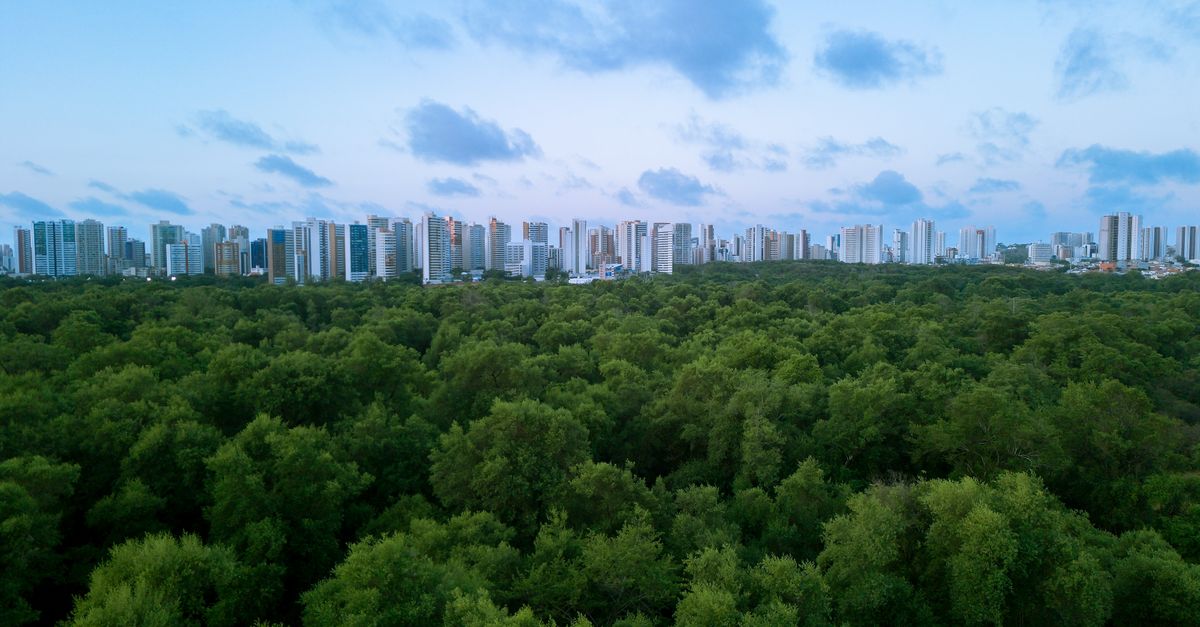
Choosing where to lay your head depends heavily on your travel style, as the city’s neighborhoods offer distinct atmospheres. Beira Mar serves as the primary coastal strip, making it the most practical choice for first-time visitors who want immediate access to the ocean and evening markets. Accommodations here range from upscale high-rise properties with rooftop pools to mid-range apartment-style rentals. Nightly rates for mid-range options typically span $60 to $120 USD, while luxury stays overlooking the Atlantic can run upwards of $200 USD per night. The area is highly walkable, well-lit at night, and packed with dining options just steps from the sand.
Just east of the main tourist drag, Meireles offers a slightly more residential yet equally convenient environment. This neighborhood features tree-lined streets, local bakeries, and quiet residential buildings mixed with boutique lodgings. Budget-conscious travelers can find clean, comfortable guesthouses and hostels here starting around $30 to $50 USD per night. Meireles maintains a relaxed daytime vibe while keeping visitors within a short taxi or rideshare trip from the busier nightlife districts.
For travelers prioritizing nightlife, craft beer bars, and a bohemian arts scene, Praia de Iracema provides an edgy, historic alternative. Architecture here leans toward fading art deco facades and colonial-era buildings converted into cultural centers. Lodging leans toward budget hostels and creative independent inns, appealing strongly to backpackers and younger tourists. While the beach here is less suited for swimming compared to the stretches further east, the neighborhood compensates with poetry readings, live music venues, and an energetic street life that continues well past midnight.
Further down the coast, Varjota acts as the culinary heart of the city rather than a beachfront retreat. While not directly on the ocean, staying in this neighborhood places you within walking distance of dozens of top-tier restaurants and open-air bars. Accommodations here tend to be modern mid-range business hotels catering to culinary tourists and locals escaping the busier tourist zones.
Top Things to Do in Fortaleza#
Begin your exploration along Beira Mar, the expansive seaside promenade that stretches for miles along the Atlantic. Strolling this wide walkway at sunset reveals locals jogging, families eating ice cream, and the early setup of the famous artisan night market. The Central Market (Mercado Central) provides a complete immersion into regional craftsmanship, housed in a multi-story building where vendors sell everything from hand-woven hammocks and embroidered clothing to bottles of local cachaça infused with herbs and honey. Navigating the narrow aisles requires patience, but the quality of the regional art and textiles makes it an ideal spot for acquiring authentic souvenirs.
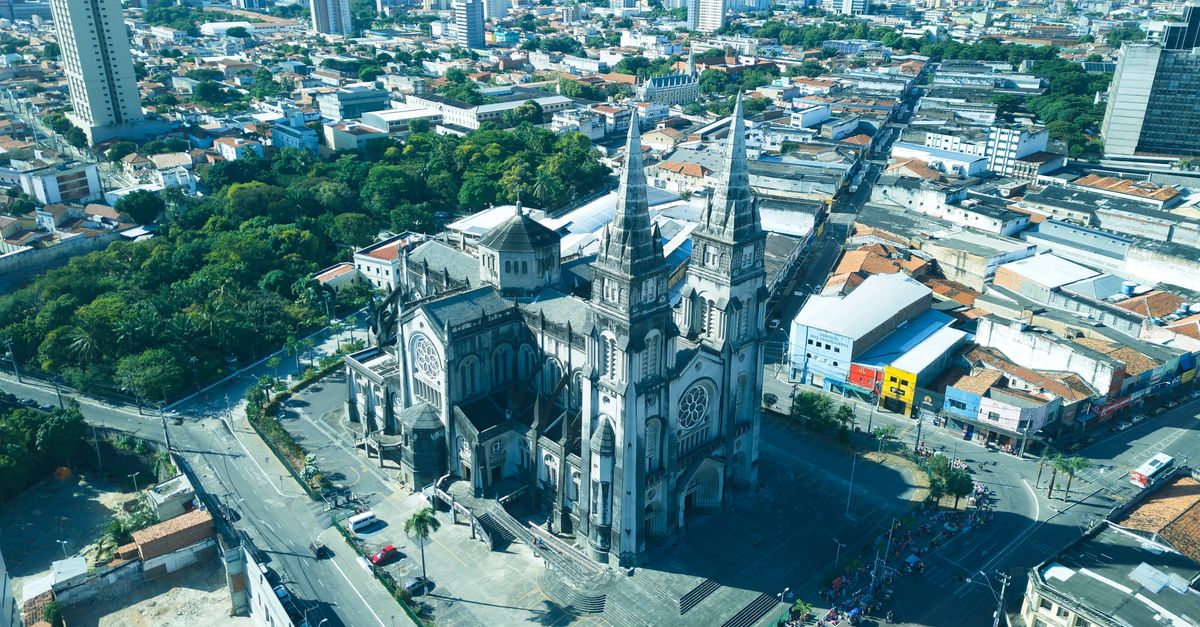
For a dose of local history and architecture, head to Fortaleza de Nossa Senhora da Assunção, the 17th-century Dutch-built fortress that gave the city its name. Operated by the Brazilian military, parts of the historic bastion are open to visitors, offering a glimpse into the colonial conflicts that shaped the northeast. Just a short walk away stands the Metropolitan Cathedral, a towering Gothic-revival structure with soaring stained-glass windows that cast colorful light across the cavernous interior, providing a quiet respite from the tropical sun outside.
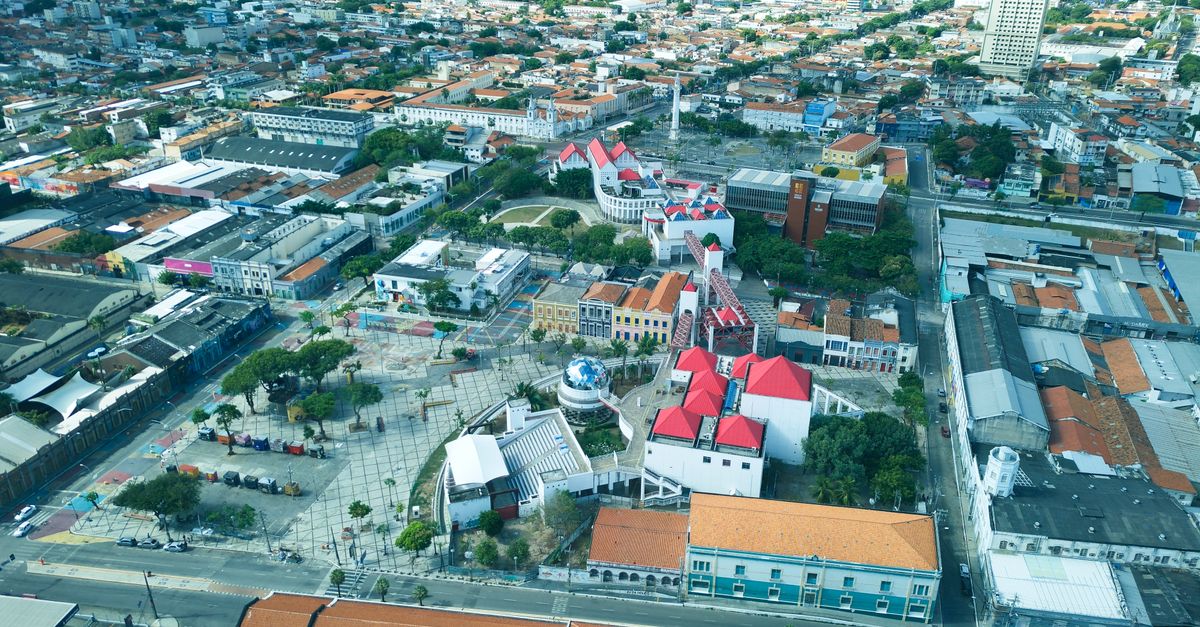
Art enthusiasts should carve out an afternoon for the Centro Dragão do Mar de Arte e Cultura, a sprawling cultural complex featuring modern galleries, planetarium shows, two theaters, and buzzing open-air plazas. The distinct architecture, featuring spherical planetarium domes and elevated walkways, hosts regular concerts and exhibitions highlighting northeastern artists. Nearby, the Museum of the Ceara Image and Sound preserves the visual history of the state through vintage photographs, regional films, and historical archives.
Venture beyond the central urban core to Praia do Futuro, a stretch of golden sand famous for its massive beach huts, locally known as barracas. These are not simple snack shacks, but expansive culinary complexes featuring swimming pools, live music stages, and massive restaurant operations where you can spend an entire day lounging under thatched umbrellas. On Thursday nights, the entire city seems to migrate to this beach for the legendary crab night, where communal tables overflow with freshly caught local crustaceans.
For a change of pace, take a day trip just outside city limits to Sabiaguaba National Park, a protected coastal ecosystem where mangroves meet rolling sand dunes. Wooden boardwalks allow visitors to hike through the wetlands without disturbing the local wildlife, offering a serene contrast to the energetic pace of the city beaches. Further down the coast, the dramatic dunes of Morro Branco reveal a labyrinth of colorful cliffs displaying dozens of distinct shades of natural sand, perfect for guided buggy tours that traverse the coastline at high speeds.
Food and Dining Guide#
The gastronomy of Ceará relies heavily on fresh seafood, tropical fruits, and hearty indigenous ingredients that reflect the harsh climate of the arid interior combined with the bounty of the Atlantic. A quintessential introduction to local flavors is Caranguejo, or fresh land crab, which is traditionally boiled with garlic, salt, and peppers and cracked open at the table using small wooden mallets. This ritualistic meal is a staple of weekend beach gatherings, best accompanied by a very cold local beer.
Another regional heavyweight is Baião de Dois, a comforting combination of rice, black-eyed peas, curdled cheese, and crispy bits of pork or sun-dried beef. This dish provides a rich, savory counterpoint to lighter coastal fare and appears on lunch menus across the city. For meat lovers, Carne de Sol—sun-cured beef that is lightly salted and air-dried before being pan-fried in butter—is an absolute must. It is typically served with roasted cassava flour, boiled yuca, and plantains, creating a rustic, filling plate that showcases traditional ranching cuisine.
Seafood lovers will find paradise in Moqueca Cearense, a fragrant fish stew simmered in coconut milk, dendê oil, bell peppers, tomatoes, and cilantro. Unlike versions found in Bahia or Espírito Santo, the Ceará preparation often incorporates regional peppers and local white fish freshly reeled in from nearby waters. To cool down from the intense afternoon heat, seek out fruit stands offering Cajuína, a clarified, golden beverage made from cashew apples that boasts a naturally sweet and astringent flavor profile unique to the Brazilian northeast.
Dining options range widely between casual street food stalls and upscale dining rooms. Street vendors and neighborhood kiosks excel at frying up Tapioca, a gluten-free crepe made from hydrated cassava starch and folded over fillings like shredded chicken, catupiry cheese, or sweetened condensed milk with coconut. For a sit-down meal, the Varjota neighborhood houses sophisticated establishments focusing on contemporary interpretations of northeastern recipes, while the beach huts of Praia do Futuro serve massive platters of fried fish and shrimp directly to your sun lounger.
Getting Around Fortaleza#
Navigating the city requires a mix of transportation strategies depending on your destination and comfort level with local transit. Public buses are extensive, incredibly cheap, and heavily utilized by residents, but navigating the routes without fluent Portuguese can prove challenging for first-time American visitors. Buses can also become crowded during morning and evening rush hours, making them less ideal for travelers hauling luggage or traveling with tight schedules.
Rideshare applications like Uber and 99 operate extensively throughout the city and represent the most practical, cost-effective, and secure option for tourists. Rides between major neighborhoods like Meireles and Praia de Futuro typically cost just a few dollars, and the digital payment system eliminates the need to negotiate fares or worry about language barriers. Traditional taxis are also widely available outside major hotels and attractions, operating on meters that start at fixed base rates.
Walking is safe and pleasant along the well-traveled coastal avenues like Beira Mar, particularly during the day and early evening when crowds are heavy. However, venturing into unfamiliar residential neighborhoods or walking on unlit side streets after dark is discouraged. Renting a car is generally unnecessary if you plan to stay within the city center, as parking can be scarce and traffic can be chaotic. If you plan to explore distant coastal destinations like Jericoacoara or Canoa Quebrada, renting a 4x4 vehicle or booking a regulated excursion through a local agency is the safest and most efficient choice.
Budget Breakdown#
Traveling through Ceará offers exceptional value for American tourists, as the exchange rate generally favors the U.S. dollar, stretching your vacation funds significantly further than destinations in Western Europe or North America . Budget travelers staying in hostels or basic guesthouses, eating at local market stalls or neighborhood bakeries, and utilizing rideshares or public buses can easily manage on $40 to $70 USD per day. This tier allows for basic accommodation, hearty local meals, and entry fees to municipal attractions.
Mid-range travelers can expect daily expenditures ranging from $100 to $200 USD per person. This budget covers a comfortable private room in a well-located hotel in Meireles or Beira Mar, sit-down meals at regional restaurants featuring seafood and local drinks, occasional taxi rides, and organized day trips or buggy tours along the coast. At this level, you can comfortably enjoy the beach hut culture without closely monitoring every expense.
Luxury travelers will find that high-end budgets starting around $250 to $400+ USD per day unlock top-tier coastal resorts, fine dining in Varjota, private guided tours with English-speaking drivers, and pampering spa treatments. Even at the highest tier, luxury accommodations and gourmet dining cost a fraction of equivalent experiences in major North American or European metropolitan areas, making Fortaleza an attractive destination for travelers seeking high-end comfort without exorbitant price tags.
Travel Tips for Fortaleza#
Safety Awareness is essential when exploring any major Brazilian city. Leave expensive jewelry, luxury watches, and bulky camera equipment in your hotel safe when walking around. Keep your smartphone tucked away rather than walking while staring at a map, and use rideshare apps directly from inside buildings or well-lit restaurants rather than flagging them down on isolated corners.
Sun Protection is non-negotiable due to the city’s proximity to the equator. The tropical sun is intensely powerful, and coastal breezes can trick you into thinking the temperature is milder than it actually is. Pack high-SPF sunscreen, polarized sunglasses, a wide-brimmed hat, and lightweight linen or cotton clothing that covers your skin during the peak midday hours.
Language Barriers can be expected in everyday situations, as English is rarely spoken outside of major international hotels and high-end tour agencies. Downloading a reliable offline translation app before departure will save you considerable frustration when reading menus, negotiating with market vendors, or interacting with rideshare drivers. Simple gestures, polite smiles, and basic Portuguese greetings go a long way in bridging the communication gap.
Hydration Habits require mindfulness when it comes to local water sources. Do not drink tap water; instead, rely strictly on bottled water for drinking and brushing your teeth. Fortunately, fresh coconut water is sold on nearly every street corner, served straight from the green shell with a straw, providing a safe, natural, and exceptionally refreshing electrolyte boost throughout the day.
Tipping Culture differs significantly from the customs practiced in the United States . Most restaurants automatically add a ten percent service charge, known locally as taxa de serviço, directly onto the bill. While this covers the standard tip, you can leave a small additional cash amount of a few real if the service was exceptional, though it is never strictly required.
Bargaining Etiquette is expected at open-air artisan markets like the Central Market or beachside stalls, but completely inappropriate in traditional retail shops, restaurants, and grocery stores. When negotiating with craft vendors, aim for a friendly, conversational tone rather than aggressive haggling, keeping in mind that these items represent the livelihood of local artisans and families.
📌 Disclaimer
Prices, schedules, tour details, flight routes, visa requirements, and all other information on this page are based on data at the time of writing. Fares, availability, and policies may change. Please verify current details on the official website before booking.
📌 More about Fortaleza