📌 Disclaimer
Prices, schedules, tour details, flight routes, visa requirements, and all other information on this page are based on data at the time of writing. Fares, availability, and policies may change. Please verify current details on the official website before booking.
Why Visit Fiordland & Milford Sound?#
The air is fresh and crisp, filled with the scent of damp earth and the distant roar of waterfalls cascading down steep cliffs. Fiordland and Milford Sound, located in the southwestern corner of New Zealand ’s South Island, present an awe-inspiring landscape where mountains meet the sea. Towering peaks, lush rainforests, and deep fjords create a dramatic backdrop that captivates visitors. This region is renowned for its stunning natural beauty, attracting nature lovers, photographers, and adventurers alike.
The unique topography of this area has earned it a spot on the UNESCO World Heritage list, showcasing its ecological significance. Here, you can encounter a wide array of wildlife, from playful dolphins and seals to the elusive kiwi bird. The dynamic weather adds to the allure, with rain often transforming the landscape into a spectacle of waterfalls, while sunny days reveal breathtaking views of the fjords. Whether you’re seeking tranquility or adventure, Fiordland and Milford Sound offer experiences that resonate deeply with all who visit.
Best Time to Visit Fiordland & Milford Sound#
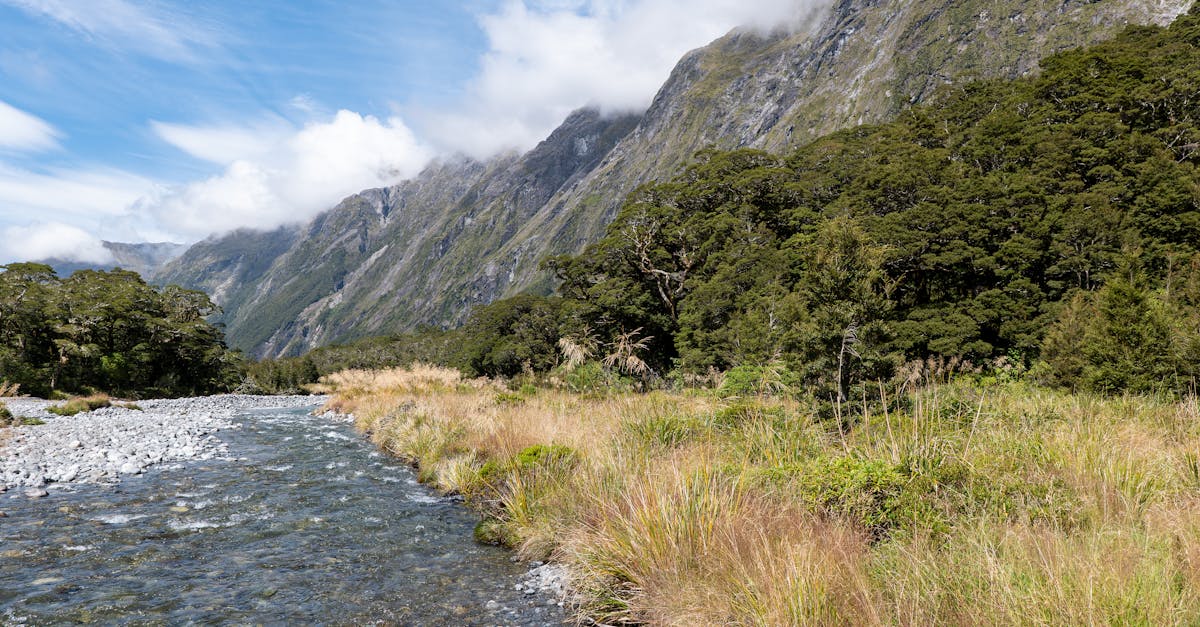
Fiordland experiences a temperate maritime climate, leading to distinct seasonal variations. The summer months from December to February are the most popular for travelers, with temperatures ranging from the mid-60s to mid-70s Fahrenheit. This season allows for long daylight hours and a range of outdoor activities, but it can also draw larger crowds, particularly in January.
Autumn, from March to May, brings cooler temperatures and stunning fall colors. This is a fantastic time to visit if you prefer fewer tourists and are willing to brave the occasional rain shower. Daytime temperatures usually hover around the mid-50s to low-60s.
Winter, from June to August, is marked by colder weather, often dipping into the 30s at night, with daytime highs in the low 50s. While some hikes may be less accessible, this season offers a peaceful solitude and the chance to see snow-capped peaks.
Spring (September to November) sees temperatures gradually warming, with the landscape bursting into bloom. Expect daytime highs in the 50s to low 60s, and while the weather can be unpredictable, the combination of fewer tourists and blossoming flora makes it an appealing time to explore.
Where to Stay in Fiordland & Milford Sound#
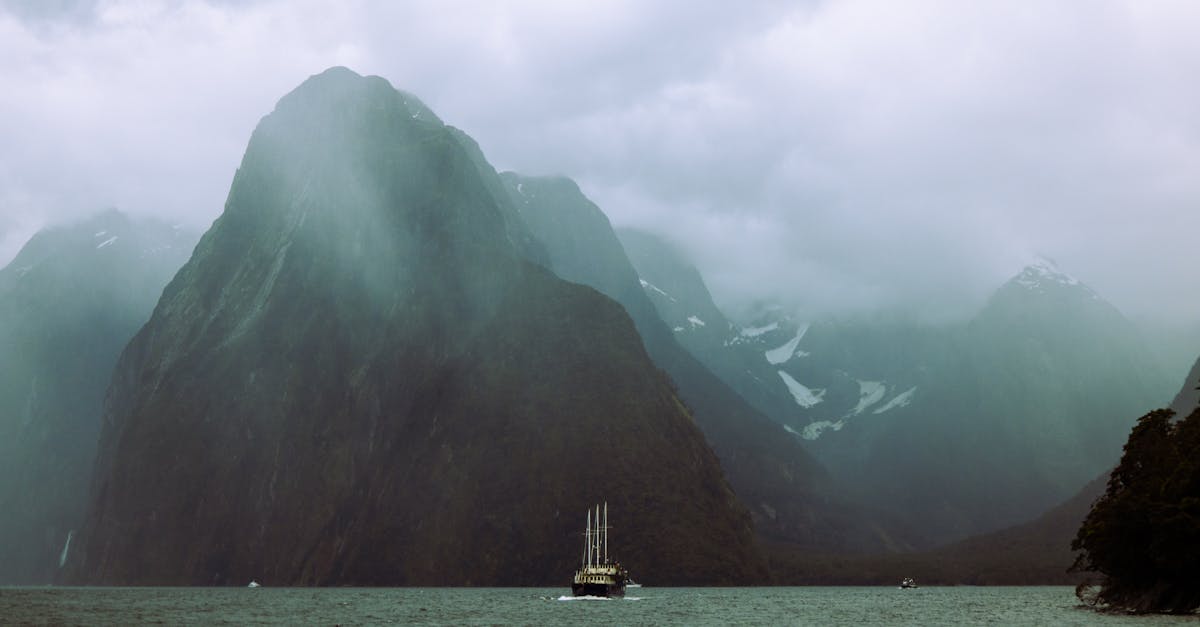
Accommodations in Fiordland and Milford Sound cater to a range of budgets and preferences. For those on a budget, camping or staying in hostels can be a great option, especially in Te Anau, the gateway town to Fiordland. Here, friendly hostels offer shared and private rooms, allowing you to connect with fellow travelers while keeping costs low.
Mid-range options abound, with cozy lodges and motels providing comfortable amenities and easy access to the region’s attractions. Many of these accommodations offer stunning views of Lake Te Anau or the surrounding mountains, making them ideal for relaxation after a day of exploration.
For travelers seeking luxury, Fiordland boasts some upscale lodges that provide a high level of comfort and service. These establishments often feature gourmet dining and spa services, allowing guests to unwind in style while enjoying panoramic views of the fjords and mountains.
Top Things to Do in Fiordland & Milford Sound#
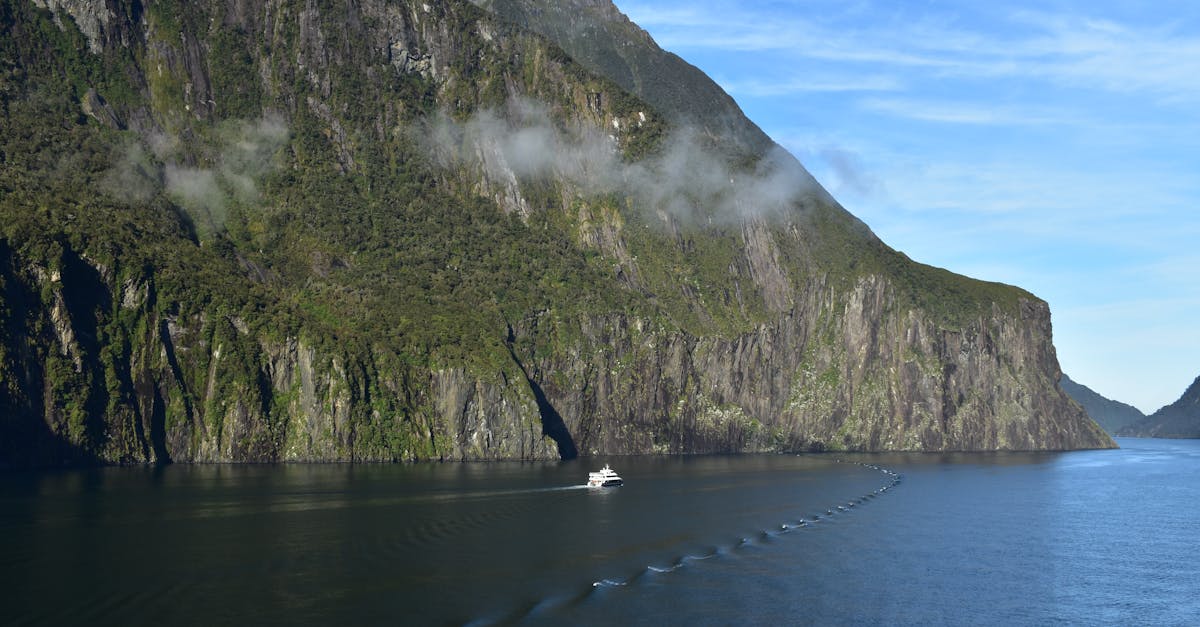
Exploring Milford Sound is a must, where you can take a scenic cruise to see towering cliffs and majestic waterfalls like Stirling Falls and Bowen Falls. The cruise offers a chance to spot wildlife, including dolphins and seals, while the dramatic scenery is simply breathtaking.
If you’re looking for a different perspective, consider a kayaking tour in Milford Sound. Paddling through the calm waters allows for a more intimate experience with the fjord’s natural beauty. Kayakers often find themselves surrounded by towering cliffs and cascading waterfalls, creating a serene atmosphere.
For those interested in hiking, the Milford Track is one of New Zealand’s Great Walks, renowned for its stunning scenery. This multi-day trek takes you through lush rainforests, over mountain passes, and past glacial lakes. If a multi-day hike isn’t feasible, the Kepler Track, which starts near Te Anau, offers day hike options with breathtaking views and varied terrain.
In Te Anau, the Te Anau Glowworm Caves offer a magical underground experience. Guided tours take you through limestone caves illuminated by bioluminescent glowworms, creating a surreal atmosphere. This captivating tour is perfect for families and those interested in unique natural phenomena.
For a taste of the region’s history, visit the Fiordland National Park Visitor Centre in Te Anau. Here, you can learn about the area’s natural history, conservation efforts, and the cultural significance of Fiordland to the Māori people.
Doubtful Sound, often considered a more tranquil alternative to Milford Sound, is accessible via a scenic ferry ride and bus journey. The remoteness and stunning scenery make it ideal for those looking to escape the crowds while still enjoying the breathtaking fjord landscape.
Fishing enthusiasts will find opportunities in both Te Anau and Milford Sound. Whether you prefer fly fishing in the local rivers or deep-sea fishing in the fjords, the region offers diverse options to reel in a catch.
Lastly, don’t miss the chance to visit Manapouri Lake, known for its stunning scenery and opportunities for boating and kayaking. The area is also a great spot for birdwatching, with various native species calling it home.
Food and Dining Guide#
Fiordland’s dining scene reflects the region’s natural bounty, with fresh ingredients often sourced locally. While in Te Anau, don’t miss trying the Green-lipped mussels. These succulent shellfish are a local delicacy and can often be found in various preparations at local restaurants.
For a heartier meal, consider sampling venison, which is frequently featured on menus across the region. This game meat is typically prepared with seasonal vegetables and rich sauces, offering a taste of New Zealand’s wild landscapes.
If you’re in the mood for something casual, grab a meat pie from one of the local bakeries. These savory pastries are a staple in New Zealand and come in an array of fillings, from classic minced meat to gourmet options with vegetables and cheeses.
For a sweet treat, indulge in pavlova, a meringue-based dessert topped with fresh fruits and cream. This iconic Kiwi dessert is a worth trying and is often served at local cafés and restaurants.
Street food options are also available, especially during the summer months when local markets pop up. You might find stalls offering fresh seafood, artisan cheeses, and homemade jams, perfect for a picnic while exploring the stunning landscapes.
Getting Around Fiordland & Milford Sound#
Getting around Fiordland and Milford Sound can be straightforward with a bit of planning. Many travelers choose to rent a car, which allows for flexibility in exploring the region at your own pace. The drive from Te Anau to Milford Sound is particularly scenic, with numerous lookout points along the way.
Public transportation is available, with bus services connecting Te Anau to Milford Sound. These buses often include guided commentary, providing insights into the landscape and history of the area. This option is ideal for those who prefer not to drive but still want to experience the stunning scenery.
Walking is a fantastic way to explore the towns of Te Anau and Manapouri. Both towns are small and pedestrian-friendly, with plenty of shops, cafés, and waterfront areas to enjoy.
If you’re looking for a more immersive experience, consider booking guided tours that include transportation. Many tour operators offer packages that combine activities such as cruises, hikes, and sightseeing, making it easy to experience the best of Fiordland without the hassle of planning every detail.
Budget Breakdown#
When planning your trip to Fiordland and Milford Sound, it’s essential to consider your budget. For budget travelers, daily expenses can range from $80 to $150. Accommodation in hostels or campgrounds typically starts around $30-50 per night, while meals at casual eateries can be found for $10-20. Activities like hiking are often free, but guided tours can add to your costs.
Mid-range travelers can expect to spend between $150 to $300 daily. Comfortable motels or lodges usually cost around $100-150 per night, and dining at mid-range restaurants might run you $20-40 per meal. Activities such as scenic cruises or guided tours can range from $50 to $150, depending on the experience.
Luxury travelers should budget upwards of $300 per day. Upscale accommodations can start at $200 per night, with fine dining experiences averaging $50-100 per meal. Exclusive tours or private charters in Milford Sound can significantly increase your budget, but they offer an unparalleled way to experience the area.
Travel Tips for Fiordland & Milford Sound#
Weather Preparedness is crucial when visiting Fiordland, known for its rapidly changing weather. Be sure to pack layers, including waterproof gear, as rain can appear unexpectedly even in summer.
Advance Bookings are highly recommended, especially during the peak summer months. Accommodations, tours, and popular activities can fill up quickly, so securing your plans ahead of time can alleviate stress.
Respect Nature by following the Leave No Trace principles. Fiordland is a pristine environment, and it’s vital to preserve its beauty for future generations. Always dispose of waste properly and stick to marked trails.
Plan for Limited Connectivity, as cell service can be spotty in remote areas. Download maps and information before your trip, and consider carrying a physical map for navigation.
Stay Hydrated and Nourished during your adventures. While there are dining options in towns, having snacks and water on hand is essential, especially during hikes or long drives.
Engage with Locals to gain insights and recommendations. New Zealanders are known for their friendliness, and chatting with locals can enhance your experience and provide tips on lesser-known attractions.
Be Mindful of Wildlife when exploring the region. Keep a respectful distance from animals and do not feed them, as this can disrupt their natural behaviors and habitat.
Fiordland and Milford Sound promise a remarkable experience, where the natural world takes center stage. Embrace the beauty, adventure, and tranquility of this stunning part of New Zealand, creating memories that will last long after your journey ends.
📌 Disclaimer
Prices, schedules, tour details, flight routes, visa requirements, and all other information on this page are based on data at the time of writing. Fares, availability, and policies may change. Please verify current details on the official website before booking.
📌 More about Fiordland & Milford Sound