📌 Disclaimer
Prices, schedules, tour details, flight routes, visa requirements, and all other information on this page are based on data at the time of writing. Fares, availability, and policies may change. Please verify current details on the official website before booking.
Why Visit Falmouth?#
The heavy scent of damp limestone and crushed sugarcane hangs in the warm morning air as the gentle Caribbean breeze sweeps through the Georgian-style squares of Falmouth . Positioned along Jamaica ’s northern coast in the parish of Trelawny, this historic town offers a distinct alternative to the busier resort hubs nearby. Founded in the late eighteenth century during the height of the sugar boom, the town once rivaled Kingston in wealth and significance. Today, travelers arriving from the United States find a destination that swaps mass-market commercialism for authentic architecture, deep-rooted local culture, and proximity to some of the island’s most compelling natural wonders.
Walking these streets feels like stepping back through centuries of Caribbean history. The town features one of the largest collections of preserved Georgian architecture in the entire Caribbean, serving as a physical testament to a complex past. Beyond the historic center, the surrounding landscape shifts dramatically from flat coastal mangroves to the jagged, lush limestone terrain of the Cockpit Country. Visitors experience a side of Jamaica that balances quiet historical reflection with active outdoor exploration, all while interacting with a community that remains fiercely proud of its heritage.
Best Time to Visit Falmouth#
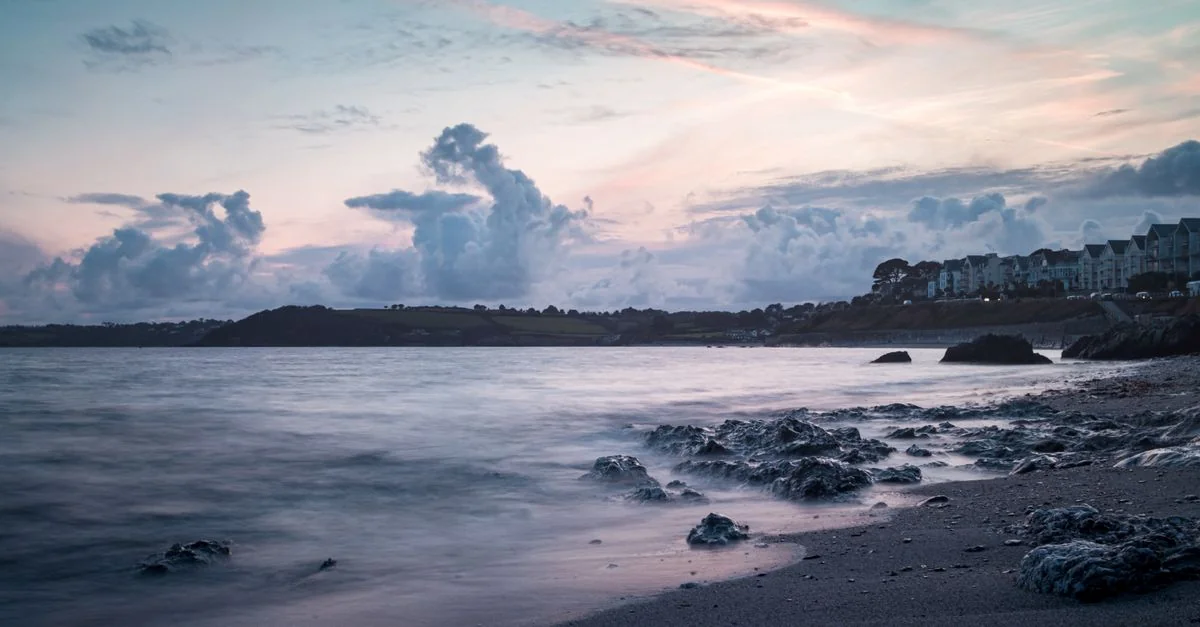
Planning a trip to Jamaica requires an understanding of the regional weather patterns and seasonal tourism shifts. The ideal window for American travelers stretches from mid-December through April. During these dry winter and spring months, daytime temperatures hover comfortably in the high eighties Fahrenheit, and rainfall remains at its lowest. However, this peak season brings the highest volume of cruise ship passengers and resort guests, leading to peak pricing on accommodations and increased crowds at major outdoor attractions.
For travelers seeking lower prices and fewer tourists, the shoulder months of May, June, and November offer a practical compromise. While afternoon showers become more frequent, morning skies are often clear, and resorts frequently drop their nightly rates by twenty to thirty percent. The summer and early autumn months, spanning from July through October, bring intense humidity, higher temperatures, and the Atlantic hurricane season. Travelers visiting during this period should monitor tropical weather forecasts closely and secure practical travel insurance, though they will be rewarded with the lowest lodging costs of the year and very quiet streets.
Where to Stay in Falmouth#
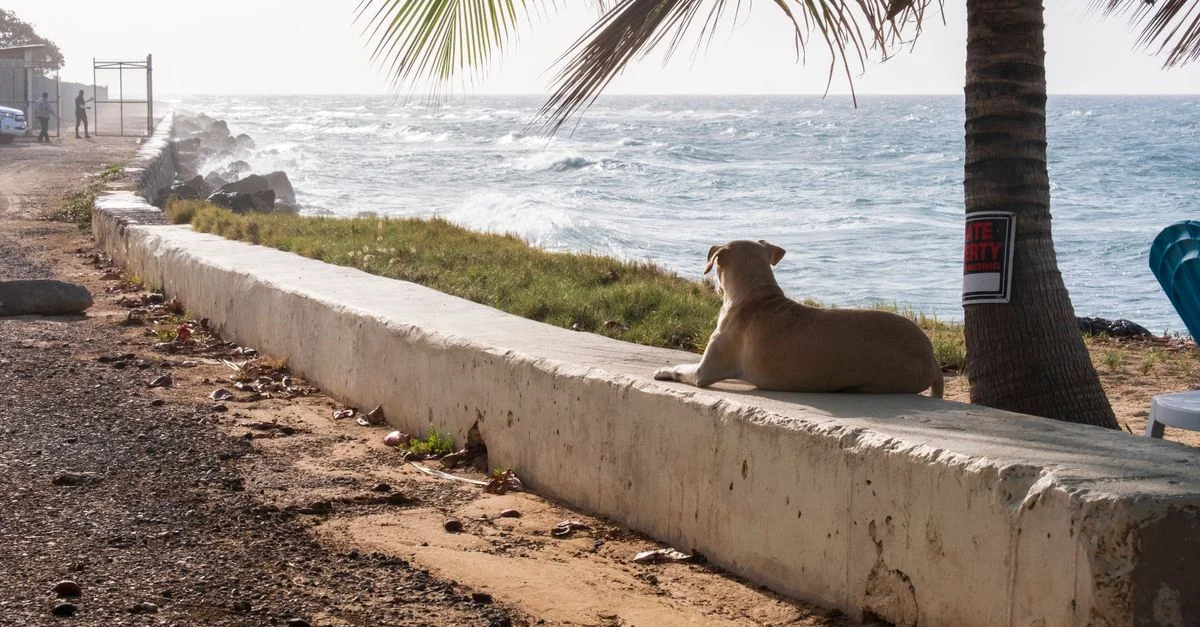
Choosing a base for a vacation depends on the style of trip desired, as the area offers distinct pockets for different traveler types. The historic town center serves as an ideal location for cultural enthusiasts and budget-conscious visitors who prefer guesthouses and small boutique properties within walking distance of local markets and historical architecture. Guesthouses and family-run inns in this urban core typically start around fifty to eighty dollars per night, providing a simple, authentic base to experience daily Jamaican life without the filter of an all-inclusive resort.
A short drive east of the town center brings visitors to the coastal strip dominated by large-scale resorts and all-inclusive properties. This zone caters primarily to mid-range and luxury travelers looking for beachfront access, swim-up bars, and curated amenities. Mid-range resort stays generally range from two hundred to four hundred dollars per night, offering multiple dining options and organized activities on-site. For travelers seeking ultimate privacy and high-end luxury, the private beachfront estates tucked away on secluded coves further down the coast provide exclusive butler service, private infinity pools, and gourmet dining, with rates easily exceeding six hundred dollars per night.
Top Things to Do in Falmouth#
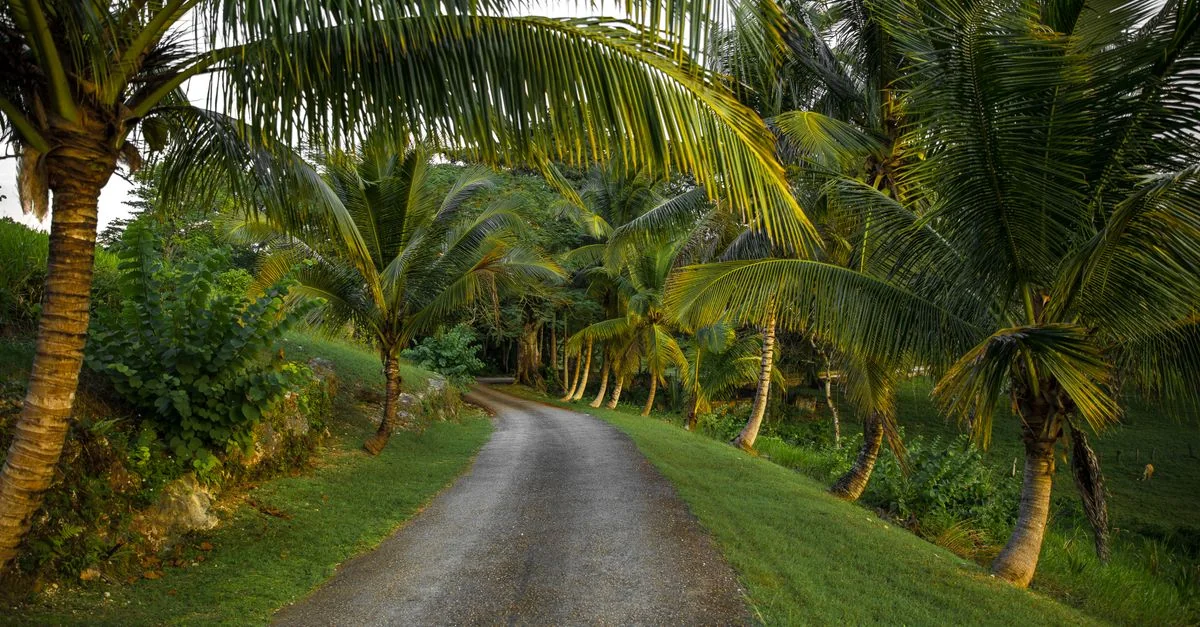
Exploring the area reveals a mix of preserved history and extraordinary natural phenomena that draw visitors from across the globe. An easy starting point is Albert George Market, a restored nineteenth-century cast-iron marketplace where local vendors sell fresh produce, crafts, and everyday goods. Just a short walk away, Falmouth Courthouse stands as a striking example of the town’s architectural legacy, having been painstakingly restored after a devastating fire to showcase its original columns and stonework.
Nature lovers will find the region’s true draw just outside the town limits. Glistening Waters offers a rare nighttime experience where boat tours take visitors out onto the luminous lagoon. The water glows with a bright blue phosphorescence caused by microscopic organisms disturbed by the boat’s wake, creating a surreal swimming and viewing experience that ranks among the best in the Caribbean. Nearby, Martha Brae River provides a calmer daytime adventure. Guests board traditional thirty-foot bamboo rafts piloted by local captains who pole down the jade-green river while sharing local folklore and pointing out hanging ferns and wild orchids along the banks.
For those interested in agricultural history, Greenwood Great House sits on a nearby hilltop overlooking the coast, offering guided tours through a preserved eighteenth-century plantation home filled with rare antique musical instruments and antique books. Moving toward the interior, the rugged landscape of Cockpit Country beckons hikers and independent explorers with its dense forests and dramatic sinkholes. Visitors seeking subterranean adventure can head to Green Grotto Caves, where underground labyrinths reveal limestone stalactites, stalagmites, and a subterranean lake once used by Spanish settlers hiding from the British. Finally, travelers wanting a mix of relaxation and ocean views can spend an afternoon at Burwood Beach, a public stretch of white sand where local families gather on weekends to swim in the warm surf and listen to distant reggae beats.
Food and Dining Guide#
The culinary landscape of the northern coast draws heavily on indigenous Taino, African, British, and Indian influences, resulting in bold seasoning and fresh coastal catches. Street food culture thrives near the town center and around local transportation hubs, where roadside drums transformed into grills send plumes of smoke into the air. Jerk chicken and jerk pork serve as the undeniable king of local barbecue, slow-cooked over pimento wood and slathered in a fiery Scotch bonnet pepper and allspice marinade.
For a midday meal, travelers should seek out a local bakery for warm beef patties, featuring flaky pastry crusts filled with spiced ground meat or vegetables. Another staple found at casual roadside cookshops is curried goat, served alongside a generous mound of white rice and peas cooked in coconut milk. Seafood lovers will appreciate the daily catch prepared as escovitch fish, where whole snapper is fried crisp and topped with a tart, highly spiced pickled medley of onions, carrots, and bell peppers. When dining out, casual local eateries and open-air beach shacks offer authentic flavors for under fifteen dollars per meal, while upscale resort restaurants elevate these traditional ingredients into fine-dining tasting menus that can cost upwards of eighty dollars per person.
Getting Around Falmouth#
Navigating this part of Jamaica requires a bit of planning, as public transit systems differ significantly from those in the United States. Walking remains the best method for exploring the compact historic town center, but sidewalks outside the main grid can be narrow or absent, making pedestrian travel along major highways impractical and unsafe.
For travel between towns and nearby attractions, licensed red-plate taxis and shared route taxis are widely available. Route taxis operate on fixed paths and carry multiple passengers at a very low cost, though they can become crowded. Visitors should always negotiate and agree upon the fare with a private taxi driver before stepping inside the vehicle, as meters are rarely used. Renting a car provides the ultimate freedom for exploring the interior and coastal roads, but drivers must remember that traffic moves on the left side of the road, and local driving styles can be assertive, with narrow roads lacking adequate signage or night lighting.
Budget Breakdown#
Understanding expected expenses helps travelers tailor their daily spending to match their preferred travel style. Budget travelers staying in local guesthouses, eating at roadside cookshops, and utilizing shared route taxis can expect to spend between fifty and ninety dollars per day, factoring in modest admission fees for local historical sites.
Mid-range travelers staying in all-inclusive resorts or boutique hotels, taking private taxis, dining at sit-down restaurants, and booking guided excursions like river rafting or lagoon tours typically budget between two hundred and four hundred dollars per day. Luxury travelers booking high-end private villas, fine dining experiences, private drivers, and exclusive charter tours should anticipate spending six hundred dollars or more per day. Tipping is customary across the island for good service, with ten to fifteen percent standard in restaurants and small tips appreciated by tour guides and drivers.
Travel Tips for Falmouth#
Currency and Cash usage remains essential throughout the town, as many smaller vendors, street food stalls, and taxi drivers do not accept credit cards. While Jamaican dollars are the official currency, United States dollars are widely accepted at most tourist businesses, though change may be given in local currency at varying exchange rates.
Weather Preparedness is critical given the tropical climate, meaning travelers should always pack high-factor sunscreen, insect repellent, a lightweight rain jacket, and sturdy walking shoes suitable for uneven stone pathways and muddy trails.
Safety and Etiquette guidelines in Jamaica suggest exercising normal urban caution, avoiding unlit areas at night, and dressing modestly when exploring local residential neighborhoods outside the resort zones. A polite greeting of “good morning” or “good afternoon” goes a long way when interacting with local residents.
Bargaining and Shopping at craft markets is a standard cultural practice, but negotiations should always be conducted with a friendly, respectful smile rather than aggressive haggling, ensuring a positive exchange for both buyer and artisan.
Water Safety is generally reliable in major hotels and restaurants, but travelers prone to sensitive stomachs may prefer bottled water when dining at very casual roadside establishments or exploring remote rural areas.
📌 Disclaimer
Prices, schedules, tour details, flight routes, visa requirements, and all other information on this page are based on data at the time of writing. Fares, availability, and policies may change. Please verify current details on the official website before booking.
📌 More about Falmouth