📌 Disclaimer
Prices, schedules, tour details, flight routes, visa requirements, and all other information on this page are based on data at the time of writing. Fares, availability, and policies may change. Please verify current details on the official website before booking.
Why Visit El Calafate?#
The scent of burning lenga wood hangs heavy in the crisp Patagonian air, mingling with the earthy aroma of calafate bushes lining the gravel roads. Sitting on the southern shore of Lago Argentino, this town functions as the primary gateway to the massive ice fields of southern Argentina . Travelers make the journey south for the chance to stand before walls of ancient blue ice that crack and thunder into the water below, offering a landscape unlike anything found in North America .
Beyond the famous glaciers, the surrounding steppe provides a striking contrast of golden grasslands sweeping toward the jagged peaks of the Andes. The local architecture leans toward rustic tin-roofed cabins and stone lodges designed to withstand fierce winds, creating a frontier outpost feel. It is a place where adventure travelers can strap on crampons to walk across a frozen river of ice in the morning and warm up with a glass of Malbec by a stone fireplace in the evening.
The town itself serves as a comfortable base camp after long days exploring the national park. Wide streets are lined with artisanal chocolate shops, outdoor gear outfitters, and steakhouses grilling meat over open flames. While visitors arrive primarily for the surrounding wilderness, the town provides a welcoming atmosphere that makes recovering from long hikes both easy and enjoyable.
Best Time to Visit El Calafate#
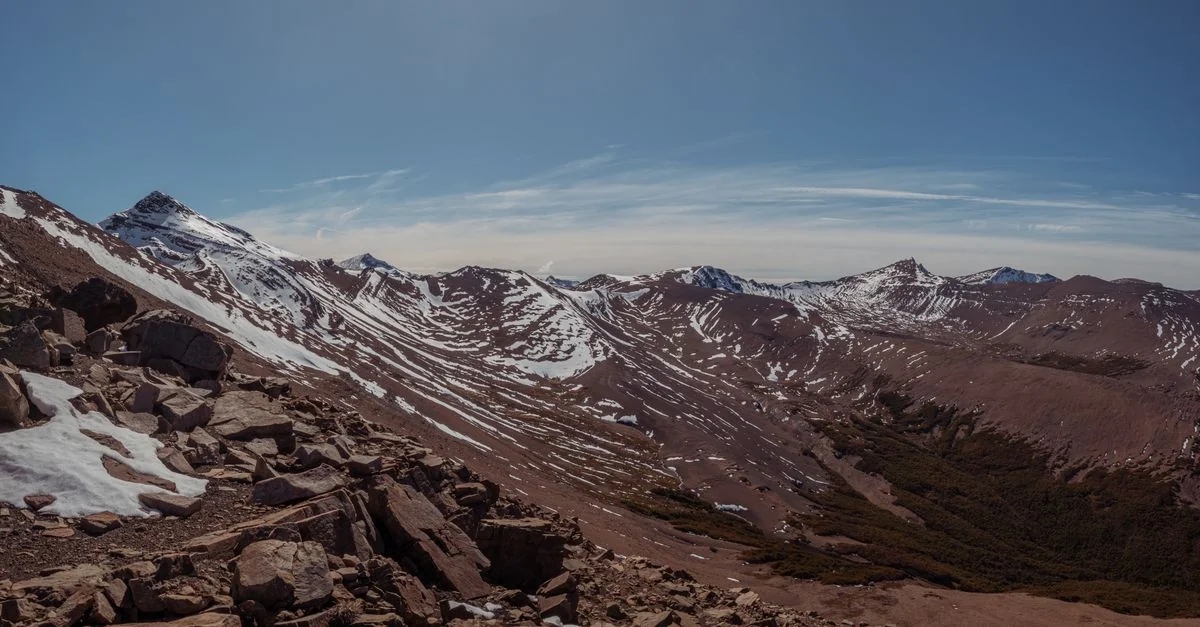
Planning a trip to southern Patagonia requires careful attention to the seasons, as the weather dictates what is possible outdoors. The warmest months run from November through February, which is the Southern Hemisphere summer. During this peak window, daytime temperatures hover comfortably in the sixties, and daylight stretches past ten o’clock at night. However, this popularity brings higher prices for lodging and peak crowds at major sights, meaning flights and accommodations must be booked several months in advance. Wind speeds also peak during these summer months, sometimes testing your balance on walking trails.
The shoulder seasons of March to April and October offer a quieter experience with distinct visual appeal. March brings autumn foliage as the lenga trees turn fiery shades of red and gold against the blue backdrop of the lake. Temperatures drop into the fifties during the day and approach freezing at night. Crowds thin out significantly during these months, and travelers often find better rates on rental cars and lodging.
Winter arrives between May and September, transforming the landscape into a snowy expanse. Temperatures frequently drop below freezing, and many tour operators reduce their schedules or close entirely. While the main glacier remains accessible year-round, ice-trekking excursions typically halt during the depths of winter due to safety concerns. Travelers visiting in these colder months find rock-bottom prices and absolute solitude, provided they pack heavy thermal layers and waterproof gear.
Where to Stay in El Calafate#
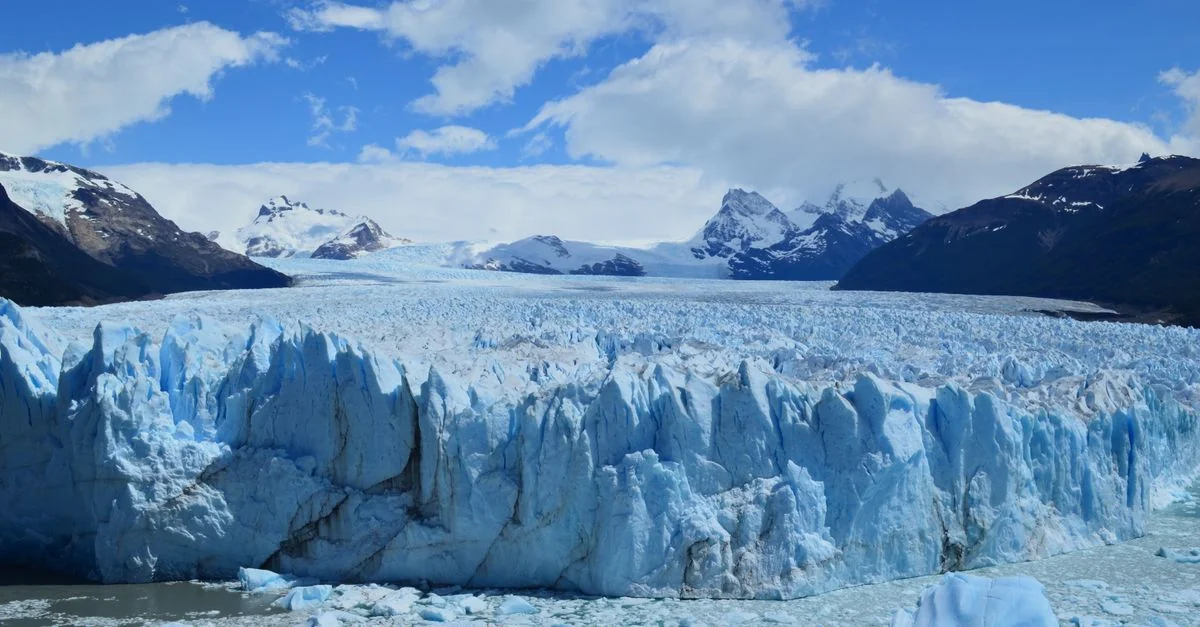
Choosing the right neighborhood depends on whether you prefer walking to restaurants or enjoying panoramic views of the water. The downtown grid surrounding Avenida Libertador places you within easy walking distance of nearly every restaurant, cafe, and tour agency in town. Staying in this commercial core suits travelers who want to step out of their door and immediately find dinner or book an excursion without needing a taxi. Budget hostels and cozy mid-range guesthouses dominate this central zone, with prices generally starting around $40 to $70 per night for private rooms, while upscale boutique properties offer refined comfort right on the main drag.
For travelers seeking a quieter retreat, the Bahia Redonda area sits just a short walk south of the busy center along the curving shores of the lake. This neighborhood attracts birdwatchers who want to spot flamingos and black-necked swans right from the shoreline. Accommodations here lean toward mid-range cabins and apartment rentals that feature large windows facing the water, offering a peaceful atmosphere while keeping the town center within a fifteen-minute walk.
Perched high above the town, the Alta Vista hillside district provides dramatic vistas stretching across Lago Argentino and the distant Andean peaks. This upscale enclave features luxury lodges and design hotels that cater to travelers looking for premium amenities, fine dining on-site, and total seclusion. Rates in this elevated tier frequently exceed $300 per night, reflecting the privacy and unobstructed views. The trade-off is the steep uphill walk from town, requiring a short taxi ride whenever you want to explore the central shops.
Top Things to Do in El Calafate#
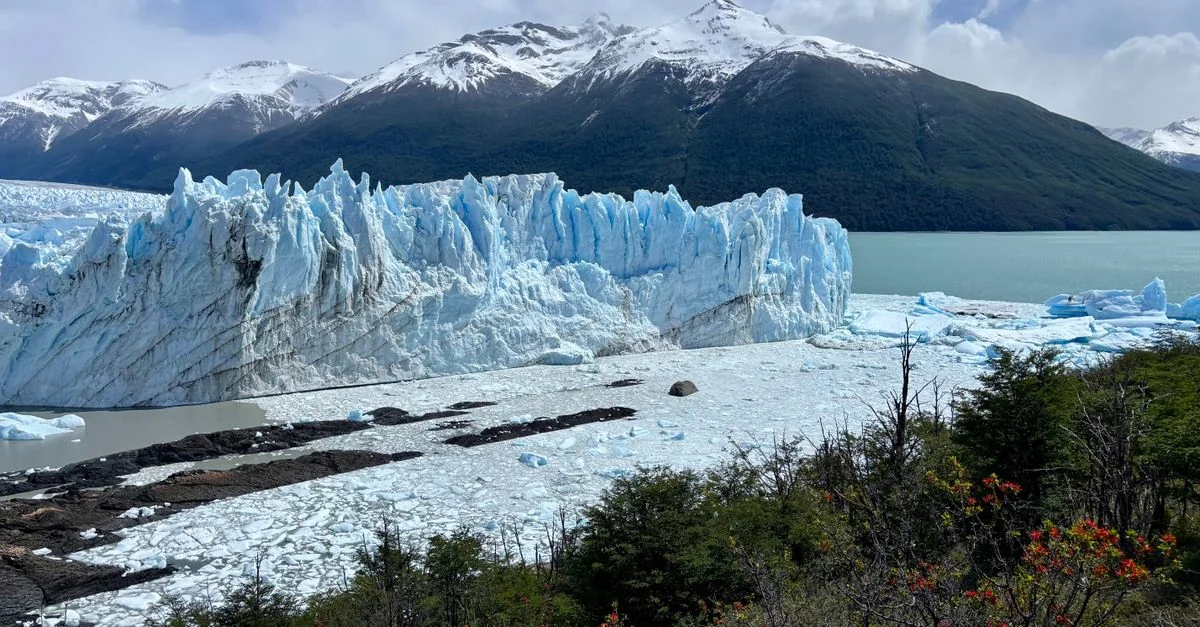
The primary draw for most visitors is the chance to witness Perito Glacier, a massive wall of shifting ice located inside Los Glaciares National Park. A network of elevated metal walkways extends out across the peninsula opposite the glacier, offering panoramic viewpoints where you can watch house-sized blocks of ice shear off the face and crash into the water with a sound resembling rolling thunder. For a closer perspective, boat tours navigate the freezing waters of the lake, cruising right up to the towering ice walls to give you a solid sense of scale.
Active travelers should book a spot on the Perito Glacier Ice Trek, an excursion that involves strapping crampons over your hiking boots and walking directly across the uneven blue surface of the glacier. Guides lead small groups past deep crevasse fields, turquoise meltwater pools, and jagged ice formations, ending with a celebratory glass of whisky cooled by ancient glacial ice. This full-day adventure requires a moderate fitness level and books out weeks ahead of time.
Away from the main glacier, Glaciarium provides an engaging indoor museum experience dedicated to the science of Patagonian ice fields. Interactive exhibits explain the formation of glaciers and regional climate history, while the basement houses a striking ice bar where the interior walls, tables, and drinking glasses are carved entirely from glacial ice. It serves as an ideal activity for a windy afternoon when outdoor exploration becomes less appealing.
For a deep dive into local history and wildlife, Nimez Lagoon sits right at the edge of town within walking distance from Avenida Libertador. A flat, easy trail loops around the wetland reserve, providing prime opportunities to photograph Chilean flamingos, upland geese, and swimming grebes against a backdrop of snowy mountains. Sunset is the best time to visit this sanctuary, as the fading light turns the shallow waters brilliant shades of orange and pink.
Venturing beyond the immediate town limits, a 4x4 excursion up to Balcon del Calafate takes travelers high into the surrounding hills for sweeping vistas of Lago Argentino, the Andes, and the vast Patagonian steppe. On exceptionally clear days, you can spot the distant peaks of Fitz Roy far to the north. These guided mountain drives offer a thrilling ride along rugged tracks and include stops at natural rock formations shaped by centuries of fierce winds.
Horseback riding through the local estancias offers another way to connect with the landscape, tracing the old trails used by early Patagonian gauchos. Estancia Nibepo Aike and other historic ranches located an hour outside town welcome visitors for day trips that combine guided trail rides across rolling hills with traditional lamb barbecues roasted over open coals. These working sheep ranches provide a window into rural Argentine culture far removed from the tourist center.
Travelers looking for an active day off the beaten path can arrange a visit to La Leona Petrified Forest, situated roughly halfway between El Calafate and El Chaltén. Guided walks through this stark, Mars-like landscape reveal fossilized tree trunks that date back millions of years, preserved under layers of volcanic ash and sediment. The stark beauty of the desert valley offers a striking contrast to the lush ice fields found elsewhere in the region.
Finally, a scenic boat navigation through the remote arms of Lago Argentino leads to Upsala and Spegazzini Glaciers. These water-accessible ice fields can only be reached by catamaran, allowing passengers to drift among floating icebergs of brilliant turquoise and deep cobalt blue. The sheer scale of Spegazzini, featuring the tallest ice walls in the national park, leaves a lasting impression on anyone who makes the journey down the lake.
Food and Dining Guide#
Dining in El Calafate revolves heavily around traditional Argentine comfort food, with a distinct regional focus on hearty meats designed to fuel outdoor exploration. The undisputed king of local menus is Cordero Patagónico, whole lamb roasted slowly over an open wood fire for hours until the exterior turns crisp and the meat falls effortlessly from the bone. You will find this delicacy served in rustic steakhouses and upscale restaurants alike, usually accompanied by a simple salad and a glass of robust red wine.
No meal in Patagonia is complete without sampling Argentine Beef, specifically cuts like bife de chorizo or ojo de bighorn, grilled to your preference over hot embers. Local dining culture leans toward late dinners, with most restaurants opening their doors for the evening around eight o’clock and filling up rapidly by nine. Alongside the beef, Empanadas Patagónicas filled with spiced minced meat, onions, and local seasonings make for a quick, affordable lunch or an ideal snack to pack along on a day of hiking.
For dessert or an afternoon treat, Calafate Berry Treats appear on menus across town in the form of ice cream, cheesecakes, and artisanal jams. According to local folklore, eating the sweet blue berry guarantees that you will one day return to Patagonia. You will also encounter Dulce de Leche, a sweet caramel spread used generously in pastries, pancakes, and stuffed chocolates sold in the small confectionery shops lining the main avenue.
When it comes to dining styles, casual parrillas stand alongside modern bistros that incorporate fresh trout from local rivers and inventive vegetarian dishes. Street food is relatively rare here, but corner bakeries sell warm medialunas and savory pastries that make cheap, reliable breakfast fuel. Expect to pay modest prices at casual cafes, while sit-down dinners featuring premium cuts of meat and regional wine will require a higher budget.
Getting Around El Calafate#
Navigating El Calafate depends largely on your itinerary, as the town center is entirely walkable, but the surrounding attractions require motorized transport. The downtown grid features wide sidewalks and manageable distances, allowing visitors staying near Avenida Libertador to walk easily to restaurants, grocery stores, and tour offices without needing a car or taxi.
For trips to the local bus station, the lagoon reserve, or hotels sitting up on the hills, Local Taxis are readily available and operate on metered fares. You can flag them down on the main street or ask your lodging to call one. Fares remain relatively affordable for short trips within town limits, though drivers generally expect small cash tips for good service.
Renting a car proves highly beneficial for travelers who prefer setting their own schedule rather than relying on large tour buses. Major international and local car rental agencies operate out of the local airport and downtown offices. Having a vehicle gives you the freedom to drive out to Perito Glacier at your own pace, arriving before the morning tour crowds descend on the walkways. Be aware that gravel roads outside the main paved highway require careful driving, and insurance policies often have specific clauses regarding windshield damage from flying stones.
For those without a car, organized bus transfers to Perito Glacier depart daily from the central bus terminal, offering a reliable and stress-free alternative. Private drivers and shuttle services can also be arranged through local agencies for custom day trips to nearby ranches or neighboring mountain towns.
Budget Breakdown#
Planning your finances for a trip to El Calafate requires factoring in the high cost of national park entry fees and specialized excursions, alongside standard lodging and dining expenses.
For Budget Travelers staying in shared hostel dormitories or basic guesthouses, cooking meals in communal kitchens, and relying on public buses or shared shuttles for sightseeing, daily expenses generally range from $50 to $90 per day. This modest tier covers a bed in a central hostel, simple empanadas for lunch, a self-catered dinner, and perhaps one budget-friendly walk around the local lagoon.
For Mid-Range Travelers seeking private hotel rooms, sit-down dinners featuring local lamb and wine, and organized excursions like boat cruises or ice trekking, daily budgets typically run between $150 and $300 per day. This tier allows for comfortable accommodations in the town center, rental car use for a couple of days, and guided access to the primary glacier attractions without stressing over every incidental cost.
For Luxury Travelers booking high-end design lodges on the hillside, private guided 4x4 excursions, helicopter tours, and fine dining every evening, daily spending easily exceeds $450 to $800 per day. This premium tier secures exceptional service, private transfers, exclusive estancia visits, and panoramic views of Lago Argentino from luxury suites.
Travel Tips for El Calafate#
Packing for southern Patagonia requires a strategic approach due to the notoriously unpredictable weather conditions. Layering Clothing is the golden rule for survival in this climate, as you might experience brilliant sunshine, freezing wind, and a sudden rain shower all within the span of a single morning. Always pack a reliable waterproof and windproof shell jacket, thermal base layers, fleece pullovers, and sturdy hiking boots with good ankle support. Even during the height of summer, temperatures can plummet rapidly when the wind picks up off the ice fields.
Managing local currency and payment methods prevents unnecessary logistical headaches during your stay. Cash and Cards are both important to keep on hand. While major hotels, restaurants, and tour agencies accept credit cards, having Argentine pesos in cash is essential for small purchases, bus fares, tips, and emergencies, as internet connectivity can occasionally falter and disrupt card readers. ATMs are available along the main avenue, but they frequently run low on cash during peak tourist weekends, so withdrawing funds early in your trip is wise.
Staying connected in a remote region requires realistic expectations about internet service. Connectivity and Power can be spotty in the far south of Argentina. Most downtown cafes and hotels offer Wi-Fi, but speeds are often slow compared to North American standards, and power flickers during heavy windstorms are not uncommon. Downloading offline maps, translation apps, and your digital itineraries before arriving will save you from frustration when signals drop.
Respecting the local environment ensures that these pristine natural landscapes remain protected for future visitors. Environmental Ethics inside Los Glaciares National Park demand strict adherence to leave-no-trace principles. Never throw trash on the trails, stay behind the safety ropes on glacial walkways, and keep a safe distance from any wildlife you encounter. The windswept ecosystem is fragile, and recovery from human disruption takes decades in this harsh climate.
Finally, managing your daily schedule in a destination with extreme daylight variations requires some forethought. Pacing and Timing your excursions helps you avoid the heavy crowds that arrive with midday tour buses from the airport. Aim to arrive at major sights like Perito Glacier either right when the park gates open in the early morning or later in the afternoon when the tour buses begin making the return trip to town. This simple adjustment transforms a crowded viewpoint into a peaceful encounter with nature.
📌 Disclaimer
Prices, schedules, tour details, flight routes, visa requirements, and all other information on this page are based on data at the time of writing. Fares, availability, and policies may change. Please verify current details on the official website before booking.
📌 More about El Calafate