📌 Disclaimer
Prices, schedules, tour details, flight routes, visa requirements, and all other information on this page are based on data at the time of writing. Fares, availability, and policies may change. Please verify current details on the official website before booking.
Why Visit Durban?#
📌 More about Durban
The scent of the ocean mingles with the aroma of spices wafting from street vendors, creating a lively atmosphere that is unmistakably Durban. This coastal city, nestled along the Indian Ocean, is a melting pot of cultures, where Zulu traditions meet Indian influences, all set against a backdrop of stunning beaches and lush landscapes. Durban’s unique blend of natural beauty and cultural diversity makes it an enticing destination for travelers seeking both relaxation and adventure.
Durban’s warm subtropical climate invites visitors year-round, but it’s the city’s long history and lively arts scene that truly captivate. From the busy markets filled with handcrafted goods to the stunning architecture of the uShaka Marine World, there’s a sense of exploration around every corner. Whether you’re lounging on the beach or exploring the lively neighborhoods, the spirit of Durban is sure to leave a lasting impression.
Best Time to Visit Durban#
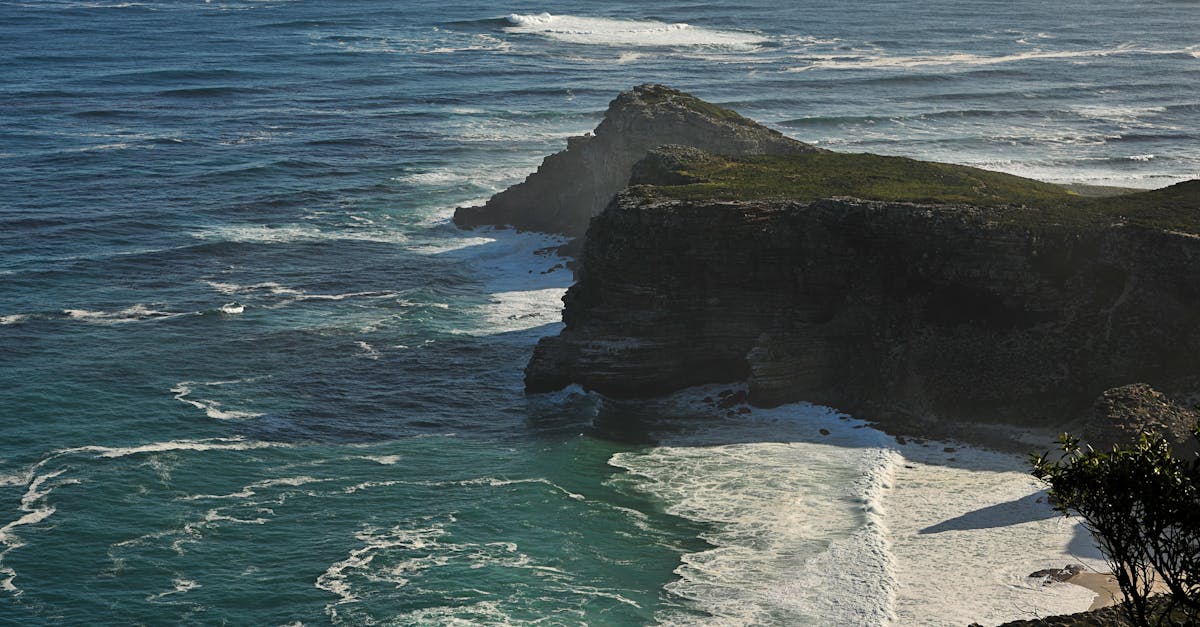
Durban enjoys a subtropical climate, characterized by warm, humid summers and mild winters, making it a year-round destination. The best time to visit is during the dry winter months from May to September. This period offers pleasant temperatures, averaging around 70°F (21°C), with lower humidity levels and minimal rainfall, creating ideal conditions for outdoor activities. Crowds tend to be smaller during these months, allowing for a more relaxed exploration of the city.
In contrast, the summer months from November to March can be quite hot and humid, with temperatures often reaching the mid-80s (around 30°C). While this is peak tourist season, it’s also when you’ll find lively beach activities and festivals. Just be prepared for occasional afternoon thunderstorms. Prices for accommodations and activities may rise during this time, so booking in advance can help you secure better deals.
Where to Stay in Durban#
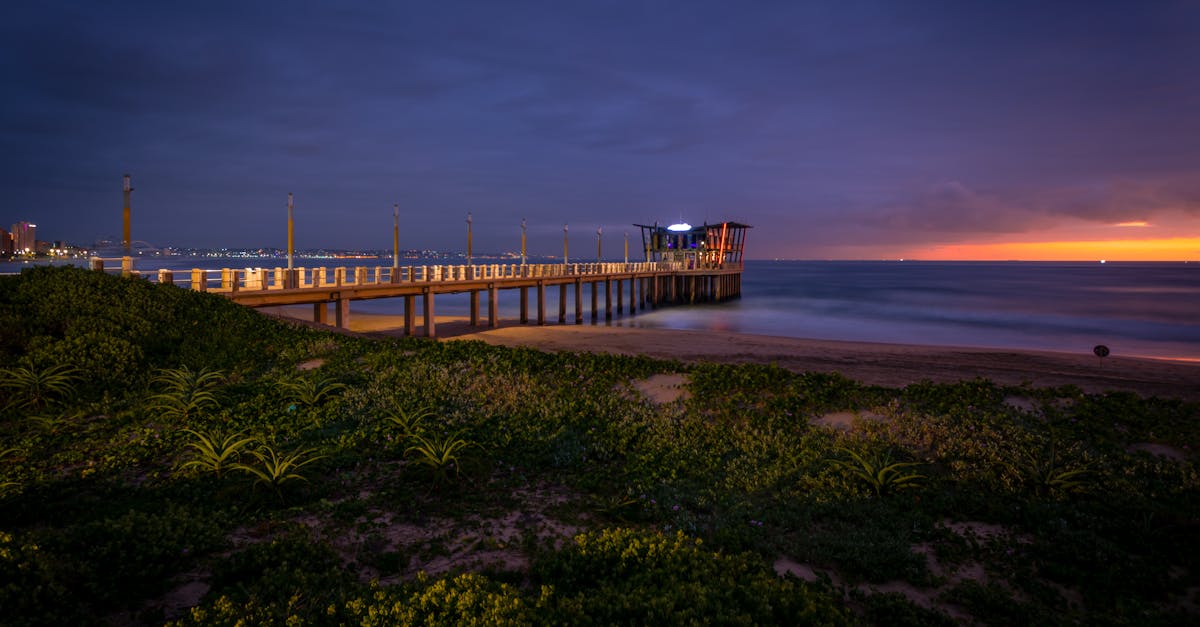
When considering where to stay in Durban, the Golden Mile is a popular choice, especially for travelers looking for beachfront accommodations. This area is known for its lively promenade, restaurants, and easy access to the beach. Budget hotels typically start around $30-50 per night, while mid-range options can be found starting at $80-150.
For a more local experience, the Morningside neighborhood offers a mix of guesthouses and boutique hotels that provide a glimpse into the daily life of Durbanites. This area is also home to several parks and eateries, making it a great spot for those wanting to explore the city beyond the beach. Prices in this neighborhood are comparable to the Golden Mile, with budget options available and mid-range prices beginning around $70.
If luxury is what you seek, the Umhlanga Rocks area, located just north of Durban, boasts upscale resorts and stunning ocean views. This area is ideal for travelers looking to indulge in high-end dining and spa experiences. Expect to pay upwards of $200 for a night in a luxury hotel here, but the amenities and service often justify the expense.
Lastly, Durban Central offers a more urban experience, with a range of accommodations from budget hostels to mid-range hotels. Staying in this area puts you closer to cultural attractions, markets, and nightlife, making it a convenient base for exploring the city. Prices here can vary widely, but budget travelers can find hostels starting around $15-30 per night.
Top Things to Do in Durban#
Durban is brimming with attractions that cater to diverse interests. uShaka Marine World stands out as worth visiting, offering a thrilling combination of an aquarium, water park, and various marine shows. Families and marine enthusiasts alike will appreciate the chance to see a wide array of sea life while enjoying the park’s exciting rides and attractions.
For a taste of history, the KwaMuhle Museum provides insight into the city’s complex past, particularly during the apartheid era. This museum, housed in a former Native Administration building, features exhibitions that highlight the struggles and triumphs of the local communities. It’s a poignant reminder of Durban’s historical context.
The Durban Botanic Gardens is another highlight, showcasing an impressive collection of indigenous and exotic plant species. Visitors can stroll through the lush landscapes, enjoy a picnic, or even catch a live concert during the summer months. This peaceful oasis is perfect for those looking to escape the hustle and bustle of city life.
Art lovers should not miss the Durban Art Gallery, located in the city center. This gallery houses a fantastic collection of South Africa n artwork, ranging from contemporary pieces to traditional crafts. The surrounding area is also rich with street art, making it a great place to explore on foot.
For a taste of local life, the Victoria Street Market is a sensory experience not to be missed. Here, you’ll find colorful stalls selling spices, fresh produce, and handcrafted goods. The lively atmosphere is perfect for sampling local street food, such as bunny chow, a delicious curry served in a hollowed-out loaf of bread.
If you’re looking to soak up some sun, the Durban beachfront offers miles of golden sands perfect for sunbathing, swimming, and beach sports. The promenade is lined with restaurants and cafes, making it an ideal spot to relax after a day in the sun. For those seeking adventure, try your hand at surfing or paddleboarding in the warm Indian Ocean.
A visit to Moses Mabhida Stadium is also worthwhile, especially for sports enthusiasts. This architectural marvel not only hosts soccer matches but also offers a SkyCar ride to the top of the stadium for breathtaking views of the city and coastline.
Finally, for a more tranquil experience, the Umgeni River Bird Park showcases a variety of bird species in a beautiful setting. This park is perfect for families and nature lovers looking to enjoy a day surrounded by lush greenery and colorful wildlife.
Food and Dining Guide#
Durban’s culinary scene is a reflection of its diverse cultural influences, with an array of flavors waiting to be explored. One of the standout dishes you must try is bunny chow, a local favorite featuring a hollowed-out loaf filled with spicy curry. This dish is often enjoyed on the go, making it a popular choice for street food enthusiasts.
Another worth trying is samoosas, savory pastries filled with spiced potatoes, meat, or vegetables. These crispy snacks are perfect for a quick bite while exploring the city. If you’re in the mood for something sweet, don’t miss out on koeksisters, traditional South African pastries that are syrupy and delicious.
For those seeking a sit-down dining experience, Durban offers a range of restaurants that highlight local flavors. Seafood lovers will appreciate the Durban-style seafood curry, often made with fresh fish and a blend of aromatic spices. Pair this dish with a refreshing local beer or a glass of wine from the nearby vineyards.
The Victoria Street Market is an excellent spot for food lovers to experience the local culinary scene. Here, you can sample a variety of dishes, from bunny chow to freshly grilled meats and flavorful curries. The market atmosphere is lively, with vendors eager to share their culinary creations.
For a more upscale dining experience, you can find several restaurants in Umhlanga Rocks that focus on fresh, locally sourced ingredients. Many of these establishments offer stunning ocean views, making for a memorable dining atmosphere.
Getting Around Durban#
Navigating Durban is relatively straightforward, with several transportation options available. The city boasts an efficient public transit system, including buses and the People Mover, a convenient mode of transport along the beachfront. Buses are generally safe and affordable, making them a great option for budget-conscious travelers.
Taxis are also widely available, but it’s advisable to use reputable ride-hailing services for added safety and convenience. These services provide an easy way to get around the city, especially if you’re traveling at night or to less accessible areas.
For those who prefer to explore on foot, many of Durban’s attractions are within walking distance of each other, particularly along the beachfront promenade. This area is pedestrian-friendly, allowing you to take in the sights and sounds of the ocean while leisurely strolling from one destination to the next.
If you plan to venture beyond the city, renting a car can be a good option. This gives you the flexibility to explore nearby attractions, such as the stunning Drakensberg Mountains or the Hluhluwe-iMfolozi Park for a safari experience. Keep in mind that driving is on the left side of the road, so prepare accordingly if you’re used to right-hand driving.
Budget Breakdown#
When planning your trip to Durban, it’s essential to consider your budget to ensure a comfortable stay. For budget travelers, daily expenses can range from $50-80. This estimate includes accommodation in hostels or budget hotels, street food meals, public transportation, and entrance fees to various attractions.
Mid-range travelers can expect to spend around $100-200 daily. This budget allows for nicer accommodations, dining at local restaurants, and a few guided tours or activities. A mix of street food and sit-down meals will give you a taste of the local cuisine while keeping costs manageable.
Luxury travelers should budget upwards of $250 per day, which includes upscale accommodations, fine dining experiences, and private transportation. This budget allows for a more indulgent experience, with opportunities to enjoy guided tours, spa treatments, and other premium activities.
Travel Tips for Durban#
Safety First is a priority for any traveler. While Durban is generally safe, it’s wise to remain vigilant, especially in crowded areas. Keep your belongings secure and avoid displaying valuables in public. It’s best to travel in groups when possible and to stick to well-lit areas at night.
Pack Accordingly for the weather. Durban’s climate can be quite humid, especially in the summer months. Lightweight, breathable clothing is recommended, along with sunscreen and a hat for sun protection. If you plan to visit during winter, a light jacket may be necessary for cooler evenings.
Currency and Payments are essential to consider. The local currency is the South African Rand (ZAR), so it’s advisable to have some cash on hand for small purchases, especially at markets and street vendors. Credit cards are widely accepted, but it’s always good to check with your bank regarding international transaction fees.
Learn a Few Local Phrases to enhance your experience. While English is commonly spoken, learning basic phrases in Zulu or Afrikaans can go a long way in connecting with locals and showing appreciation for their culture.
Stay Hydrated while exploring the city. The warm climate can be dehydrating, especially if you’re spending long hours outdoors. Always carry a refillable water bottle to stay refreshed throughout your adventures.
Respect Local Customs and traditions. Durban is home to a diverse population, and being aware of cultural practices can enrich your experience. For instance, when visiting local markets or homes, it’s polite to greet vendors or hosts and show appreciation for their hospitality.
By following these tips, you can navigate Durban with confidence, making the most of your journey in this dynamic coastal city. Whether you’re lounging on the beach, savoring local cuisine, or exploring historical sites, Durban promises a memorable experience.