📌 Disclaimer
Prices, schedules, tour details, flight routes, visa requirements, and all other information on this page are based on data at the time of writing. Fares, availability, and policies may change. Please verify current details on the official website before booking.
Why Visit Djupivogur#
The sharp scent of wet basalt and salty kelp hits the back of your throat the moment you step out of the car in the East Fjords. Djupivogur offers an antidote to the congested Golden Circle tourist routes that dominate most American itineraries in Iceland . This quiet fishing village sits on a low-lying peninsula where the dark waters of Berufjordur meet the open North Atlantic, creating a natural harbor that has sheltered mariners for centuries. Time moves differently here, measured less by clock hands and more by the shifting light across the mountainous ramparts that frame the fjord.
Travelers who make the journey to the eastern edge of the country find a landscape stripped of pretense. Instead of crowded parking lots and tour buses idling outside gift shops, you will encounter eider ducks nesting near the shoreline and the low rumble of fishing vessels preparing for the morning tide. The village functions as a living community where local fishermen still haul in the daily catch, yet it warmly welcomes outsiders who appreciate slow-paced exploration, dramatic coastal vistas, and a genuine connection to Icelandic maritime traditions.
Choosing to spend a few days in this remote corner allows you to witness the raw elements of Iceland without the distraction of mass tourism. Weather dictates the daily rhythm, bringing sudden squalls that clear just as quickly to reveal towering waterfalls slicing through green mountain slopes. Whether you use the settlement as a staging ground for deeper exploration into the untamed wilderness of the eastern fjords or simply as a peaceful sanctuary to unwind, the area leaves a lasting impression through its sheer, unpolished isolation.
Best Time to Visit Djupivogur#
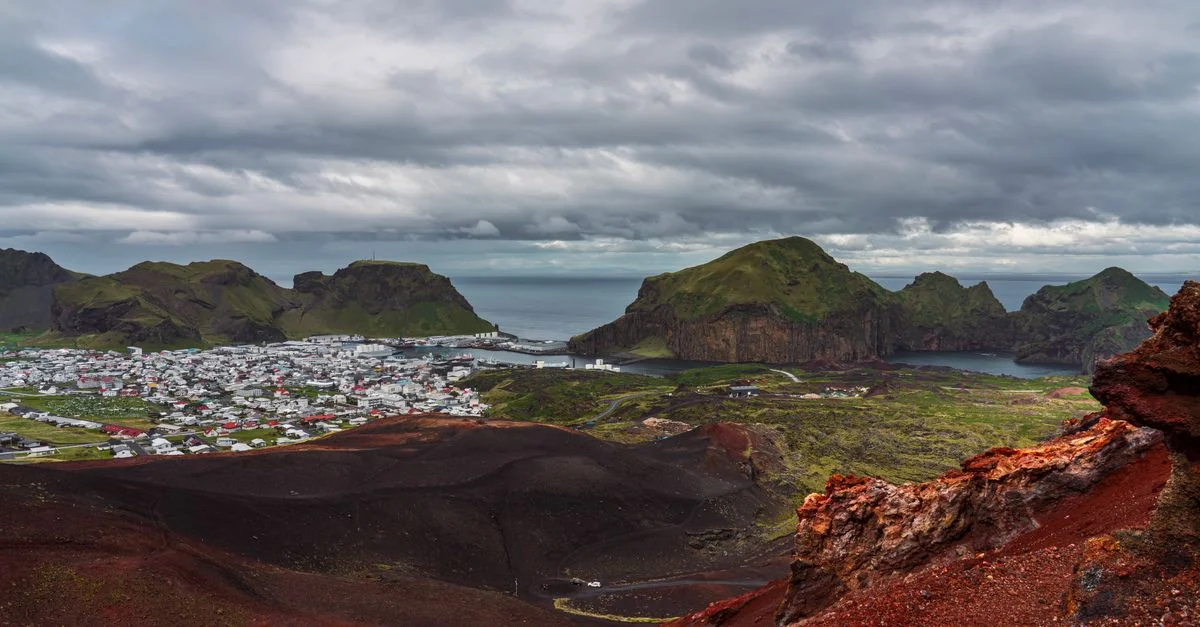
Planning a trip to the eastern coast requires careful consideration of seasonal weather patterns and driving conditions. Summer, spanning from June through August, brings the midnight sun, offering nearly twenty-four hours of daylight for exploration. Temperatures during these months remain mild, hovering in the high fifties Fahrenheit on favorable days. This period sees the highest volume of travelers, though Djupivogur remains remarkably peaceful compared to southern hotspots. Car rental rates and lodging prices reach their annual peaks during this window, and booking months in advance is essential for securing preferred accommodations.
Shoulder season months, including May and September, offer a compelling compromise for visitors seeking lower prices and thinner crowds. May brings longer daylight hours and the return of migratory birds, though snow can still linger on mountain passes and hiking paths. September introduces crisp autumn air and changing foliage tones on the lower slopes, alongside the early possibility of spotting the northern lights dance across the dark night skies. Weather during these transitional months remains highly unpredictable, requiring flexible itineraries and patience from drivers navigating coastal roads.
Winter, stretching from October through April, transforms the landscape into a monochromatic wilderness of ice and dark stone. Daylight shrinks to just a few hours around the winter solstice, and severe storms frequently close mountain roads connecting the East Fjords to the rest of the island. Lodging options are more limited during this time, with some local businesses closing for the season. However, travelers willing to brave the sub-freezing temperatures, icy winds, and challenging driving conditions are rewarded with absolute solitude, snow-covered peaks glowing in twilight hues, and prime opportunities for aurora borealis viewing without competing crowds.
Where to Stay in Djupivogur#
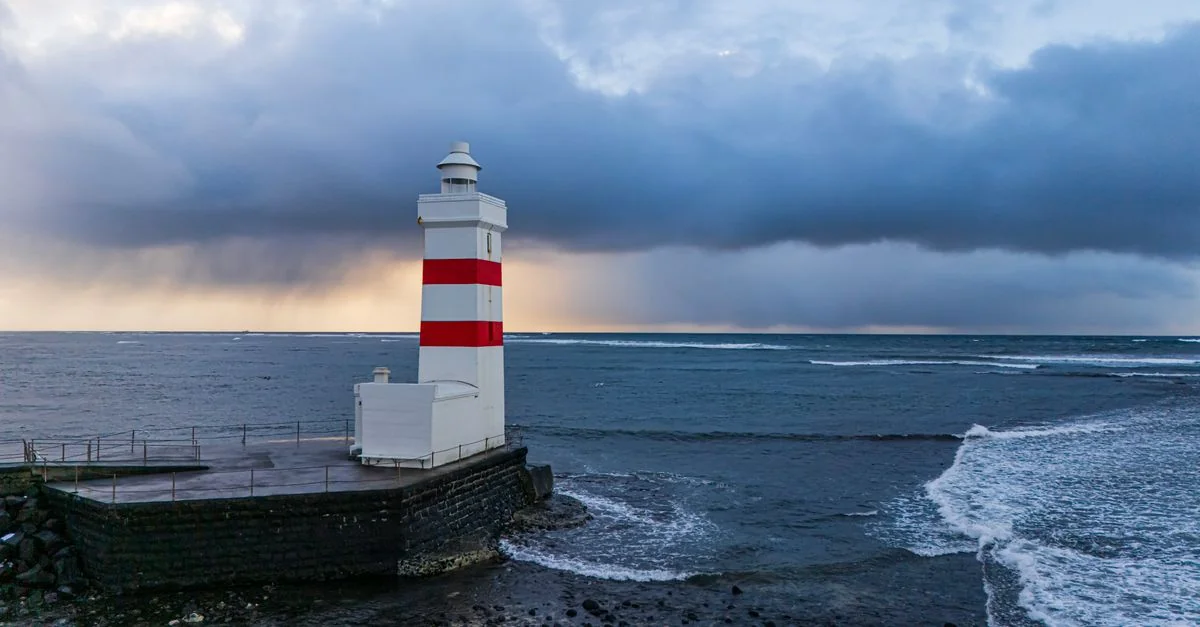
Deciding where to lay your head in this coastal community depends largely on the style of accommodation you prefer and how close you want to be to the water. The historic harbor zone serves as the primary hub for visitors, placing you within easy walking distance of the local piers, museums, and dining spots. Staying right by the waterfront allows you to watch the fishing boats depart at dawn and listen to the gulls wheeling above the docks. Lodging options in this central pocket range from converted traditional timber houses to modern guesthouses, catering primarily to mid-range travelers seeking comfort and convenience after a long day of driving.
For those seeking a more rural experience, the pastoral lands stretching along the fjord shores offer secluded farmstays and independent guesthouses. These properties sit slightly outside the village proper, surrounded by rolling green pastures where sheep graze against a backdrop of steep mountain walls. Budget-conscious travelers often find good value in these outlying areas through simple rooms in converted agricultural buildings or local campsites equipped with basic sanitary facilities. The trade-off for this tranquility is the necessity of a short drive into town for meals and supplies.
Travelers looking for upgraded amenities and high-end comfort will find boutique-style properties that blend modern Scandinavian design with traditional Icelandic hospitality. These higher-tier lodgings focus on sustainability, local sourcing, and panoramic windows designed to frame the changing moods of the fjord. While true luxury in this remote region emphasizes privacy, authentic architecture, and exceptional service rather than sprawling mega-resorts, these premium stays provide a refined sanctuary where you can watch the sunset paint the ocean in shades of amber and violet from the comfort of a warm lounge.
Top Things to Do in Djupivogur#
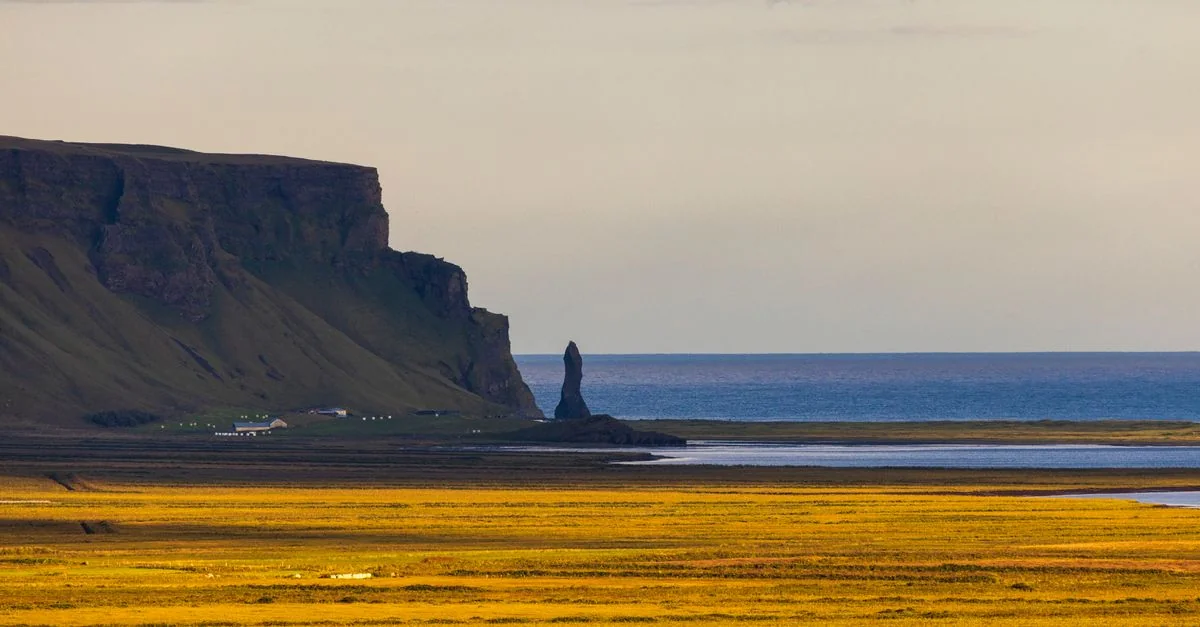
Art and nature intertwine seamlessly across the landscape, beginning right at the harborfront where Eggin i Gledivik commands attention. This permanent outdoor installation features thirty-four gigantic granite eggs, each representing a different local bird species meticulously carved to scale. Walking along the gravel path past these massive geological sculptures while listening to the actual birds wheeling overhead provides a surreal and memorable introduction to the area’s biodiversity.
A short boat ride across the bay leads to Papey Island, a windswept sanctuary steeped in early settlement history. According to medieval texts, Irish monks lived here before the Norse arrival. Today, the island remains uninhabited by humans, leaving the ancient wooden church, a lonely weather station, and a historic lighthouse to keep watch over massive colonies of puffins that nest in the turf cliffs during the summer months.
Back on the mainland, history enthusiasts will appreciate Langabud, the oldest building in the village, constructed in the late eighteenth century as a salt storehouse. It now functions as a cultural museum displaying regional artifacts, alongside a permanent exhibition dedicated to the local sculptor Rikardur Jonsson. The building also houses a small coffee house where you can sample traditional baked goods while looking out over the harbor activity.
Hiking opportunities abound for travelers eager to stretch their legs beyond the village boundaries. The trail leading up Boulungur Mountain offers a challenging climb that rewards persistent hikers with sweeping panoramas of Berufjordur and the jagged coastline stretching toward the open sea. On clear days, the view extends far enough to make out the distant glaciers shimmering on the horizon.
For a more meditative outdoor experience, follow the coastal paths toward Hvalnes Nature Reserve, located a short drive north of the village. The dramatic yellow sand spit contrasts sharply with the towering black mountains dropping precipitously into the surf. This isolated stretch of coastline serves as an ideal spot for photography, beachcombing for driftwood, and watching waves crash against jagged rocky outcrops.
Birdwatchers and photography enthusiasts should also dedicate time to exploring the wetland areas surrounding Gonustadir, where local conservation efforts protect fragile habitats. The shallow ponds and marshlands attract numerous migratory waterfowl species, making it a quiet place to set up a tripod and observe wildlife undisturbed by passing traffic.
After spending a day exploring the outdoors, unwind by visiting the local community swimming pool. While modest in size compared to the massive lagoons in the south, the outdoor geothermal hot tubs at the Djupivogur Swimming Pool offer a quintessential Icelandic experience. Soaking in the steaming mineral water while cool coastal breezes brush your face is an essential ritual after a long hike.
Finally, take time to simply wander the residential lanes of the village to admire the carefully preserved heritage houses. Structures like Audhuber showcase traditional turf-roofed and timber architecture that reflects how generations of Icelanders adapted to the harsh coastal environment before modern building materials became widely available.
Food and Dining Guide#
Dining in this remote coastal outpost centers heavily on the bounty of the surrounding North Atlantic waters and local pastoral lands. Because the community functions as an active fishing port, the seafood served in local kitchens arrives remarkably fresh. Local menus frequently feature catch-of-the-day specials highlighting cod, haddock, and arctic char, prepared simply to let the natural flavors shine through without heavy sauces or complicated culinary techniques.
For casual bites during your explorations, local bakeries and small cafes provide comforting shelter from the coastal chill. worth trying items include Plokkfiskur, a traditional mashed fish and potato casserole gratinated with cheese, which offers hearty sustenance after a windy hike. Paired with a slice of dense, sweet Ruggbraud, the traditional dark rye bread slow-baked in geothermal ground or pots, it forms the quintessential comfort meal of the region.
When seeking a sit-down dining experience, restaurants in the area lean toward rustic-chic establishments that emphasize seasonal, locally sourced ingredients. You should sample Lambakjot, tender Icelandic lamb raised on free-range mountain pastures where the animals forage on wild herbs and berries, imparting a distinct, earthy flavor to the meat. For dessert, look for Skyrkarfa, a creamy tart featuring Iceland’s famous dairy staple, often balanced with wild crowberries or rhubarb harvested from nearby gardens.
While street food culture in the American sense does not exist here, casual takeaway options include local gas station grills serving surprisingly good lamb burgers and fresh fish and chips. However, the true culinary highlight remains dining slowly in a harbor-view room as dusk settles, savoring a bowl of Kjotsupa, a traditional aromatic lamb and vegetable soup that warms you from the inside out while watching the fishing boats bob gently against the wooden piers.
Getting Around Djupivogur#
Navigating this corner of Iceland requires realistic planning regarding transportation, as the country’s infrastructure outside the capital region relies heavily on personal vehicles. Renting a car from the main international airport is the standard approach for American travelers. For exploring Djupivogur and the surrounding East Fjords, a standard two-wheel-drive vehicle suffices during the summer months when roads remain clear of snow and ice. However, if you plan to visit during the shoulder seasons or winter, upgrading to a four-wheel-drive vehicle is strongly advised to handle gravel roads and sudden weather transitions safely.
Public transportation options in the East Fjords are extremely limited. While long-distance regional buses connect major towns along the Ring Road, schedules run infrequently and do not accommodate flexible sightseeing or visits to remote trailheads. Taxis are virtually nonexistent in rural areas like Djupivogur, meaning you cannot rely on hailing a ride from your lodging to local attractions.
Once you arrive in the village itself, walking becomes the most practical and enjoyable way to get around. The settlement is compact, and most guesthouses, restaurants, and historical sites sit within easy walking distance of one another along flat, paved or gravel roads. A car remains essential for reaching trailheads, nearby nature reserves, and neighboring fjords, but you can easily park your vehicle for the day and explore the core of the village entirely on foot.
Budget Breakdown#
Traveling through the East Fjords involves careful financial planning, as Iceland is generally an expensive destination for American visitors due to import costs and high standard-of-living wages. Expenses vary significantly depending on your preferred travel style, categorized across three primary tiers.
Budget travelers typically camp at the local municipal campsites or book basic hostel-style dormitory beds in rural guesthouses. To keep food costs manageable, these travelers rely on groceries purchased from regional supermarkets, supplemented by occasional casual bakery stops. Transportation costs are shared among travel companions via economy rental cars, and activities focus entirely on free natural attractions like hiking, birdwatching, and beachcombing. Daily spending remains relatively controlled, though still higher than equivalent budget travel in continental Europe or North America .
Mid-range travelers secure private rooms in comfortable guesthouses or traditional country hotels featuring en-suite bathrooms and breakfast included in the rate. Dining out involves a mix of casual cafe lunches and relaxed sit-down dinners at harbor-view restaurants. Transportation generally entails a reliable mid-sized rental vehicle, and paid activities include guided boat tours to offshore islands or admission to local historical museums. This tier balances comfort with fiscal mindfulness, allowing for an enjoyable experience without excessive splurging.
Luxury travelers opt for premium boutique accommodations, private cabins with hot tubs, and high-end dining experiences highlighting gourmet interpretations of regional seafood and lamb. Transportation involves robust four-wheel-drive luxury SUVs, and activities are enhanced by private guided tours, specialized photography excursions, and chartered boat trips across the fjords. While this tier commands the highest daily expenditure, it provides maximum comfort, privacy, and curated access to the remote wilderness.
Travel Tips for Djupivogur#
Navigating the nuances of local customs and environmental conditions ensures a smooth and respectful journey. The Weather Forecast should become your constant companion; check the official meteorological website daily before setting out, as conditions in the fjords can shift from bright sunshine to blinding horizontal rain in a matter of minutes.
Dressing in Layers is the golden rule for surviving and enjoying the Icelandic outdoors. Pack a reliable windproof and waterproof outer shell, thermal base layers, moisture-wicking socks, and sturdy, broken-in hiking boots with good ankle support to handle uneven, boggy terrain.
Driving Etiquette demands constant vigilance and respect for local infrastructure. Single-lane bridges are common throughout the East Fjords; study the local right-of-way rules before hitting the road, and always slow down when passing oncoming traffic on loose gravel surfaces to prevent flying stones from cracking windshields.
Environmental Respect is paramount in fragile Arctic ecosystems. Never drive off-road under any circumstances, as tire tracks permanently scar the delicate moss and volcanic soil, taking decades to heal. Pack out all your trash and leave nesting birds and wild plants undisturbed.
Cashless Society is the reality across almost all of Iceland. Credit and debit cards are accepted everywhere, from rural farmstands to restaurants and gas stations. There is typically no need to exchange currency into Icelandic Krona, though carrying a card with no foreign transaction fees will save you money on every purchase.
Midges and Gnats can occasionally swarm near wetland areas and still water during calm summer days. Packing a fine-mesh head net or specialized insect repellent provides significant relief when hiking near ponds or grassy lowlands.
Local Etiquette dictates removing your shoes when entering traditional guesthouses, indoor pools, and some local homes. Pay attention to signs near doorways and respect the quiet, orderly rhythm of this small fishing community by keeping noise levels low in residential zones late at night.
📌 Disclaimer
Prices, schedules, tour details, flight routes, visa requirements, and all other information on this page are based on data at the time of writing. Fares, availability, and policies may change. Please verify current details on the official website before booking.
📌 More about Djupivogur