📌 Disclaimer
Prices, schedules, tour details, flight routes, visa requirements, and all other information on this page are based on data at the time of writing. Fares, availability, and policies may change. Please verify current details on the official website before booking.
Why Visit Dikili?#
The scent of salt air mingles with the faint, sweet aroma of roasting corn as you walk along the waterfront, where the Aegean Sea laps gently against the stone sea wall. Dikili sits on the northern coast of the Izmir province, offering a slower pace of life that feels worlds away from the frantic energy of Istanbul or the crowded resorts of the southern Mediterranean. It is a place where time seems to stretch, marked by the arrival of fishing boats in the morning and the slow transition of the sun behind the Greek island of Lesbos, which looms large and mysterious across the water.
For travelers coming from the United States , Dikili provides an authentic look at coastal Turkish life. It is not a place defined by high-end luxury chains or manufactured tourist zones, but rather by its long stretches of sandy coastline, thermal springs, and proximity to significant archaeological sites. You come here to sit at a tea garden, watch the locals play backgammon, and enjoy the cooling breeze that sweeps off the sea during the hot summer afternoons. It serves as a perfect base for those who want to balance beach time with history, all while avoiding the typical crowds found in more commercialized parts of the country.
Best Time to Visit Dikili#

Planning your trip requires balancing the desire for warm beach weather with the reality of the Aegean heat. The prime window for visiting falls between June and September. During these months, the sea is warm enough for swimming, and the evening temperatures are perfect for dining outdoors. July and August are the peak summer months, meaning you will encounter more domestic tourists from larger Turkish cities. Prices for accommodation rise during this period, and it is wise to book several months in advance if you plan to visit during the school holiday season.
If you prefer a quieter experience, May and October are excellent alternatives. In May, the landscape is still green from the winter rains, and the wildflowers are in bloom, making the surrounding hillsides beautiful for hiking. While the water may be a bit brisk for swimming, the weather is mild and pleasant for exploring archaeological sites. October brings a cooling trend, with thinning crowds and lower prices, though you should be prepared for the occasional autumn rain shower. Winter in Dikili is quiet and rainy; many seasonal businesses close down, and the town returns to its local rhythm, which is charming if you are looking for solitude but less ideal for a standard vacation.
Where to Stay in Dikili#
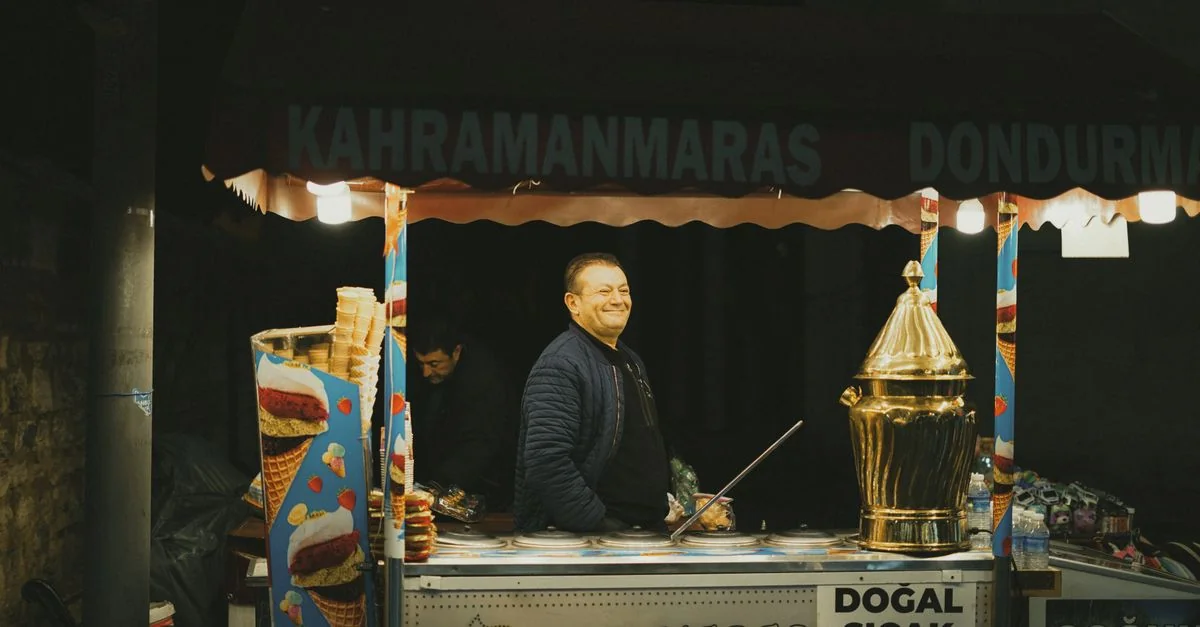
The town center provides the most convenience for those who want to be within walking distance of the main promenade, the ferry terminal, and the various cafes lining the water. Staying in the heart of town puts you in the middle of the action, where you can find budget-friendly guesthouses and mid-range family-run apartments. This area is ideal if you do not plan on renting a car and prefer to rely on your feet to get to dinner or the local market.
For a more relaxed beach experience, the northern part of the coastline offers a variety of mid-range resorts and bungalow-style accommodations. These properties often have direct access to the sea and provide a quieter atmosphere than the town center. You will find that these locations are better suited for travelers who prefer to spend their days lounging by the water and have access to their own transportation to get into town for meals or shopping.
Luxury seekers often look toward the outskirts of Dikili, where larger, full-service properties are situated. These resorts offer more amenities, such as large swimming pools, private beach sections, and practical dining options. While these locations are further removed from the local town life, they provide a self-contained environment that caters to those who want a stress-free, all-inclusive style experience without having to navigate daily logistics.
Top Things to Do in Dikili#
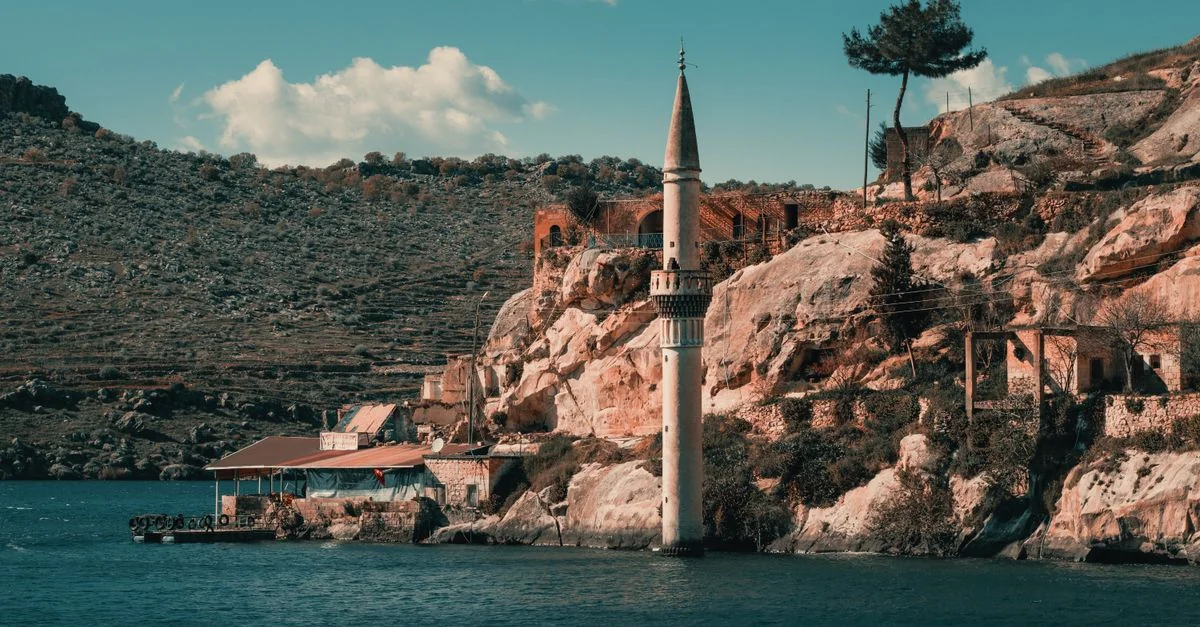
The primary draw for most visitors is the long expanse of the Dikili Beach, which stretches for miles and offers plenty of space to find your own spot on the sand. The water here is clean and inviting, making it perfect for a morning swim before the afternoon winds pick up. Just a short drive away, you will find the Nebiler Waterfall, a tranquil spot where you can hike through a small canyon and enjoy the cool spray of the water. It is a refreshing change of pace from the salt air and a popular location for a picnic among local families.
History enthusiasts should make the trip to Pergamon, which is located within a manageable distance from Dikili. This ancient city features an impressive acropolis that sits high on a hill overlooking the modern city of Bergama. The ruins of the library and the steep theater are remarkable, offering a window into the scale of Greek and Roman influence in the region. Closer to town, the Kraton Thermal Springs provide a unique way to relax. These natural hot springs have been utilized for centuries, and you can take in the mineral-rich waters that are said to have therapeutic properties, providing a quiet, contemplative experience.
For those interested in the maritime history of the area, a walk through the Dikili Harbor is a must. You can observe the local fishermen mending their nets and preparing their boats for the next day’s catch. If you have time, consider taking a boat trip to explore the nearby coves and islands that are inaccessible by land. These excursions often include lunch on board and provide a different perspective of the coastline. Another point of interest is the Candarli Castle, which stands guard over a nearby bay. The structure is well-preserved and offers a look at the defensive architecture that once protected these shores from pirates and invaders. Finally, simply wandering through the Dikili Old Town streets reveals traditional stone houses and small, shaded squares where the pace of life remains slow and deliberate, offering the best opportunities for photography and people-watching.
Food and Dining Guide#
Dining in Dikili is centered around the bounty of the Aegean. You will find that the menu changes based on what the fishing boats bring in each morning. A staple of the region is Grilled Sea Bream, often seasoned simply with olive oil, lemon, and a touch of sea salt to highlight the freshness of the fish. You will find this served in almost every seaside restaurant, usually accompanied by a crisp salad of local greens and tomatoes.
For a quick lunch, look for street vendors selling Gozleme, a thin, hand-rolled flatbread stuffed with various fillings such as spinach, salty white cheese, or spiced ground meat. It is cooked on a large, convex griddle and is the ultimate comfort food. Another regional favorite is Zeytinyagli Enginar, which is artichoke hearts cooked in olive oil with carrots and peas. This dish is served cold and is a refreshing choice during the warmer months. If you have a sweet tooth, make sure to try Lokma, a deep-fried dough ball soaked in syrup. You will often see these being made fresh in the town center, and they are best eaten warm while walking along the promenade.
When it comes to choosing where to eat, the waterfront restaurants are the most popular, offering tables with views of the sea. These establishments range from casual meze houses to more formal dining rooms. If you want a truly local experience, venture into the side streets away from the water. Here, you will find smaller, family-run diners where the prices are more modest and the recipes have been passed down through generations.
Getting Around Dikili#
Navigating Dikili is straightforward, though your strategy should depend on how much of the surrounding area you intend to see. Within the town center, walking is the most effective way to get around. The streets are relatively flat, and the main attractions, restaurants, and shops are clustered close together. If you are staying in the center, you likely will not need any form of motorized transport for daily errands.
For longer distances, such as reaching the beaches located outside of the town or visiting nearby towns like Bergama, you can utilize the local minibus system, known as a dolmus. These vans run on set routes and are an affordable way to travel. You simply flag them down or board at the designated stops. While they are efficient, they do not always follow a strict schedule, so it helps to ask a local about the timing for your return trip.
Taxis are readily available and are a convenient option if you are traveling with a group or prefer a direct route. It is standard practice to confirm the fare with the driver before you start your journey. If you plan on exploring the rural areas or visiting multiple archaeological sites in one day, renting a car is the most practical choice. It gives you the freedom to set your own pace and reach spots that public transit does not serve. Keep in mind that driving in Turkey requires an international driving permit and a comfort level with navigating winding coastal roads.
Budget Breakdown#
Dikili remains an accessible destination for a variety of budgets. For the budget traveler, daily costs can be kept quite low by staying in simple guesthouses, eating street food or shopping at the local markets for fresh produce, and utilizing the dolmus system for transportation. This tier focuses on simplicity and local immersion, allowing you to experience the region without significant expenditure.
Mid-range travelers will find that their budget goes a long way here. This tier typically includes staying in comfortable, well-located apartments or boutique guesthouses, dining at sit-down restaurants along the waterfront for most meals, and occasionally hiring a taxi or renting a car for day trips. You can enjoy a high level of comfort and convenience without the premium price tags found in major tourist hubs.
Luxury travelers will find that high-end options are more limited but still available. This budget covers staying in the most exclusive resorts, dining at the top-rated seafood restaurants, and arranging for private transfers or guided tours to nearby historical sites. Even at the luxury level, you will find that costs are generally lower than what you might expect in more famous Mediterranean destinations, providing excellent value for the level of service and comfort received.
Travel Tips for Dikili#
Language is an important consideration, as English is not widely spoken outside of the primary tourist-facing businesses. Learning a few basic phrases in Turkish, such as greetings and expressions of gratitude, will go a long way in helping you build a rapport with the locals. Most shopkeepers and restaurant owners appreciate the effort, and it often leads to a warmer reception.
Cash remains king in many of the smaller shops and markets. While larger establishments and hotels will accept credit cards, you should always carry enough Turkish Lira for small purchases, snacks, and bus fares. ATMs are available in the town center, but it is wise to withdraw money at the start of your trip to avoid any issues with machine availability or connectivity.
Sun Protection is essential regardless of the time of year you visit. The Aegean sun is strong, and the reflection off the water can intensify the exposure. Pack high-quality sunscreen, a wide-brimmed hat, and polarized sunglasses. If you are planning on hiking or visiting archaeological ruins, remember that there is often very little shade, so bringing a reusable water bottle to stay hydrated is a necessity.
Etiquette in Turkey is generally relaxed, but it is respectful to dress modestly when visiting areas away from the beach. While swimwear is perfectly acceptable on the sand, covering up when walking through the town streets is standard practice. This is particularly relevant if you plan to visit any religious sites or local villages, where a more conservative approach to attire is appreciated.
Tipping is customary in restaurants and for personal services. While a service charge is sometimes included in the bill, leaving a small additional tip for excellent service is a common gesture. Aim for a modest percentage of the total bill, and you will find that it is well-received by the staff.
Connectivity can be managed by purchasing a local SIM card if you require constant access to data. Most cafes and hotels offer Wi-Fi, but it can be intermittent in older buildings. If you rely on your phone for navigation, download offline maps before you arrive to ensure you can find your way around even when the signal is weak in the more rural areas surrounding the town.
📌 Disclaimer
Prices, schedules, tour details, flight routes, visa requirements, and all other information on this page are based on data at the time of writing. Fares, availability, and policies may change. Please verify current details on the official website before booking.
📌 More about Dikili