📌 Disclaimer
Prices, schedules, tour details, flight routes, visa requirements, and all other information on this page are based on data at the time of writing. Fares, availability, and policies may change. Please verify current details on the official website before booking.
Why Visit Derry-Londonderry?#
Rain slicked the ancient blue basalt stones beneath my boots, mirroring the grey evening sky over the River Foyle as the iron gates of the walled city groaned shut for the night. Derry-Londonderry—called simply Derry by most locals and Londonderry by unionists—offers American travelers a rare chance to walk atop defensive fortifications that have stood completely unbroken since the seventeenth century. Stepping through these gates means crossing straight into a living museum where modern street art and medieval architecture share the same damp morning air.
Beyond the seventeenth-century ramparts, the city delivers a deeply engaging narrative of resilience, music, and transformation. The Bogside neighborhood tells the modern story of Northern Ireland through monumental murals painted directly onto gable walls, chronicling the civil rights era and the Troubles with raw honesty. Yet, away from the historical weight, the town pulses with traditional fiddle music spilling from neighborhood pubs, friendly locals eager to chat over a pint of stout, and a creative energy that recently earned the city designation as the UK City of Culture.
For visitors traveling from the United States , this destination provides a much-needed alternative to the heavily touristed streets of Dublin or Belfast. The compact size of the center means you can easily explore historic sites, museums, and cozy restaurants entirely on foot without renting a car for urban sightseeing. It serves as a natural gateway to the dramatic landscapes of the Wild Atlantic Way and the Giant’s Causeway, making it an ideal stop on a broader Irish road trip.
Best Time to Visit Derry-Londonderry#
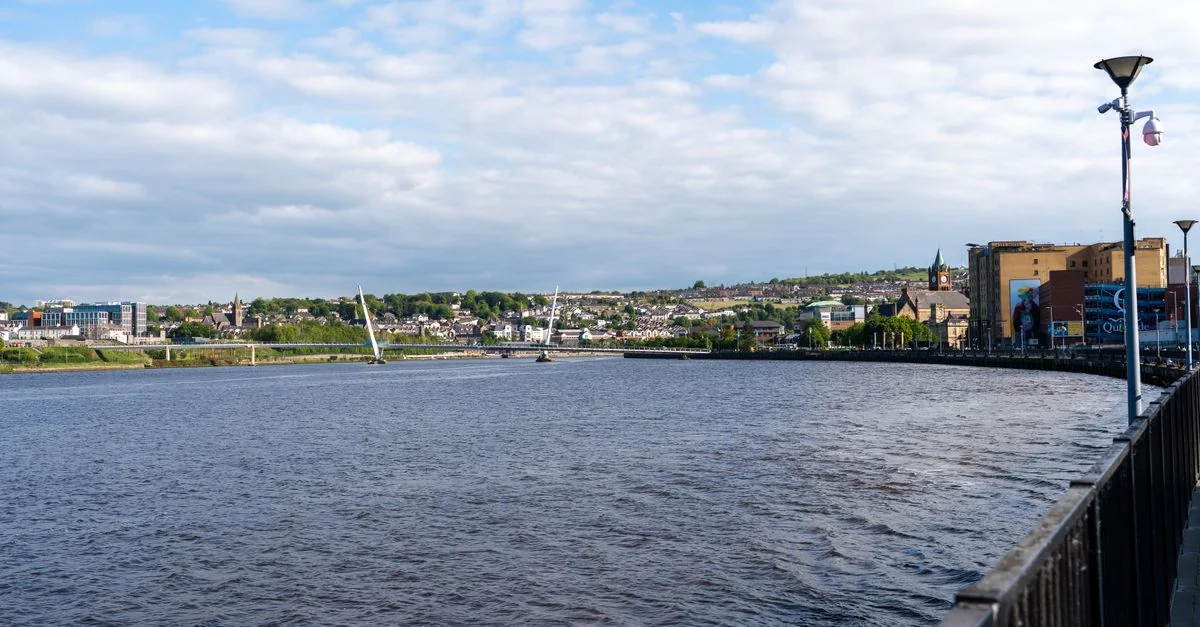
Planning your trip involves weighing weather patterns against festival schedules, as Northern Ireland experiences distinct seasonal shifts. May through September brings the most favorable weather conditions, with long daylight hours stretching past ten o’clock at night in June. Temperatures during these summer months typically hover in the upper sixties Fahrenheit, offering comfortable conditions for walking the walls. However, July and August draw larger crowds of European and American vacationers, resulting in higher airfares and hotel rates across the board.
Shoulder months like May, June, and September strike an optimal balance for travelers seeking smaller crowds and moderate pricing. During these periods, you can secure mid-range accommodations more easily and enjoy shorter queues at popular historic sites. Rain remains a constant possibility year-round in this part of the world, so packing a reliable windproof jacket matters more than the exact calendar month you choose.
Winter brings shorter days, chilly winds, and temperatures frequently dropping into the thirties, but the city compensates with indoor coziness and festive charm. October stands out as a particularly exciting time to visit because the city hosts the largest Halloween festival in Europe . Streets flood with costumed revelers, parades, and pyrotechnics, creating an electric atmosphere that completely transforms the historic center. Travelers aiming for the Halloween celebration must book lodging six to twelve months in advance, as rooms fill up rapidly and prices spike significantly.
Where to Stay in Derry-Londonderry#
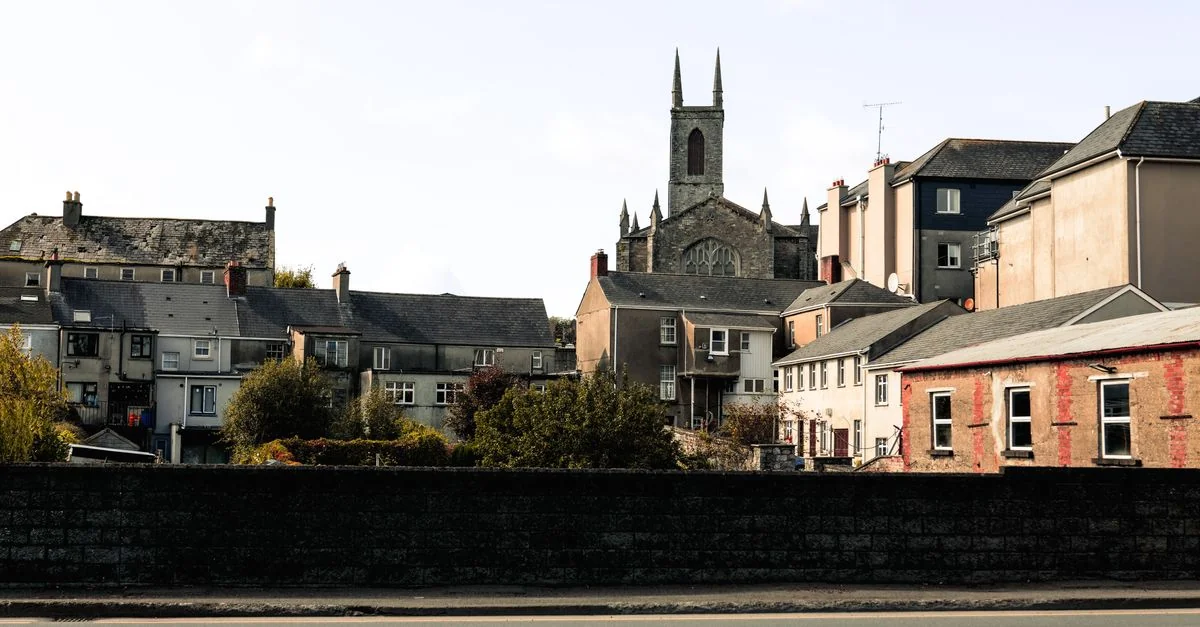
Choosing where to lay your head depends largely on whether you prefer historic charm, modern convenience, or quiet neighborhood life. The Walled City stands as the most practical choice for first-time visitors who want to step outside their accommodation and immediately find coffee shops, pubs, and historic monuments. Accommodations here range from upscale boutique properties housed in converted historic buildings to comfortable mid-range guesthouses. Staying inside the fortifications means you never need a taxi to reach the main sites, though weekend evenings can occasionally bring lively street noise from nearby pubs.
Just outside the ancient stone gates, the Wateride district sits across the River Foyle and offers a more residential feel with slightly lower nightly rates. Budget-conscious travelers and families often find great value in guesthouses and bed-and-breakfasts situated on this eastern bank. Walking across the pedestrian Peace Bridge into the historic center takes less than ten minutes, making the location both economical and convenient.
For travelers seeking a bohemian atmosphere with strong ties to local history, the Bogside neighborhood offers proximity to the famous murals and community museums. While lodging options here lean toward independent guesthouses and apartment rentals rather than traditional hotels, the neighborhood provides an authentic window into everyday life. Prices in the Bogside generally trend lower than those within the ancient walls, making it an attractive option for budget travelers who appreciate deep historical context right outside their door.
Top Things to Do in Derry-Londonderry#

Begin your exploration by walking the entire perimeter of the City Walls, a defensive circuit built between sixteen-thirteen and sixteen-eighty-eight to protect English and Scottish planters. As you pace the wide stone walkway, you will look down upon seventeenth-century streets while cannons dating back centuries still point outward across the river. Pausing along the ramparts reveals how the historic layout of four main gates—Bishop’s Gate, Ferryquay Gate, Shipquay Gate, and Butcher’s Gate—continues to dictate the flow of modern traffic and pedestrian life.
Descending from the walls, make your way directly to the Tower Museum, which anchors one corner of the historic center with its striking stone architecture. Inside, permanent exhibits guide visitors through the tumultuous history of the region, from prehistoric times through the plantation era to the recent decades of civil conflict. The top floor features an observation deck offering sweeping panoramic views over the rooftops of the old town and the distant hills of Donegal.
A short walk away stands St. Columb’s Cathedral, the oldest building in the post-medieval city, constructed in sixteen-thirty-three using distinctive Gothic architecture. Stepping inside brings immediate quietude, with stained-glass windows filtering soft light onto original oak pews and glass cases holding historical artifacts, including the siege diaries from the seventeenth century. Across town, the much larger St. Eugene’s Cathedral showcases soaring nineteenth-century Gothic Revival design and intricate stone carvings that reflect the city’s Catholic heritage.
No visit remains complete without walking through the Bogside Murals, a collection of large-scale paintings created by local artists known as the Bogside Artists. These lively visual statements on gable walls depict pivotal moments from the civil rights movement and the Battle of the Bogside, providing a raw and educational look at recent history. Nearby, the Museum of Free Derry deepens this narrative through personal artifacts, photographs, and audio recordings from residents who lived through the era.
To experience modern architecture and engineering, walk across the Peace Bridge, a sweeping serpentine pedestrian and cyclist bridge that spans the River Foyle. Its crossed structural steel design symbolizes a handshake between communities that were once deeply divided, and walking across at sunset offers lovely views of the city skyline reflecting on the water. For art enthusiasts, the Void Art Gallery presents rotating contemporary exhibitions featuring international and local artists, proving that the local culture extends far beyond historical monuments.
Finally, step into the Craft Village, a charming reconstructed eighteenth-century pedestrian square tucked away just off Shipquay Street. Thatch-roofed cottages and Georgian facades house independent artisan workshops where you can watch local craftspeople weave textiles, blow glass, and paint pottery without the distraction of heavy tourist crowds.
Food and Dining Guide#
The local food scene bridges traditional Irish comfort fare and modern global influences, relying heavily on fresh seafood from nearby coastal waters and hearty meats from Ulster farms. For breakfast, you must order a traditional Ulster Fry, a massive morning plate featuring soda farls, potato bread, bacon, sausages, eggs, and black or white pudding. This substantial meal will easily keep you fueled through a long morning of walking the historic ramparts.
Lunch and casual dining often center around Derry Bread and Pastries, particularly potato bread and soda bread served warm with local butter at neighborhood bakeries. When dinnertime arrives, seek out a cozy tavern serving slow-cooked Irish Beef and Guinness Stew, where tender chunks of beef melt alongside root vegetables in a rich, dark broth. Another regional favorite is Fresh Atlantic Seafood Chowder, a thick, creamy soup loaded with white fish, salmon, and shellfish, typically served with crusty brown bread.
For casual daytime bites, the indoor market spaces and independent bakeries scattered throughout the walled center offer excellent locally made cheeses, cured meats, and savory pastries. When dinner approaches, traditional pubs often host live music while serving elevated pub grub like smoked salmon tartines and roasted lamb shanks alongside international dishes. Reservations for weekend dinner spots inside the walls are strongly recommended, as popular dining rooms fill up quickly with both locals and visiting travelers.
Getting Around Derry-Londonderry#
Navigating this compact destination requires very little reliance on automobiles if you base your stay near the center. The historic core and the surrounding neighborhoods are exceptionally walkable, with most major attractions, pubs, and restaurants sitting within a fifteen-minute radius on foot. Sidewalks are well-maintained, though travelers should prepare for uneven cobblestones and occasional steep inclines when climbing up to the top of the defensive walls.
Public transportation within the urban area relies on a dependable network of local buses operated by regional transit services, connecting the center to outlying residential districts and neighboring towns. Bus stops are clearly marked, and drivers accept contactless credit card payments or exact cash fares in British pounds.
Taxis provide a convenient alternative for rainy days or late-night returns to your guesthouse, and local cab companies can be easily hailed at designated stands near the bus station or called by phone. Rides within the city limits remain relatively affordable compared to major capital cities in the UK or Ireland.
Renting a car is generally unnecessary if you plan to spend your entire holiday exploring urban sites and museums. However, having a rental vehicle becomes invaluable if you intend to venture beyond the city limits into the Sperrin Mountains or along the northern coast toward County Donegal. If you do drive, remember to stay on the left side of the road, and note that parking garages and street-level pay-and-display bays are readily available just outside the pedestrianized zones.
Budget Breakdown#
Planning your expenses helps ensure a smooth trip, and costs here generally trend lower than those in Dublin, London, or Belfast. For budget travelers staying in hostel dorms or simple guesthouses outside the walls, eating at casual bakeries, and relying entirely on walking and public transit, daily expenses typically range from $60 to $100 USD per person. This tier allows you to enjoy free historical walks, affordable museum entry tickets, and simple pub meals.
Mid-range travelers staying in comfortable three-star hotels or central bed-and-breakfasts can expect daily expenditures between $150 and $250 USD. This budget covers sit-down dinners at popular restaurants, taxi rides when needed, paid guided walking tours, and tickets to all major historical attractions without constantly watching every penny.
Luxury travelers booking upscale boutique properties inside historic buildings, dining at fine-dining establishments, and hiring private tour guides should budget upwards of $350 to $500 USD per day. Premium accommodations and high-end culinary experiences are available, though the overall market offers high value for the quality provided compared to larger European tourism hubs.
Currency exchange requires a bit of attention since Northern Ireland uses British pounds rather than euros, even though the Republic of Ireland sits just a few miles away. Carrying a small amount of cash is useful for tipping buskers or buying small items at craft stalls, but contactless card payments are widely accepted across virtually all shops, restaurants, and taxis.
Travel Tips for Derry-Londonderry#
Currency Matters requires keeping in mind that Northern Bank, Danske Bank, and other local institutions issue their own versions of British pound banknotes. While legally accepted throughout the United Kingdom , some automated machines or merchants outside the region can occasionally hesitate to accept them, so simply ask the merchant to swap them for standard Bank of England notes if you encounter any confusion.
Weather Preparation is essential because rain showers can appear with very little warning regardless of the season. Always pack a waterproof outer layer, sturdy walking shoes with good traction for slick stone surfaces, and clothing that you can easily layer up or down as conditions shift throughout the day.
Political Sensitivities deserve respectful awareness from American visitors, as local history runs deep and identity remains an important topic for residents. Locals are generally warm and open to friendly conversation, but approaching discussions about politics and history with curiosity rather than assumption ensures positive interactions in pubs and shops.
Border Crossings happen naturally and invisibly when you drive or take a bus south into County Donegal in the Republic of Ireland. There are no physical checkpoints or border controls, but remember that the currency changes from British pounds to euros once you cross that unmarked boundary.
Pub Etiquette dictates that you typically order your drinks at the bar rather than waiting for table service, even in establishments that serve full food menus. When live traditional music sessions start in the corner of a pub, conversation naturally quiets down so everyone can listen and appreciate the musicians.
Electrical Adapters must match the UK standard, which uses the three-pin rectangular plug type operating at two hundred thirty volts. American travelers need to bring a UK-specific plug adapter for all smartphones, cameras, and laptops, though most modern electronics handle the voltage difference automatically.
📌 Disclaimer
Prices, schedules, tour details, flight routes, visa requirements, and all other information on this page are based on data at the time of writing. Fares, availability, and policies may change. Please verify current details on the official website before booking.