📌 Disclaimer
Prices, schedules, tour details, flight routes, visa requirements, and all other information on this page are based on data at the time of writing. Fares, availability, and policies may change. Please verify current details on the official website before booking.
Why Visit Dallas?#
The scent of mesquite smoke drifts across the downtown skyline as the sun sets, casting long shadows over the glass towers that define the city. Dallas serves as a functional intersection of Texas history and modern ambition, offering a scale that feels manageable yet expansive. Unlike coastal cities that rely on a single industry, this city balances a deep-seated appreciation for the arts with a gritty, hardworking spirit that defines the North Texas plains. It is a place where you can spend your morning examining state-of-the-art architecture and your afternoon exploring the stark reality of the mid-century political past.
Visitors often find that the city rewards those who look past the surface-level reputation for luxury shopping. There is an authentic pace here, driven by a population that values hospitality and clear, direct communication. Whether you are interested in the evolution of Western art, the intricacies of professional sports, or simply finding a quiet park to escape the heat, the city provides a structured environment for exploration. It is a destination that prioritizes comfort and accessibility, making it an ideal choice for travelers who want a straightforward, high-quality urban experience without the sensory overload found in larger, more chaotic metropolitan areas.
Best Time to Visit Dallas#
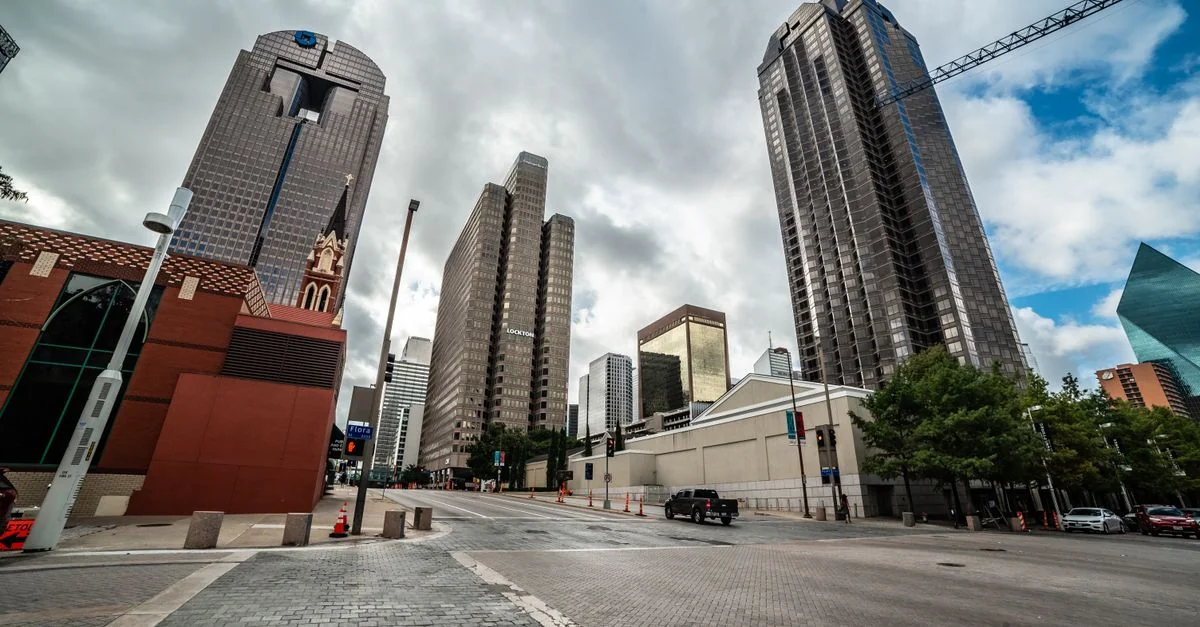
Planning your trip requires balancing the intense summer heat against the milder temperatures of the shoulder seasons. Spring, specifically March through May, presents the most comfortable weather. During these months, the city experiences moderate temperatures and a landscape flush with wildflowers. While this period attracts more visitors, the outdoor spaces are at their most usable, and the risk of extreme heat remains low. Expect higher demand for lodging during these months, as major local festivals and outdoor events often coincide with the pleasant weather.
Autumn, spanning from late September through November, serves as the second ideal window. As the humidity of the summer dissipates, the city settles into a comfortable rhythm. This is often the best time to secure lower rates on lodging compared to the spring peak. Winter, while generally mild, can bring erratic cold fronts, but it remains a practical time to visit if you prefer avoiding crowds. Prices for accommodation typically drop during the winter months, providing a cost-effective option for travelers who do not mind wearing a light jacket. Summer, from June through August, brings significant heat that can limit outdoor activities to the early morning or evening hours. While air-conditioned indoor attractions remain open and functional, travelers should prepare for the reality of triple-digit temperatures and plan their itineraries accordingly.
Where to Stay in Dallas#
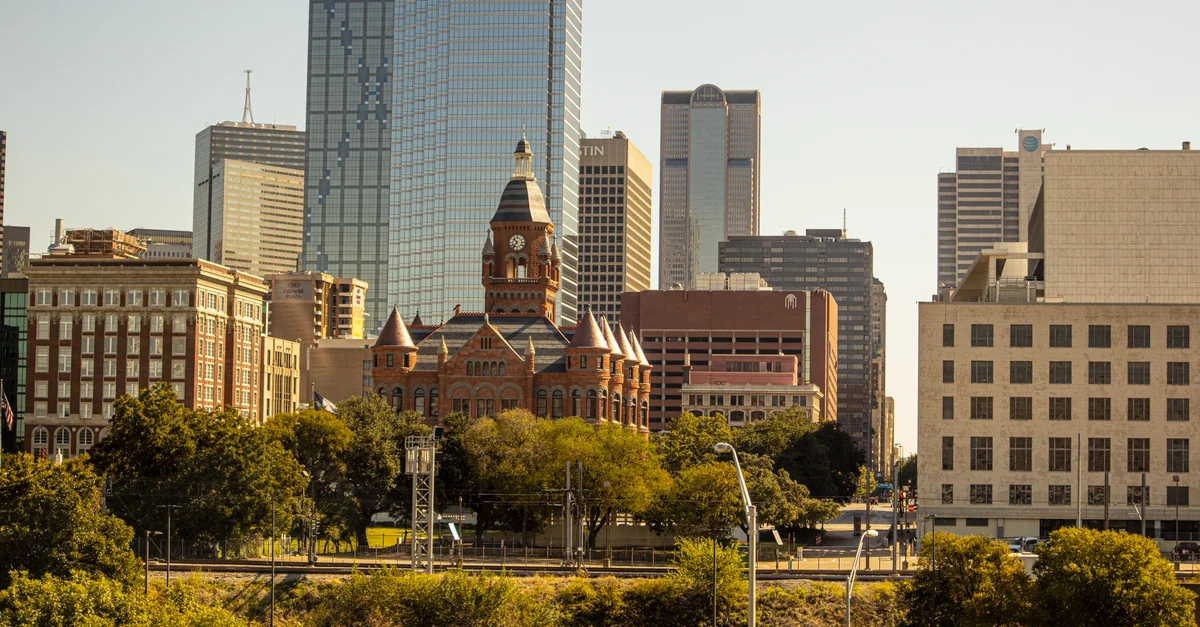
Choosing a neighborhood depends largely on your desired level of walkability and your proximity to specific sights. Downtown is the primary choice for those who want to be in the center of the action. This area is home to the most significant concentration of museums and historic sites. Staying here allows for easy access to public transit lines, making it a convenient base for travelers who prefer to rely on trains and buses rather than rental cars. You will find a range of options from high-end luxury towers to more functional, mid-range business-style accommodations.
Uptown offers a more residential feel with a high density of restaurants and bars. It is a popular choice for visitors who want to spend their evenings walking to dinner or finding a casual spot for a drink. The area is well-connected by a free trolley system, which adds a layer of convenience for those exploring the local corridor. Accommodations here tend to lean toward the mid-range and luxury segments, often featuring modern amenities and proximity to public parks.
For a more eclectic experience, the Bishop Arts District provides a collection of smaller, boutique-style lodgings. This neighborhood is known for its independent shops and creative atmosphere, perfect for travelers who prefer a slower pace and a more local feel. While you will likely need a car to reach other parts of the city from here, the immediate area is highly walkable. If you are traveling on a tighter budget, looking toward the northern outskirts or near the medical district can yield more affordable nightly rates, though you will sacrifice the convenience of being within walking distance of the primary attractions.
Top Things to Do in Dallas#
The history of the city is anchored by the Sixth Floor Museum at Dealey Plaza, which occupies the former Texas School Book Depository. The exhibit provides a detailed, objective look at the events surrounding the assassination of John F. Kennedy, utilizing photographs and historical artifacts to tell the story of that day. Just a short walk away, the Dallas Arboretum and Botanical Garden offers a stark contrast to the urban center. Situated on the shores of White Rock Lake, the garden features sprawling displays of seasonal flora and quiet walking paths that provide a necessary respite from the city noise.
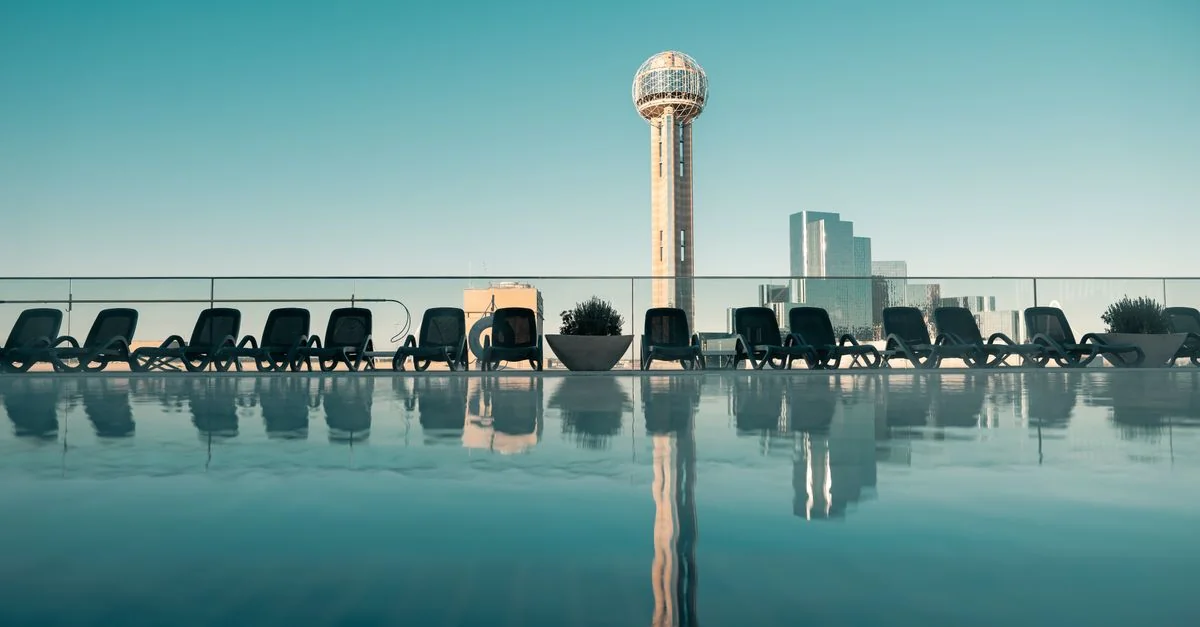
Art enthusiasts should prioritize the Dallas Museum of Art, which maintains a massive collection spanning thousands of years. The museum is located in the Arts District, an area that also houses the Nasher Sculpture Center. The latter is an open-air museum specifically designed to showcase modern and contemporary sculpture in a garden setting, allowing visitors to view works by masters like Rodin and Moore under natural light. For a different perspective on the city, a trip to the Reunion Tower is essential. The observation deck provides a panoramic view of the skyline, which is particularly impressive at night when the city lights reflect off the surrounding glass structures.
If you are interested in the local culture, the Perot Museum of Nature and Science offers interactive exhibits that are engaging for all ages, focusing on everything from dinosaur fossils to engineering challenges. For a more laid-back afternoon, the Klyde Warren Park serves as an urban deck park built over a major freeway, connecting the downtown area with the uptown neighborhood. It acts as a communal living room for the city, featuring food trucks, shaded seating, and open lawns. Finally, consider exploring the Deep Ellum neighborhood. While known for its music history, it also houses a collection of murals and street art that reflect the city’s creative output. If you have time, the Dallas World Aquarium offers a unique indoor experience that emphasizes conservation and houses a variety of species within a multi-story rainforest environment.
Food and Dining Guide#
The local dining scene is defined by its commitment to bold flavors and traditional techniques. You cannot visit without sampling Texas-style brisket, which is typically smoked low and slow over post oak wood until it reaches a tender, melt-in-your-mouth consistency. Most high-quality barbecue joints serve this by the pound on butcher paper, often accompanied by simple sides like pickles, onions, and white bread. Another staple is Tex-Mex, a specific regional style that emphasizes yellow cheese, cumin, and chili gravy. A classic plate of cheese enchiladas or crispy tacos is a rite of passage here.
For those who enjoy a casual lunch, fajitas are a worth trying. The sizzling platter of grilled meat, onions, and peppers, served with fresh flour tortillas, is a hallmark of local cooking. You will also find that chicken fried steak remains a beloved comfort food, consisting of a breaded, fried cutlet served with a generous helping of creamy white gravy and mashed potatoes. If you are looking for something quick while exploring, search for a local taco stand serving street tacos with al pastor or barbacoa. These are often the most flavorful and affordable meals you will encounter. Dining in the city ranges from upscale steakhouses that focus on high-quality cuts of beef to casual, family-owned spots that have been operating for generations. The key is to look for places that draw a local crowd, as these establishments generally provide the most authentic representation of the regional palate.
Getting Around Dallas#
Navigating the city requires a bit of planning, as the sprawl is significant. The public transit system, operated by a regional agency, includes a light rail network that is quite useful for connecting major areas like downtown, the arts district, and even the airport. The trains are generally clean and efficient, though they may not reach every corner of the city. For those staying in the central districts, the light rail combined with the free trolley service in the uptown area can cover the majority of your travel needs.
Taxis and ride-sharing services are readily available throughout the city and are often the most practical choice for short trips or evening outings when public transit frequency decreases. If you plan to visit attractions outside the immediate city center, such as the arboretum or certain suburban neighborhoods, renting a car is highly recommended. The city is designed around a highway system, and having your own vehicle provides the flexibility to reach destinations that are not easily accessible by train or bus. Be prepared for traffic during morning and evening rush hours, as the highways can become quite congested. Walking is a viable way to explore specific neighborhoods like the arts district or the bishop arts area, but the city as a whole is not designed for pedestrians to travel between major districts on foot.
Budget Breakdown#
Your daily budget will fluctuate based on your preferences for dining and accommodation. For a budget-conscious traveler, you can expect to spend roughly $120 to $170 per day. This assumes you stay in more affordable lodging on the outskirts, utilize public transit, and eat at casual eateries or food trucks. You can keep costs low by focusing on free attractions like the city parks and certain museum days where admission is reduced or waived.
A mid-range budget typically falls between $200 and $350 per day. This allows for a more centrally located hotel in downtown or uptown, a mix of casual and sit-down dining, and the convenience of using ride-sharing services for most of your transportation. You will have more freedom to visit ticketed attractions and enjoy a few cocktails or local craft beers in the evenings.
For those seeking a luxury experience, daily budgets often exceed $500. This tier covers high-end hotel suites, fine dining at the city’s top-rated steakhouses, and private transportation or car rentals. You will be able to enjoy premium experiences, such as guided tours or exclusive museum access, without worrying about the cost. Regardless of your budget, the city offers enough variety that you can easily tailor your spending to match your comfort level without feeling like you are missing out on the core experience.
Travel Tips for Dallas#
Weather Preparedness is vital, especially if you visit during the warmer months. Always carry a reusable water bottle and consider wearing light, breathable fabrics. The sun can be intense even on days that do not feel overly hot, so sunscreen and sunglasses are essential gear for any outdoor activity. If you are visiting in the summer, try to schedule your outdoor sight-seeing for the early morning hours and reserve indoor activities like museums for the heat of the afternoon.
Transportation Planning should be done in advance. Check the schedule for the light rail if you plan to use it, as some lines have limited service on weekends. If you decide to rent a car, familiarize yourself with the major highway loops. Parking can be expensive in the downtown core, so look for hotels that include parking or check for public garages nearby to avoid high daily fees.
Tipping Culture in the city follows the standard American practice. It is customary to leave a tip of 18% to 20% at sit-down restaurants and for bar service. If you use ride-sharing services, a small tip is appreciated but optional. Being aware of these expectations will help you navigate the service industry with confidence.
Safety Awareness is similar to any major metropolitan area. Stick to well-lit, populated streets at night and keep your belongings secure. While the city is generally welcoming, it is always wise to remain aware of your surroundings, especially when using public transit late at night. Most of the popular tourist districts are well-patrolled and safe for visitors.
Reservations are recommended for popular restaurants, especially on weekends. If there is a specific steakhouse or trendy spot you have your heart set on, try to book a table at least a few days in advance. This is particularly important for groups, as the most popular venues fill up quickly.
Local Etiquette in the city is generally polite and friendly. People often strike up conversations in lines or at coffee shops, and a simple greeting is the norm. Being patient and respectful goes a long way here, as the pace of life is slightly slower than in some of the larger coastal cities. Enjoy the hospitality, and do not hesitate to ask locals for their personal recommendations, as they are often proud of their city and happy to share their favorite spots.
📌 Disclaimer
Prices, schedules, tour details, flight routes, visa requirements, and all other information on this page are based on data at the time of writing. Fares, availability, and policies may change. Please verify current details on the official website before booking.
📌 More about Dallas