📌 Disclaimer
Prices, schedules, tour details, flight routes, visa requirements, and all other information on this page are based on data at the time of writing. Fares, availability, and policies may change. Please verify current details on the official website before booking.
Photo by Marcelo Mora on Pexels
Why Visit Cusco ?#
Cusco, the ancient capital of the Inca Empire, is a city that seamlessly blends rich history with vibrant culture. Nestled in the Andes Mountains, this UNESCO World Heritage site is the gateway to Machu Picchu and a treasure trove of archaeological wonders. Walking through its cobblestone streets, you’ll find a unique fusion of Incan and colonial Spanish architecture, with impressive ruins like Sacsayhuamán just a stone’s throw from the bustling Plaza de Armas. The city’s historical significance, coupled with its breathtaking scenery, makes it a must-visit for any traveler.
Beyond its historical landmarks, Cusco is a hub of culture and tradition. The city hosts vibrant festivals throughout the year, showcasing colorful parades, traditional music, and dance. The local markets are alive with the sights and sounds of Andean life, offering everything from handmade textiles to fresh produce. Whether you’re wandering through the San Pedro Market or enjoying a traditional Peru vian meal in a local eatery, Cusco offers an immersive experience that engages all your senses.
Best Time to Visit Cusco#
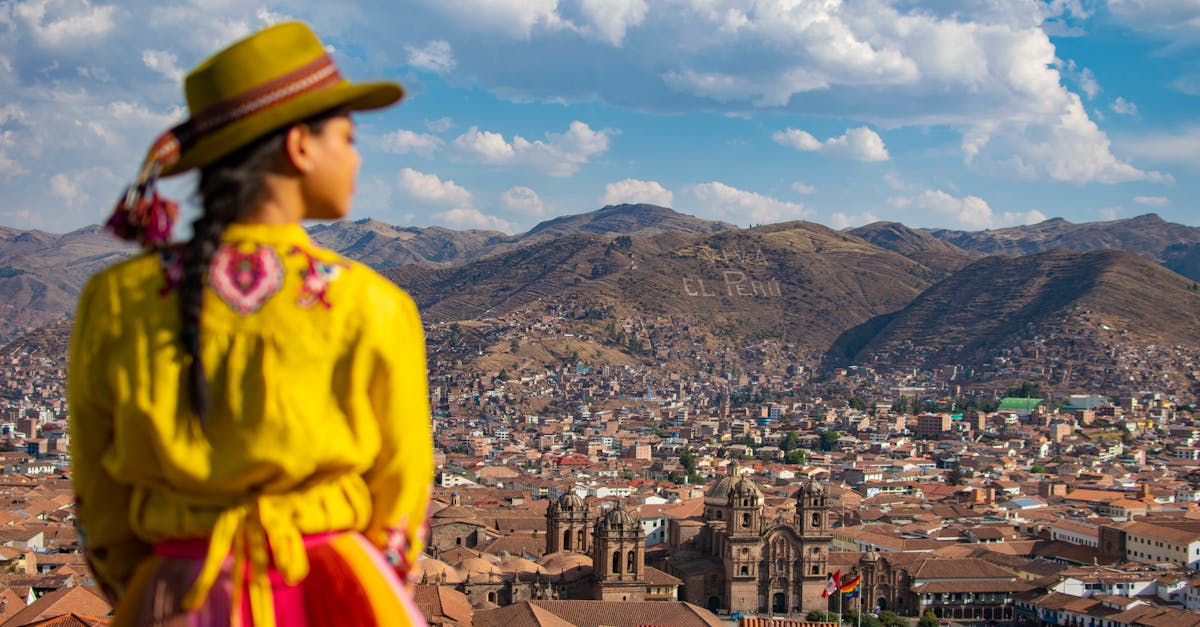
The best time to visit Cusco is during the dry season, which runs from May to September. During these months, you can expect sunny days and minimal rain, making it ideal for exploring the city’s attractions and hiking the nearby trails. July and August are peak tourist months, so expect larger crowds and higher prices, especially around major holidays.
The shoulder months of April and October can also be great options for travelers looking to avoid the busiest times. These months see fewer tourists while still offering decent weather. April may have some lingering rains, but it also features blooming flowers and lush landscapes. Conversely, October marks the end of the dry season, with a chance of rain increasing as the month progresses.
Traveling during the rainy season from November to March can be more affordable, but be prepared for wet weather and potential disruptions in outdoor activities. If you don’t mind the occasional shower, this can be a wonderful time to experience Cusco’s quiet charm.
Where to Stay in Cusco#
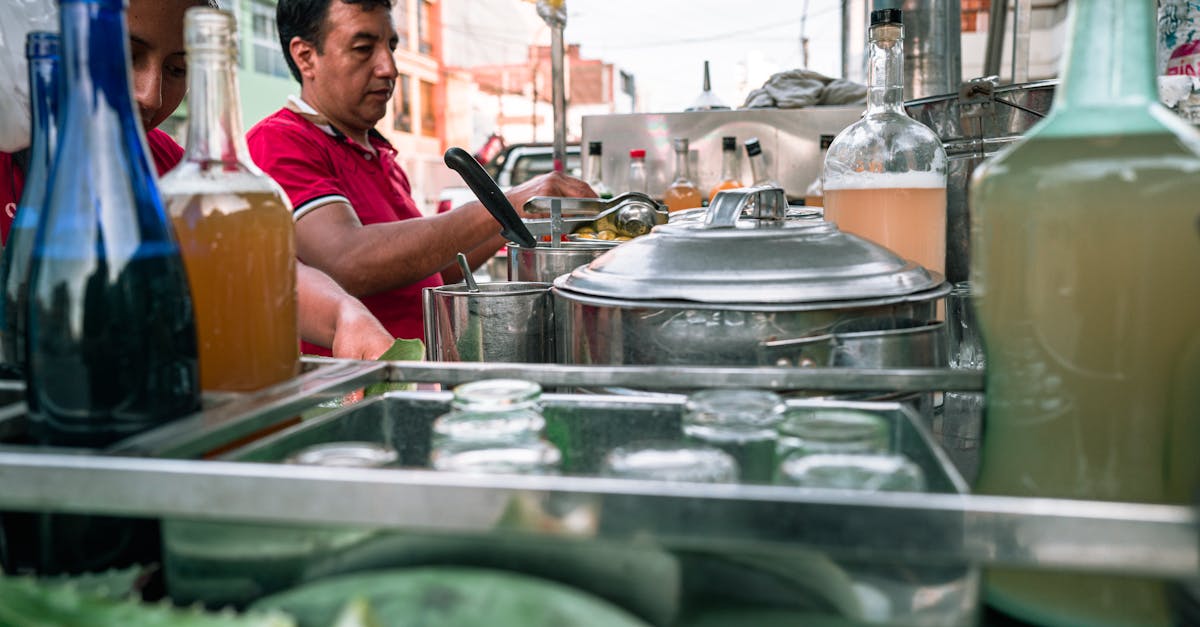
Finding the right neighborhood to stay in Cusco can elevate your travel experience. Here are some recommendations across various budget tiers:
Budget: The San Blas neighborhood is a charming area filled with narrow streets and artisan shops. It’s popular among backpackers and budget travelers, with hostels and guesthouses that offer a cozy atmosphere and easy access to the city center.
Mid-Range: The Centro Histórico is perfect for those who want to be close to major attractions like the Plaza de Armas and Qorikancha. Here, you’ll find comfortable hotels and boutique accommodations that provide a blend of modern amenities and historical charm.
Luxury: For a more upscale experience, consider the areas around Avenida del Sol or the outskirts near the Sacred Valley. These neighborhoods offer luxury hotels with stunning views, exceptional service, and easy access to both the city and surrounding natural beauty.
Local Experience: If you want to immerse yourself in local life, look for accommodations in the neighborhood of San Pedro. This vibrant area is home to the local market and offers a genuine feel of Cusco’s daily life, along with affordable lodging options.
Top Things to Do in Cusco#
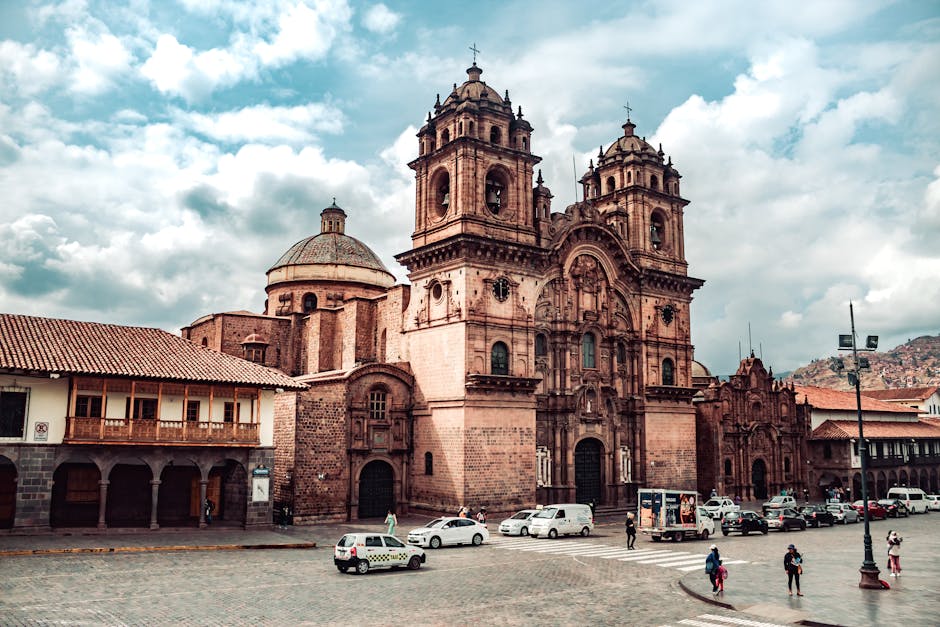
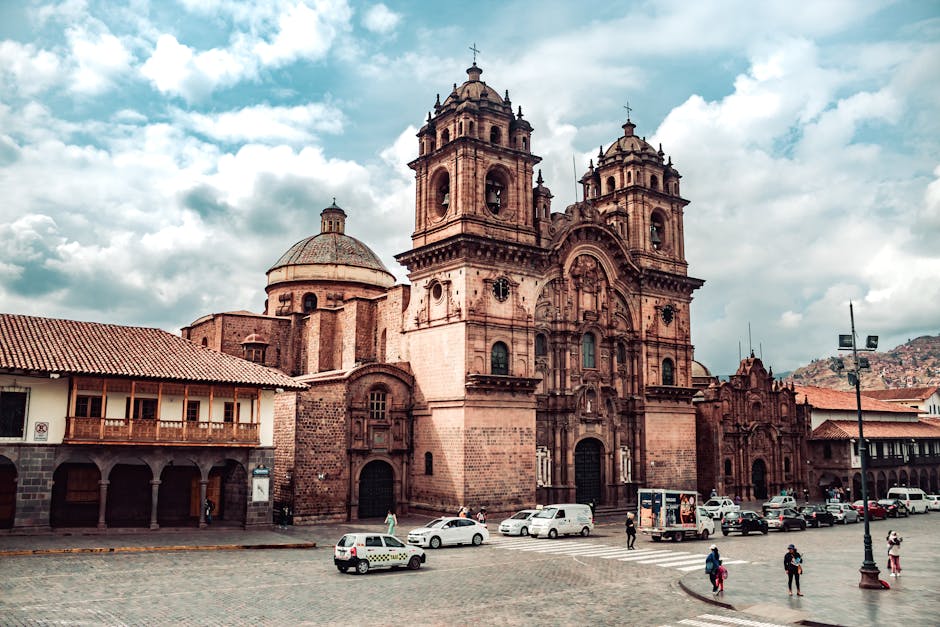
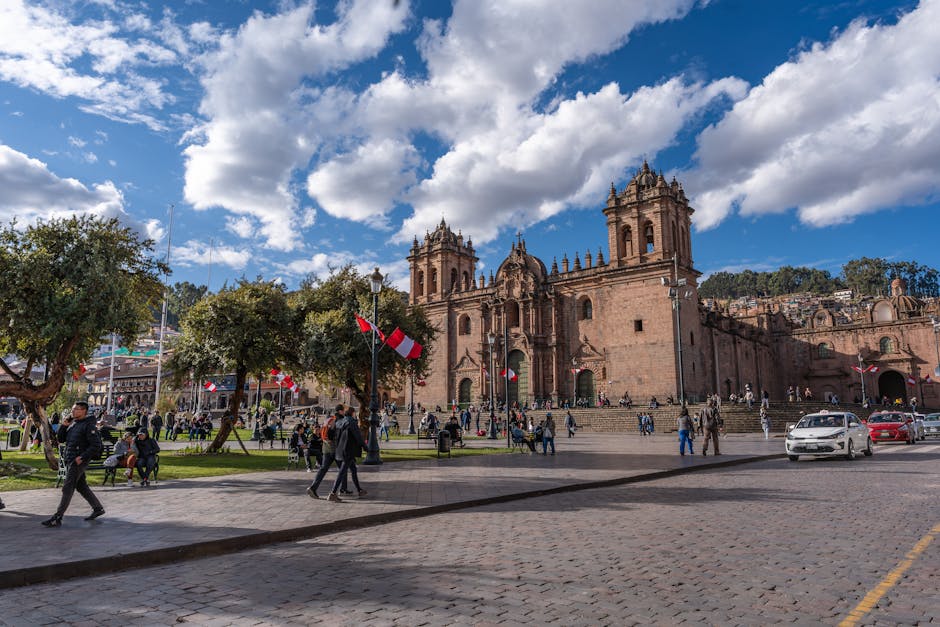
Plaza de Armas: The heart of Cusco, this bustling square is surrounded by stunning colonial buildings and is a great place to start your exploration. It’s also a perfect spot to relax and people-watch.
Sacsayhuamán: A short hike from the city center, this impressive archaeological site features massive stone walls and panoramic views of Cusco. It’s a must-visit for history enthusiasts.
Qorikancha: Once the most important temple in the Inca Empire, this site now houses the Santo Domingo Church. The blend of Incan and colonial architecture is fascinating to explore.
San Pedro Market: Dive into local culture at this vibrant market, where you can find fresh produce, textiles, and traditional foods. It’s a great place to sample local delicacies and buy souvenirs.
Inca Museum: Learn about the rich history of the Inca civilization through a collection of artifacts, textiles, and art. This museum provides valuable insights into Cusco’s past.
Cusco Planetarium: For a unique experience, visit the Cusco Planetarium, where you can learn about Incan astronomy and enjoy stargazing sessions. It’s a fantastic way to connect with the ancient culture.
ChocoMuseo: Chocolate lovers will enjoy this interactive museum that explores the history of chocolate in Peru. Participate in a chocolate-making workshop for a sweet souvenir.
Q’enqo: Another significant archaeological site, Q’enqo is known for its unique rock formations and ritual sites. It’s less crowded than Sacsayhuamán, making it a peaceful visit.
Moray: Located a bit further out, these circular terraces were used by the Incas for agricultural experimentation. The site offers stunning views and is a great half-day trip from Cusco.
Rainbow Mountain: For the adventurous traveler, a trek to Rainbow Mountain is a must. Known for its vibrant colors, the hike is challenging but rewarding, showcasing the stunning Andean landscape.
Food and Dining Guide#
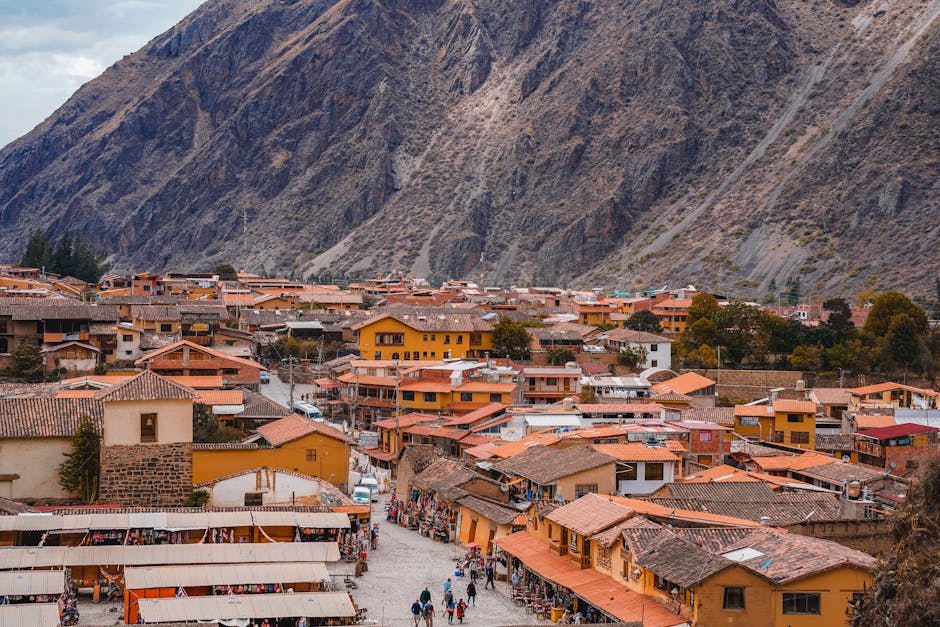
Cusco’s culinary scene is a delightful mix of traditional and contemporary Peruvian cuisine. Here are some local highlights and must-try dishes:
Ceviche: This classic dish features fresh fish marinated in lime juice, mixed with onions and cilantro. It’s a refreshing treat, especially after a day of exploring.
Lomo Saltado: A stir-fry of beef, tomatoes, onions, and fries, this dish reflects the fusion of Peruvian and Chinese cuisine. It’s hearty and flavorful, often served with rice.
Aji de Gallina: A creamy chicken dish made with aji amarillo peppers, walnuts, and cheese. It’s rich and comforting, perfect for a cozy meal.
Causa Rellena: This cold dish consists of layers of mashed potatoes seasoned with lime and aji, filled with avocado, chicken, or seafood. It’s a popular appetizer that showcases local flavors.
Street Food: Don’t miss trying street food like anticuchos (grilled beef heart skewers) and empanadas. These quick bites are delicious and give you a taste of local life.
For dining, you can find everything from casual eateries to upscale restaurants. While street food offers an authentic experience, many local restaurants also focus on using fresh, organic ingredients, making them a great choice for both traditional and modern dishes.
Getting Around Cusco#
Navigating Cusco is relatively easy, and you have several options:
Walking: The city center is compact and pedestrian-friendly, making walking a great way to explore. Enjoy the scenic streets and discover hidden gems along the way.
Public Transit: Buses and minivans (colectivos) are available for longer distances, especially if you plan to visit nearby attractions. They are affordable, but be prepared for crowded conditions.
Taxis: Taxis are a convenient way to get around, especially for longer distances or if you’re traveling with luggage. Always negotiate the fare before getting in, as many taxis in Cusco don’t use meters.
Rental Cars: While renting a car can give you flexibility, driving in Cusco can be challenging due to narrow streets and local driving habits. Many travelers find it easier to rely on public transport or taxis.
Budget Breakdown#
When planning your budget for Cusco, consider the following estimates:
Budget Travelers: Expect to spend around $30-50 per day. This includes dormitory accommodations, street food meals, and public transport.
Mid-Range Travelers: A budget of $70-150 per day is reasonable. This allows for comfortable private accommodations, meals at local restaurants, and some entrance fees for attractions.
Luxury Travelers: For a more upscale experience, budget around $200+ per day. This includes luxury hotels, fine dining, and guided tours to attractions.
Keep in mind that prices can fluctuate based on the season, so it’s wise to plan accordingly, especially during peak travel times.
Travel Tips for Cusco#
Acclimatization: Cusco sits at an elevation of over 11,000 feet, so take time to acclimatize. Drink plenty of water and consider trying coca tea, a local remedy for altitude sickness.
Safety: Cusco is generally safe for tourists, but like any travel destination, be vigilant. Avoid displaying valuables and be cautious in crowded areas to prevent pickpocketing.
Tipping: Tipping is appreciated in restaurants and for guides, typically around 10% of the bill. For taxi drivers, rounding up is common.
Language: While many locals speak some English, learning a few basic Spanish phrases can enhance your experience and help you connect with the community.
SIM Cards: If you need mobile data, consider purchasing a local SIM card upon arrival. They are widely available and provide affordable data plans.
Scams to Avoid: Be wary of overly friendly strangers offering unsolicited help, as they may expect payment. Always use reputable tour agencies and check reviews before booking excursions.
Explore Beyond Cusco: If you’re also considering a trip to Buenos Aires, Argentina , make sure to plan enough time to explore both cities!
With its rich history, stunning landscapes, and vibrant culture, Cusco promises an unforgettable travel experience. Whether you’re wandering through ancient ruins or savoring local cuisine, the city offers something for every traveler.