📌 Disclaimer
Prices, schedules, tour details, flight routes, visa requirements, and all other information on this page are based on data at the time of writing. Fares, availability, and policies may change. Please verify current details on the official website before booking.
Why Visit Costa Maya?#
The scent of grilled lime and woodsmoke drifts off the Caribbean breeze, mingling with the salt spray crashing against the Mesoamerican Barrier Reef just offshore. Unlike the heavily commercialized resort zones further north, this slice of the Mexican Caribbean offers a slower, more grounded pace of travel where the jungle practically spills onto the sand. Located on the Yucatán Peninsula’s southern coast, this destination was purpose-built as a cruise port in Mahahual, yet step a few blocks away from the pier and you will find a quiet fishing village defined by low-rise palapa roofs, sandy lanes, and locals rocking on front-porch hammocks.
What makes this region genuinely compelling for American travelers is the ease of transitioning from modern cruise infrastructure to raw, untamed nature in a matter of minutes. You can spend your morning sipping fresh coconut water while watching pelicans dive into turquoise shallows, and your afternoon exploring massive Mayan ruins draped in strangler figs without another tourist in sight. It is a place that rewards curiosity, appealing just as much to independent road-trippers renting a car in Cancún for a long coastal drive as it does to weekend visitors looking for an accessible tropical escape.
The sheer diversity of the surrounding landscape sets this area apart from standard beach vacations. Mangrove estuaries weave through the coastline, creating protected waterways where crocodiles, sea turtles, and hundreds of bird species thrive. Meanwhile, the offshore marine park provides some of the healthiest coral formations in the Western Hemisphere. Whether you are seeking a hammock-heavy retreat with a stack of books or an active itinerary involving jungle treks and deep-sea fishing, Costa Maya delivers an authentic slice of Caribbean Mexico .
Best Time to Visit Costa Maya#
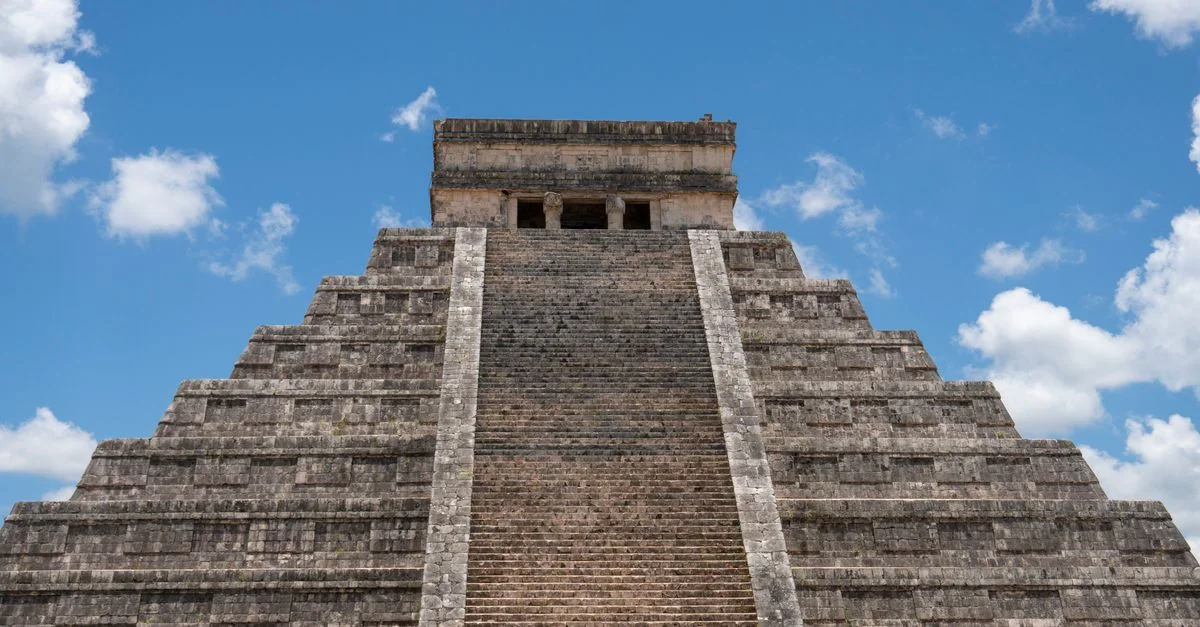
Planning your trip largely depends on how you want to balance weather patterns, budget constraints, and crowd levels. The dry season runs from December through April, bringing comfortable temperatures, lower humidity, and minimal rainfall. This is peak tourist season, particularly around the winter holidays and spring break weeks, meaning accommodation prices reach their highest points and cruise ship arrivals fill the main beach strip of Mahahual. If you travel during these months, expect to book everything well in advance and share the sand with fellow travelers.
For travelers seeking lower prices and fewer crowds, the shoulder months of May, June, and November offer a sweet spot. The weather is warm and generally pleasant, though afternoon tropical showers begin to appear. May brings a distinct heat, while November marks the tail end of the Atlantic hurricane season. Prices for beachfront rentals and excursions drop significantly during this window, and you will have an easier time securing tables at popular local restaurants without reservations.
The true low season spans from July through October, characterized by high humidity, frequent afternoon downpours, and the highest risk of tropical storms. Traveling during these months requires flexibility in your itinerary, as sudden rainstorms can temporarily halt outdoor plans. However, budget-conscious travelers will find the most aggressive discounts on lodging and tour packages. Keep in mind that this period also coincides with seasonal seaweed (sargassum) wash-ups along certain Caribbean beaches, though local municipalities work diligently to clear the shorelines daily.
Where to Stay in Costa Maya#
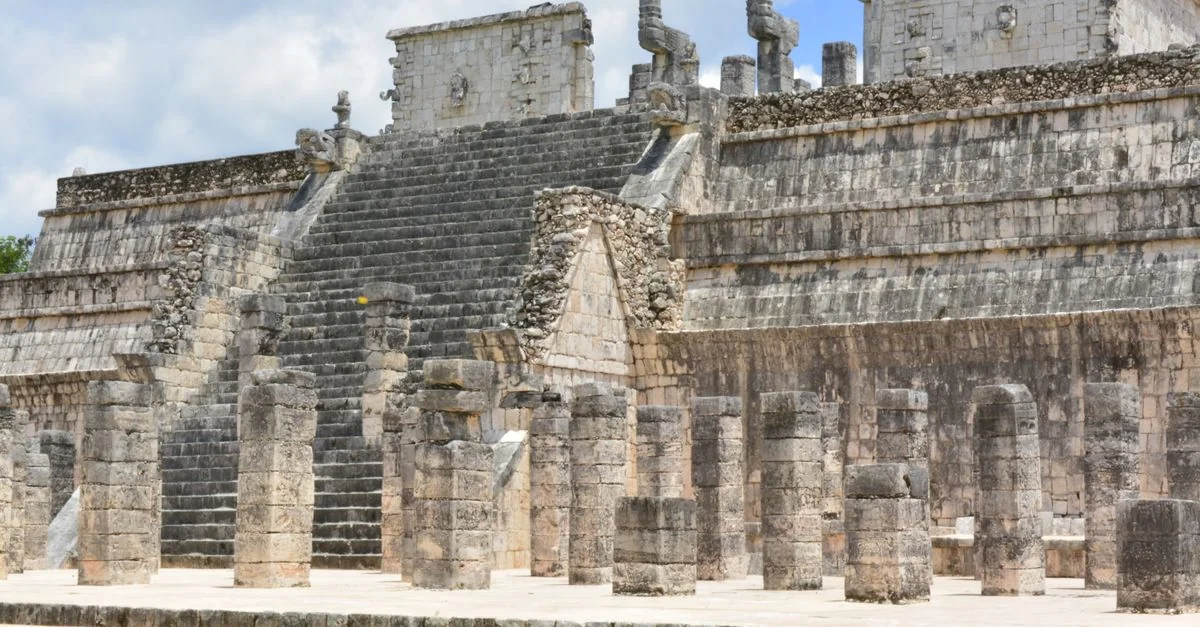
Choosing where to lay your head depends entirely on whether you prefer the convenience of resort amenities, the rustic charm of an off-grid eco-lodge, or the local flavor of a working fishing town.
Mahahual Proper serves as the main hub and offers the widest variety of mid-range accommodations. Staying right along the Malecón places you within walking distance of beachfront restaurants, dive shops, and convenience stores. Budget travelers can easily find clean, no-frills guesthouses and small family-run inns just a street or two back from the ocean, while mid-range visitors enjoy modern boutique hotels featuring rooftop pools and ocean-view balconies.
The Beach Road North of Mahahual shifts toward a quieter, more secluded atmosphere. As you travel further up the coast toward Xcalak, the pavement eventually gives way to packed sand, and electricity often comes from solar generators. This area is ideal for mid-range and upscale travelers seeking luxury eco-resorts that blend modern comforts with sustainable architecture. Properties here focus on privacy, often featuring private beachfronts, open-air showers, and zero light pollution for incredible stargazing.
Xcalak and the Remote Southern Coast offer an entirely different experience for adventurous travelers. Located near the border of Belize , this sleepy fishing village feels like stepping back in time several decades. Accommodation here consists primarily of rustic vacation rentals and remote fly-fishing lodges catering to hardcore anglers and nature lovers. While luxury in the traditional sense is hard to find in Xcalak, the absolute tranquility, top-quality bonefishing flats, and untouched nature provide a different kind of upscale experience.
Top Things to Do in Costa Maya#
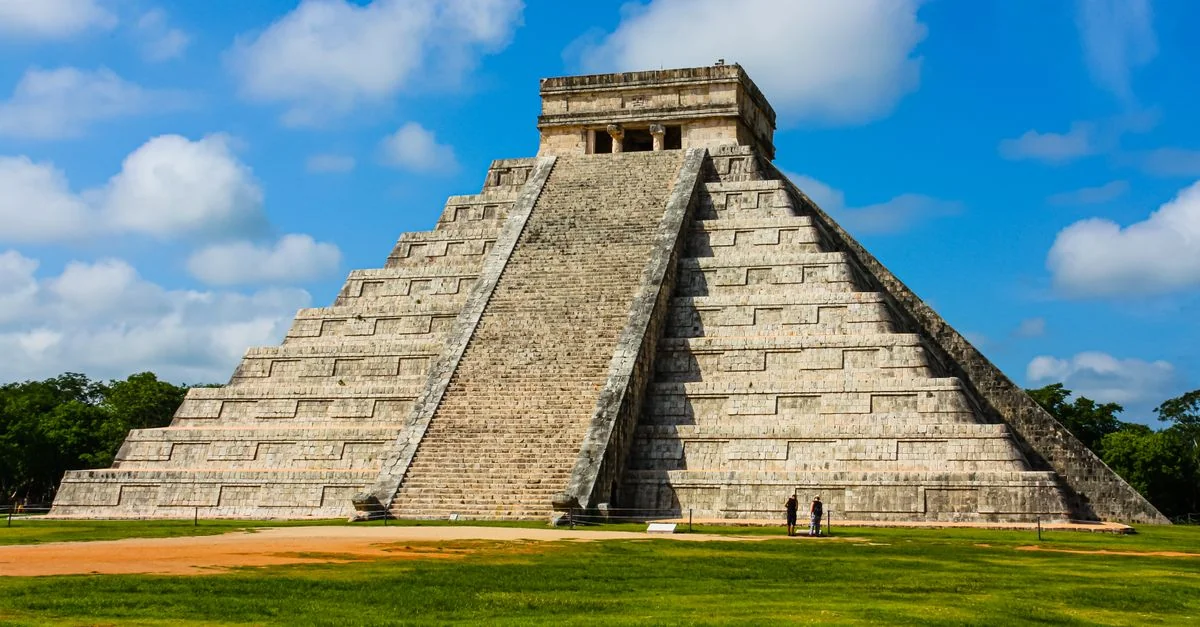
Exploring the region means looking beyond the immediate cruise terminal and venturing into both the water and the jungle. Snorkeling or diving the Banco Chinchorro Biosphere Reserve ranks as an absolute must for anyone fascinated by marine life. Located miles offshore, this massive atoll is a graveyard for historical shipwrecks and a thriving habitat for nurse sharks, rays, and pristine coral reefs. Closer to shore, the barrier reef system offers incredible shallow-water snorkeling where spotting sea turtles grazing on seagrass beds is an everyday occurrence.
History buffs will find plenty to uncover at the Chacchoben Ruins, an ancient Mayan archaeological site nestled deep within the dense tropical forest. Unlike the heavily excavated sites in other parts of the peninsula, Chacchoben allows visitors to climb certain pyramid structures, offering panoramic views of the endless green canopy stretching toward the horizon. For a less-visited alternative, the Kohunlich Ruins feature massive stucco masks carved into the sides of ancient temples, surrounded by towering Cohunlich palms that echo with the calls of howler monkeys.
When you return to the coast, spending a lazy afternoon along the Mahahual Malecón provides a wonderful contrast to the inland history. Rent a beach cruiser bicycle, sample fresh fruit from a street cart, or claim a shaded lounger outside one of the local beach clubs. For wildlife enthusiasts, visiting the Bacalar Lagoon, often called the Lagoon of Seven Colors, requires a short drive inland. The striking shades of blue and turquoise in this freshwater lake rival any ocean view, and renting a kayak to paddle through the ancient stromatolites—some of the oldest life forms on Earth—leaves a lasting impression.
Food and Dining Guide#
The culinary landscape of the southern coast revolves around the bounty of the Caribbean Sea and traditional Yucatecan flavor profiles. Because Mahahual remains a working fishing village, the seafood served at local eateries is often caught mere hours before it reaches your plate. You will notice a distinct blend of Caribbean and Mexican influences, resulting in dishes that rely heavily on citrus, achiote, and locally grown habanero peppers.
No visit is complete without trying Ceviche, prepared here with freshly caught conch, shrimp, or white fish cured in lime juice and tossed with diced tomatoes, onions, cilantro, and sometimes a splash of local orange juice. Another essential seafood dish is Pescado a la Tikin Xic, a traditional Mayan preparation where a whole fish is butterflied, slathered in an achiote and sour orange paste, wrapped in banana leaves, and grilled over an open wood fire until tender and smoky.
For a solid taste of regional comfort food, look for Salbutes and Panuchos, which are handmade corn tortillas lightly fried and topped with shredded turkey or chicken, pickled red onions, avocado slices, and lettuce. When morning rolls around, order a plate of Huevos Motuleños, featuring fried tortillas, eggs, ham, peas, plantains, and a rich tomato sauce. You will find the best versions of these dishes at modest, open-air mom-and-pop taco joints set slightly back from the main tourist strip, where prices are low and recipes have been passed down through generations.
Getting Around Costa Maya#
Navigating this region requires a bit of planning, as public transportation options are less robust than in major Mexican tourist hubs.
Renting a car at the airport in Cancún or Chetumal offers the ultimate flexibility, allowing you to stop at roadside fruit stands, explore remote ruins, and reach secluded northern beaches on your own schedule. The main federal highway is well-paved and easy to navigate, though speed bumps, locally known as topes, appear frequently and without warning on approach to small towns.
Taxis are readily available in Mahahual and around the cruise port, but drivers do not use meters. You must always agree on the fare in writing or verbally before stepping into the vehicle. Rates are generally fixed per zone, but negotiation is expected, especially if you are traveling outside peak hours or heading to remote coastal stretches.
Public buses (known locally as colectivos) connect major regional hubs like Chetumal and Felipe Carrillo Puerto, but they do not frequently service the smaller beach roads or archaeological sites. If you choose not to rent a car, many travelers rely on organized tour operators for day trips to distant ruins or dive sites, while walking or renting bicycles serves as the best way to get around Mahahual Proper.
Budget Breakdown#
Understanding your potential expenditures helps tailor this trip to your financial comfort zone. The region accommodates various travel styles, from backpackers living out of beach huts to luxury travelers seeking private villas with dedicated staff.
Budget travelers can expect a daily expenditure that covers a basic guesthouse room away from the immediate beachfront, street food meals, local markets, and public transport or shared shuttles. Activities for this tier usually involve self-guided beach days, walking the Malecón, and paying independent entry fees to nearby nature spots.
Mid-range travelers enjoy comfortable boutique hotels with air conditioning and ocean views, sit-down dinners at popular beachfront seafood restaurants, and rented vehicles or organized group excursions to ruins and the offshore barrier reef. This tier strikes a balance between convenience and authentic local exploration.
Luxury travelers can secure high-end eco-resorts with private beachfront access, fine dining featuring imported wine and fresh catch of the day, private guided archaeological tours, and chartered boat excursions for deep-sea fishing or private snorkeling trips to remote coral atolls.
Travel Tips for Costa Maya#
Sun Protection is critical when visiting this tropical coast. The Caribbean sun is significantly stronger than what most American travelers are accustomed to, and the reflective glare off the white sand and turquoise water accelerates sunburns. Pack high-SPF, reef-safe sunscreen, UV-blocking rash guards for swimming, and a wide-brimmed hat to prevent heat exhaustion during jungle explorations.
Cash is King throughout the southern coast. While larger restaurants and boutique hotels in Mahahual accept credit cards, many smaller vendors, street food stalls, local taxi drivers, and remote eco-lodges operate strictly on a cash basis. ATMs in town frequently run out of money or experience technical glitches, so it is wise to withdraw sufficient Mexican pesos at the airport before driving down.
Sargassum Awareness helps manage expectations regarding the beaches. Seasonal seaweed wash-ups occur across the Caribbean, and while local municipalities and resorts work tirelessly to rake and remove the seaweed from popular swimming areas, certain stretches of sand may experience accumulation depending on wind and ocean currents. Check recent travel forums or resort webcams before booking if pristine white sand is your top priority.
Language Basics go a long way in this region. While English is widely spoken in resort areas, dive shops, and tourist-facing restaurants, venturing into local markets, taco stands, and rural villages requires basic Spanish phrases. Downloading an offline translation app or learning how to exchange greetings and ask for prices en español enriches your interactions and shows respect for the local community.
Environmental Respect preserves the delicate ecosystems of the Mesoamerican Barrier Reef and surrounding mangroves. Avoid touching or standing on coral reefs when snorkeling, use biodegradable sunscreens to protect marine life, and pack out all your trash when visiting remote beaches and archaeological zones to keep this coastal sanctuary pristine for future visitors.
📌 Disclaimer
Prices, schedules, tour details, flight routes, visa requirements, and all other information on this page are based on data at the time of writing. Fares, availability, and policies may change. Please verify current details on the official website before booking.
📌 More about Costa Maya