📌 Disclaimer
Prices, schedules, tour details, flight routes, visa requirements, and all other information on this page are based on data at the time of writing. Fares, availability, and policies may change. Please verify current details on the official website before booking.
Why Visit Cologne?#
The sharp scent of roasted malt hangs over the Rhine River, mingling with the crisp breeze rolling down from the Eifel mountains. This German city offers a distinct blend of Roman history and modern ease, making it an appealing European escape for American travelers accustomed to fast-paced itineraries. Unlike larger capitals that overwhelm with sheer size, this destination invites you to slow down and explore at a pedestrian-friendly pace.
What sets this Rhenish metropolis apart is its attitude. Locals possess a famously open sense of humor and a relaxed approach to daily life that immediately puts visitors at ease. You can wander past foundations laid by the Roman Empire in the morning, marvel at gothic architecture by afternoon, and spend the evening sharing a long table with strangers in a wood-paneled brewery hall. The atmosphere is deeply social, centered around communal tables and outdoor terraces that line the riverbanks.
For travelers crossing the Atlantic, the city serves as an ideal entry point to Europe . It offers the architectural drama and historical depth of a major cultural hub without the exhausting crowds found in neighboring tourist centers. Whether you are searching for top-quality art collections, quiet medieval courtyards, or simply a well-poured glass of local beer, the city delivers an authentic experience that feels both accessible and deeply rewarding.
Best Time to Visit Cologne#
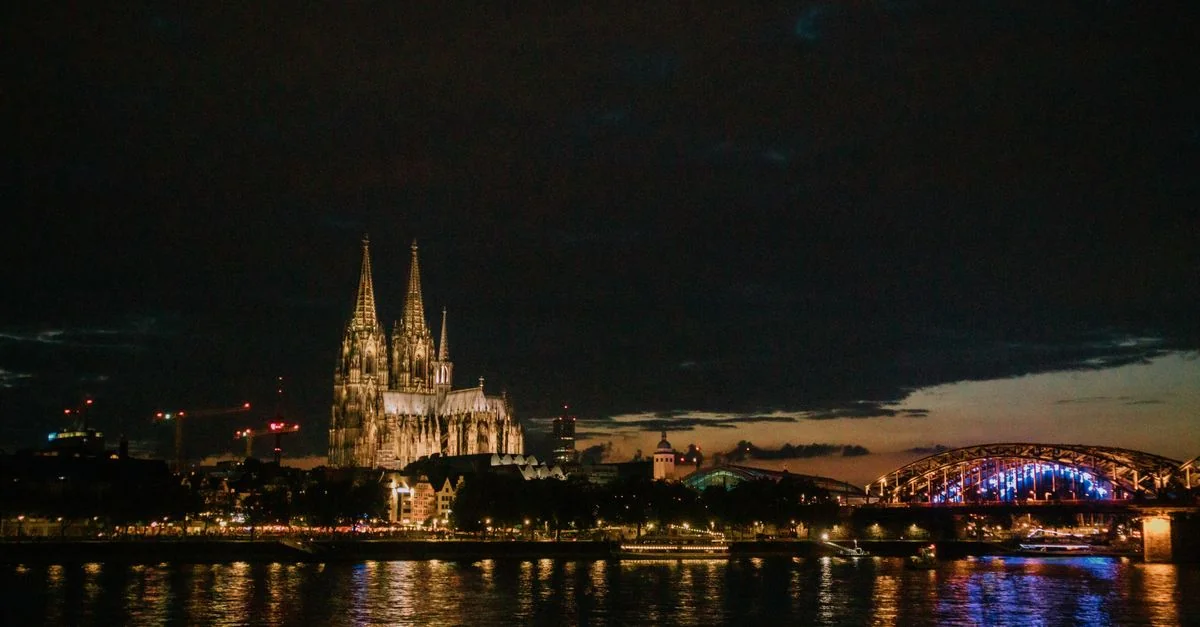
Timing your trip depends entirely on the kind of weather and crowd levels you prefer. Spring, running from May through June, brings blooming parks, sidewalk cafe culture, and pleasant daytime temperatures hovering in the sixties and low seventies Fahrenheit. Tourist numbers remain manageable during these months, and accommodation rates are generally fair before the summer rush begins.
Summer brings long daylight hours and lively outdoor festivals along the riverfront, though temperatures can occasionally spike into the eighties. July and August see the highest concentration of travelers, which means higher prices for lodging and longer waits at major sites. Fall, particularly September and October, offers comfortable weather, autumn foliage in the sprawling public parks, and a welcome thinning of tourist crowds, making it a favorite season for experienced travelers.
Winter transforms the city entirely. November and December bring the famous holiday markets, turning public squares into glowing clusters of wooden stalls scented with cinnamon, cloves, and grilled sausage. While temperatures drop close to freezing and daylight is short, the festive atmosphere is impressive. January and February follow with lower prices, smaller crowds, and the boisterous energy of the annual carnival season, though you will need heavy winter layers to stay comfortable while exploring outdoors.
Where to Stay in Cologne#
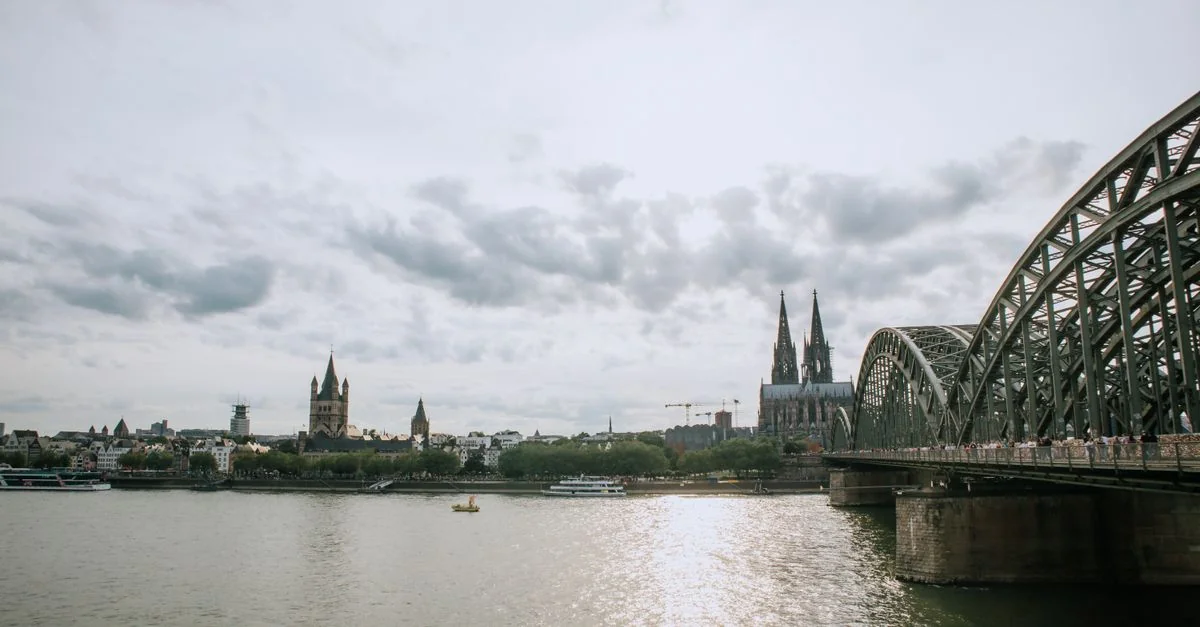
Choosing the right neighborhood shapes your entire trip, and several distinct districts cater to different travel styles and budgets. Altstadt, or the Old Town, places you within walking distance of the major riverfront sights and historical landmarks. Accommodations here range from upscale luxury properties overlooking the water to mid-range traditional guesthouses. While the central location is convenient for first-time visitors, keep in mind that this zone can be noisy and heavily trafficked during peak seasons.
Just south of the center, Belgian Quarter attracts travelers looking for a creative, neighborhood feel. Named because its streets honor Belgian provinces, this district features independent boutiques, small galleries, and trendy cafes. Lodging here leans heavily toward stylish mid-range apartments and boutique-style properties without major brand names. It is an ideal spot if you prefer local nightlife, vintage shopping, and a residential atmosphere over standard tourist sightseeing.
For a more multicultural and energetic environment, Ehrenfeld offers an edgy, industrial-chic vibe just a short train ride west of the center. Once a manufacturing district, it now boasts street art, alternative music venues, and budget-friendly guesthouses alongside family-run rentals. Travelers on a stricter budget will find good value here, paired with an authentic slice of contemporary local living that feels far removed from the postcard-perfect historic center.
Top Things to Do in Cologne#
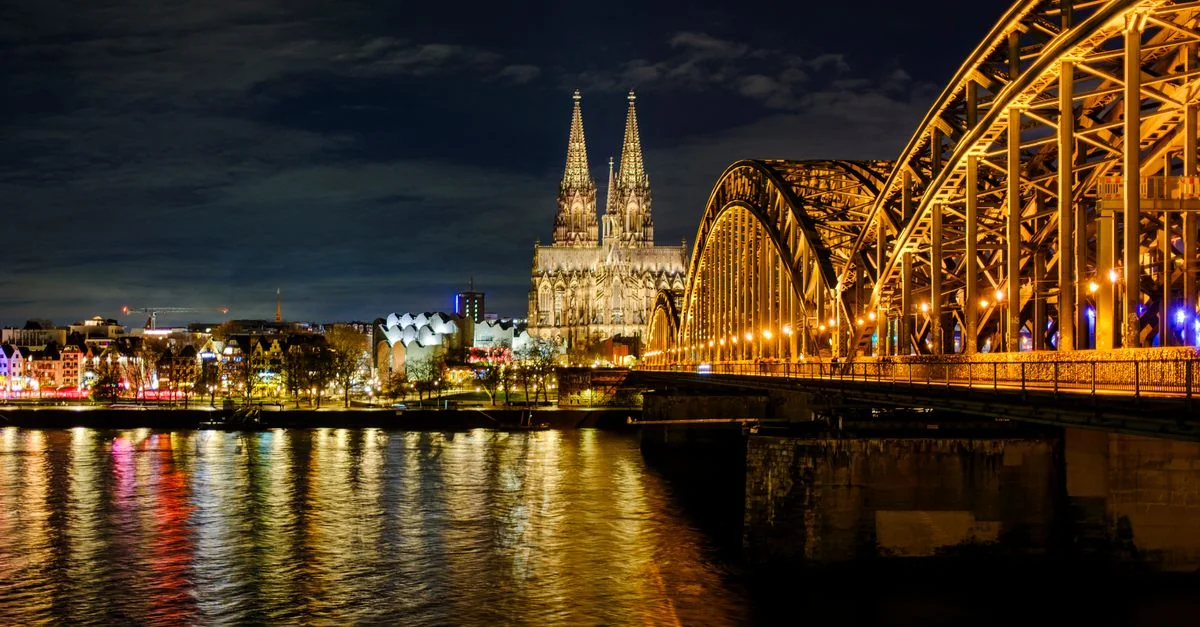
Standing before the monumental twin spires of the Cologne Cathedral provides an immediate sense of awe, as the massive gothic structure dominates the skyline just steps from the central train station. Inside, towering stained-glass windows filter daylight into glowing shafts of color, illuminating centuries of sacred art and the ornate shrine said to hold the relics of the Three Magi. Just outside, a short walk leads down to the Ludwig Museum, which houses one of Europe’s premier collections of modern art, featuring an extensive array of Picasso works alongside American pop art icons.
Art and history continue underground at the Romisch-Germanisches Museum nearby, though visitors should check current restoration schedules, as parts of the collection are often displayed in temporary alternative venues nearby. To see the city from a different angle, cross the river via the Hohenzollern Bridge, its pedestrian walkways heavy with thousands of colorful love locks left by couples from around the world. The panoramic view of the skyline from the opposite bank at sunset is hard to beat.
For a slower pace, wander through the winding alleys of the Old Town, where reconstructed medieval houses now operate as cozy pubs and craft shops. Nearby, the Fragrance Museum inside the historic Farina House offers a fascinating look at the birthplace of Eau de Cologne, detailing the 18th-century roots of the world’s oldest surviving perfume factory. Further south, the modern architecture of the Rheinauhafen district showcases futuristic apartment buildings shaped like giant crane houses, juxtaposed against historic brick warehouses along the docks. Finish your sightseeing with a peaceful afternoon stroll through the expansive lawns and botanical gardens of Rheinpark, located directly across the river and easily reached by a scenic cable car ride.
Food and Dining Guide#
The local culinary scene is deeply rooted in hearty, comforting tavern fare that pairs naturally with the regional beer style. Traditional meals often center around Himmel un Aad, a comforting combination of mashed potatoes, stewed apples, and black pudding that translates poetically to Heaven and Earth. Another classic favorite is Halve Hahn, which despite its name meaning half a chicken, is actually a thick slice of dense rye bread layered with thick Gouda cheese, spicy mustard, and pickles.
For meat lovers, Sauerbraten is a slow-marinated beef roast, typically served in a rich, slightly sweet-and-sour gravy alongside potato dumplings and red cabbage. Street food is dominated by the ubiquitous Bratwurst, served simply in a crusty white roll with a smear of sharp mustard, perfect for eating on the go between sightseeing stops. When dining out, casual tavern restaurants offer the most authentic atmosphere, where busy waiters briskly swap empty glass coasters for fresh ones without you needing to ask.
Traditional brewery halls operate on a communal seating system where sharing a long wooden table with locals is standard practice. Menus here are straightforward, and tipping is modest, usually involving rounding up the bill or leaving around five to ten percent directly with the server in cash, even when paying by card.
Getting Around Cologne#
Navigating the city is remarkably straightforward thanks to an integrated public transportation network managed by local transit authorities. The system includes an underground U-Bahn, above-ground trams, and regional buses that connect every major neighborhood and attraction efficiently. Purchasing a multi-day transit pass offers unlimited rides and often includes discounts on museum admissions, making it a smart investment for most visitors.
Walking remains the best way to explore the central historic districts, as the major landmarks are clustered closely together on the west bank of the river. Pedestrian zones are expansive and well-paved, allowing for easy navigation without traffic interference. Taxis are readily available at designated stands outside train stations and major hotels, though rideshare applications also operate within the city limits for added convenience.
Renting a car is generally discouraged for travelers staying primarily within the urban center. Narrow streets, limited street parking, and strict environmental zones that require special emissions stickers make driving more stressful than beneficial. If you plan to rent a car to explore the surrounding wine regions or castles of the Rhine valley, pick up the vehicle only on the day you leave the city.
Budget Breakdown#
Planning your expenses helps ensure a smooth trip, and costs here are generally lower than in major American metropolitan areas or Scandinavian capitals. For budget travelers staying in hostel dorms or budget guesthouses, utilizing public transit, and eating casual street food or bakery items, daily expenses typically range from $60 to $90 per day in USD. This tier allows for enjoying free outdoor sights and affordable local meals.
Mid-range travelers can expect daily expenditures between $150 and $250 in USD. This comfortable budget covers a private room in a well-located boutique hotel or neighborhood apartment, sit-down lunches and traditional tavern dinners with local beer, museum entry fees, and occasional taxi rides when transit schedules do not align.
Luxury travelers spending $350 or more per day in USD will enjoy upscale river-view accommodations, fine dining experiences featuring contemporary German cuisine, private guided tours, and stress-free transit via taxis. Even at the highest tier, value for money remains strong compared to other prominent Western European destinations.
Travel Tips for Cologne#
Mastering a few local customs will make your trip run much smoother. Tipping etiquette in Germany differs from the United States ; service staff are paid standard wages, so tips are smaller. Instead of leaving fifteen to twenty percent on the table, simply round up your bill by a few euros or add five to ten percent, making sure to hand the cash directly to your server rather than leaving it on the table.
Understanding beer culture prevents awkward moments in traditional taverns. The local brew, a light top-fermented beer called Kölsch, is served in small, slender 0.2-liter glasses to keep it cold. Servers will automatically bring you a fresh one as soon as your glass is near empty, placing a tally mark on your cardboard coaster. If you do not want another, simply place your beer coaster flat across the top of your empty glass.
Navigating cash versus card requires some preparation. While major hotels, department stores, and sit-down restaurants increasingly accept credit cards, many smaller bakeries, kiosks, traditional pubs, and market stalls operate strictly on cash or local debit cards. Always keep a modest amount of euros in your pocket for small purchases and tips.
Practicing basic language awareness is always appreciated by locals. While English is widely spoken by younger generations and staff in the tourism sector, greeting shopkeepers and servers with a polite Guten Tag in the daytime or Guten Abend in the evening sets a friendly tone for any interaction.
Prioritizing water safety saves you money and reduces single-use plastic waste. Tap water across the city is entirely safe to drink and of high quality, so bring a reusable water bottle and fill it up before heading out for a day of walking.
Respecting quiet hours is an important part of local daily life. Sundays are traditionally observed as quiet days of rest, with most retail shops remaining closed while museums, cafes, and parks stay open, offering a peaceful atmosphere ideal for leisurely strolls and museum visits.
📌 Disclaimer
Prices, schedules, tour details, flight routes, visa requirements, and all other information on this page are based on data at the time of writing. Fares, availability, and policies may change. Please verify current details on the official website before booking.
📌 More about Cologne