📌 Disclaimer
Prices, schedules, tour details, flight routes, visa requirements, and all other information on this page are based on data at the time of writing. Fares, availability, and policies may change. Please verify current details on the official website before booking.
Photo by Guillaume Meurice on Pexels
Why Visit Chiang Mai?#
Chiang Mai is a captivating city nestled in the mountains of northern Thailand , renowned for its rich cultural heritage, stunning natural landscapes, and vibrant local markets. Unlike the bustling streets of Bangkok, Chiang Mai offers a more relaxed atmosphere, where ancient temples coexist harmoniously with modern cafes and art galleries. The city is home to over 300 temples, each with its own unique history and architectural style, making it a paradise for history buffs and architecture enthusiasts alike.
Beyond its historical allure, Chiang Mai is also an adventure seeker’s dream. The surrounding hills and jungles provide ample opportunities for trekking, zip-lining, and even elephant sanctuaries. The local festivals, particularly the Yi Peng Lantern Festival and Songkran (Thai New Year), showcase the city’s lively spirit and offer travelers a chance to immerse themselves in local traditions. Whether you’re wandering through the old city or exploring the vibrant night markets, Chiang Mai’s charm is undeniable.
Best Time to Visit Chiang Mai#
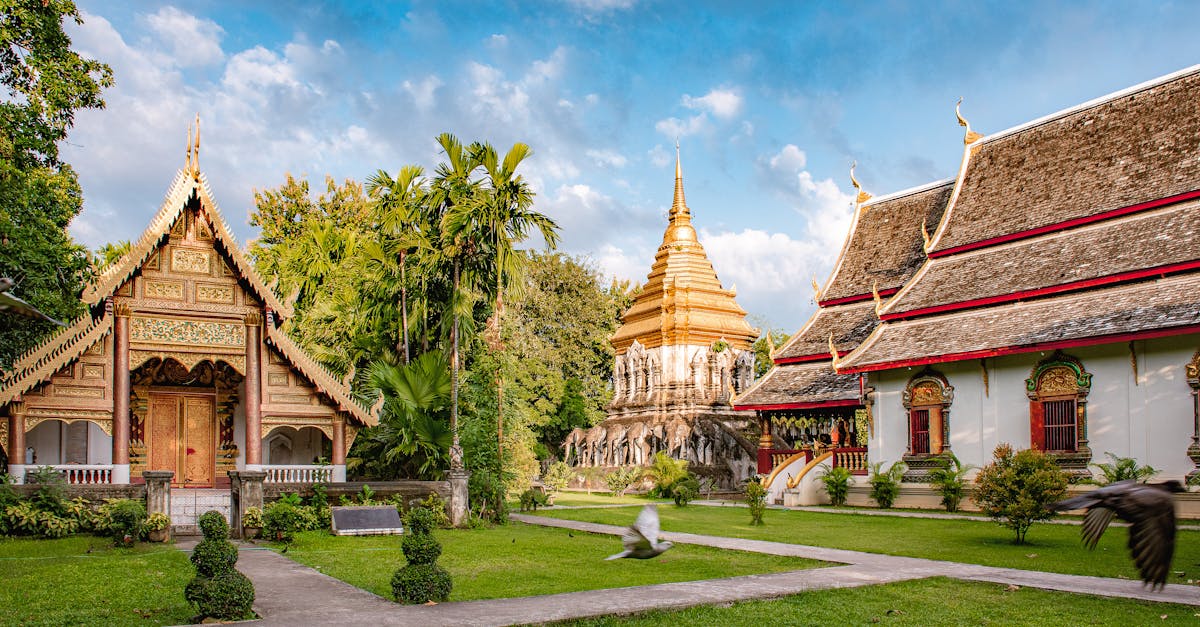
The best time to visit Chiang Mai is during the cool and dry season, which runs from November to February. During these months, temperatures are pleasant, typically ranging from the mid-60s to mid-80s Fahrenheit, and rainfall is minimal. This is peak tourist season, so expect larger crowds and slightly higher prices, especially around major festivals like Yi Peng in November.
March to May marks the hot season, where temperatures can soar above 90°F. While this is a less popular time to visit, it can be a good option for budget travelers as prices for accommodations and activities may drop. The rainy season spans from June to October, with September often being the wettest month. However, if you don’t mind the occasional downpour, visiting during this time can be rewarding, as the countryside is lush and green, and tourist crowds are significantly lighter.
Where to Stay in Chiang Mai#
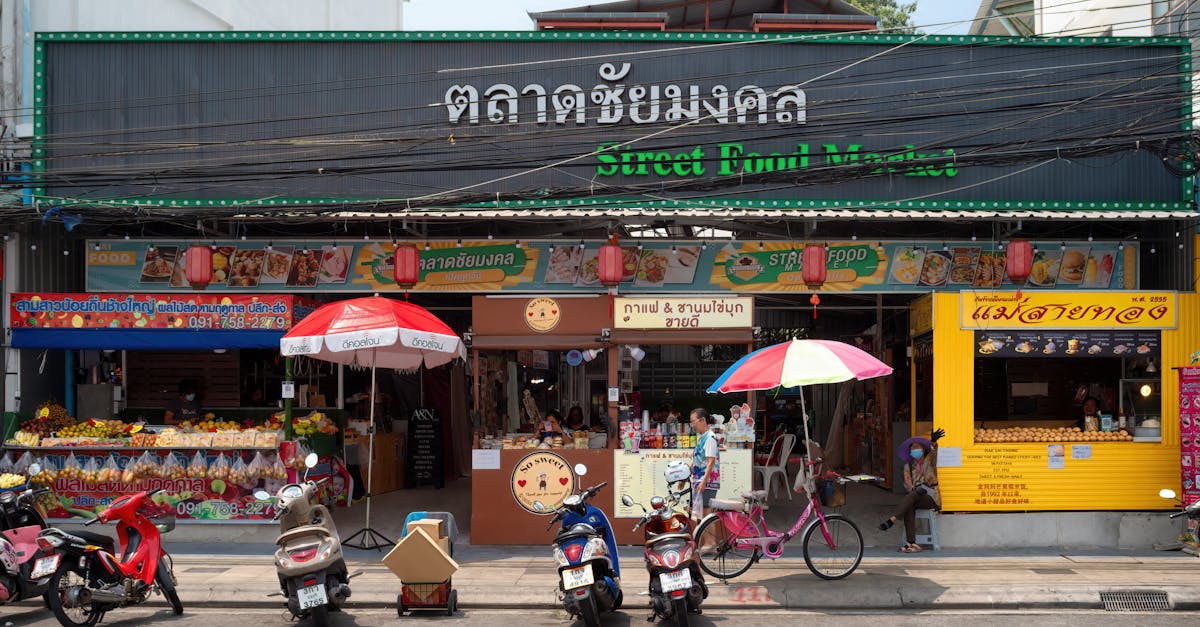
Chiang Mai offers a variety of neighborhoods catering to different budgets and preferences. Here are some recommended areas to consider for your stay:
Old City: Ideal for first-time visitors, the Old City is packed with temples, cafes, and street food stalls. Budget accommodations can be found here, along with charming guesthouses and mid-range hotels. Staying in this area allows easy access to many of the city’s main attractions.
Nimmanhaemin: This trendy neighborhood is known for its hip cafes, art galleries, and boutique shops. It’s a great spot for those looking for mid-range options, including stylish hotels and guesthouses. The atmosphere is youthful and vibrant, making it popular among digital nomads and expats.
Night Bazaar: If you’re a night owl, the Night Bazaar area is perfect for you. With its bustling night markets and a variety of dining options, this neighborhood offers a mix of budget and mid-range accommodations. It’s also conveniently located for shopping and exploring the nightlife.
Riverside: For a more tranquil experience, consider staying along the Ping River. This area features both luxury resorts and budget-friendly guesthouses with scenic views. It’s an excellent choice for those looking to relax while still being within reach of the city’s attractions.
Top Things to Do in Chiang Mai#
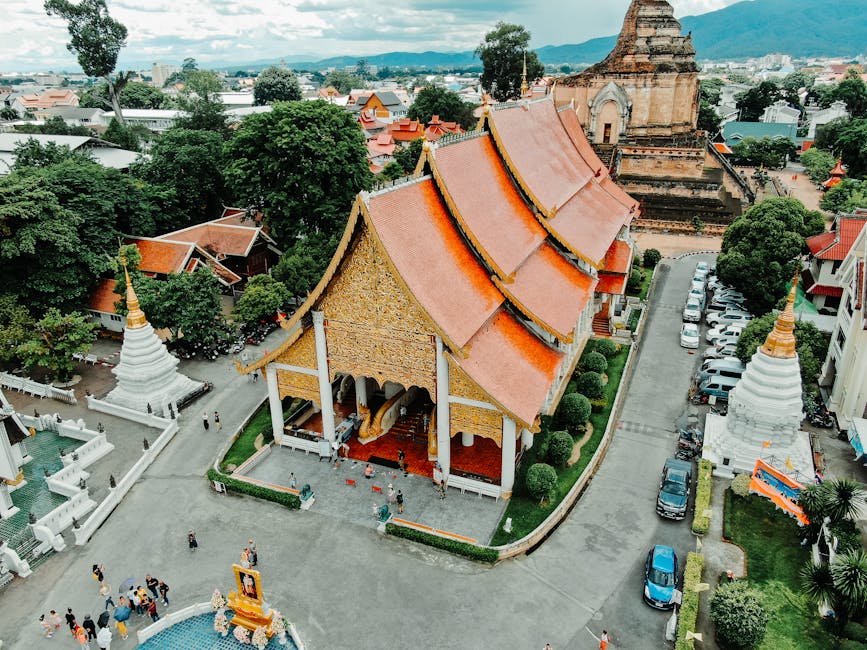
Wat Phra That Doi Suthep: This iconic temple, perched on a mountain overlooking the city, is a must-visit. The stunning views and intricate architecture make the hike up worthwhile. Consider visiting during sunrise or sunset for a magical experience.
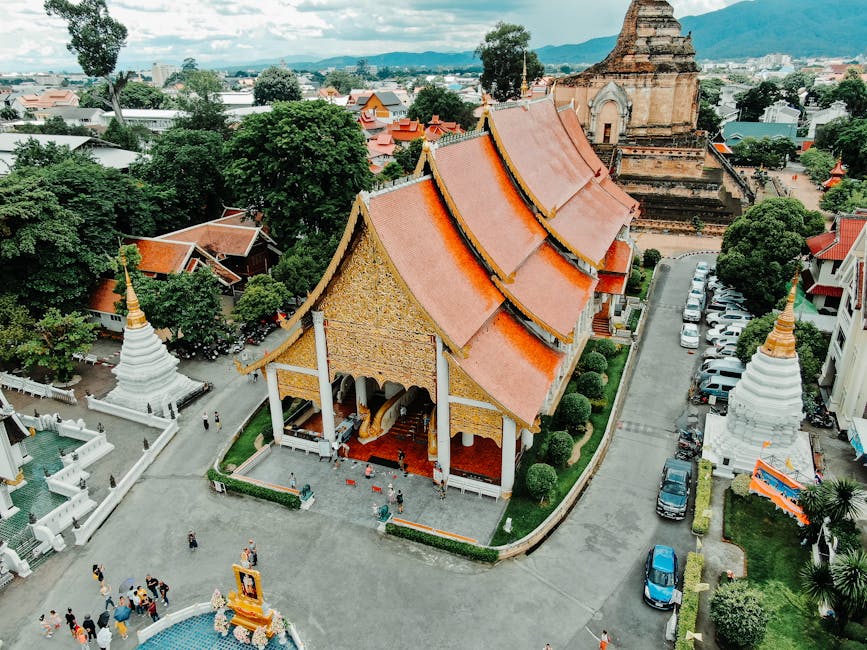
Old City Temples: Explore the myriad of temples within the Old City walls. Wat Chedi Luang and Wat Phra Singh are particularly noteworthy for their beautiful architecture and serene ambiance.
Chiang Mai Night Bazaar: Dive into the local culture at the bustling Night Bazaar. Here, you can shop for handicrafts, clothing, and sample local street food, all while enjoying the lively atmosphere.
Elephant Sanctuary: Visit a reputable elephant sanctuary to learn about and interact with these majestic creatures in an ethical environment. Many sanctuaries offer half-day or full-day experiences that include feeding and bathing the elephants.
Trekking in the Jungle: Join a trekking tour to explore the scenic jungles and mountains surrounding Chiang Mai. Options range from day hikes to multi-day treks that include visits to local hill tribes.
Cooking Classes: Take a cooking class to learn how to prepare authentic Thai dishes. Many classes include a market tour to buy fresh ingredients, providing a full culinary experience.
Sunday Walking Street Market: If you’re in Chiang Mai on a Sunday, don’t miss the Sunday Walking Street Market. This vibrant market features local artisans, food stalls, and live performances, making it a feast for the senses.
Art in Paradise: For a fun and interactive experience, visit this 3D art museum. It’s a great spot for quirky photos and offers a unique perspective on art that you won’t find elsewhere.
Bua Thong Waterfall: Known as the “Sticky Waterfall,” this natural wonder allows visitors to climb its limestone cascades. It’s a refreshing day trip from the city that’s perfect for families and adventurous spirits alike.
Chiang Mai Zoo: If you’re traveling with kids, the Chiang Mai Zoo is a fun outing. It features a variety of animals and even a panda exhibit, making it an enjoyable day for the whole family.
Food and Dining Guide#
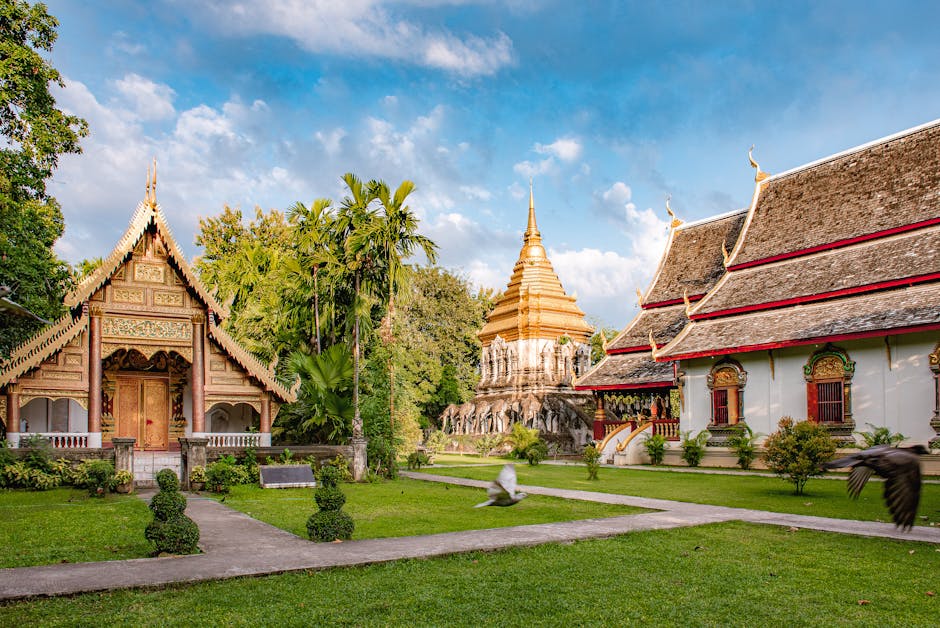
Chiang Mai’s culinary scene is a delightful mix of traditional Thai dishes and unique local flavors. Here are some must-try dishes and dining options:
Khao Soi: This rich and creamy coconut curry noodle soup is a northern Thai specialty. You’ll find it at many local eateries, but look for places with a line for the best experience.
Som Tum: A spicy green papaya salad that packs a punch. It’s a refreshing dish that pairs perfectly with grilled meats.
Sai Oua: This flavorful northern Thai sausage is made with minced pork and a blend of herbs and spices. It’s often served with sticky rice and fresh vegetables.
Street Food: Chiang Mai is famous for its street food scene. Head to the Night Bazaar or the Sunday Walking Street Market for a variety of delicious options, from grilled skewers to sweet desserts.
Local Cafes: The city is dotted with cozy cafes offering everything from traditional Thai coffee to international fare. Take a break from sightseeing and relax in one of these charming spots.
When dining out, consider opting for local restaurants to save money while experiencing authentic flavors. Meals at street stalls typically range from $1 to $3, while dining at mid-range restaurants may cost between $5 to $15 per person.
Getting Around Chiang Mai#
Getting around Chiang Mai is relatively easy and budget-friendly. Here are some options:
Songthaews: These red trucks operate as shared taxis and are a popular way to navigate the city. They have fixed routes, but you can also hire one for a private trip. Fares are typically inexpensive, making this mode of transport a favorite among travelers.
Tuk-Tuks: For a more adventurous experience, hop on a tuk-tuk. Negotiate the fare before getting in, and enjoy the open-air ride through the city streets.
Bicycles and Motorbikes: Renting a bicycle or motorbike is a great way to explore at your own pace. Many guesthouses offer rentals, and cycling around the Old City is particularly enjoyable. Just be sure to wear a helmet and follow local traffic rules.
Walking: Chiang Mai’s Old City is compact and pedestrian-friendly, making walking an excellent option for exploring temples and markets.
Public Buses: While less common for tourists, local buses do operate in Chiang Mai. However, they can be challenging to navigate without knowledge of the routes.
Budget Breakdown#
Traveling in Chiang Mai can be very affordable. Here’s a breakdown of daily budget estimates:
Budget Travelers: Expect to spend around $30-$50 per day. This includes dormitory accommodation, street food meals, public transport, and free or low-cost attractions.
Mid-Range Travelers: A budget of $70-$120 per day will allow for private rooms in guesthouses or mid-range hotels, dining at local restaurants, and participating in a few paid activities like cooking classes or guided tours.
Luxury Travelers: For those seeking comfort, a daily budget of $150 and above will cover upscale accommodation, fine dining experiences, and tours or activities that have higher price points.
Travel Tips for Chiang Mai#
Stay Hydrated: The heat can be intense, especially during the hot season, so drink plenty of water throughout the day.
Respect Local Customs: When visiting temples, dress modestly. Shoulders and knees should be covered, and it’s customary to remove your shoes before entering.
Bargaining: Haggling is common in markets, so don’t be shy to negotiate prices. Start at about 50-70% of the asking price and work your way up.
Language: While many people in the tourism industry speak English, learning a few basic Thai phrases can go a long way in connecting with locals.
SIM Cards: Consider purchasing a local SIM card for your phone upon arrival. They are affordable and offer great data packages, making it easier to navigate and stay connected.
Safety: Chiang Mai is generally safe for travelers. However, be cautious of scams, especially involving tuk-tuks or tours that seem too good to be true.
Cash is King: While credit cards are accepted in some places, many street vendors and small shops only take cash. Make sure to carry some Thai Baht for your daily expenses.
If you’re also considering a trip to Phuket, Thailand , check out our guide for tips on exploring the beaches and nightlife of this popular destination.