📌 Disclaimer
Prices, schedules, tour details, flight routes, visa requirements, and all other information on this page are based on data at the time of writing. Fares, availability, and policies may change. Please verify current details on the official website before booking.
Why Visit Chania?#
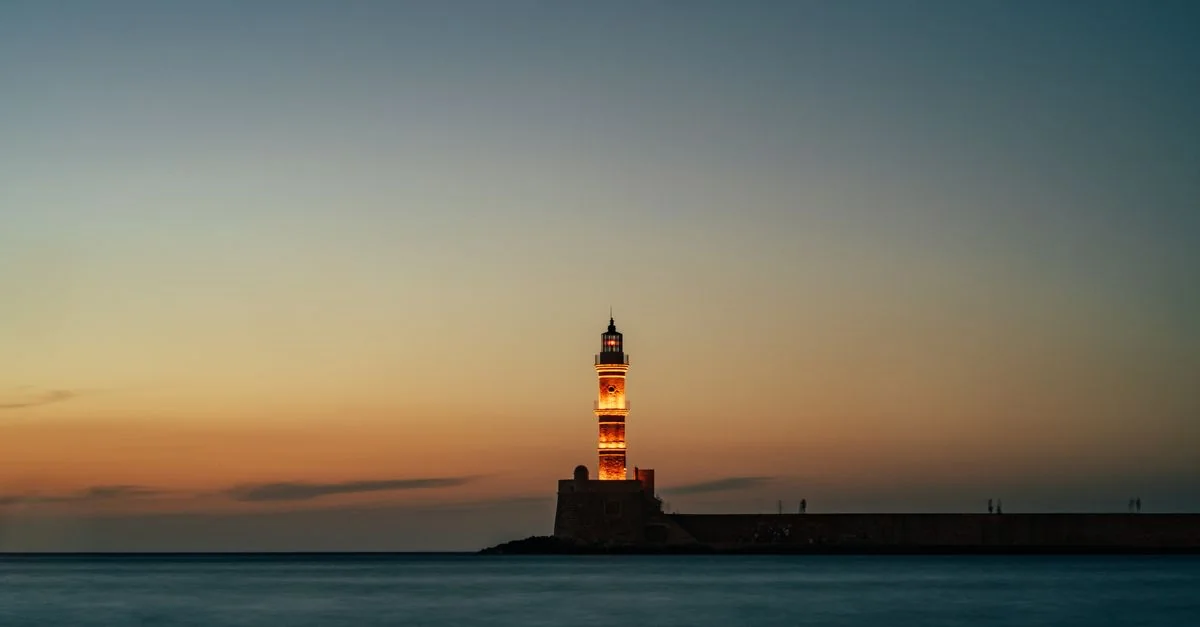
The scent of wild oregano drifts down from the White Mountains, mingling with the sharp, salty tang of the Mediterranean as you step onto the weathered stones of the Venetian harbor. Chania sits on the northwestern coast of Crete , offering a distinct departure from the typical island experience. While many travelers flock to the Aegean islands for white-washed uniformity, this city presents a complex architectural record of Venetian, Ottoman, and Greek influences. The harbor serves as the city’s heart, where the iconic lighthouse guards a waterway that has seen centuries of trade and transition.
Beyond the architecture, the city functions as a gateway to some of the most rugged terrain in Europe . You can spend your morning navigating narrow, labyrinthine alleys where laundry hangs between pastel-colored buildings and your afternoon hiking through deep, limestone gorges or swimming in turquoise lagoons. It is a place that rewards those who linger; the pace of life here is dictated by the sun and the slow ritual of coffee, making it an ideal destination for travelers who prefer depth over a checklist of sights.
Best Time to Visit Chania#
Planning your trip involves balancing the intensity of the Mediterranean summer with the quietude of the shoulder seasons. During May and early June, the landscape remains green from the winter rains, and the temperatures are comfortable for walking the city streets without the stifling heat of July and August. You will find that most businesses are fully operational, yet the crowds at major landmarks are manageable. Pricing for flights and accommodation during this period is generally more favorable than in the peak summer months.
July and August bring high temperatures and the peak of the tourist season. If you choose to visit during these months, expect crowded beaches and a lively atmosphere in the harbor, though you will pay a premium for lodging and car rentals. September and early October offer perhaps the best conditions for a visit. The sea remains warm enough for swimming after a long, hot summer, the evening air turns crisp, and the influx of visitors begins to taper off. This is often the time when local produce, such as grapes and olives, is harvested, providing a unique look at the island’s agricultural cycle. Traveling in the winter months provides a raw, authentic look at Cretan life, though many coastal businesses close, and the weather can be unpredictable and cool.
Where to Stay in Chania#
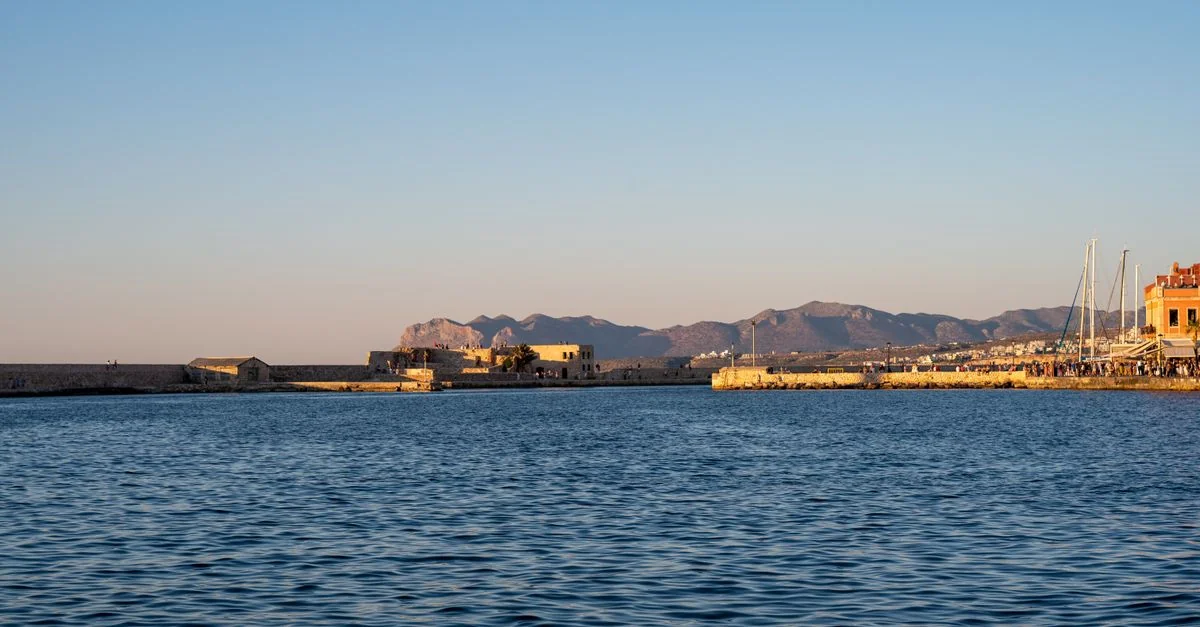
The Old Town remains the most sought-after location for those who want to be steps away from the Venetian harbor and the historic atmosphere of the city. Staying here puts you within walking distance of the primary markets and dining areas. You will find a range of options from boutique guesthouses housed in restored Ottoman-era buildings to modest, family-run apartments. This area is ideal for those who value proximity to history, though it can be noisy during the late evening hours due to the popularity of the nearby tavernas.
For a more relaxed pace, the Koum Kapi neighborhood sits just to the east of the old city walls. It offers a slightly more modern feel with a waterfront promenade lined with cafes that cater more to locals than to visitors. This area is excellent for mid-range travelers who want to be close to the action but prefer a quieter night’s sleep. You will find a mix of apartment rentals and smaller inns here that offer a more residential experience.
If you are looking for luxury or a resort-style vacation, the Akrotiri Peninsula or the coastal stretches to the west of the city provide space and privacy. These areas often feature larger properties with pools and direct beach access. While you will need a car to reach the city center, the trade-off is the ability to wake up to unobstructed views of the sea and a significant reduction in the ambient noise of the city core. This is a popular choice for families and those seeking a retreat-like environment.
Top Things to Do in Chania#
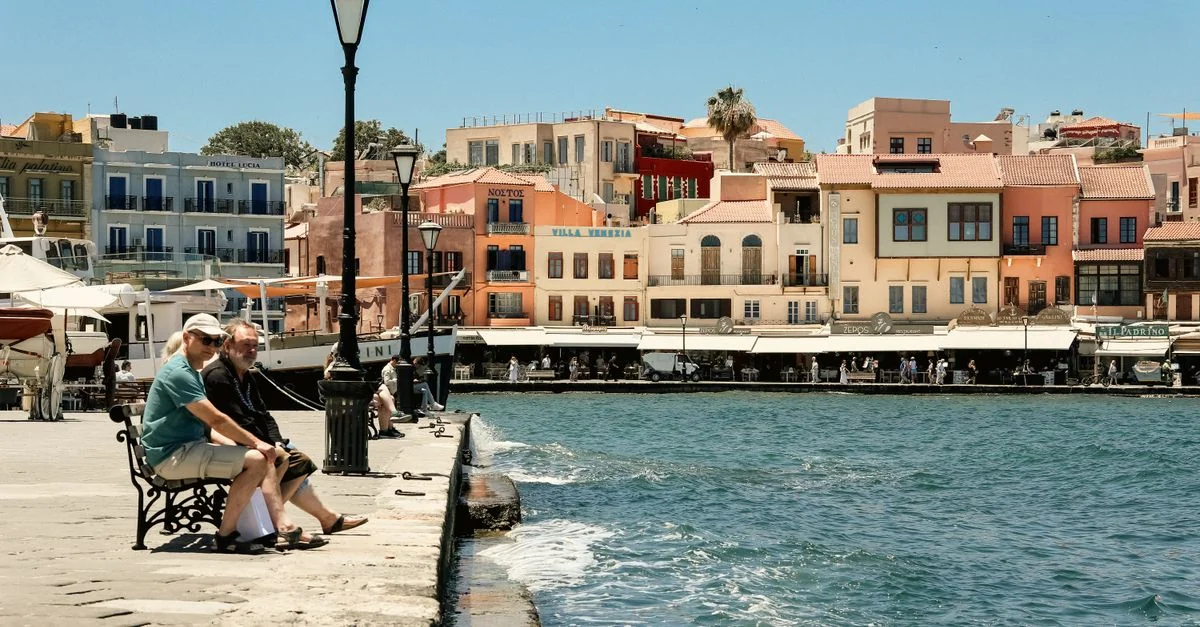
A visit to the Venetian Harbor is essential, particularly at sunrise when the light hits the 16th-century lighthouse. Walking the length of the breakwater allows you to look back at the city, where the layers of history are clearly visible in the architecture. Nearby, the Chania Municipal Market serves as a sensory focal point. This cross-shaped building houses vendors selling local cheeses, mountain herbs, and jars of dark, fragrant honey. It is the perfect place to observe the rhythm of daily shopping.
For those interested in the layers of the past, the Maritime Museum of Crete offers a practical look at the island’s seafaring history, from ancient shipwrecks to modern naval battles. A short walk away, the Etz Hayyim Synagogue stands as a testament to the city’s diverse religious history. It is a quiet, contemplative space that survived the hardships of the twentieth century and remains a significant cultural landmark.
Nature enthusiasts should dedicate a full day to the Samaria Gorge. This trek requires stamina, as you descend through a narrow canyon that opens into the Libyan Sea. If that seems too strenuous, the Botanical Park and Gardens of Crete provide a lush alternative. Located in the foothills of the White Mountains, these gardens feature plants from various climates and offer a shaded escape from the heat. For beach time, the shallow waters of Elafonisi Beach are famous for their pink-hued sand, though they can be quite busy. For a more secluded experience, seek out the smaller coves along the Akrotiri Peninsula, where the water is deep and the crowds are noticeably thinner. Finally, spend an evening in the Splantzia Quarter, where the transition from the busy harbor to the quiet, tree-shaded squares feels like stepping back in time.
Food and Dining Guide#
Cretan food is defined by its simplicity and the quality of its ingredients, particularly the local olive oil. You must start your day with Kalitsounia, which are small pastries filled with local cheese or greens and sometimes drizzled with honey. For lunch or dinner, look for Dakos, a staple dish consisting of a hard, twice-baked barley rusk topped with grated tomatoes, creamy mizithra cheese, and a generous pour of olive oil. It is a refreshing, crunchy meal that perfectly suits the warm climate.
Main courses often feature slow-cooked meats or fresh seafood. Stifado is a classic rabbit or beef stew cooked with onions and spices, providing a deep, savory flavor that reflects the mountain culinary traditions. If you prefer seafood, look for the day’s catch prepared simply on a charcoal grill. Street food in the city is excellent, with many small shops offering Gyros wrapped in warm pita bread with tzatziki and fresh vegetables. For a more formal dining experience, avoid the restaurants with aggressive touts on the harbor front. Instead, wander into the backstreets of the old town where the local tavernas serve house wine and seasonal vegetable dishes like Horta, which are wild greens boiled and dressed with lemon and oil.
Getting Around Chania#
The city center is highly walkable, and you will find that your own two feet are the most effective way to navigate the narrow, winding streets of the old town. For longer distances, the local bus network is reliable and connects the city to major beaches and nearby villages. The central bus station acts as the primary hub for these routes. Taxis are readily available throughout the city, though it is wise to confirm the price before you depart, especially for trips to the airport or distant coastal areas.
If you plan to explore the rugged interior or reach remote beaches, renting a car is highly recommended. The roads in Crete can be narrow and steep, requiring a confident driving style, but the independence a vehicle provides is worth the effort. Avoid driving into the heart of the old town, as the streets are often too narrow for modern vehicles and parking is nearly impossible. Park your car in one of the municipal lots on the perimeter and walk the final distance to your accommodation.
Budget Breakdown#
Chania can accommodate a wide range of budgets depending on your travel style. For budget travelers, staying in hostels or modest guesthouses, eating at street food stalls, and utilizing the public bus system allows for a very reasonable daily expenditure. You can keep costs low by focusing on free activities like hiking and beach days. Mid-range travelers can expect to stay in comfortable boutique apartments, dine at traditional tavernas, and perhaps rent a car for a few days to explore the island, resulting in a moderate daily budget.
Luxury travelers will find high-end villas and resorts, particularly on the outskirts of the city. Dining at upscale establishments and hiring private drivers for excursions will significantly increase your daily spend. Regardless of your budget, the cost of fresh produce and local wine remains accessible, allowing even those on a tighter budget to experience the high quality of Cretan food. Always carry some cash, as smaller shops and village tavernas may not accept credit cards.
Travel Tips for Chania#
Water safety is a priority when visiting the coast. The northern beaches can experience strong winds and currents, so always pay attention to warning flags. If you plan to swim in the more remote southern coves, be aware that there are often no lifeguards on duty. It is always better to swim with a partner and keep an eye on changing weather conditions throughout the afternoon.
Footwear is a critical consideration. The streets of the old town are paved with uneven, slippery stone, and the terrain on hiking trails is often rocky and sharp. Leave your high heels or flimsy sandals at home and pack sturdy walking shoes or sandals with excellent grip. Your comfort while navigating the city depends entirely on your choice of footwear.
Dining etiquette in Crete is relaxed but follows a certain rhythm. Lunch is typically eaten in the mid-afternoon, and dinner often does not begin until well after eight in the evening. If you show up for dinner at six, you will likely be the only person in the restaurant. Embrace the local schedule to ensure you are eating when the kitchen is at its best and the atmosphere is most authentic.
Tipping is appreciated but not mandatory in the same way it is in the United States . If the service is excellent, leaving a modest amount of cash on the table is standard practice. Do not feel pressured to leave a large percentage, as the local culture does not revolve around the same tipping structures found in American cities.
Sun protection is necessary even on cloudy days. The Mediterranean sun is intense, and the reflection off the white stone buildings can increase your exposure. Wear a hat, use high-SPF sunscreen, and carry a reusable water bottle. Staying hydrated is the best way to ensure you have the energy to explore the city and its surrounding landscapes throughout your stay.
Local interaction is a significant part of the experience. The Cretan people are known for their hospitality, often referred to as philoxenia. If you are offered a glass of raki after a meal, it is a gesture of goodwill. While you do not have to finish it, accepting the offer and engaging in a brief conversation with your server or host is a great way to better understand the local way of life.
📌 Disclaimer
Prices, schedules, tour details, flight routes, visa requirements, and all other information on this page are based on data at the time of writing. Fares, availability, and policies may change. Please verify current details on the official website before booking.