📌 Disclaimer
Prices, schedules, tour details, flight routes, visa requirements, and all other information on this page are based on data at the time of writing. Fares, availability, and policies may change. Please verify current details on the official website before booking.
Why Visit Capri?#
The sharp scent of salt spray and crushed lemon leaves hits you the moment the ferry cuts its engine against the concrete docks of Marina Grande . For generations, travelers have crossed the Bay of Naples to reach this sheer limestone cliffside rising steeply from the Tyrrhenian Sea. The island operates on a vertical scale, where funiculars carry visitors up the slope to cliff-edge piazzas and winding footpaths lead past terraced lemon groves down to deep blue coves. It is a place where dramatic topography meets the quiet rhythm of Mediterranean life, making it a distinct contrast to the mainland cities of Naples and Sorrento .
What sets this destination apart is the shift in atmosphere that occurs once the afternoon ferry crowds depart. The daytime rush of day-trippers recedes, leaving the narrow stone alleys quiet enough to hear the soft clatter of ceramic tiles and the rustle of olive branches in the evening breeze. Whether you prefer the refined elegance of hilltop gardens or the rugged simplicity of a fisherman’s cove, the island delivers a landscape that feels entirely cinematic yet remarkably enduring.
Best Time to Visit Capri#
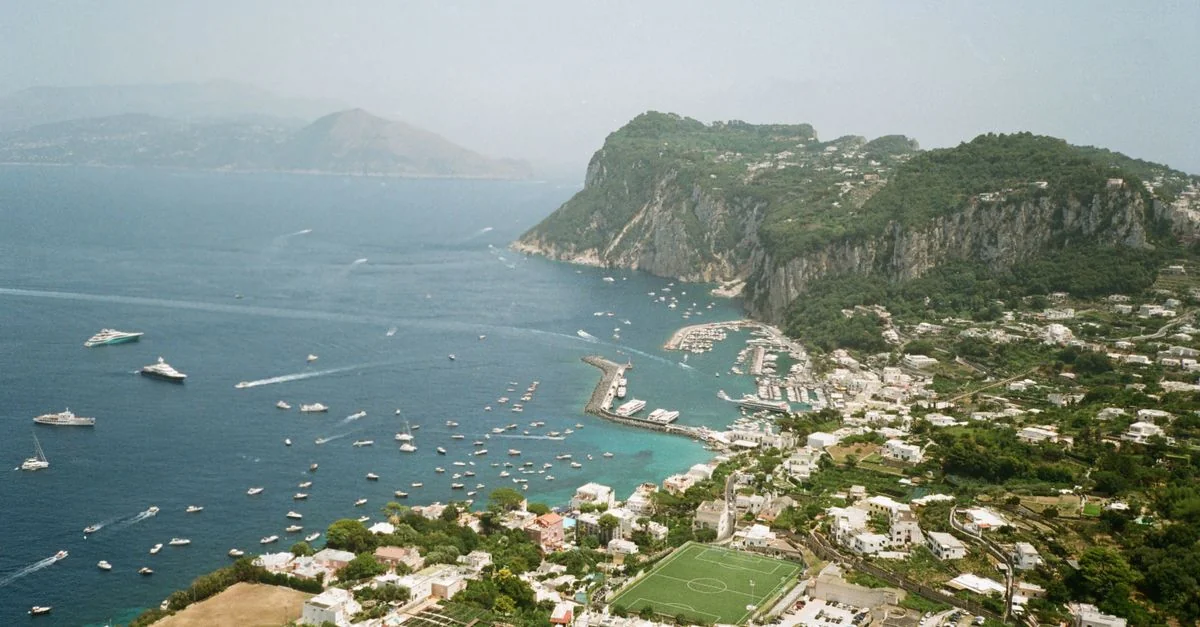
Planning your trip requires understanding how the seasonal calendar shifts the island’s character and pricing. The shoulder months of May, June, September, and October offer the most balanced weather, with warm, comfortable days suitable for coastal walks and outdoor dining without the intense heat of midsummer. During these months, accommodation rates sit at mid-range to high levels, and while tourist sites see steady foot traffic, you can still find quiet moments along the cliffside paths.
July and August bring peak summer conditions with hot, sunny days and warm evening temperatures ideal for late-night strolls. This period also brings the highest visitor numbers, peak hotel pricing, and fully booked restaurants, requiring reservations well in advance for everything from beach clubs to dinner tables. The pace slows dramatically from November through April, when many hotels, boutique shops, and seaside restaurants close for the winter. While winter brings cooler, rainier weather and quiet streets, accommodation prices drop to their lowest tiers, appealing to travelers seeking solitude and dramatic storm-watching over the sea.
Where to Stay in Capri#
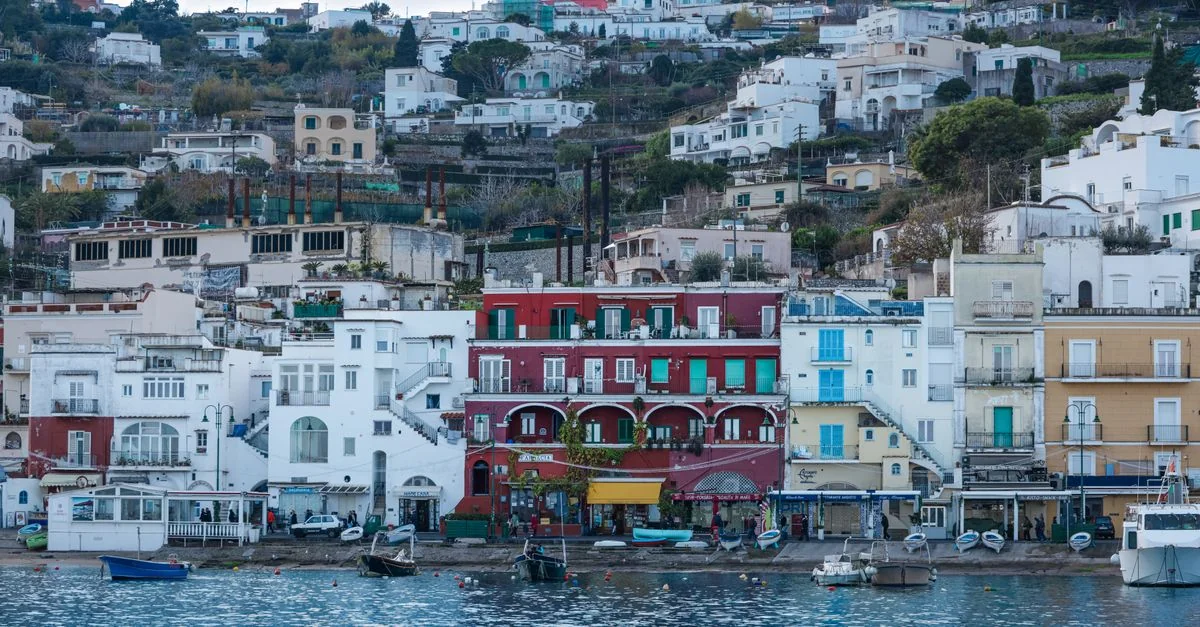
Choosing where to sleep on the island shapes your entire daily experience, as the two main municipalities offer entirely different atmospheres. Staying in Capri Town places you right at the center of the historic district, surrounded by designer boutiques, high-end dining, and the famous central square. This neighborhood suits luxury travelers and mid-range visitors who want immediate access to upscale shopping, historic lanes, and the funicular connecting down to the port. Accommodations here range from sophisticated cliffside properties with sweeping sea views to charming, tucked-away boutique guesthouses.
A short bus or taxi ride away, Anacapri occupies a higher, quieter plateau on the western side of the island. This area attracts travelers looking for a slower, more authentic neighborhood feel, with narrow residential streets, small artisan shops, and fewer crowds. Budget and mid-range options are more readily available here, including family-run bed-and-breakfasts and comfortable mid-tier hotels surrounded by gardens. The pace is relaxed, making it an ideal base for hikers and those who prefer local trattorias over luxury lounges.
For travelers who want to step out of their room directly onto a sun-warmed dock, staying near Marina Piccola on the southern coast provides a completely different perspective. This small bay is sheltered from northern winds, offering calm waters and direct beach access. While lodging options here are limited and generally fall into the luxury tier, the reward is waking up right against the water with the dramatic Faraglioni sea stacks rising just offshore.
Top Things to Do in Capri#

A journey to the island naturally centers around its legendary coastline and dramatic geological formations. No visit is complete without a boat excursion to the Blue Grotto, where sunlight enters through an underwater cavity to illuminate the cavern in an electric, luminous turquoise. While boat lines can stretch during peak hours, seeing the water glow from the wooden rowboats inside the cave remains a defining experience. For a wider view of the coastline, taking a boat tour around the entire island reveals hidden sea caves, narrow arches, and the sheer cliff faces that define the local geography.
Rising straight out of the water near the southern coast, the Faraglioni sea stacks serve as one of the island’s most recognizable natural landmarks. You can admire these massive limestone pillars from the panoramic viewpoints at the Giardini di Augusto or rent a small wooden boat to pass directly through the natural rock archway. The Giardini di Augusto themselves offer a peaceful retreat of terraced botanical gardens overlooking the winding hairpins of Via Krupp, a historic pedestrian pathway clinging to the cliffside.
Moving away from the coastline and heading up toward the highest point of the island brings you to Monte Solaro, accessible via a classic single-person chairlift from Anacapri. The slow, open-air ride offers sweeping views over the Gulf of Naples and the Sorrentine Peninsula, and the summit provides a sweeping vantage point on clear days. Nearby, the Villa San Michele in Anacapri showcases the former home of a Swedish physician, featuring a quiet pergola-shaded garden, Roman antiquities, and sweeping views of the harbor far below.
For those interested in history beyond the natural scenery, the ruins of Villa Jovis sit atop Mount Tiberio on the eastern tip of the island. A pleasant uphill walk through quiet residential lanes leads to the sprawling remains of the Roman Emperor Tiberius’s primary palace, where stone walls and cisterns echo ancient imperial ambition. Afterward, a short walk away leads to the Natural Arch, a striking geological limestone formation framing a view of the deep blue sea through its natural stone window.
Food and Dining Guide#
The culinary landscape of the island relies heavily on fresh, local ingredients grown in rich volcanic soil and seafood caught daily in the surrounding waters. Dining here ranges from casual clifftop snack bars serving simple sandwiches to upscale terraces offering modern interpretations of Mediterranean classics. Meals often start with Caprese Salad, a simple combination of ripe heirloom tomatoes, thick slices of fresh fior di latte mozzarella, fragrant basil leaves, and a drizzle of local olive oil, demonstrating how quality ingredients define the local table.
As a main course, Ravioli Capresi stands out as the island’s signature pasta dish. These half-moon pasta parcels are stuffed with a mixture of marjoram and grated cheese, then tossed in a fresh tomato and basil sauce that highlights the sweetness of local produce. For seafood lovers, Spaghetti alle Vongole features fresh local clams tossed with garlic, white wine, and parsley over perfectly al dente pasta.
To finish a meal, locals and visitors alike enjoy a chilled glass of Limoncello, a bright yellow liqueur made from the thick, fragrant peels of giant local lemons steeped in alcohol and simple syrup. For dessert, Torta Caprese provides a rich, flourless chocolate and almond cake that is naturally dense, slightly crumbly, and often dusted with powdered sugar. Street food is relatively rare here compared to mainland Naples, but you will find small bakery windows offering folded pizza slices and stuffed pastries ideal for a quick bite while walking between sights.
Getting Around Capri#
Navigating the island requires patience and an understanding of its unique topography, as personal cars are strictly restricted for non-residents during the high season. The primary arrival point is Marina Grande, where ferries and hydrofoils dock from Naples, Sorrento, and the Amalfi Coast. From here, the iconic red funicular railway whisks passengers straight up to Capri Town in just a few minutes, operating frequently throughout the day.
For travel between Capri Town and Anacapri, the small orange public buses serve as the backbone of the transport network. These buses are inexpensive and run regularly, though they fill up quickly during peak hours, requiring travelers to queue patiently at the terminals. Taxis on the island are distinctive open-top convertible vehicles that accommodate small groups and provide a comfortable, scenic ride between neighborhoods at a higher fixed rate.
Walking remains the best way to explore the interior of Capri Town and Anacapri, where many streets are strictly pedestrianized and too narrow for vehicles. Sturdy walking shoes are essential, as you will encounter countless stone steps, steep inclines, and uneven pathways. When heading down to the beaches or up to remote viewpoints, combining short bus rides with walking paths offers the most flexible and rewarding way to see the island.
Budget Breakdown#
Planning financial expectations for an island trip helps prevent surprises, as prices generally run higher here than on the Italian mainland due to the logistics of island importing. For budget travelers staying in simple guesthouses in Anacapri, utilizing public buses, and eating at casual pizzerias and bakeries, daily expenses remain manageable. Accommodation sits at the lower end of the pricing spectrum, and daily costs for food and local transit stay modest if you avoid upscale sit-down dinners and private boat rentals.
Mid-range travelers experience a comfortable balance, booking comfortable rooms in central boutique hotels or quiet bed-and-breakfasts. This tier allows for daily coffee and pastry stops, dinners at traditional local trattorias featuring regional wine, occasional taxi rides when bus queues are long, and standard tickets for chairlifts and historic villas.
Luxury travelers can expect top-tier pricing, particularly during summer months. This level includes five-star cliffside suites with private balconies overlooking the sea, fine dining at Michelin-starred terraces, private boat charters for touring the coastline and swimming in secluded coves, and private convertible taxi transfers across the island.
Travel Tips for Capri#
Navigating the logistics of your journey becomes much smoother with a few practical strategies tailored to island conditions. Ferry reservations should be secured in advance during the summer months, as afternoon departures from the mainland and return trips to Naples or Sorrento often sell out, disrupting travel schedules if left to chance.
Luggage management is another critical factor when arriving at the port, as hauling heavy rolling suitcases up stone steps or steep pedestrian paths is exhausting. Most ferry docks and local transport services offer luggage transfer services that will deliver your bags directly to your hotel for a small fee, allowing you to explore unencumbered.
Crowd timing dictates the quality of your sightseeing experience around major landmarks like the central square or the funicular. Visiting popular viewpoints and walking paths early in the morning or later in the evening avoids the heavy influx of midday day-trippers who arrive on morning ferries and depart by late afternoon.
Footwear choices can make or break your trip, given the prevalence of steep staircases, cobblestones, and polished limestone paths. Leave high heels and unsupportive shoes at home, opting instead for comfortable walking sandals or supportive sneakers with good grip.
Restaurant reservations are essential for evening dining during peak season, particularly at terrace tables with sea views. Walking up to popular trattorias without a booking often results in long waits or turned-away tables, so plan your evening meals a day or two ahead.
Hydration and sun protection are easy to overlook while walking coastal paths under clear skies. Bring a reusable water bottle to fill from public fountains in the towns, and carry reliable sunblock and a hat, as shade can be scarce along open cliffside trails and boat decks.
📌 Disclaimer
Prices, schedules, tour details, flight routes, visa requirements, and all other information on this page are based on data at the time of writing. Fares, availability, and policies may change. Please verify current details on the official website before booking.