📌 Disclaimer
Prices, schedules, tour details, flight routes, visa requirements, and all other information on this page are based on data at the time of writing. Fares, availability, and policies may change. Please verify current details on the official website before booking.
Complete Travel Guide to Canberra: Top Attractions, Tips & Itinerary#
Why Visit Canberra?#
The smell of eucalyptus hangs heavy in the crisp, dry air as you step out onto the wide, manicured lawns of the national capital. Unlike the chaotic energy of Sydney or the beachside sprawl of Melbourne , Canberra offers a deliberate, spacious calm that feels almost designed for contemplation. For American travelers accustomed to the fast pace of coastal cities, this planned city provides a refreshing change of rhythm. It is a place where history, politics, and nature intersect without the overwhelming crowds, allowing for a quieter, more observant travel experience. The city’s layout, based on the Wollongong Plan, creates a sense of order and openness that makes navigating the urban core feel less like a chore and more like a leisurely stroll through a giant park.
Beyond its political significance, Canberra serves as a gateway to Australia ’s diverse interior landscapes and a hub for high-quality cultural institutions. The city punches well above its weight in terms of museums and galleries, housing collections that rival those in much larger metropolitan areas. You will find yourself walking through halls that tell the story of Indigenous Australia, the nation’s military history, and its artistic evolution, all within a short distance of each other. The presence of Lake Burley Griffin, a man-made water body that anchors the city’s geography, adds a scenic layer that enhances daily life. Whether you are kayaking at sunrise or watching the sunset reflect off the water from a nearby hill, the lake provides a constant, soothing backdrop to your visit.
What truly sets Canberra apart for the American visitor is its accessibility and the genuine warmth of its locals. The city is compact enough that you can often walk or bike between major sights, yet it retains a suburban comfort that feels familiar and relaxed. There is no need to rush; the pace here encourages you to sit with a coffee, read a book, or simply watch the world go by. This slower tempo allows for a deeper engagement with the local culture, from the innovative art scenes in inner-city laneways to the sophisticated dining options that showcase the best of Australian produce. It is a destination that rewards curiosity and offers a unique perspective on Australian life away from the tourist trails.
Best Time to Visit Canberra#

Canberra experiences four distinct seasons, and the weather can shift dramatically, especially during the transitional months. Summer, spanning from December to February, brings warm to hot days with temperatures often reaching the high 20s or low 30s Celsius (80s to low 90s Fahrenheit). This is the peak tourist season, meaning attractions will be busier and accommodation prices will be at their highest. However, the long days and clear skies make it an ideal time for outdoor activities like hiking in the nearby mountains or swimming in the lake. The risk of bushfires is also higher during this period, so staying informed about local conditions is essential.
Autumn, from March to May, is widely considered the most pleasant time to visit. The heat subsides, replaced by mild, sunny days and cool nights. The foliage in the city’s parks and surrounding forests turns golden and red, creating a stunning visual backdrop for photography and sightseeing. Crowds begin to thin out after the summer holidays, and prices for hotels and flights often drop slightly. This season is perfect for walking tours and exploring the city’s extensive parklands without the discomfort of extreme heat.
Winter in Canberra, from June to August, is cold and can be surprisingly harsh for those unaccustomed to temperate climates. Temperatures frequently drop below freezing at night, and mornings can be foggy and chilly. While this might deter some visitors, it offers a unique experience with fewer crowds and lower accommodation rates. The city comes alive with festive lights and events during the holiday season, adding a charming atmosphere to the urban landscape. If you do not mind bundling up, winter provides a cozy opportunity to explore indoor attractions like museums and galleries in comfort.
Spring, from September to November, brings a revival of color and life to the city. The weather becomes increasingly mild, though it can still be unpredictable with occasional rain showers. This is a great time to see the wildflowers blooming in the surrounding nature reserves and to enjoy outdoor dining as the weather warms up. Prices remain moderate, and the growing daylight hours allow for more time to explore. Overall, autumn and spring offer the best balance of weather, crowd levels, and value for most travelers.
Where to Stay in Canberra#
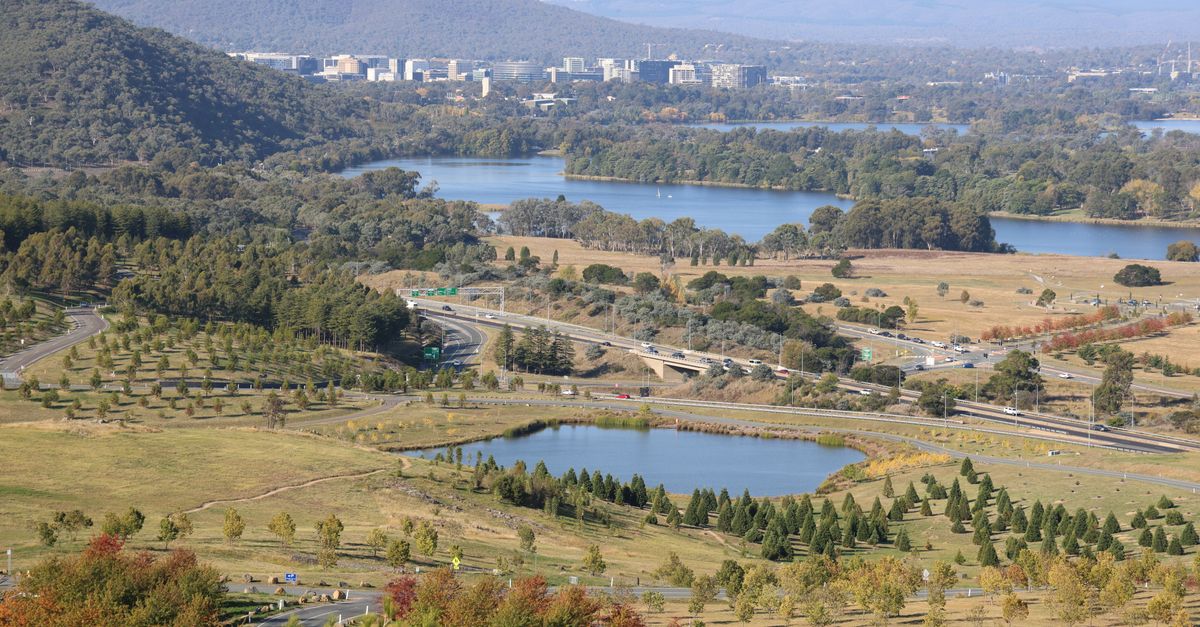
Choosing where to stay in Canberra depends largely on your travel style and how much you value proximity to key attractions. The City Center is the most convenient option for first-time visitors, offering easy access to major museums, government buildings, and dining options. Accommodations here range from budget-friendly hostels to luxury hotels, making it a versatile choice. Staying in the center allows you to walk to many of the top sights, saving time and transportation costs. The area is lively, with plenty of cafes and bars, but it can be noisy at night if you are sensitive to sound.
For those seeking a more residential and relaxed atmosphere, Braddon and Kingston are excellent alternatives. Braddon is a trendy neighborhood known for its laneways, independent boutiques, and lively food scene. It is located just a short walk or bike ride from the city center, offering a cooler, more local vibe. Accommodations here tend to be mid-range, with many boutique apartments and guesthouses available. Kingston, situated on the southern shore of Lake Burley Griffin, offers a quieter, more upscale experience. The area is popular with professionals and families, and it features high-end dining and beautiful lake views. Staying in Kingston provides a serene environment, perfect for unwinding after a day of sightseeing.
If you prefer a more suburban feel with easy access to nature, consider staying in Acton or Manuka. Acton is home to several universities and cultural institutions, including the National Museum of Australia. It is a quiet, leafy area with a mix of student accommodations and family-friendly apartments. Manuka is known for its historic villas, high-end shopping, and excellent restaurants. It is slightly further from the city center but offers a charming, village-like atmosphere. Both areas provide a good balance of convenience and comfort, with plenty of dining and shopping options within walking distance.
Top Things to Do in Canberra#
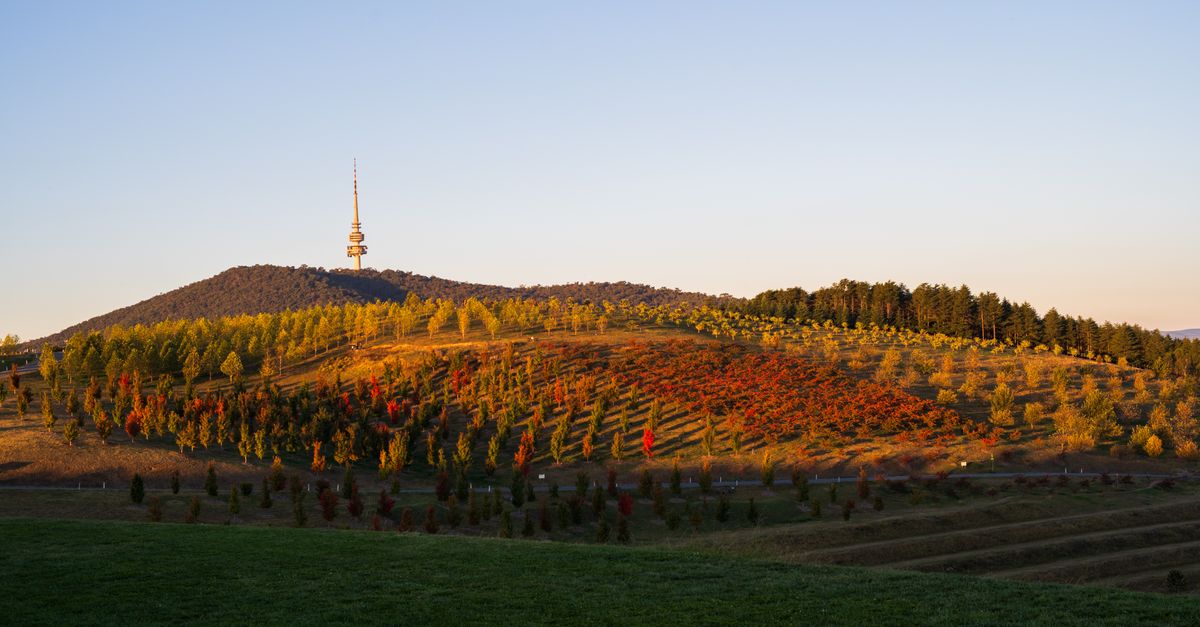
Your exploration of Canberra should begin at the Australian War Memorial, a solemn and powerful institution that honors the service and sacrifice of Australian military personnel. The memorial’s architecture and exhibits are deeply moving, offering A Practical look at Australia’s military history. Take your time to read the panels and observe the artifacts; it is a place for reflection and learning. Nearby, the National Gallery of Australia houses an impressive collection of Indigenous, Australian, and international art. The gallery’s modern architecture complements its diverse holdings, and the outdoor sculpture garden is a pleasant spot for a break.
No visit to Canberra is complete without seeing the Parliament House, the seat of Australia’s federal government. The building’s unique design, with the lawn and flagpole on top, symbolizes the idea of a government that is accessible to the people. Guided tours are available and provide fascinating insights into the workings of Australian democracy. Afterward, walk across the lake to the Old Parliament House, which now serves as the Museum of Australian Democracy. The contrast between the old and new buildings highlights the evolution of the nation’s political landscape.
For a touch of royalty and history, visit Kingston Barracks and the nearby Royal Australian Mint. The mint offers tours where you can see the process of coin production and even take home a freshly minted coin as a souvenir. If you are interested in science and technology, the Questacon interactive science center is worth visiting, especially for families. The hands-on exhibits make learning fun and engaging for visitors of all ages.
Nature lovers will appreciate the Mount Ainslie trails, which offer panoramic views of the city and the surrounding landscape. The hike is moderate in difficulty, but the reward is a breathtaking vista that captures the essence of Canberra’s layout. For a more relaxed outdoor experience, rent a kayak or paddleboard at Lake Burley Griffin and spend an afternoon exploring the waterways. The lake is calm and scenic, providing a peaceful escape from the urban environment.
Art enthusiasts should not miss the National Portrait Gallery, which features portraits of significant Australians from various fields. The gallery’s collection is both informative and visually striking, offering a unique perspective on the nation’s identity. Finally, take a stroll through the National Botanic Gardens, a vast green space that showcases native Australian plants and trees. The gardens are a serene retreat, perfect for a picnic or a quiet walk among the flora.
Food and Dining Guide#
Canberra’s dining scene is a reflection of its status as a capital city, offering a sophisticated mix of international cuisines and high-quality local produce. One of the standout dishes you must try is Grilled Barramundi with Lemon Butter Sauce. This native Australian fish is often sourced from sustainable fisheries and is prized for its delicate flavor and firm texture. It is typically served with seasonal vegetables and a light sauce that enhances its natural taste. You will find this dish on the menus of many mid-range to upscale restaurants, particularly those near the lake.
Another local favorite is Venison Steak with Red Wine Jus. Canberra is surrounded by national parks and wildlife reserves, and venison is a common ingredient in the region’s cuisine. The meat is lean and flavorful, often prepared with a rich, dark sauce that complements its earthy notes. This dish is a testament to the city’s connection to the Australian bush and its wildlife. Look for it at steakhouses and fine dining establishments that emphasize local sourcing.
For a lighter option, try Pavlova with Fresh Berries. This iconic Australian dessert is a worth trying, featuring a crisp meringue exterior and a soft, marshmallow-like interior, topped with whipped cream and fresh fruit. It is a sweet and satisfying end to any meal, and you will find variations of it in cafes and restaurants across the city. The simplicity of the dish allows the quality of the ingredients to shine, making it a popular choice among locals and visitors alike.
Street food in Canberra is also thriving, with numerous markets and food trucks offering a variety of options. Meat Pie with Tomato Sauce is a classic Australian staple that you can find at many cafes and bakeries. It is a hearty and comforting snack, perfect for a quick bite while exploring the city. The pastry is flaky and buttery, enclosing a savory filling of minced meat and spices. It is an affordable and delicious way to experience a piece of Australian culinary culture.
When dining out, take advantage of the city’s many wine bars and restaurants that offer local wines from the surrounding regions. The Hunter Valley and Yarra Valley are within driving distance, and many establishments feature selections from these renowned wine-producing areas. Pairing your meal with a local wine enhances the dining experience and supports the regional economy. Whether you are looking for a casual meal or a fine dining experience, Canberra’s food scene offers something for every taste and budget.
Getting Around Canberra#
Navigating Canberra is relatively straightforward, thanks to its well-planned layout and efficient public transportation system. The Metrobus network is the primary mode of public transit, with frequent services connecting the city center to suburbs and major attractions. Bus fares are affordable, and you can purchase tickets on board or use a rechargeable smart card for convenience. The buses are clean, modern, and generally reliable, making them a practical option for getting around.
For short distances, walking is often the best way to explore Canberra. The city center is compact, and many of the top attractions are within walking distance of each other. The wide sidewalks and pleasant weather make walking a enjoyable and healthy way to see the city. If you prefer a more active option, biking is also popular, with numerous bike paths and rental stations available throughout the city. Biking allows you to cover more ground than walking while still enjoying the outdoor scenery.
Taxis and ride-sharing services are readily available in Canberra, providing a convenient option for late-night travel or when you need to cover longer distances. While more expensive than public transit, they offer door-to-door service and flexibility. For those who prefer the freedom of their own vehicle, rental cars are a viable option, especially if you plan to explore the surrounding nature reserves and wineries. Parking in the city center can be challenging and expensive, so consider staying in a hotel with free parking if you choose this option.
Budget Breakdown#
Planning your budget for Canberra involves considering accommodation, food, transport, and activities. Budget travelers can expect to spend around $80-$120 per day. This includes staying in hostels or budget hotels, eating at cafes and street food vendors, using public transportation, and visiting free attractions like parks and gardens. By being mindful of expenses and taking advantage of free activities, you can enjoy Canberra without breaking the bank.
Mid-range travelers should budget approximately $150-$250 per day. This allows for comfortable mid-range hotels, dining at restaurants, occasional taxi rides, and paid attractions like museum tours and guided walks. This budget provides a balanced experience, combining comfort with exploration. You can enjoy nicer meals and stay in more central locations, enhancing your overall trip.
Luxury travelers can expect to spend $300 or more per day. This covers upscale hotels, fine dining experiences, private tours, and premium activities. Luxury travelers can indulge in the best that Canberra has to offer, from high-end accommodations with lake views to exclusive dining experiences. This budget ensures a seamless and comfortable trip, with no compromises on quality or convenience.
Travel Tips for Canberra#
Pack for Variable Weather. Canberra’s weather can change quickly, so it is wise to bring layers. Even in summer, nights can be cool, and in winter, days can be surprisingly warm. A light jacket or sweater is always a good idea, regardless of the season. Check the forecast before you leave and pack accordingly to ensure you are comfortable throughout your stay.
Book Museum Tours in Advance. Many of Canberra’s top attractions, including the Australian War Memorial and Parliament House, offer guided tours that require advance booking. These tours provide valuable insights and context that you might miss if you explore on your own. Booking ahead ensures you secure a spot, especially during peak tourist seasons. It also helps you plan your itinerary more effectively.
Explore Beyond the City Center. While the city center is convenient, some of Canberra’s best experiences are found in the suburbs and surrounding areas. Take the time to visit neighborhoods like Braddon and Kingston, and consider day trips to nearby nature reserves and wineries. Exploring beyond the center gives you a more complete picture of the city and its surroundings.
Respect Indigenous Culture. Canberra is home to significant Indigenous heritage, and it is important to approach this with respect and sensitivity. Many museums and galleries feature Indigenous art and history, and taking the time to learn about these cultures enriches your travel experience. Be mindful of cultural protocols and guidelines when visiting sites of significance.
Stay Hydrated and Protect Yourself from the Sun. Australia’s sun is strong, even on cloudy days. Apply sunscreen regularly, wear a hat, and stay hydrated, especially when spending time outdoors. This is particularly important during the summer months, when UV levels are high. Protecting yourself from the sun ensures you can enjoy your activities without discomfort or health risks.
Use Public Transport for Sustainability. Choosing public transport over rental cars or taxis is not only cost-effective but also environmentally friendly. Canberra’s bus network is efficient and covers most major attractions. By using public transport, you reduce your carbon footprint and contribute to the sustainability of the city. It is a simple way to travel responsibly.
📌 Disclaimer
Prices, schedules, tour details, flight routes, visa requirements, and all other information on this page are based on data at the time of writing. Fares, availability, and policies may change. Please verify current details on the official website before booking.
📌 More about Canberra