📌 Disclaimer
Prices, schedules, tour details, flight routes, visa requirements, and all other information on this page are based on data at the time of writing. Fares, availability, and policies may change. Please verify current details on the official website before booking.
Why Visit Cagliari?#
The smell of salt spray mixes with the scent of roasted coffee beans whenever the morning breeze blows in from the Gulf of Angels. Sardinian capital Cagliari sits stacked against a dramatic limestone hill, offering American travelers a slice of the Mediterranean that feels distinct from the usual tourist corridors of the Italian mainland. Ancient ramparts, pink flamingos resting in nearby wetlands, and long stretches of white sand define a landscape where urban energy meets island wilderness.
Travelers crossing the Atlantic often overlook Sardinia in favor of Rome or Florence , which leaves Cagliari refreshingly authentic. Locals still chat loudly across narrow alleys draped in laundry, and evening passeggiata remains a daily ritual rather than a staged performance. The city rewards slow exploration, whether that means sipping cannonau wine at a sidewalk table or tracing centuries of Phoenician, Roman, and Spanish rule through the stone architecture of the old quarters.
Best Time to Visit Cagliari#
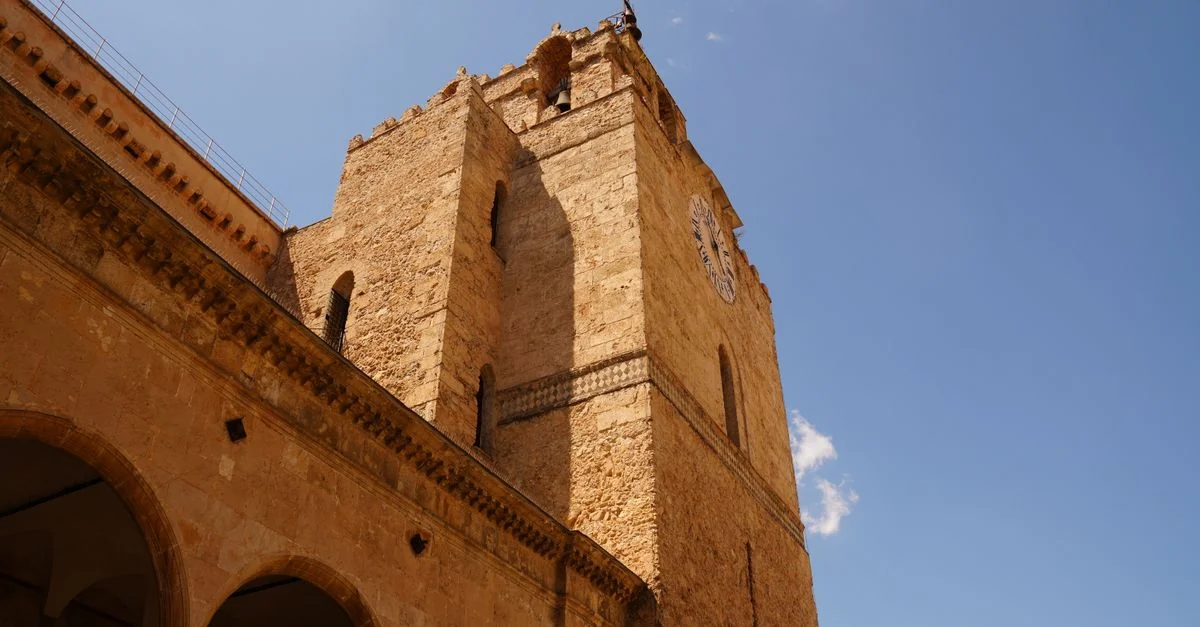
Shoulder seasons offer the most balanced experience for visitors arriving from the United States . May and June bring warm, comfortable temperatures ideal for walking the steep hills, and the Mediterranean is warming up enough for swimming without the heavy crowds of July and August. During these months, flights from major US hubs via European connection points remain moderately priced, and finding a table at popular neighborhood trattorias requires minimal advance planning.
July and August bring intense heat and significant price surges across flights and accommodation. The city fills with European vacationers, and many local businesses close for a few weeks in August as residents head to the beaches. September and October provide a welcome reprieve, featuring warm sea temperatures, receding crowds, and the start of the grape harvest. Winter brings mild, rainy days with very low tourist numbers, making it an affordable choice for travelers interested in museums and food rather than beach lounging, though many coastal establishments close for the season.
Where to Stay in Cagliari#
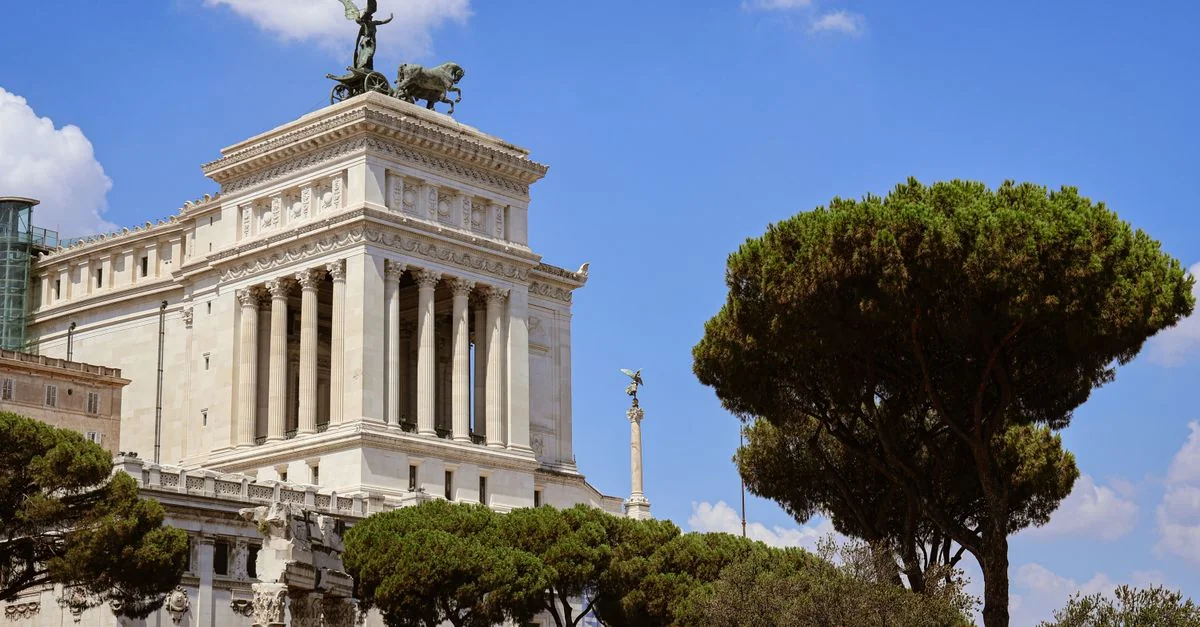
Choosing a neighborhood depends largely on travel style and proximity to the sea. The historic hilltop district of Castello appeals to travelers seeking old-world charm, antique lampposts, and sweeping views of the gulf. This area features upscale boutique apartments housed in historic palazzos, making it a top choice for luxury and mid-range visitors who do not mind climbing stairs or navigating steep cobblestone lanes after a long day of sightseeing.
Just below the ramparts, Marina offers a grid of lively streets stretching toward the port. This neighborhood acts as a multicultural crossroads with a high concentration of mid-range guesthouses and casual eateries. It provides excellent convenience for catching buses or trains, though street noise can run high on weekend nights.
For travelers prioritizing a coastal atmosphere, Poetto Beach hosts numerous guesthouses and mid-range rentals directly across from the sand. This area feels resort-oriented and requires a short bus or taxi ride to reach the historic center, suiting families and sun-seekers. Meanwhile, Villanova charms visitors with pastel-painted facades, quiet pedestrian lanes, and independent craft shops, offering a peaceful mid-range lodging experience within walking distance of the main shopping drag.
Top Things to Do in Cagliari#
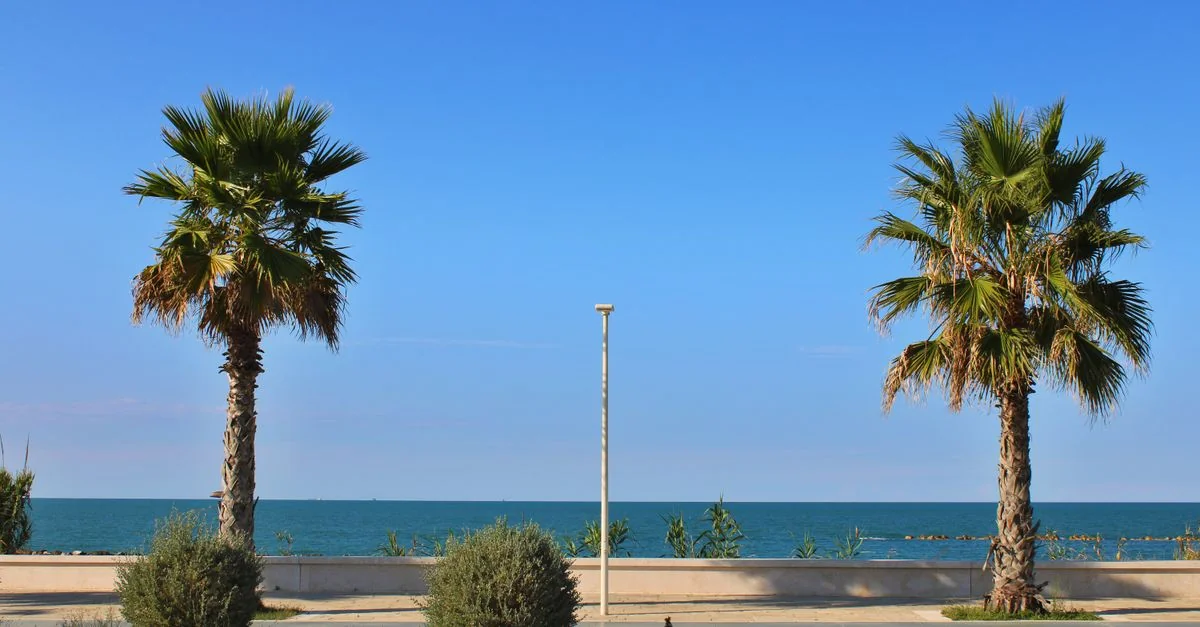
Walking through the heavy stone gates of the Bastione di Saint Remy immediately establishes the dramatic scale of the city’s defenses. This monumental nineteenth-century terrace connects the lower districts to the upper stronghold, providing wide viewing platforms where visitors watch the sun dip below the Mediterranean horizon. A short walk away, the Cagliari Cathedral reflects a shifting architectural history, combining Pisan-Romanesque details with baroque chapels that house centuries of religious art and royal tombs.
History enthusiasts will find plenty to uncover at the Roman Amphitheater, carved directly into the limestone of the hillside during the second century AD. Though partially restricted for preservation, the site reveals the engineering prowess of the ancient empire. Nearby, the National Archaeological Museum gathers artifacts from across the island, including mysterious Nuragic bronze figurines that depict ancient warriors and chieftains with striking geometric styling.
Nature lovers do not need to travel far to experience the wilder side of Sardinia. The Molentargius Saline Regional Park stretches just behind the city beaches, serving as a protected wetland where flocks of pink flamingos feed in the shallow, mineral-rich waters. Renting a bicycle allows visitors to follow the flat dirt paths around the salt pans, offering a peaceful contrast to the urban bustle.
Wandering the labyrinthine alleys of Villanova reveals a different side of Cagliari, where residents maintain colorful window boxes and neighborhood cats lounge on stone steps. This district hosts traditional artisan workshops and small squares that remain blissfully quiet during peak afternoon hours. For panoramic vistas that stretch all the way to the mountains, the San Michele Castle sits atop a northern hill, housing a contemporary art space within its medieval stone walls. Finally, spending an afternoon on the soft sands of Poetto Beach connects travelers with the local summer culture, where wooden beach shacks serve chilled beer and seafood plates just steps from the turquoise shoreline.
Food and Dining Guide#
Sardinian cuisine relies heavily on sheep’s milk cheeses, wild herbs, meats roasted over fragrant wood, and the bounty of the surrounding sea. Unlike mainland Italian fare, traditional local dishes often favor rustic simplicity over heavy sauces, heavily influenced by centuries of pastoral and maritime traditions.
One of the essential culinary experiences involves ordering culurgiones, handmade pasta pockets crimped into distinct wheat-ear shapes and filled with mashed potato, pecorino cheese, and fresh mint, typically served with a simple tomato sauce and grated cheese. Meat lovers should seek out porceddu, a slow-roasted suckling pig seasoned with myrtle leaves that results in crackling skin and exceptionally tender meat.
Seafood dominates menus closer to the port, where fregola con le arselle brings together tiny, toasted semolina pasta spheres with fresh local clams, garlic, parsley, and a light tomato broth. For a casual lunch on the run, neighborhood bakeries sell pane carasau, a wafer-thin, crisp flatbread traditionally baked by shepherds, often paired with cured meats and sharp pecorino cheese. Dining in Cagliari tends to run later than in many American cities, with restaurants rarely filling up for dinner before nine in the evening, making a late afternoon aperitivo a sensible way to bridge the gap.
Getting Around Cagliari#
Navigating Cagliari requires a mix of walking, public transit, and occasional taxi use, depending on the destination. The historic center is remarkably compact and pedestrian-friendly, though the steep vertical climbs between districts demand comfortable footwear and a decent level of fitness. Elevators and escalators have been installed in various points around the limestone cliffs to help pedestrians bridge the gap between the lower town and Castello, though knowing where to find them takes a little local orientation.
An extensive network of buses operated by the local transit authority covers the urban core, connecting neighborhoods like Marina and Villanova directly to Poetto Beach and the surrounding wetlands. Tickets must be purchased in advance at tobacco shops or newsstands, or via mobile applications, as drivers generally do not sell them on board. Taxis are readily available at designated stands near the train station and major squares, though flagging them down on the street is uncommon.
Renting a car proves unnecessary for exploring the city itself and can actually become a liability due to restricted traffic zones in the historic quarters and limited parking options. However, securing a rental vehicle makes sense for travelers planning to venture beyond the city limits to explore the hidden coves and rugged mountains of southern Sardinia.
Budget Breakdown#
Planning financial expectations for a trip to Cagliari involves understanding how accommodation, dining, and transport scale across different travel styles.
Budget travelers relying on hostel dormitories, guesthouse rooms outside the center, public transportation, and casual street food or grocery store picnic supplies will find the city quite affordable compared to major northern Italian destinations. Daily expenses remain modest when sticking to self-guided walking tours of the historic quarters and free natural attractions like the salt pans and public beaches.
Mid-range travelers staying in comfortable boutique apartments or standard hotels, dining out at neighborhood trattorias once or twice a day, and occasionally taking taxis or regional buses will experience a comfortable trip without overspending. This tier allows for museum admissions, organized boat excursions, and relaxed wine bars without breaking the bank.
Luxury travelers booking high-end historic properties, private guided tours, chauffeured transport for regional day trips, and fine-dining seafood establishments overlooking the gulf will find competitive luxury value compared to similar coastal destinations in mainland Italy or the French Riviera. Premium experiences focus on exclusive wine tastings, private yacht rentals, and high-end artisanal shopping in the central districts.
Travel Tips for Cagliari#
Understanding local tipping customs prevents awkward moments at the end of a meal. Tipping in restaurants is not mandatory or expected in the American sense, as most establishments include a modest cover charge for bread and service on the bill. Leaving a few euros in cash for exceptional service is appreciated by waitstaff, but large percentage-based tips are entirely unnecessary.
Mastering the afternoon closure requires a shift in daily rhythm for travelers accustomed to continuous service. Many shops, pharmacies, and smaller businesses close their doors between roughly one and four in the afternoon for lunch and rest, reopening in the late afternoon and staying lively late into the evening. Planning grocery runs and important errands during morning or late afternoon hours prevents frustration.
Embracing the passeggiata offers the best insight into local social life. In the late afternoon and early evening hours, residents of all ages dress in their finest casual attire to stroll through the main plazas and pedestrian streets, greet neighbors, and enjoy a gelato or aperitif. Joining this tradition provides a window into the unhurried pace of island culture.
Language barriers in Cagliari are common, meaning that basic Italian phrases go a long way. While English is spoken in major hotels and upscale restaurants, shopkeepers and bus drivers often appreciate even a simple “buongiorno” or “grazie” before switching to English or hand gestures. Downloading an offline translation application helps navigate menus and transit signs in more residential neighborhoods.
Staying safe in Cagliari is generally straightforward, as the city experiences low rates of violent crime. However, standard precautions regarding pickpocketing apply in crowded transit hubs, markets, and busy beach buses during the peak summer months. Keeping valuables secure and maintaining situational awareness protects against opportunistic theft.
Finally, respecting church dress codes ensures smooth entry into sacred sites like the cathedral. Visitors should ensure their shoulders and knees remain covered when entering places of worship, keeping a light scarf or jacket in a daypack for warm weather excursions where sleeveless tops or shorts are worn outdoors.
📌 Disclaimer
Prices, schedules, tour details, flight routes, visa requirements, and all other information on this page are based on data at the time of writing. Fares, availability, and policies may change. Please verify current details on the official website before booking.
📌 More about Cagliari